Tag: History
-
Are Sharks Older Than Trees?
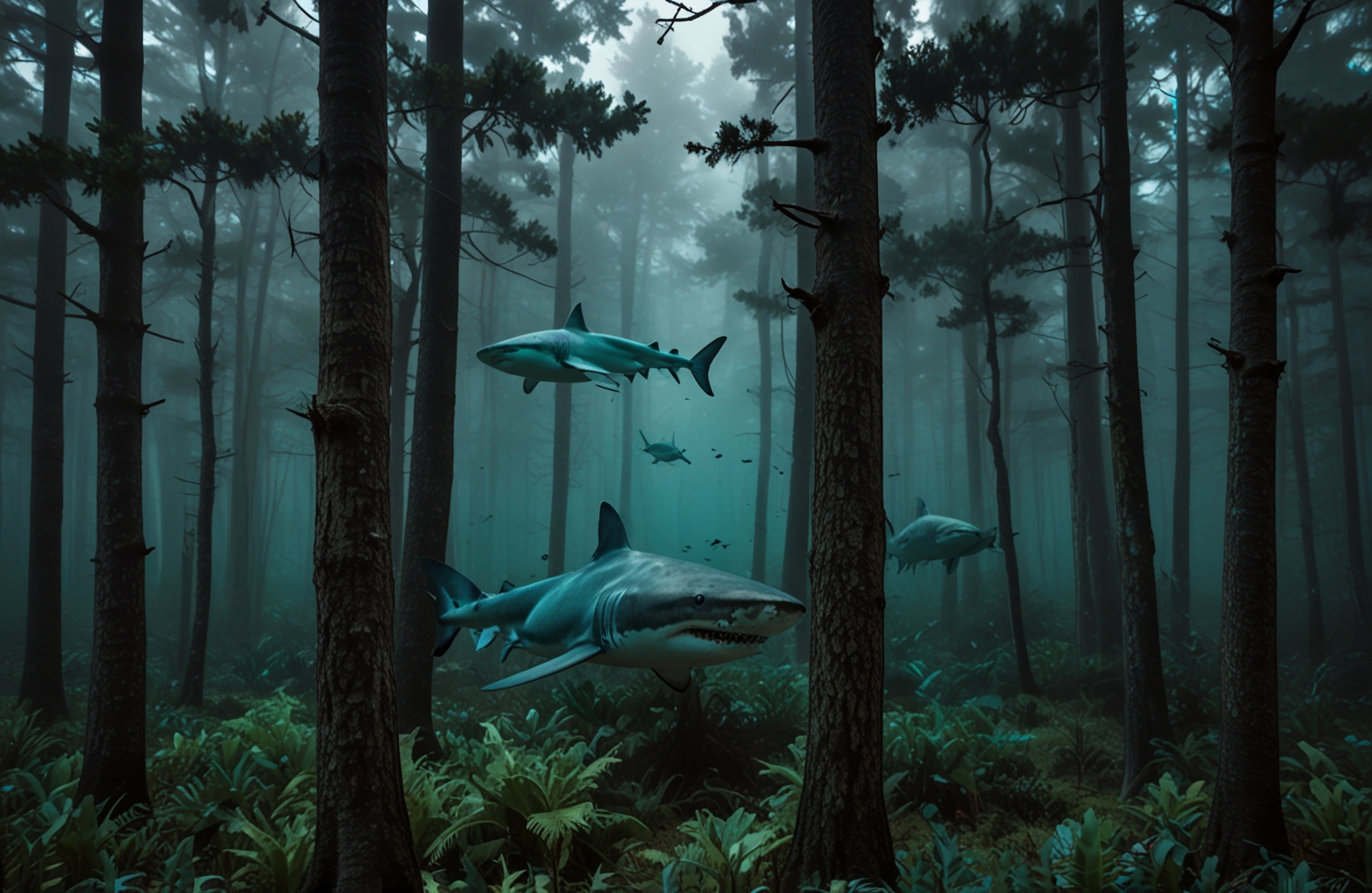
“Are sharks older than trees?” is a question that often sounds more like a riddle than a scientific inquiry. After all, we typically think of sharks as fearsome predators patrolling the world’s oceans and of trees as some of the planet’s most ancient and stalwart life forms on land. Surprisingly, the fossil record and paleontological… …read more

-
United Nations Convention on the Law of the Sea
The United Nations Convention on the Law of the Sea (UNCLOS) stands as a pivotal framework governing maritime domain affairs, encapsulating comprehensive regulations concerning ocean utilization, conservation, and environmental stewardship. Codified as a multilateral treaty, UNCLOS came into being to address a spectrum of issues related to maritime navigation, oceanic resource management, and territorial waters.… …read more
-
Indigenous Peoples – Cultures, Challenges and Contributions
Indigenous Peoples represent the earliest known inhabitants of regions around the world. They are culturally distinct societies that have maintained traditions, languages, and ways of life across generations. Among the most resilient communities globally, indigenous peoples have faced numerous adversities while contributing significantly to the cultural and ecological wealth of our planet. This article delves… …read more
-
The Arctic
The Arctic is a unique and enigmatic region located at the northernmost part of the Earth, often signified by the 66.5°N latitude, known as the Arctic Circle. It encompasses vast oceanic and terrestrial landscapes and is home to a distinctive and fragile ecosystem, diverse indigenous cultures, and significant geostrategic interests. This comprehensive exploration delves into… …read more

-
Arctic Circle
The Arctic Circle is an imaginary line located at latitude 66.5 degrees north of the Equator. It marks the boundary of the Arctic, encompassing the northernmost regions of the Earth. This article delves into the multifaceted aspects of the Arctic Circle, exploring its geographical, environmental, social, and political dimensions. Geographical Boundaries and Climatic Conditions Geographical… …read more
-
North Pole
The North Pole, a place shrouded in mystery and allure, is the stuff of legends, dreams, and scientific curiosity. This remote point, located at the northernmost tip of the Earth, is not just a geographical coordinate but a multi-faceted entity, influencing global climate, inspiring exploration, and serving as a subject of international diplomacy and environmental… …read more
-
Southern Hemisphere
The Southern Hemisphere encompasses much of the Earth‘s surface, offering a rich tapestry of climatic zones, vast oceans, diverse ecosystems, and a collection of unique cultures and societies. In this article, we explore the multifaceted aspects of the Southern Hemisphere, delving into its geography, climate, biodiversity, human impact, and cultural diversity. Geography and Extent The… …read more
-
Northern Hemisphere
The Northern Hemisphere of Earth, a vast and diverse half of our planet, is a region characterized by both unique and common traits. Divided by the Equator, the Northern Hemisphere is home to about 90% of the human population, encompasses diverse climates, and hosts a rich tapestry of ecosystems, cultures, and economies. Delving into its… …read more