Tag: Life
-
Life on Earth
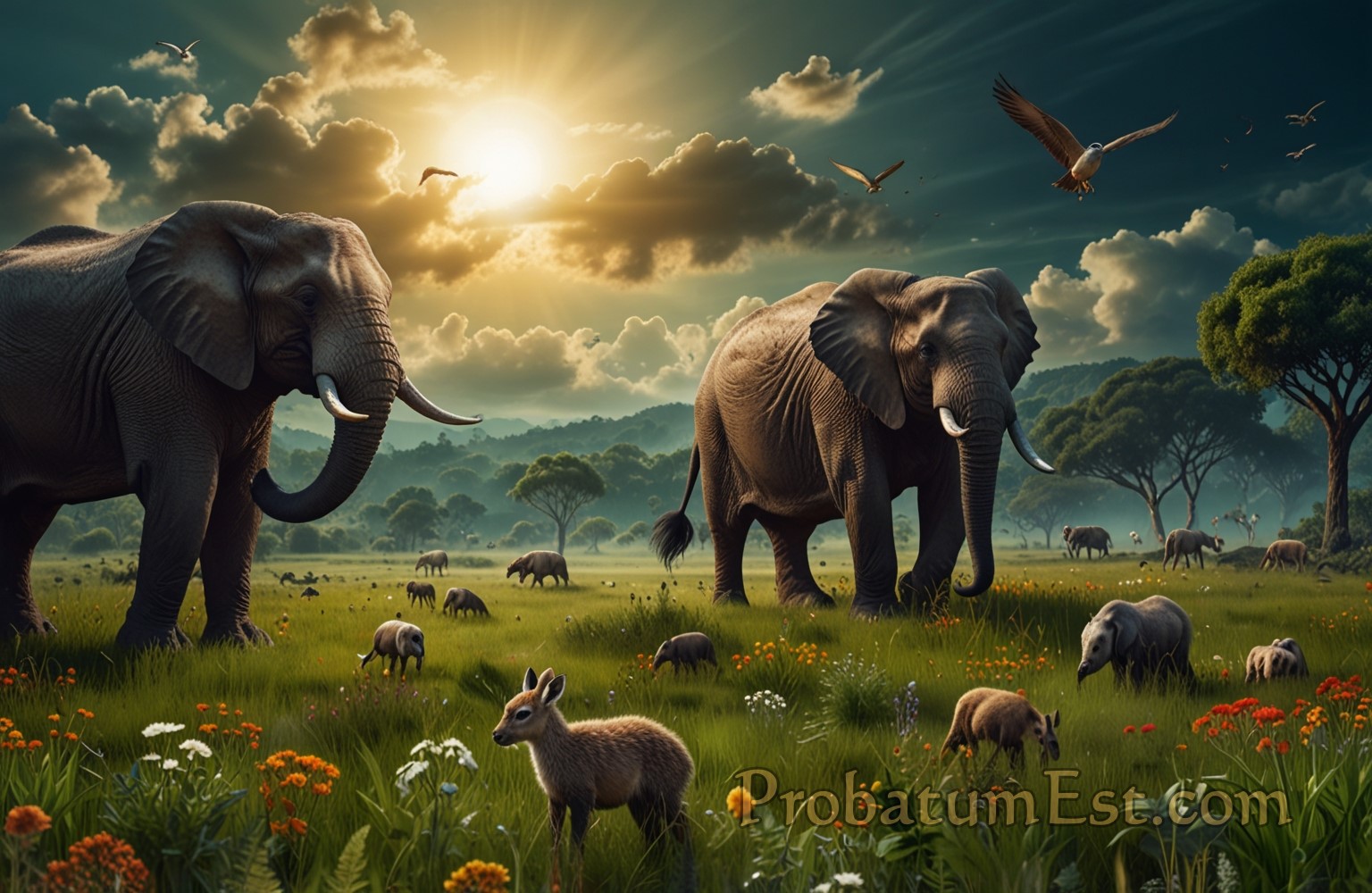
Life on Earth is a testament to the complexity, adaptability, and diversity of organic processes that have unfolded over billions of years. From single-celled organisms to the vast web of interconnected ecosystems, life on our planet is both a scientific marvel and a source of endless fascination. This article aims to explore life on Earth… …read more

-
Forests
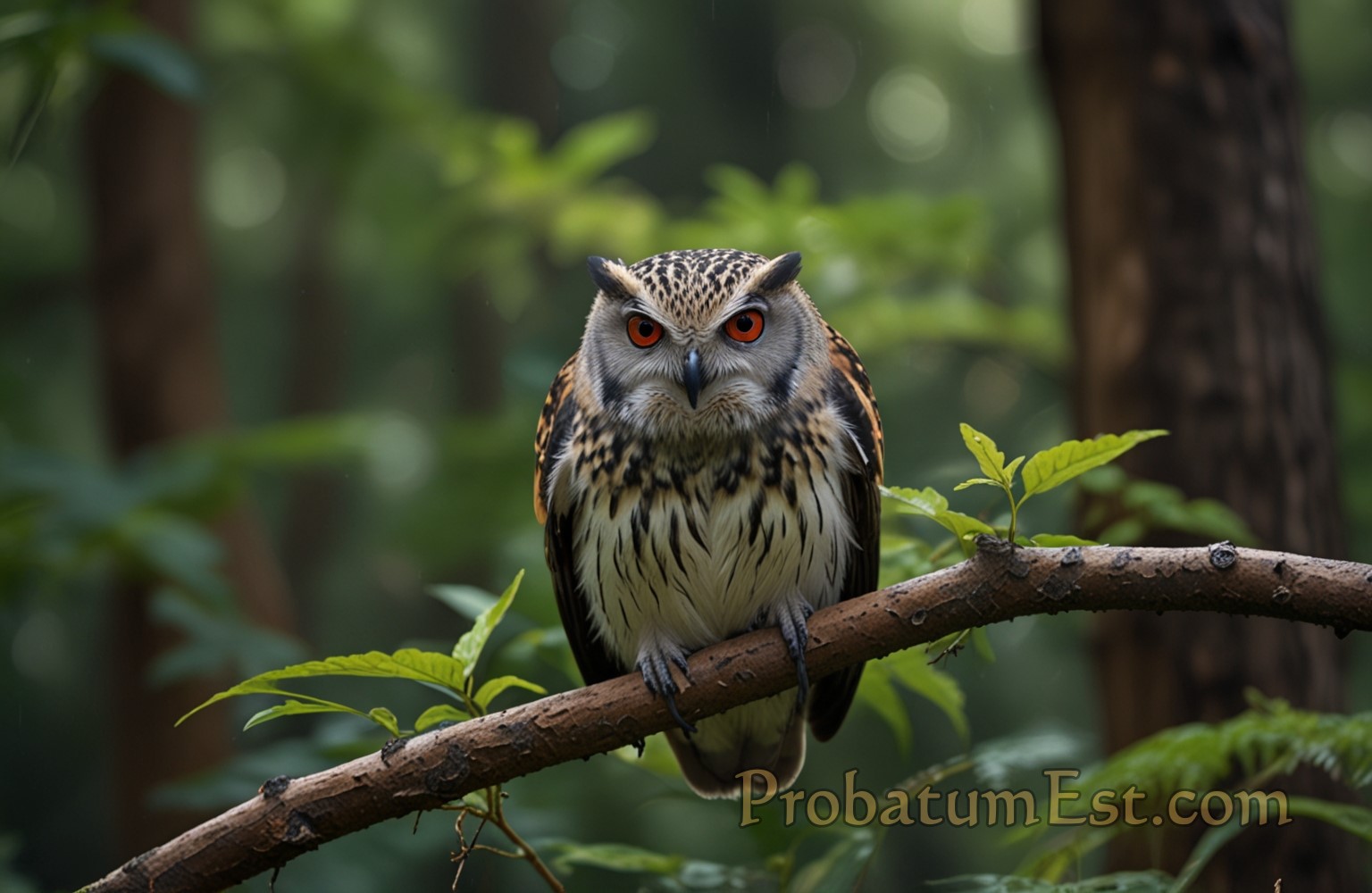
Forests are among the most vital ecosystems on our planet, covering approximately 31% of Earth’s land area. They are complex biomes that harbor a diversity of life and provide essential ecosystem services that support both natural systems and human communities. This article delves deeply into the world of forests, exploring their types, structure, ecological role,… …read more
-
Ecological Footprint
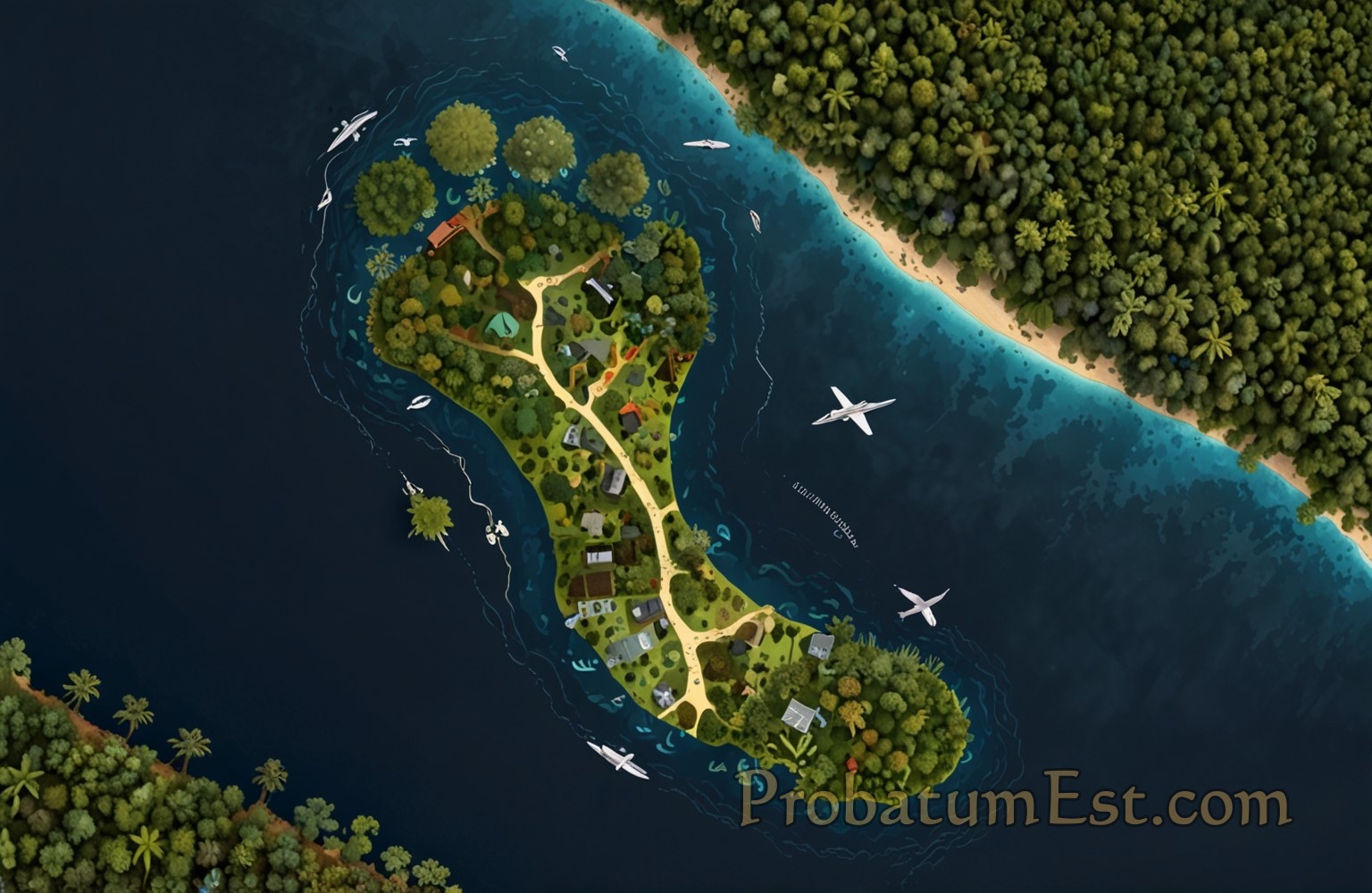
In an era of rapid industrialization, urbanization, and global population growth, the concept of sustainable living is more critical than ever. Among the various metrics developed to assess human impact on the environment, the “Ecological Footprint” stands out as a significant indicator. This article delves deeply into the facets of the ecological footprint, exploring its… …read more
-
Ecology – Science of Interactions
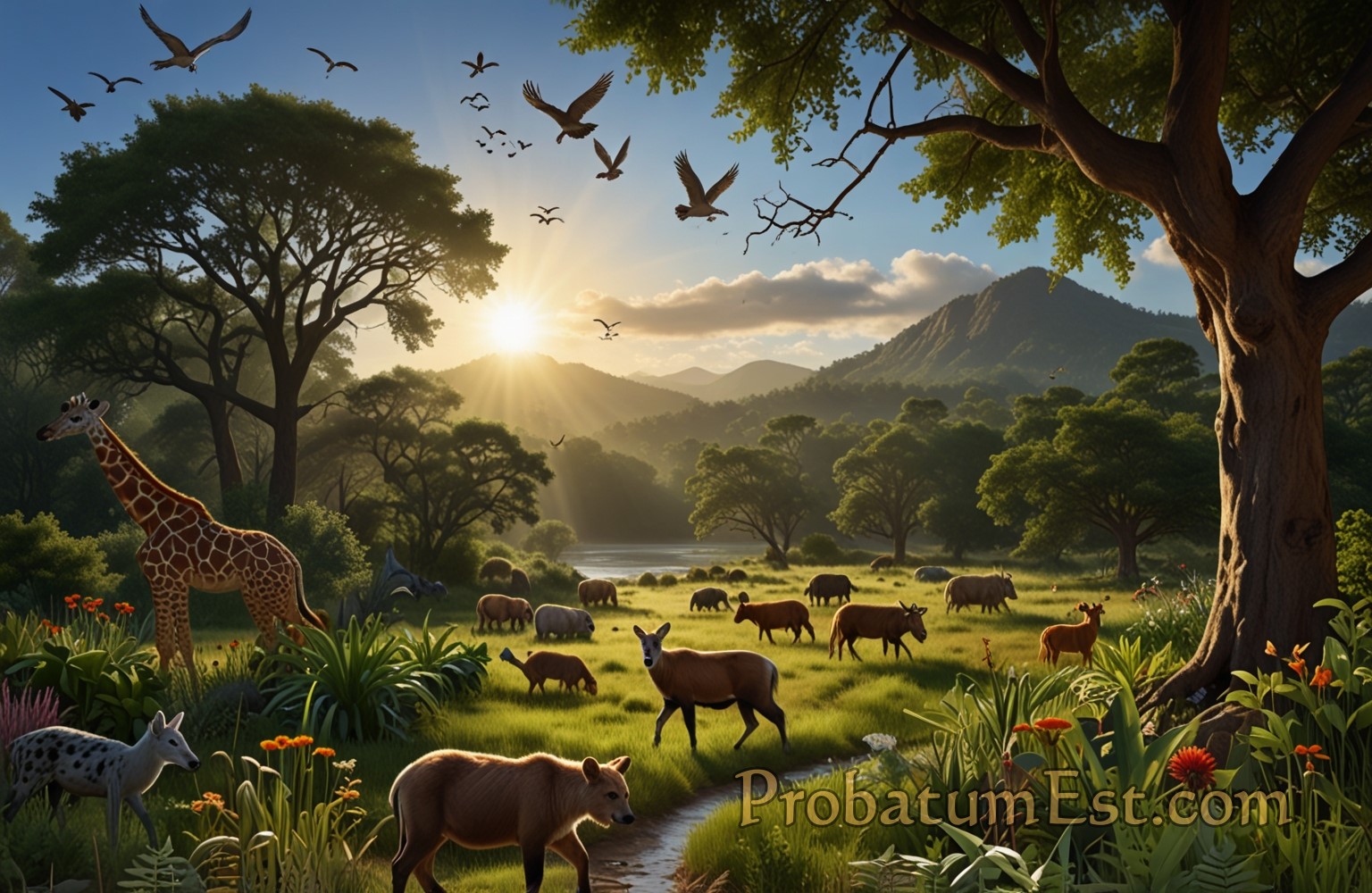
Ecology, a pivotal branch of the life sciences, explores the intricate networks connecting living organisms with their environments. This scientific discipline is foundational in comprehending the interactions that sustain biodiversity and influence the distribution and abundance of life forms on Earth. In this comprehensive exploration, we will delve into the core concepts, key sub-disciplines, historical… …read more
-
Food Web – Complex Network of Energy Transfer in Ecosystems
In the intricate tapestry of life that forms our planet, one of the most fascinating and complex interactions is the “food web.” This concept transcends the linear progression of a food chain by illustrating a network of interconnected food chains, showcasing the myriad paths through which energy and nutrients circulate within an ecosystem. Understanding food… …read more
-
Food Chain – Sequence of Organisms that Feed on Each Other
The concept of the Food Chain is fundamental to understanding the flow of energy and nutrients through ecosystems. It represents a linear sequence of organisms, each dependent on the next as a source of food. While this model offers a simplified version of nature’s complexity, it remains integral to ecological studies, shedding light on biological… …read more
-
Energy Flow in Ecosystems – Deep Dive into Biological Food Chains
Energy Flow is a fundamental concept in ecology, describing the transfer of energy from one part of an ecosystem to another. This continuous movement of energy is critical for the survival of organisms, maintaining ecosystems and supporting biodiversity. In this comprehensive analysis, we will explore the intricate dynamics of energy flow through biological food chains,… …read more
-
Tectonic Plates – Earth’s Shifting Foundation
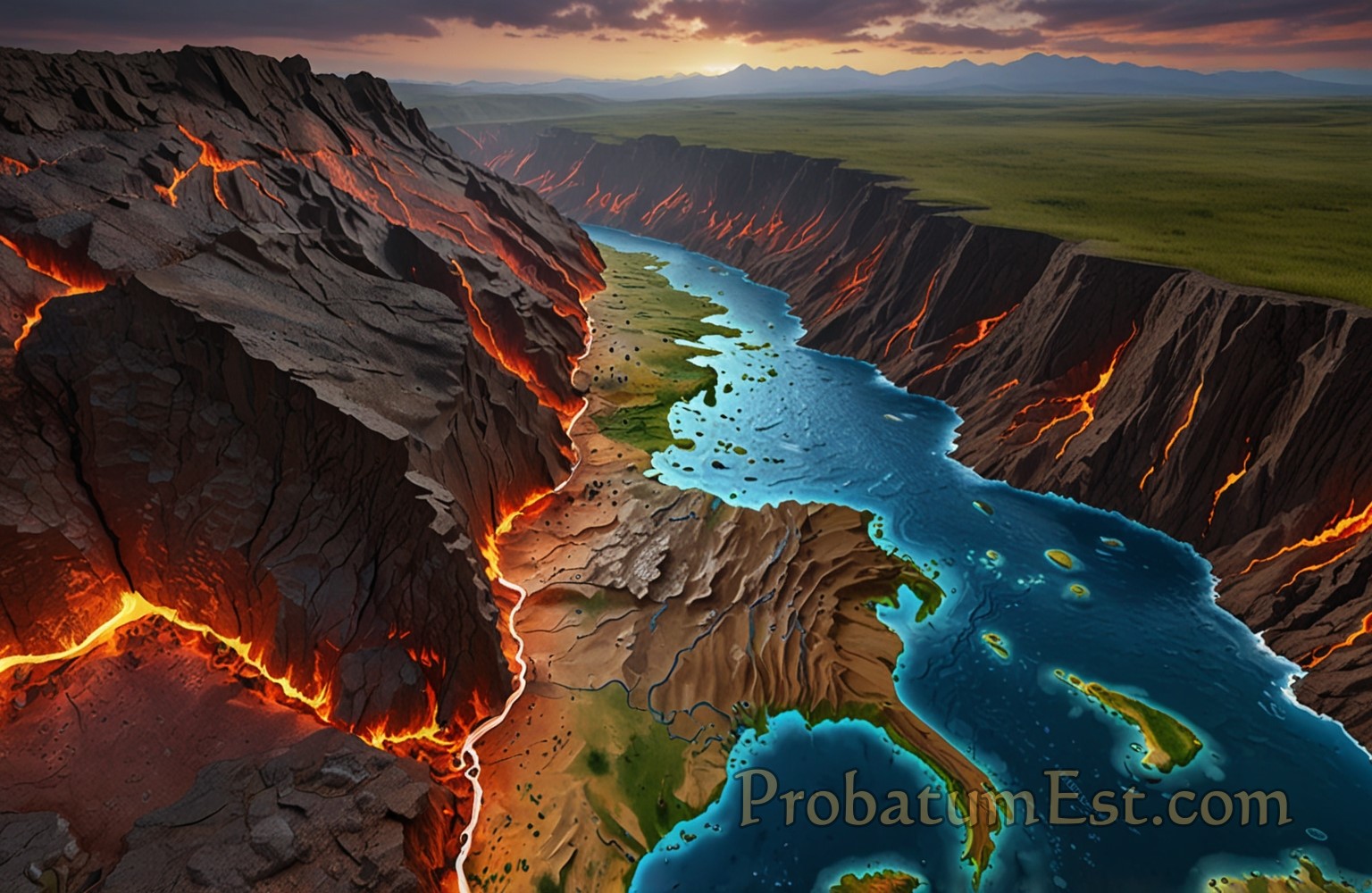
The surface of the Earth, while seemingly stable and solid, is in a constant state of flux. This is due to the planet’s outer shell, known as the lithosphere, which is divided into massive slabs of rock called Tectonic Plates. These plates not only shape the Earth’s landscape but also drive volcanic activity, earthquakes, and… …read more
-
Earth’s Axial Tilt – Its Significance and Impact
Earth’s Axial Tilt is one of the most intriguing and fundamentally important aspects of our planet, affecting everything from the changing seasons to the development of human civilizations. Also known as obliquity, Earth’s axial tilt is the angle between the planet’s rotational axis and its orbital plane. Currently, this angle is approximately 23.5 degrees, and… …read more
-
Cultural Heritage
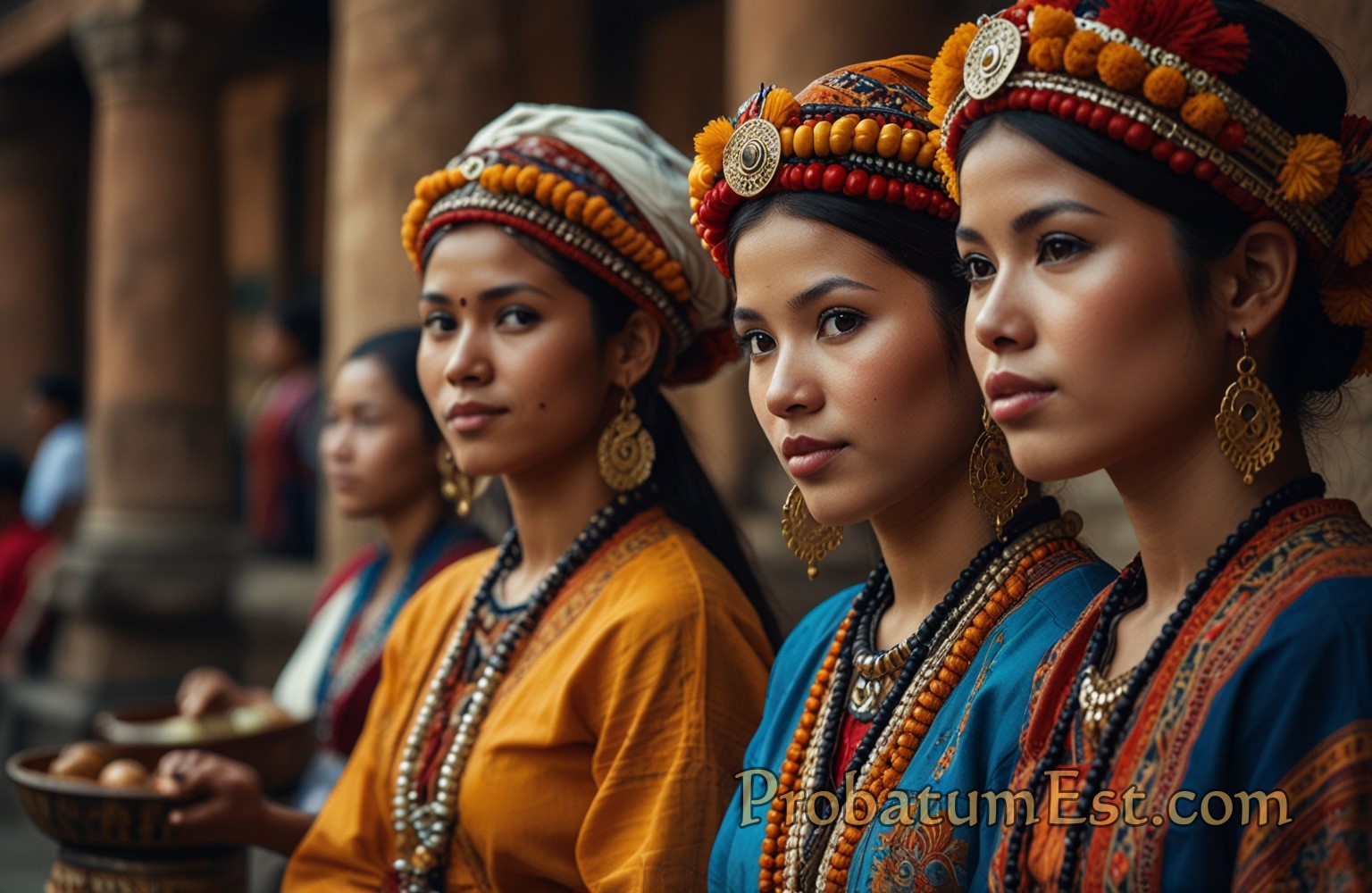
Cultural Heritage encompasses the traditions, customs, narratives, artifacts, and sites inherited from previous generations. It plays a pivotal role in shaping the identity and continuity of communities and individuals. Cultural heritage offers a framework through which we understand history, interpret societal norms, and appreciate the diversity of human expression. As a dynamic component of society,… …read more