Tag: Cultural Heritage
-
Forests
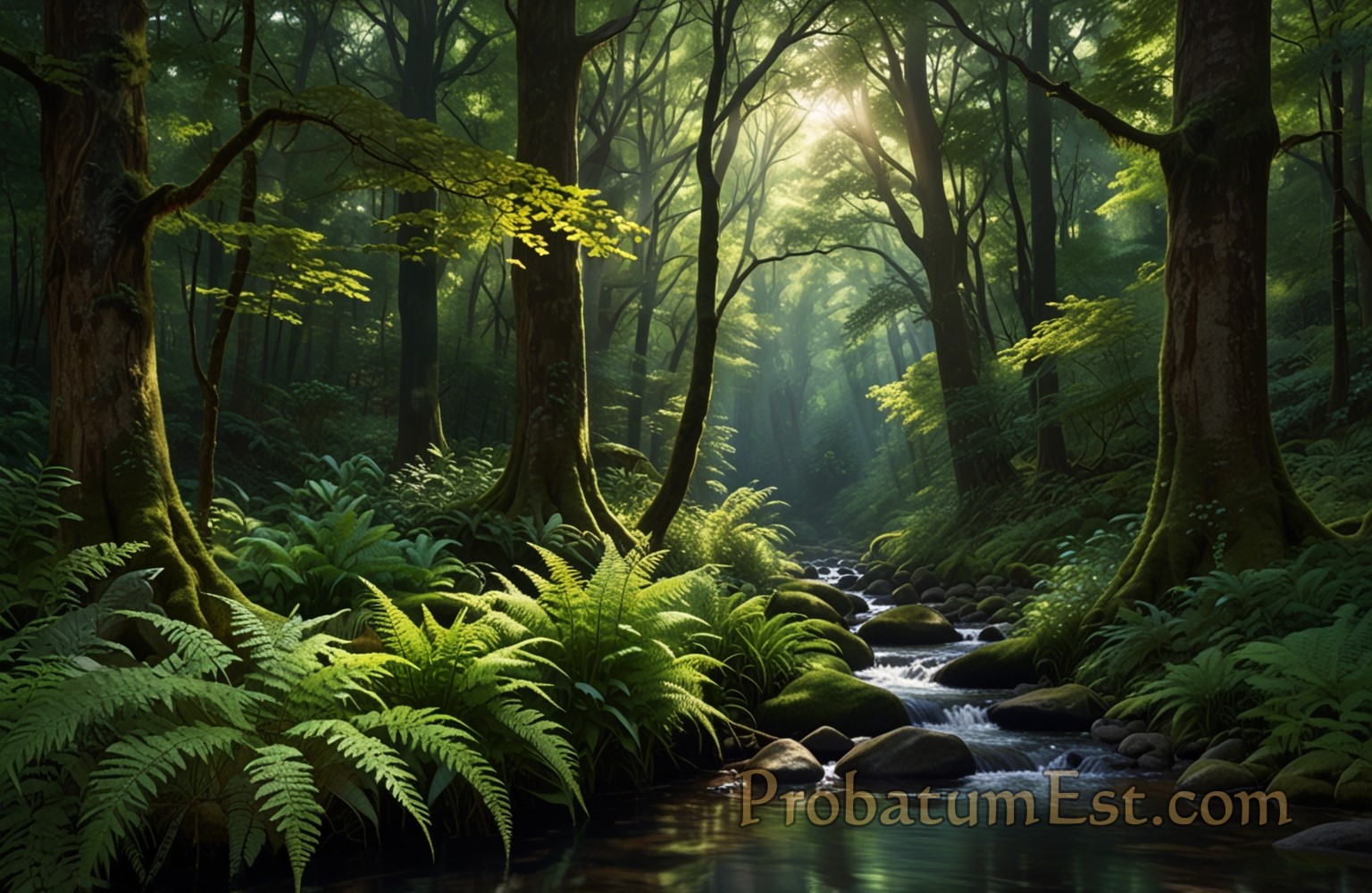
Forests are among the most vital ecosystems on our planet, covering approximately 31% of Earth’s land area. They are complex biomes that harbor a diversity of life and provide essential ecosystem services that support both natural systems and human communities. This article delves deeply into the world of forests, exploring their types, structure, ecological role,… …read more

-
Cultural Heritage
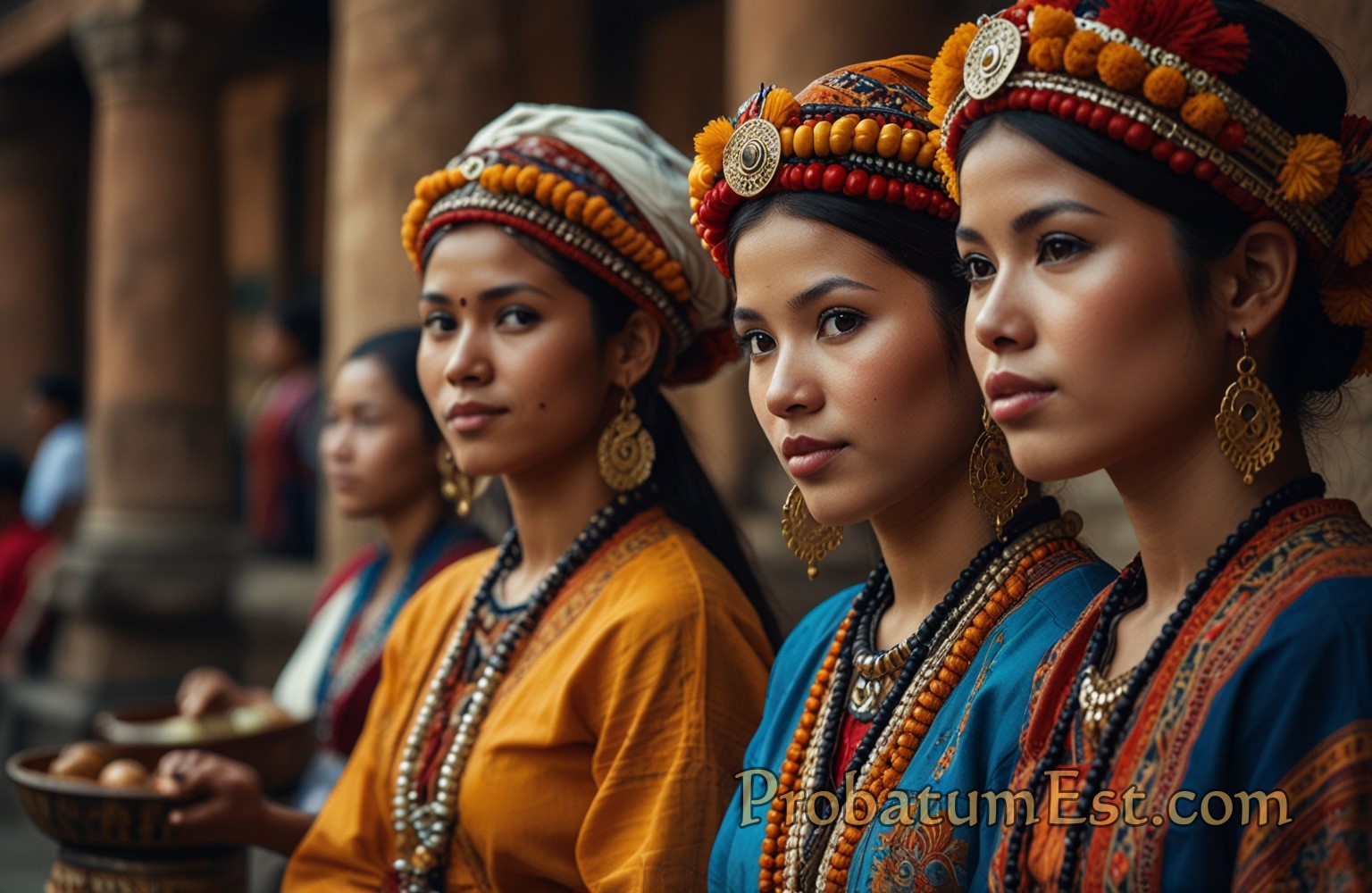
Cultural Heritage encompasses the traditions, customs, narratives, artifacts, and sites inherited from previous generations. It plays a pivotal role in shaping the identity and continuity of communities and individuals. Cultural heritage offers a framework through which we understand history, interpret societal norms, and appreciate the diversity of human expression. As a dynamic component of society,… …read more
-
Deserts
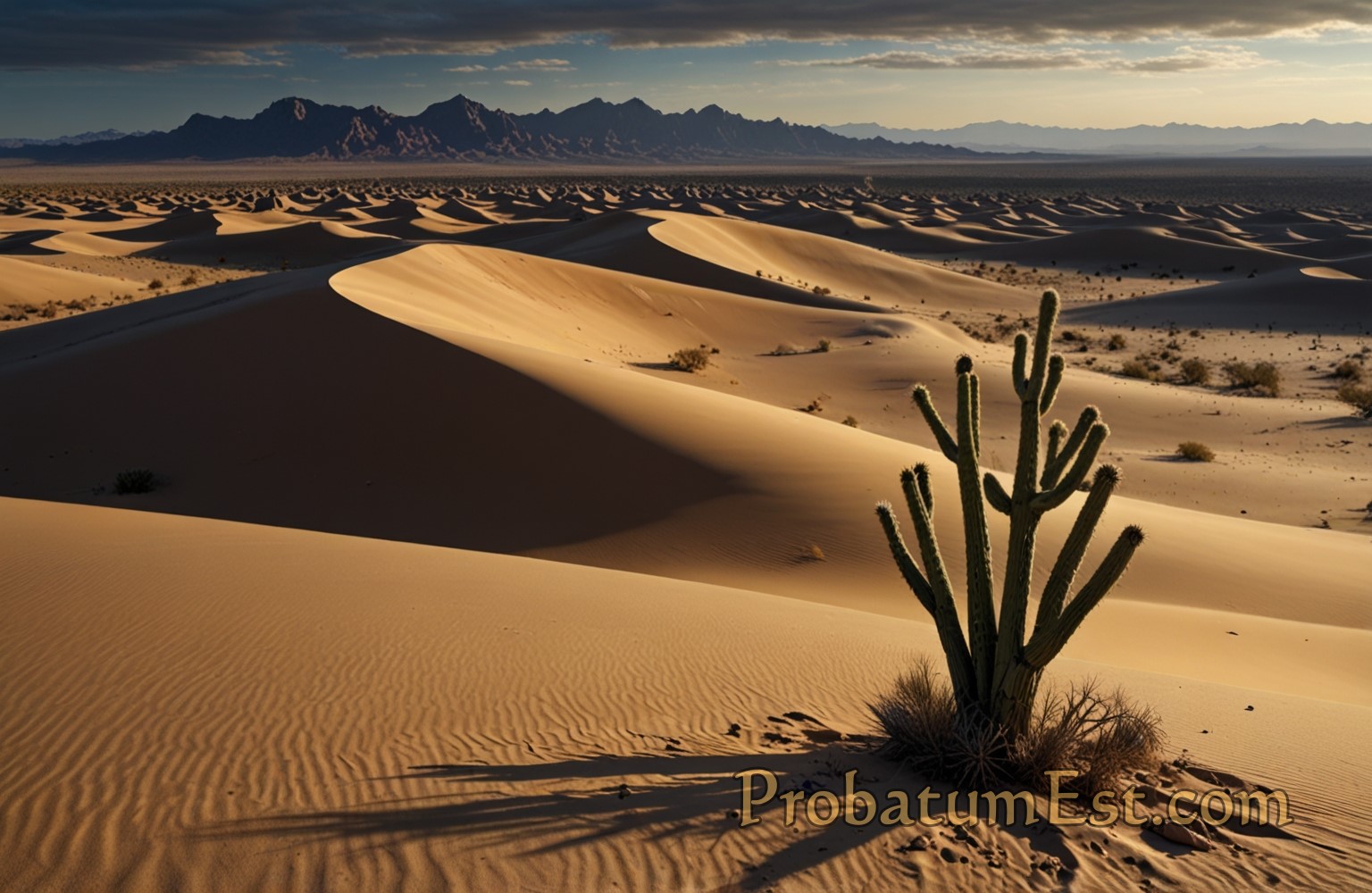
Deserts are among the Earth‘s most intriguing and varied biomes. These arid landscapes cover about one-third of the Earth’s surface and are characterized by their limited precipitation, extreme temperatures, and unique ecosystems. Despite their harsh conditions, deserts are teeming with life and possess a wealth of natural beauty and ecological intricacy. 1. Characteristics of Deserts… …read more
-
Continents – Geographical Regions of the Earth
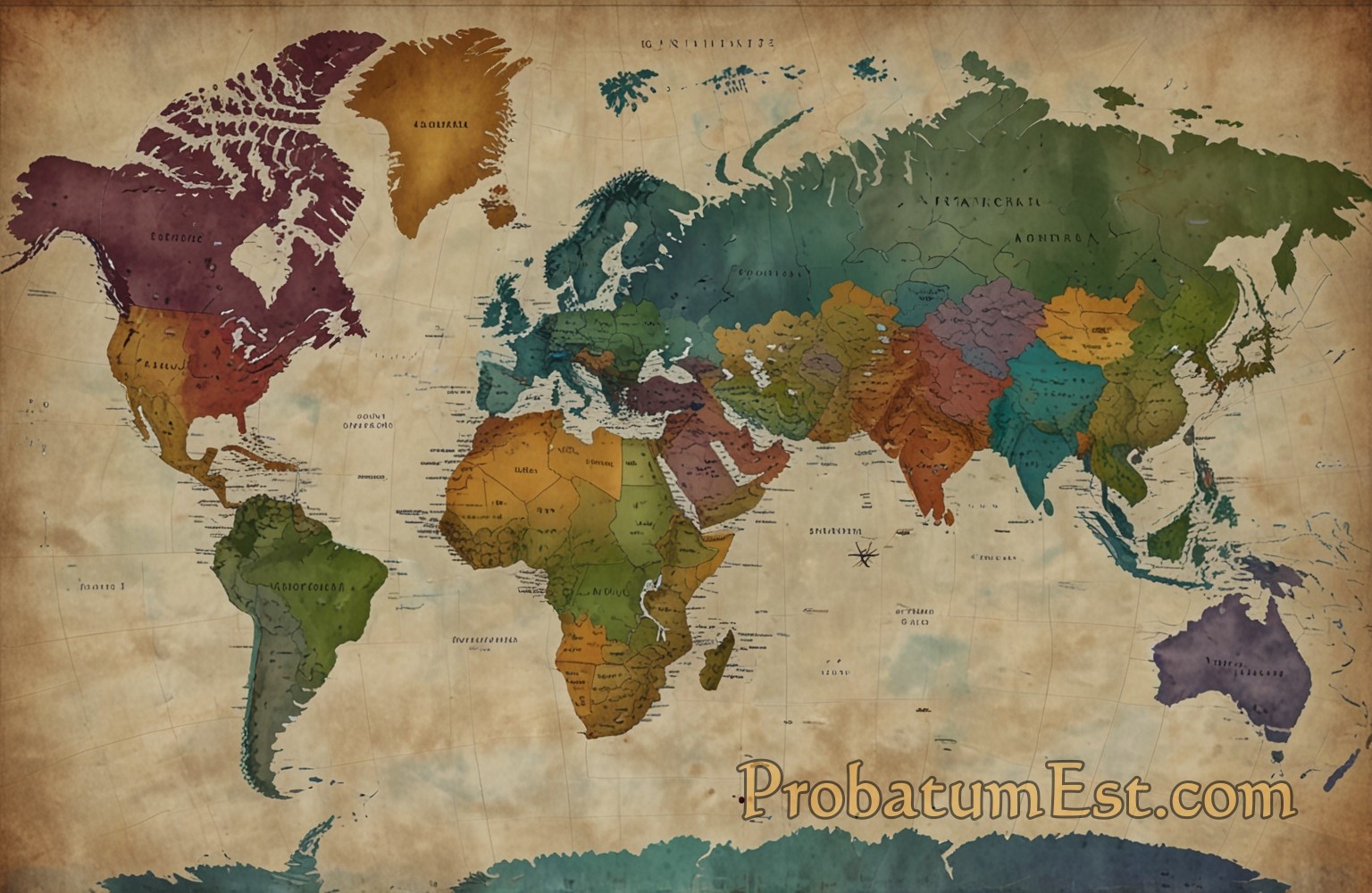
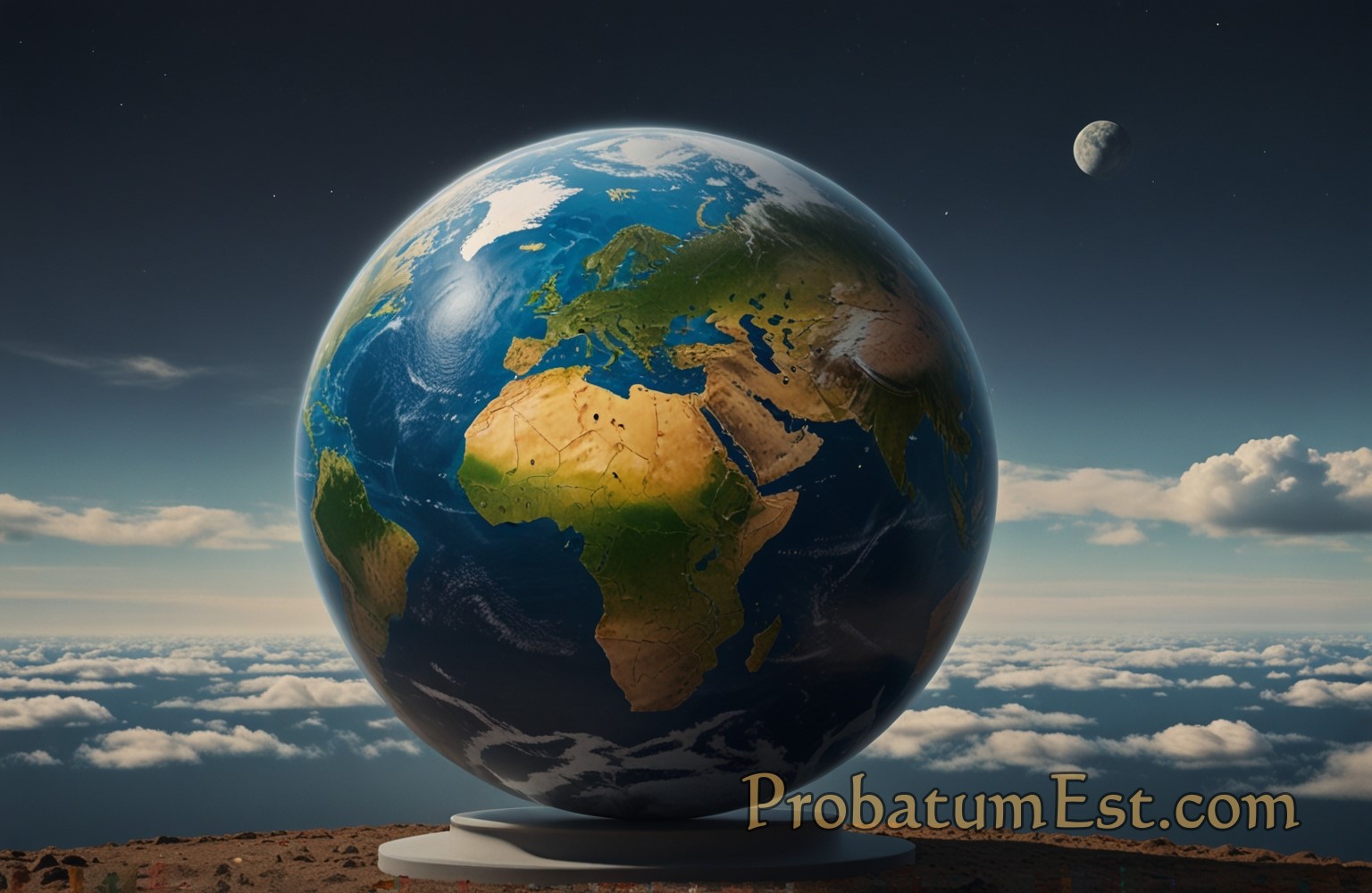
The concept of continents is a fundamental component in the discipline of geography, serving as a foundational pillar in the understanding of our world’s spatial divisions. While the basic idea of continents is familiar to many, the intricacies involved in defining and categorizing them reveal a complex tapestry of geological, cultural, and historical elements. This… …read more
-
Arctic Circle
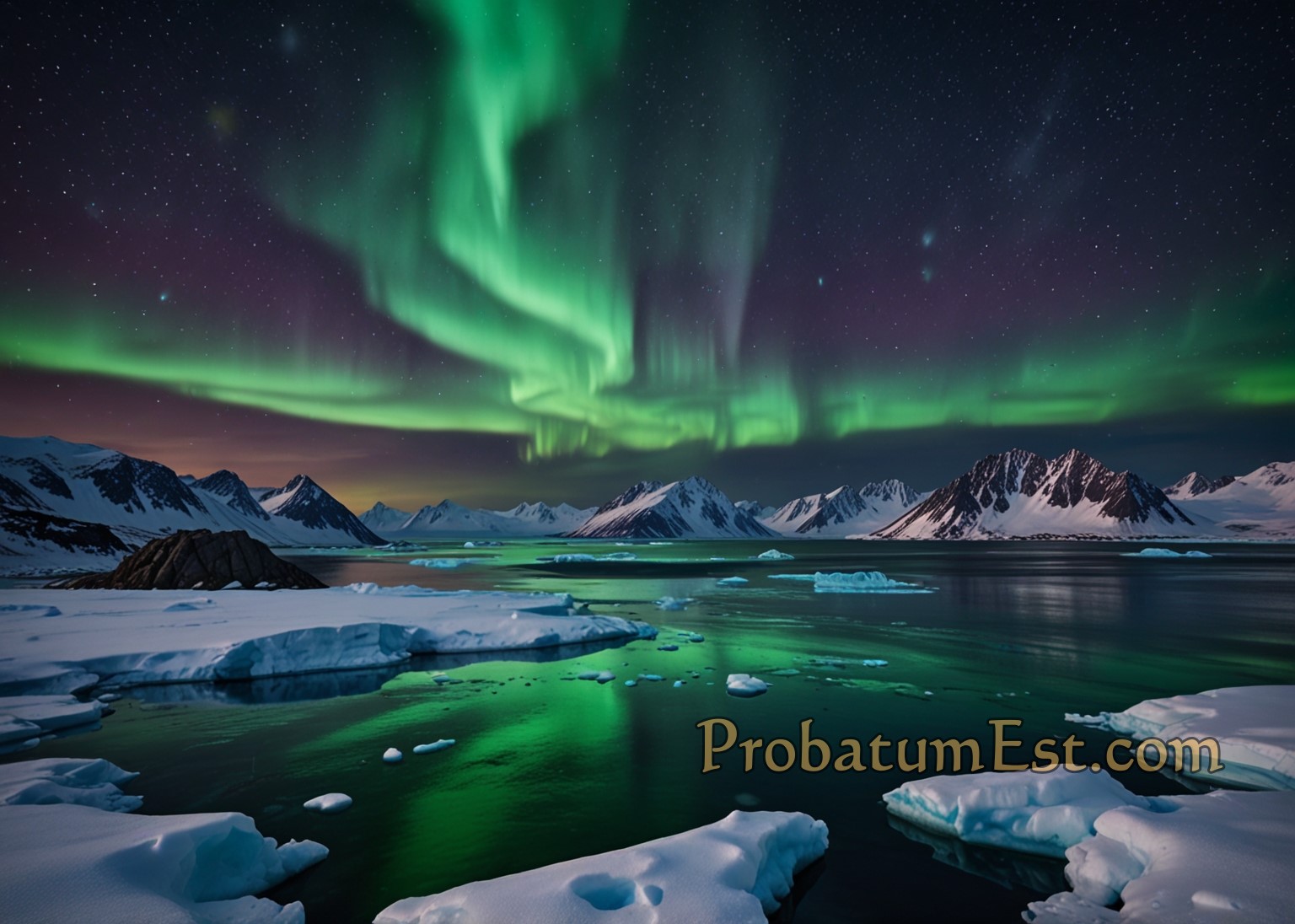
The Arctic Circle is an imaginary line located at latitude 66.5 degrees north of the Equator. It marks the boundary of the Arctic, encompassing the northernmost regions of the Earth. This article delves into the multifaceted aspects of the Arctic Circle, exploring its geographical, environmental, social, and political dimensions. Geographical Boundaries and Climatic Conditions Geographical… …read more

-
Boreal Forest
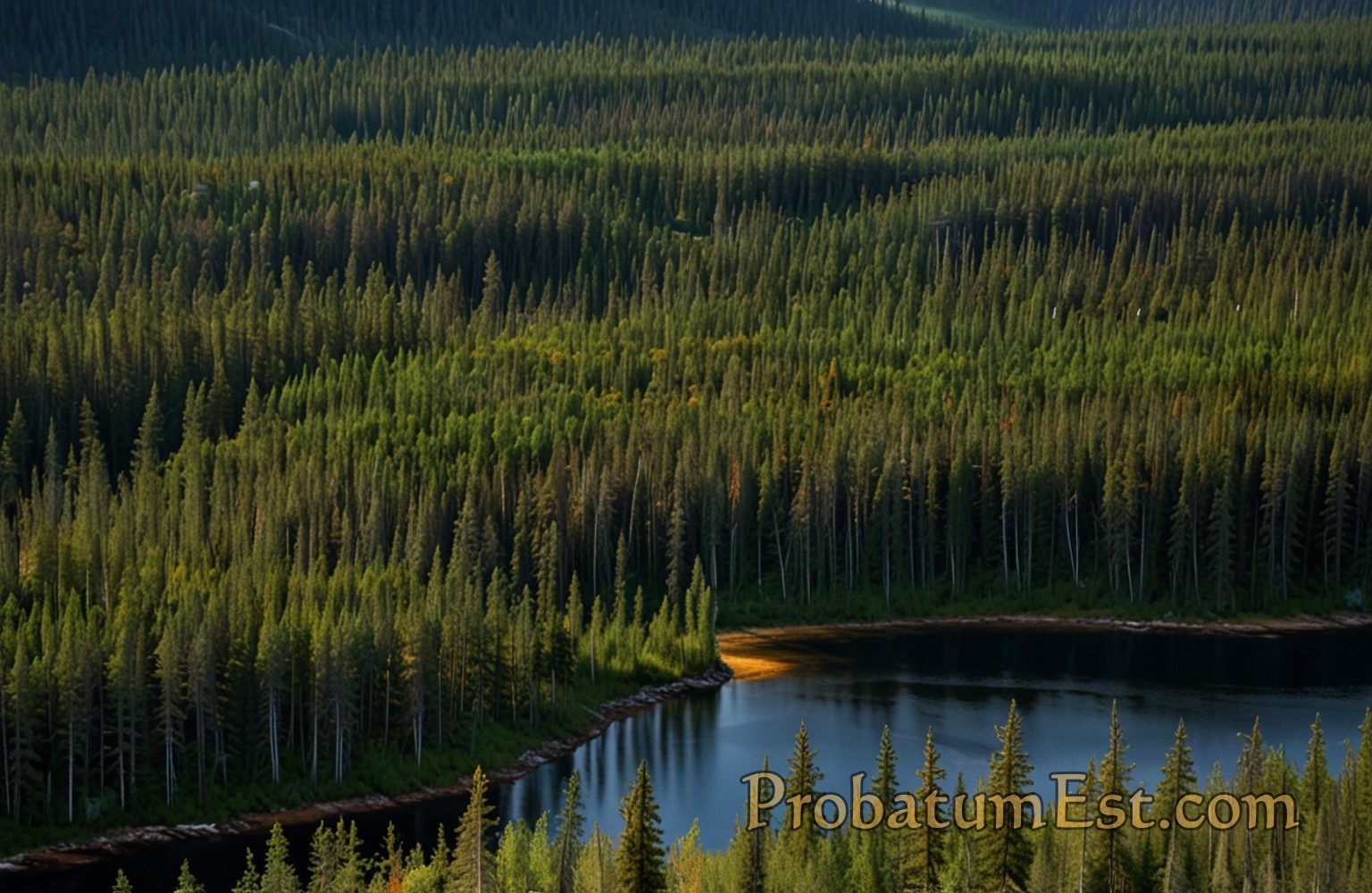
The Boreal Forest, also known as Taiga, is one of the planet’s largest biomes, forming a nearly continuous belt around the Earth just below the Arctic Circle. It spans across North America, Europe, and Asia, covering vast areas in countries like Canada, Russia, Finland, and Sweden. This forest is not only a critical ecosystem supporting… …read more
-
Equator – A Line that Divides, Yet Unites
The Equator stands as one of the most significant imaginary lines on Earth. Though invisible, it has tangible impacts on climate, culture, biodiversity, navigation, and science. This article delves deep into the significance of the Equator, its geographical importance, its climatic influence, and its cultural and scientific roles. Geographical Significance Definition and Location The Equator… …read more