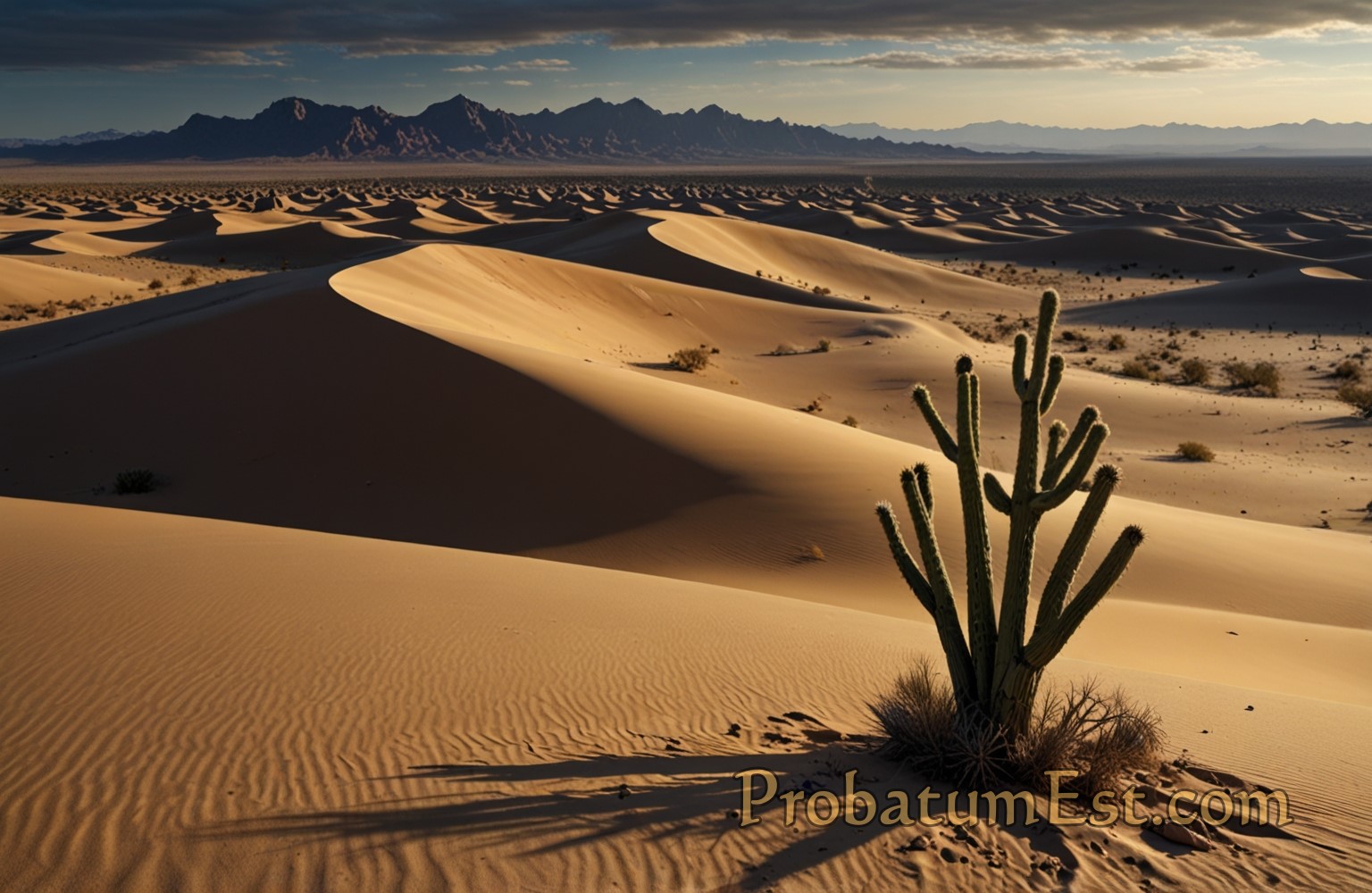
Deserts are among the Earth‘s most intriguing and varied biomes. These arid landscapes cover about one-third of the Earth’s surface and are characterized by their limited precipitation, extreme temperatures, and unique ecosystems. Despite their harsh conditions, deserts are teeming with life and possess a wealth of natural beauty and ecological intricacy.
1. Characteristics of Deserts
Climate
Deserts are defined primarily by their precipitation levels, receiving less than 250 millimeters (10 inches) of rain per year. This scarcity of water plays a pivotal role in shaping the landscape and life forms in these regions. Deserts often experience extreme temperature fluctuations. By day, temperatures can soar to over 50°C (122°F), while at night, they can drop to freezing levels.
Types of Deserts
Deserts can be categorized into four main types:
- Hot and Dry Deserts: Known for their high temperatures and minimal rainfall. Examples include the Sahara and the Arabian Desert.
- Cold Deserts: These have cold winters with snowfall and more moderate summers. Examples include the Gobi Desert and parts of Antarctica.
- Coastal Deserts: Characterized by cool winters and warm summers, often with fog. Examples include the Atacama in Chile and the Namib in Africa.
- Semiarid Deserts: Possessing slightly more rainfall compared to other deserts, such as the sagebrush deserts of Utah.
2. Adaptations and Biodiversity
Flora
Desert vegetation has evolved remarkable adaptations to survive in water-limited environments. Key adaptations include:
- Xerophytes: Plants like cacti and succulents that store water in their tissues.
- Phreatophytes: Deep-rooted plants that access groundwater, like mesquite trees.
- Ephemeral Plants: These are short-lived plants that quickly take advantage of rare moisture events to grow, flower, and seed.
Fauna
Desert animals display extraordinary adaptations to withstand the desert’s challenges:
- Reptiles: Many, like the desert tortoise, are well-suited to arid conditions due to their ability to excrete very concentrated urine, minimizing water loss.
- Mammals: Nocturnal behavior in animals like the fennec fox helps conserve water and regulates temperature. They often have adapted body parts to aid this, like large ears for heat dissipation.
- Insects: Many insects, such as the Namib Desert beetle, have adaptations to harvest moisture from the fog.
3. Ecosystems and their Dynamics
Despite the inhospitable conditions, desert ecosystems are vibrant and complex:
- Food Chains and Webs: Primary producers like cacti and shrubs support herbivores, which in turn are preyed upon by an interconnected network of carnivores and scavengers.
- Nutrient Cycles: Due to limited precipitation, nutrient cycling in deserts is slow. Cryptobiotic crusts (community of cyanobacteria, mosses, and lichens) play a crucial role in stabilizing the soil and aiding water retention.
- Symbiotic Relationships: Mutualistic relationships, such as those between certain cacti and pollinating bats, are vital for survival.
4. Human Impact and Conservation
Historical and Cultural Significance
Deserts have vast cultural and historical importance. Ancient civilizations, like the Egyptians and the Incas, thrived in desert environments, developing innovative methods of irrigation and construction. Deserts continue to be significant in modern times, home to indigenous cultures who deeply understand their landscapes.
Environmental Impact
Human activities such as mining, tourism, and urban development have profound impacts on desert ecosystems.
- Desertification: Often exacerbated by overgrazing and deforestation, desertification leads to the degradation of once fertile land into arid desert.
- Pollution and Resource Extraction: Mining can destabilize ecosystems, leading to pollution that affects both flora and fauna.
Conservation Efforts
Efforts to conserve desert landscapes are increasingly important to preserve their ecological and cultural value. Strategies include:
- Protected Areas: Establishing national parks and reserves to protect from exploitation, such as the Joshua Tree National Park.
- Sustainable Practices: Promoting responsible tourism and land-use practices.
- Restoration Projects: Initiatives like the “Great Green Wall” aim to combat desertification and restore degraded land.
5. Future of Deserts
With the multitude of looming threats, desert biomes face unpredictable futures. Potential impacts include changes in precipitation patterns, increased desertification, and shifts in biodiversity. On the other side, deserts might become pivotal in the quest for sustainable energy, with expansive solar farms harnessing the abundant sunlight.
Conclusion
Deserts are realms of stark beauty and profound ecological importance. While they may seem barren to the untrained eye, they host remarkably diverse life forms, all finely tuned to survive in extreme conditions. Safeguarding desert ecosystems ensures the preservation of biodiversity, cultural heritage, and opportunities for future generations to learn from and cherish these extraordinary landscapes.




Leave a Reply