Tag: Formal Science
-
The Cell Nucleus – Structure, Function, and Significance
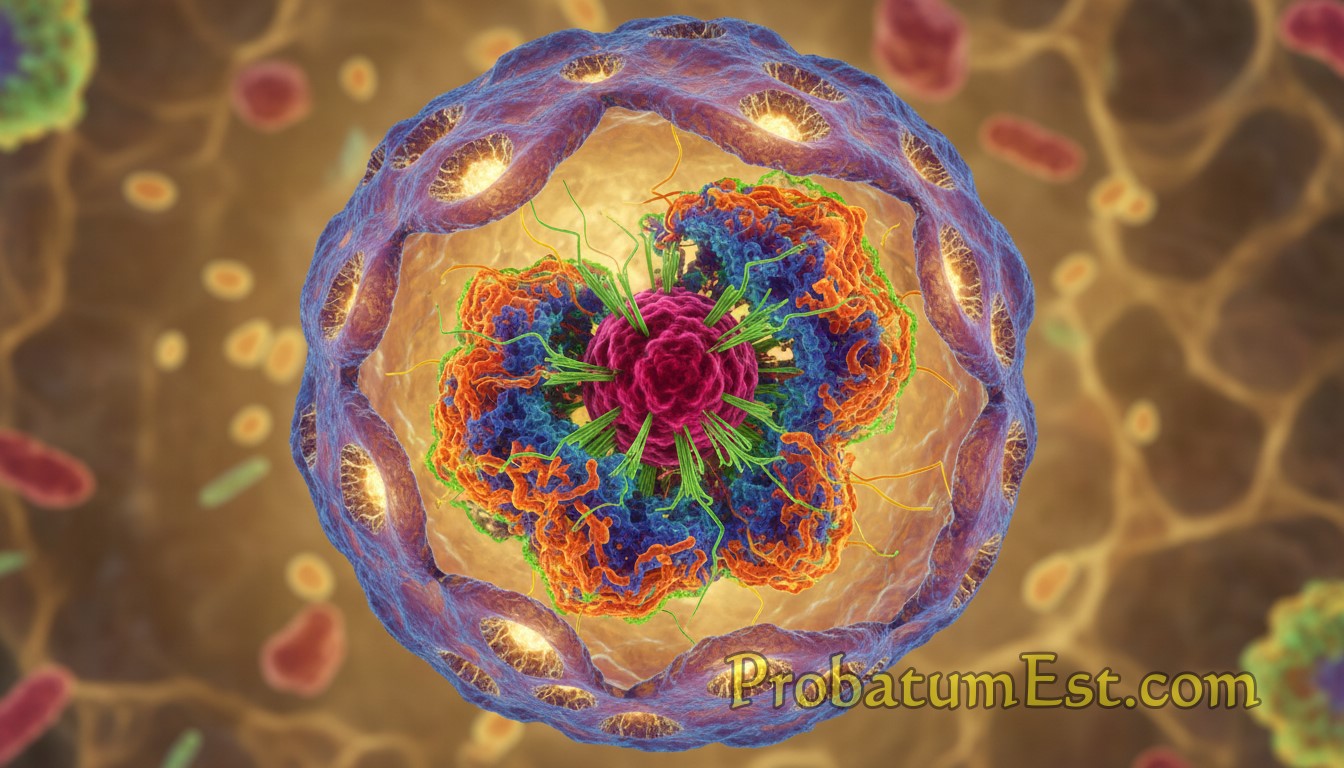
The cell nucleus is a defining feature of most eukaryotic cells, serving as the command center where the genetic code is stored and processed. First described in 1831 by botanist Robert Brown, the nucleus derives its name from the Latin word for “kernel” or “nut,” underscoring its central importance to cell function. Today, our understanding… …read more

-
Cell – Understanding the Fundamental Unit of Life
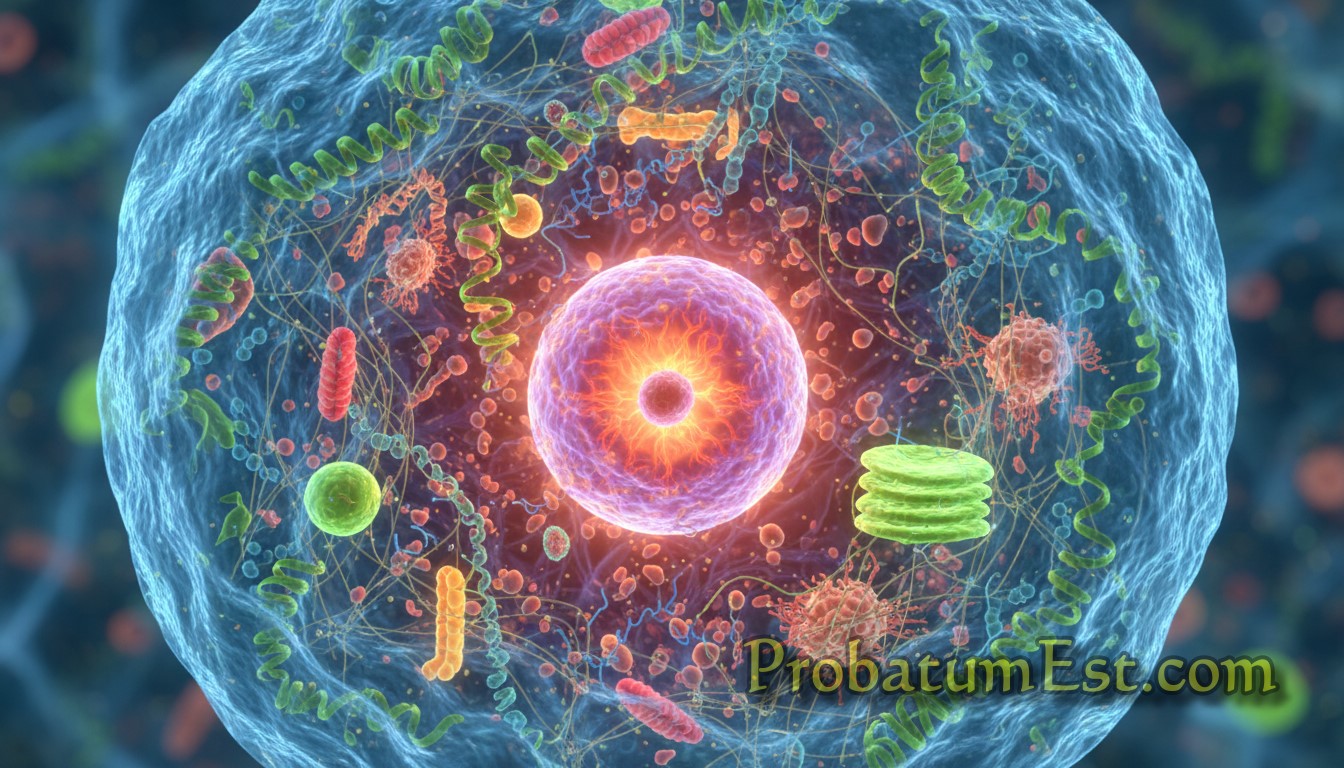
Cells are the smallest living units that compose all known organisms – microcosms of life on which entire biological structures are built. Whether one looks at the tissues in the human body, the roots and leaves of plants, or the myriad unseen organisms in aquatic environments, every form of life depends on cells. This article… …read more
-
Bacteria – Small in Size, Big in Numbers
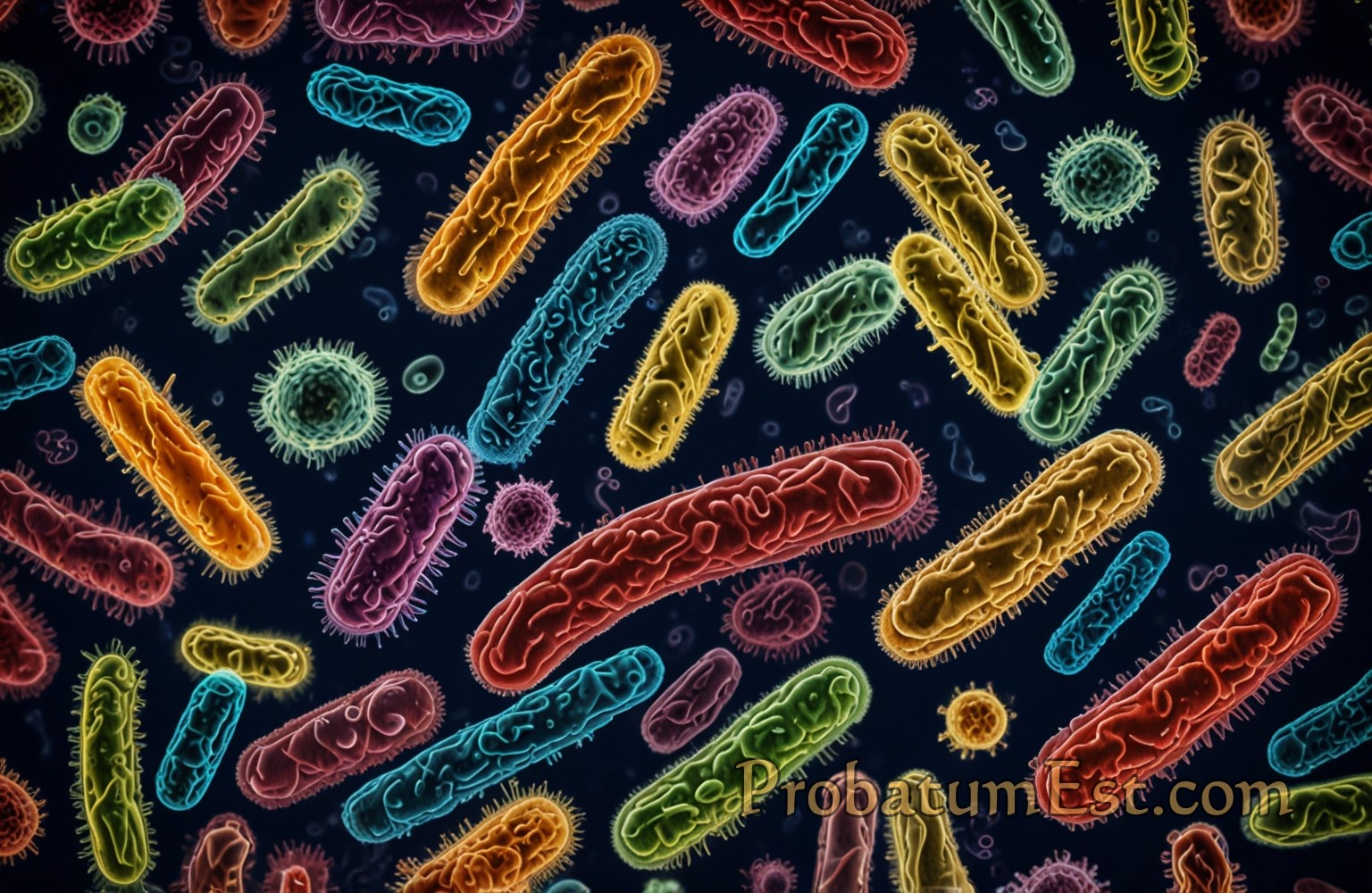
Bacteria are among the most diverse, abundant, and resilient organisms on Earth. They inhabit nearly every environment, ranging from soil and freshwater habitats to the depths of the ocean, as well as living within and on other organisms. Even though they are microscopic, bacteria play indispensable roles in ecosystems, industry, and human health. Below is… …read more

-
Physical Science
Physical Science represents one of the fundamental branches of natural science. It principally focuses on the study of non-living systems, as opposed to life sciences, which are concerned with living systems. Physical science encompasses a broad array of fields, including physics, chemistry, astronomy, and earth sciences. These disciplines seek to understand the nature and properties… …read more
-
Microorganisms – Hidden Backbone of Life on Earth
Microorganisms are the unsung heroes of our ecosystem, playing a profound role in shaping the environment, maintaining the health of higher organisms, and driving biogeochemical cycles. Comprising a vast diversity of life forms, microorganisms are characterized by their microscopic size and include bacteria, archaea, fungi, algae, and protozoa. This article delves deep into their fascinating… …read more
-
Microbiology
Microbiology is the scientific study of microorganisms, a diverse group of microscopic entities that include bacteria, fungi, algae, protozoa, and archaea. Despite their minute size, microorganisms play a significant role in the biological processes essential for life on Earth. From their crucial function in ecosystem sustainability and biotechnology to their role in human health and… …read more
-
Life Science
Life Science is a critical branch of natural science that delves into the study of living organisms and life processes. As a scientific discipline, it seeks to unravel the complexities of life, from the simplest microorganisms to the intricate processes governing plant and animal systems, including human beings. This comprehensive article aims to explore life… …read more
-
Branches of Science
Science, an organized system of knowledge covering general truths or the operation of general laws especially as obtained and tested through the scientific method, is an ever-expanding frontier. At its core, science is a quest for understanding the universe‘s myriad phenomena. This quest is compartmentalized into various fields or branches, each focusing on specific aspects… …read more