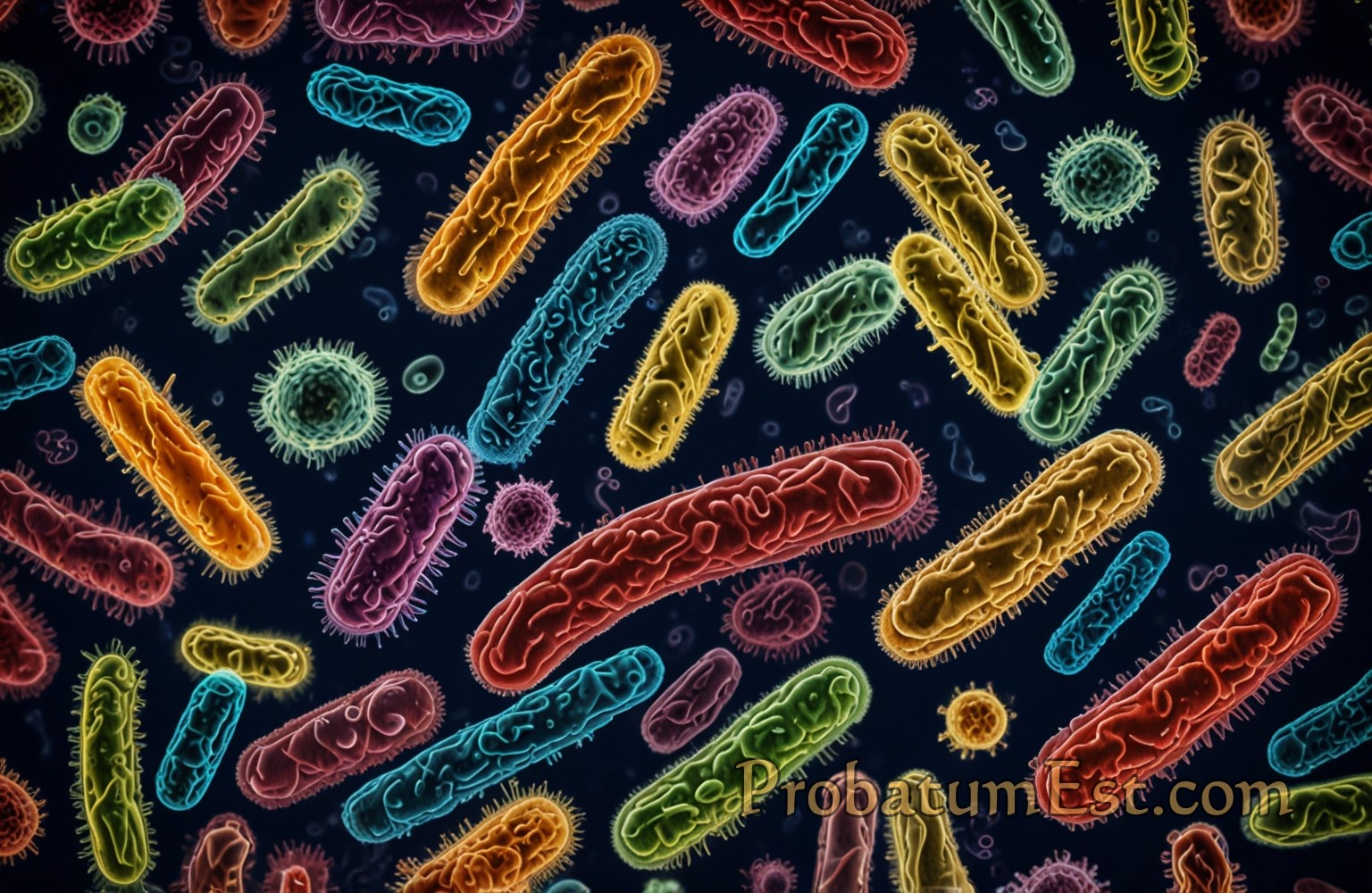
Bacteria are among the most diverse, abundant, and resilient organisms on Earth. They inhabit nearly every environment, ranging from soil and freshwater habitats to the depths of the ocean, as well as living within and on other organisms. Even though they are microscopic, bacteria play indispensable roles in ecosystems, industry, and human health. Below is a detailed look at their biology, encompassing their classification, structure, growth, metabolism, ecological importance, and relevance to medicine and biotechnology.
1. General Overview and Classification
Bacteria belong to one of the primary domains of life, distinct from Archaea and Eukarya. They are generally single-celled, prokaryotic organisms. “Prokaryotic” refers to cells that lack a membrane-bound nucleus and any other membrane-bound organelles. While classification systems have shifted to reflect new molecular findings, bacteria are traditionally identified and grouped by various criteria — most notably their shape, arrangement, and response to Gram staining:
- Shape and Arrangement: Common bacterial shapes include spherical forms (cocci), rod-shaped cells (bacilli), spiral or helical cells (spirilla/spirochetes), and comma-shaped cells (vibrios). These can occur in specific arrangements, such as pairs (diplococci), chains (streptococci), or clusters (staphylococci).
- Cell Wall and Gram Staining: One of the most widely used bacterial classification methods is the Gram stain, which differentiates bacteria based on the composition of their cell walls. Gram-positive bacteria have a thick peptidoglycan layer that retains the crystal violet stain, appearing purple under the microscope. Gram-negative bacteria have a thinner peptidoglycan layer and an additional outer membrane, causing them to appear pink after the staining process.
2. Cellular Structure
Although relatively simple in comparison to eukaryotic cells, bacterial cells possess several important structures that enable them to survive in a vast range of environments:
- Cell Envelope: Most bacteria have a cell wall composed primarily of peptidoglycan (though the thickness varies between Gram-positive and Gram-negative species). This cell wall provides rigidity, shape, and protection. In some bacteria, an external capsule or slime layer composed of polysaccharides offers further protection and aids in attachment to surfaces.
- Cytoplasm: The cytoplasm contains ribosomes for protein synthesis, dissolved nutrients, and various enzymes.
- Nucleoid: Instead of a membrane-bound nucleus, bacteria typically have a single, circular chromosome concentrated in a region known as the nucleoid.
- Plasmids: Many bacteria carry small, circular DNA molecules called plasmids, which often bear genes that can confer specialized traits, such as resistance to certain antibiotics.
- Flagella and Pili: Some bacteria have whip-like structures called flagella that enable motility. Pili (or fimbriae) are shorter, hair-like structures that help in adhesion to surfaces and, in certain cases, facilitate genetic exchange between bacterial cells.
3. Growth and Reproduction
Bacterial cells typically reproduce asexually through a process called binary fission:
- Binary Fission: The single chromosome within the cell replicates, and then the cell elongates. A dividing wall called the septum forms between the two DNA copies, eventually splitting the bacterium into two identical daughter cells.
- Growth Phases in Culture: When bacteria are grown in a lab culture, population growth often follows a predictable sequence:
- Lag Phase: Cells adapt to their environment and prepare for active division.
- Log (Exponential) Phase: Cells divide rapidly and population size increases exponentially.
- Stationary Phase: Growth rate slows as nutrients become limited and waste products accumulate.
- Death Phase: Nutrient depletion and toxic byproducts eventually cause cells to die at an increased rate.
- Horizontal Gene Transfer: Beyond binary fission, bacteria can share genetic material among themselves by certain mechanisms that do not require their complete fusion. One common route is conjugation, where one bacterium transfers genetic material (often plasmids) to another through direct contact. Transformation, another mechanism, involves bacteria taking up DNA fragments from their environment.
4. Metabolism and Nutritional Diversity
Bacteria exhibit an astounding range of metabolic pathways that allow them to occupy ecological niches spanning oxygen-rich surfaces to dark, anaerobic environments deep underground:
- Oxygen Requirements: Aerobic bacteria require oxygen to survive and produce energy. Anaerobic bacteria do not need oxygen, and for some, oxygen can even be toxic. Facultative anaerobes can thrive with or without oxygen, adjusting their metabolic pathways as needed.
- Energy Sources: Some bacteria obtain energy through photosynthesis (referred to as photosynthetic bacteria), while others oxidize inorganic compounds (these are called chemolithotrophic bacteria). Many species are heterotrophic, relying on organic molecules for both energy and carbon.
- Fermentation and Respiration: Depending on the species and environmental conditions, bacteria can generate energy via aerobic respiration, anaerobic respiration using alternative electron acceptors, or fermentation. These diverse metabolic capabilities enable bacteria to decompose a wide variety of substrates.
5. Ecological Roles and Interactions
Bacteria are fundamental players in the cycling of elements and nutrients throughout ecosystems. Their ability to break down or synthesize various compounds directly affects the environment as well as other organisms:
- Decomposition: Many bacteria decompose organic matter, recycling nutrients back into the ecosystem, where they can be used by plants and other organisms.
- Nitrogen Fixation: Certain bacteria can convert atmospheric nitrogen (N₂) into ammonia (NH₃) or ammonium (NH₄⁺), forms of nitrogen that plants can utilize. This process is essential for agricultural soils and many natural ecosystems.
- Symbiotic Relationships: Bacteria often live in close associations with other organisms. For instance, some species form communities within animal digestive systems, helping break down complex carbohydrates and aiding in the absorption of nutrients.
6. Beneficial Uses in Industry and Biotechnology
Humans have harnessed the power of bacteria for various applications, taking advantage of their metabolic and genetic versatility:
- Fermentation in Food Production: Long before their microbial nature was understood, bacteria were used in fermentation processes to produce foods like yogurt, cheese, and sauerkraut. Their fermentative abilities create unique flavors and textures while often preserving the food.
- Bioremediation: Certain bacteria can degrade pollutants, oil spills, and toxic chemicals in the environment. By carefully selecting or engineering bacteria, scientists are able to accelerate the breakdown of contaminants and rehabilitate contaminated sites.
- Bioengineering and Synthesis: Bacterial systems are commonly used as “cellular factories” in research and industry, to produce enzymes, antibiotics, amino acids, or therapeutic compounds. Because bacteria divide quickly and can express foreign genes efficiently, they are ideal hosts for recombinant DNA technology.
7. Pathogenic Bacteria and Human Health
Although many bacteria are neutral or beneficial, some species are pathogenic and can cause disease in humans, animals, or plants:
- Mechanisms of Pathogenicity: Pathogenic bacteria can produce toxins (e.g., exotoxins or endotoxins), often damaging host cells or triggering harmful immune responses. Some bacteria thrive within cells, while others attach to or invade tissues.
- Immune Responses: The human body defends itself against harmful bacteria through both innate mechanisms (e.g., physical barriers such as skin) and adaptive immune responses (e.g., specialized immune cells and antibodies).
8. Antibiotics and Resistance
One of the most significant medical advancements was the discovery and development of antibiotics, chemicals that kill or inhibit bacterial growth:
- Classes of Antibiotics: Different antibiotics work by targeting specific bacterial processes. Some inhibit cell wall synthesis (e.g., beta-lactams), while others affect protein synthesis, DNA replication, or metabolic pathways.
- Resistance Mechanisms: Bacteria can acquire or develop resistance to antibiotics through various strategies, such as modifying the antibiotic’s target, producing enzymes that degrade the antibiotic, or using molecular pumps to expel the compound from the cell. Overuse or misuse of antibiotics in medicine and agriculture has accelerated the spread of resistant strains, making certain bacterial infections harder to treat.
9. Conclusion
Bacteria stand as crucial, multifaceted organisms vital not only to the balance and success of natural ecosystems but also to human technology, industry, and health. From decomposing organic material to fixing nitrogen in the soil, from fueling fermentation processes to offering cellular machinery for biotechnology, bacteria power countless processes that shape the world around us. Simultaneously, they present significant challenges in the form of pathogenic species and antibiotic resistance, driving the need for continued scientific research and careful medical management.
In essence, delving into the biology of bacteria offers a glimpse into a domain that flourishes in nearly every conceivable habitat. Their astonishing ability to adapt metabolically, structurally, and genetically underpins their ubiquitous presence and huge influence across life on Earth. By understanding their roles, structures, and complexities, we can harness their capabilities for innovation and simultaneously address potential threats they may pose.




Leave a Reply