Tag: Herbivore
-
Trophic Levels in Ecosystems
Ecosystems are intricate networks of interactions among living organisms and their physical environment. At the heart of ecological studies is the concept of food chains and food webs, which illustrate the flow of energy and nutrients through these networks. Trophic Levels are fundamental to understanding these processes, representing the hierarchical levels within an ecosystem, based… …read more

-
Ecology – Science of Interactions
Ecology, a pivotal branch of the life sciences, explores the intricate networks connecting living organisms with their environments. This scientific discipline is foundational in comprehending the interactions that sustain biodiversity and influence the distribution and abundance of life forms on Earth. In this comprehensive exploration, we will delve into the core concepts, key sub-disciplines, historical… …read more
-
Food Web – Complex Network of Energy Transfer in Ecosystems
In the intricate tapestry of life that forms our planet, one of the most fascinating and complex interactions is the “food web.” This concept transcends the linear progression of a food chain by illustrating a network of interconnected food chains, showcasing the myriad paths through which energy and nutrients circulate within an ecosystem. Understanding food… …read more
-
Food Chain – Sequence of Organisms that Feed on Each Other
The concept of the Food Chain is fundamental to understanding the flow of energy and nutrients through ecosystems. It represents a linear sequence of organisms, each dependent on the next as a source of food. While this model offers a simplified version of nature’s complexity, it remains integral to ecological studies, shedding light on biological… …read more
-
Energy Flow in Ecosystems – Deep Dive into Biological Food Chains
Energy Flow is a fundamental concept in ecology, describing the transfer of energy from one part of an ecosystem to another. This continuous movement of energy is critical for the survival of organisms, maintaining ecosystems and supporting biodiversity. In this comprehensive analysis, we will explore the intricate dynamics of energy flow through biological food chains,… …read more
-
Savannah
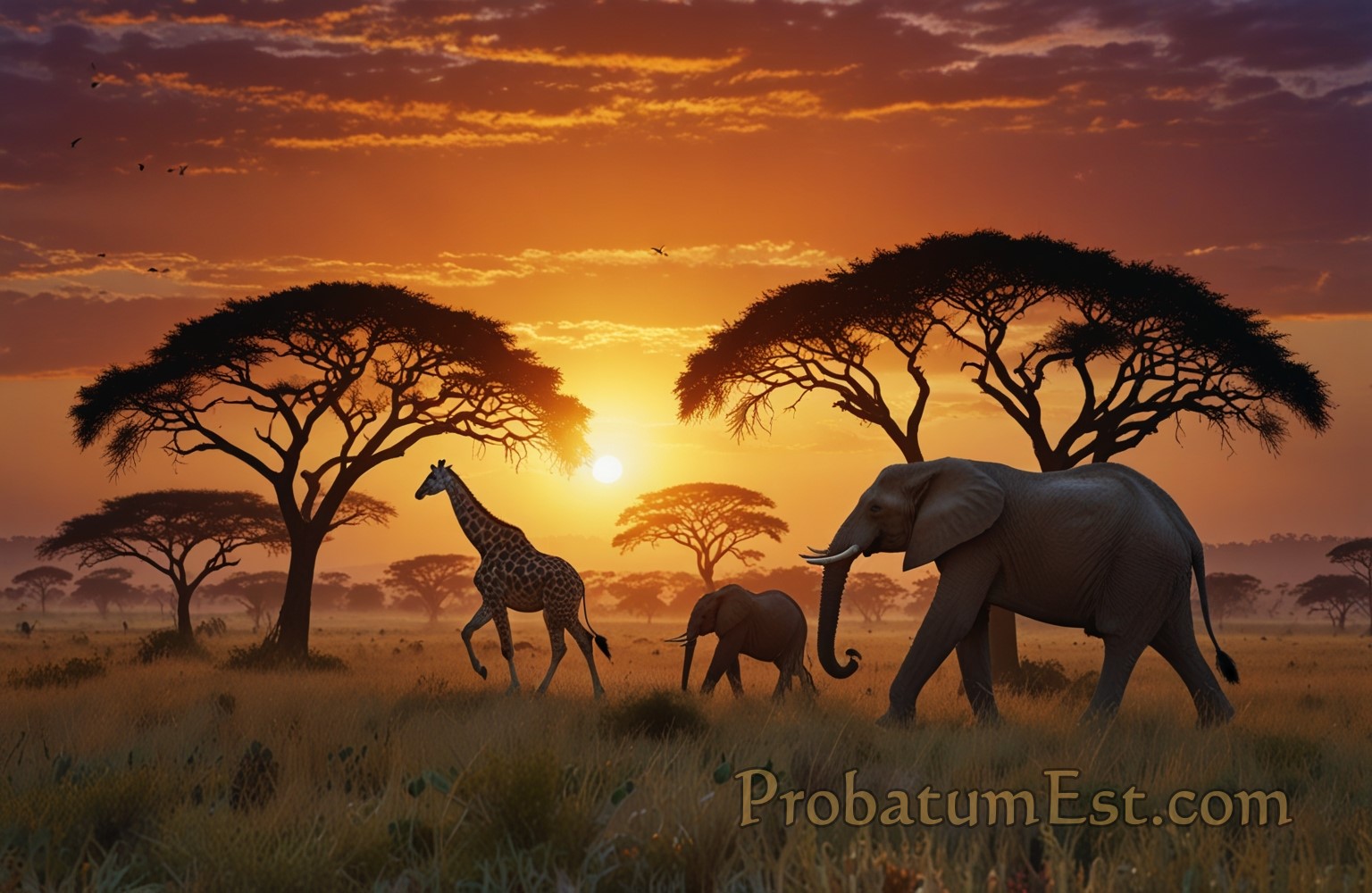
The Savannah (sometimes spelled Savanna) biome is a quintessential landscape that attracts scientists, ecologists, and nature enthusiasts alike due to its unique features and critical ecological roles. Known for its expansive grasslands interspersed with trees, the savanna biome is a dynamic environment that supports an incredible diversity of species and provides essential ecosystem services. This… …read more
-
Deserts
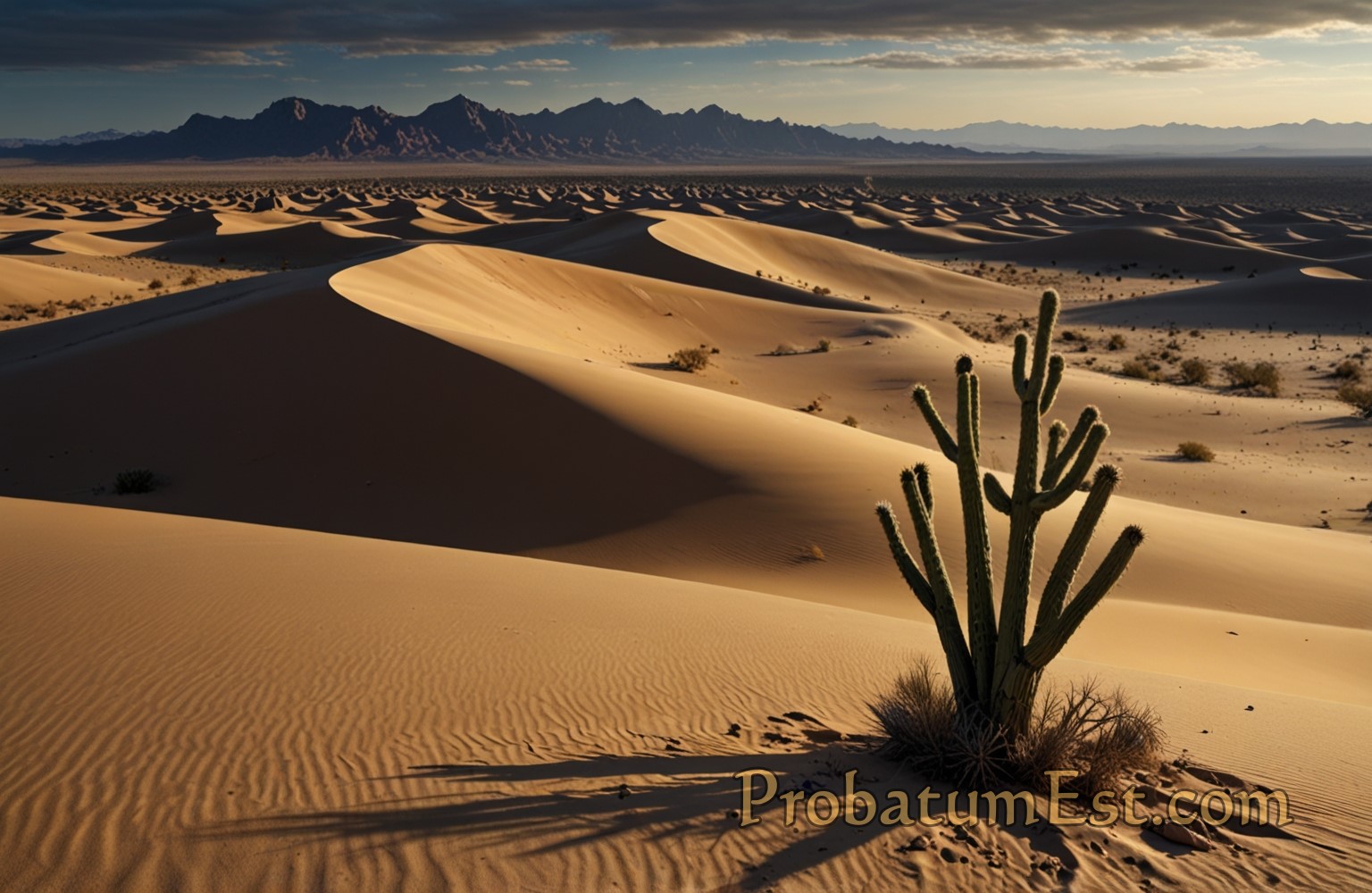
Deserts are among the Earth‘s most intriguing and varied biomes. These arid landscapes cover about one-third of the Earth’s surface and are characterized by their limited precipitation, extreme temperatures, and unique ecosystems. Despite their harsh conditions, deserts are teeming with life and possess a wealth of natural beauty and ecological intricacy. 1. Characteristics of Deserts… …read more
-
Biomes – Earth’s Natural Classifications of Life
Biomes represent the grand tapestry of life on Earth, encompassing vast ecological regions categorized by distinct climate conditions, flora, and fauna. These natural classifications provide scientists with a framework to study the interactions between the environment, organisms, and the impact of human activities. This article delves deep into the intricacies of biomes, offering an exhaustive… …read more
-
Biosphere
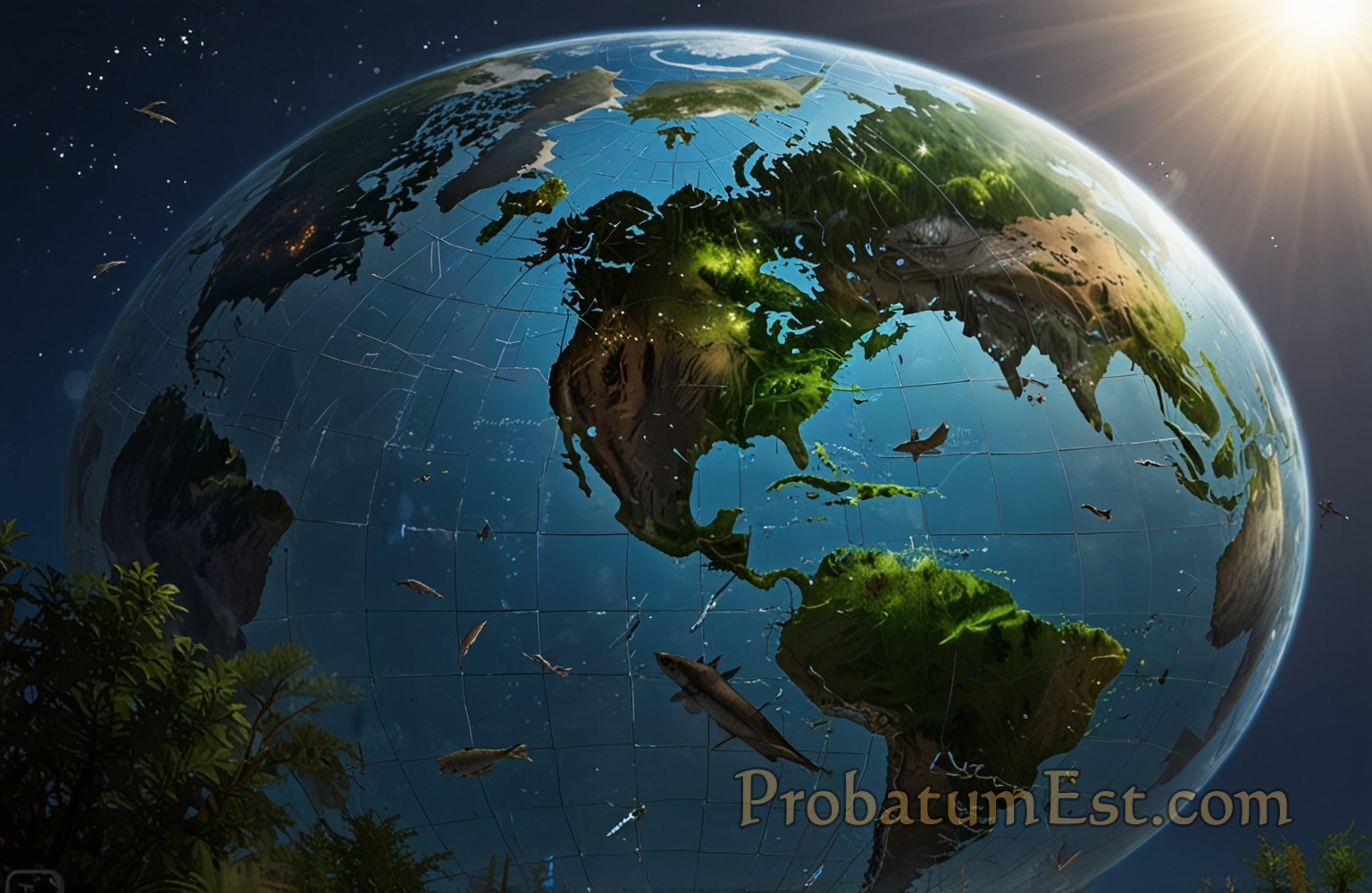
The term “biosphere” is a fundamental concept in ecology and environmental science, representing the global ecological system that integrates all living beings and their relationships, including their interaction with elements of the lithosphere (earth), hydrosphere (water), and atmosphere (air). This article delves into the varied aspects of the biosphere, illustrating its complexity, dynamics, significance, and… …read more
-
Ecosystems – Interplay of Organisms and Their Environments
An Ecosystem is an intricate and dynamic network where biotic (living) and abiotic (non-living) components interact, creating a complex web of relationships that define the environments of our planet. From vast oceans to mountainous terrains and bustling urban landscapes, ecosystems encompass every geographical and biological strand of the Earth. This article delves deep into the… …read more