Tag: Invasive Species
-
Industrial Revolution
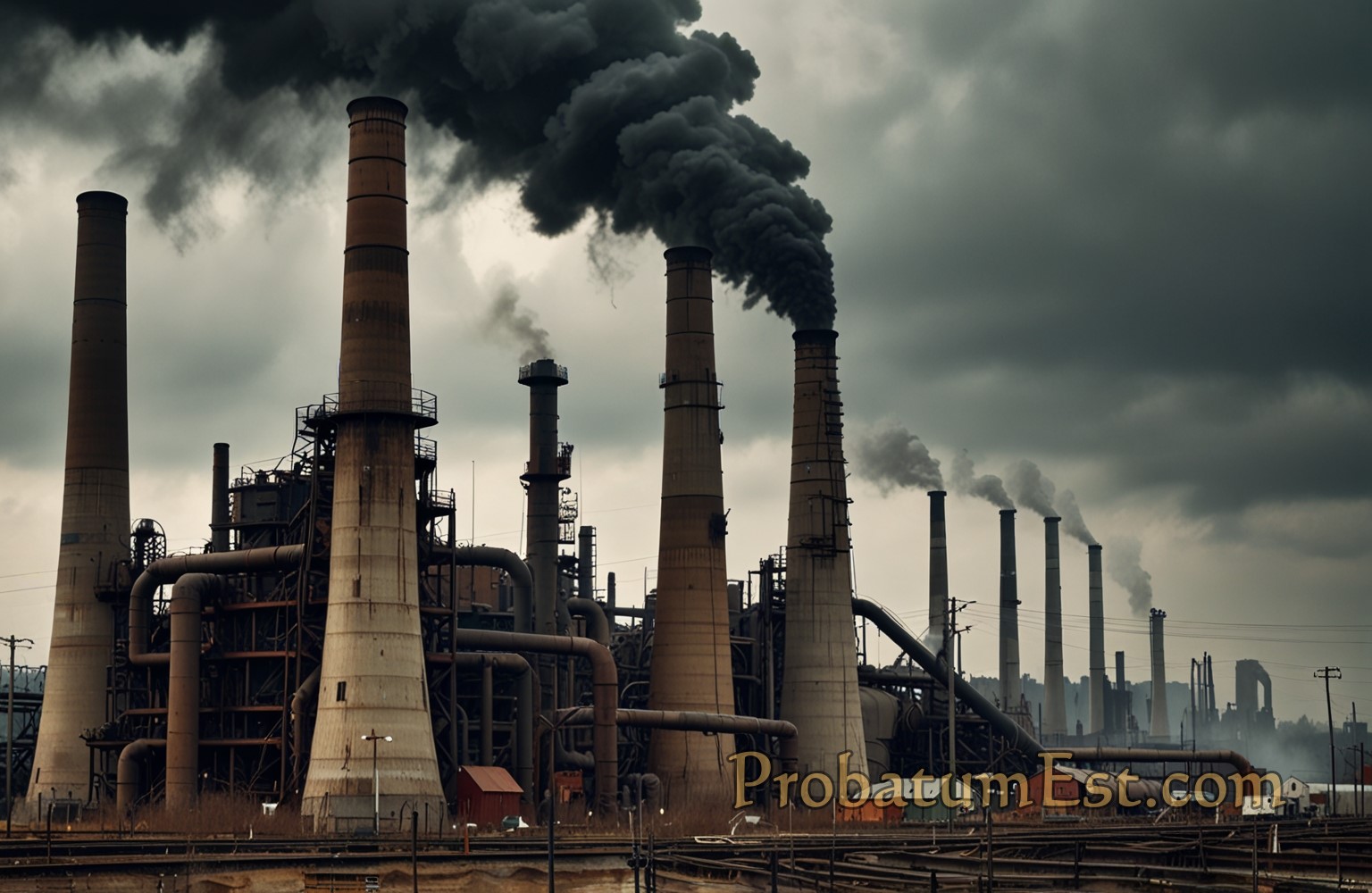
The Industrial Revolution stands as a pivotal period in human history, marking the transition from agrarian and handicraft economies to industrialized and mechanized systems. Spanning from the late 18th century to the early 19th century, it fundamentally altered every aspect of daily life. This article aims to explore the various facets of the Industrial Revolution,… …read more

-
Industrialization and Its Effects on Environment, Human Nature, and Ecology
Industrialization marked a pivotal transformation in human history, significantly altering economic, social, and environmental paradigms. Originating in the 18th century, the Industrial Revolution commenced in Great Britain before cascading across the globe. While it heralded unprecedented progress in various sectors, the ramifications of industrialization — particularly concerning the environment, human nature, and ecology — are… …read more
-
Grasslands
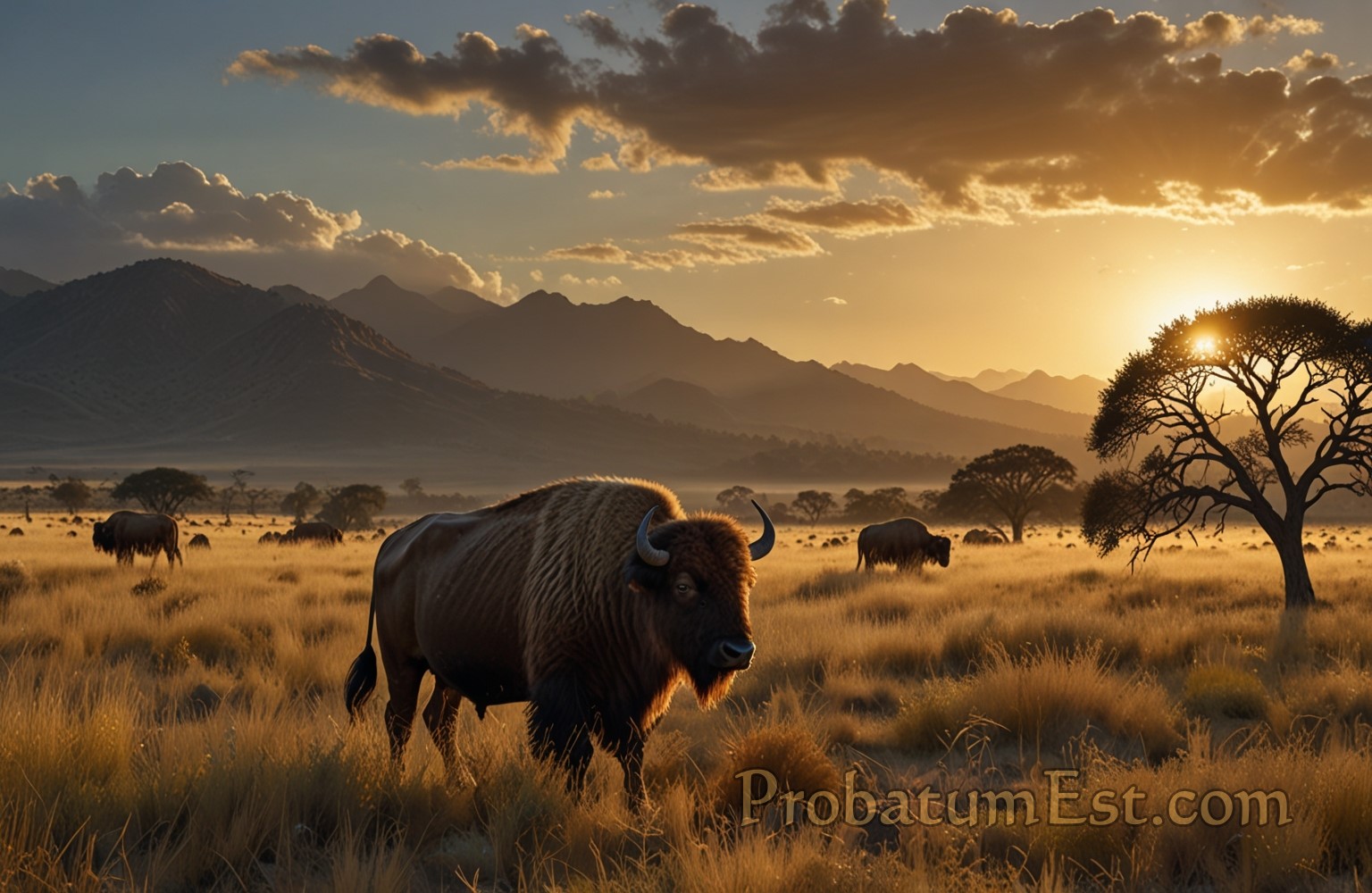
Grasslands, often regarded as the Earth‘s vast ocean of grass, cover roughly one-third of the planet’s land area. These ecosystems, characterized by wide open spaces, minimal tree cover, and an abundance of grasses and herbaceous plants, play a critical role in global biodiversity, climate regulation, and agriculture. This article delves into the intricate world of… …read more
-
Biodiversity – Vast and Vital World of Life
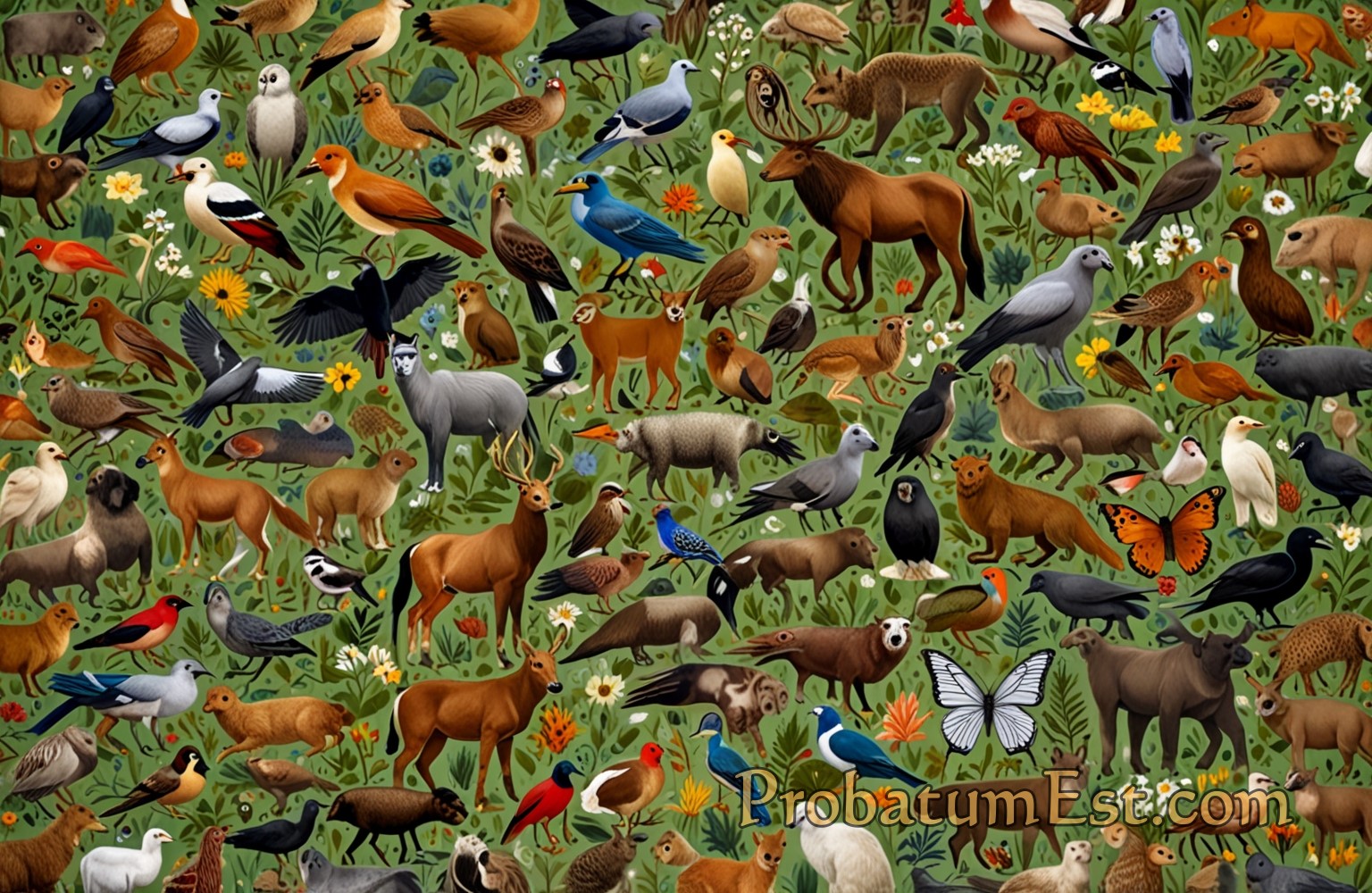
Biodiversity, a term derived from “biological diversity,” encompasses the variety of life forms on Earth. It represents the vast array of species, genetic differences within those species, and the complex ecosystems they form. Biodiversity is not just about a collection of different species; it’s about the balance and interdependence between these species and their environments.… …read more
-
Ecology – Science of Interactions
Ecology, a pivotal branch of the life sciences, explores the intricate networks connecting living organisms with their environments. This scientific discipline is foundational in comprehending the interactions that sustain biodiversity and influence the distribution and abundance of life forms on Earth. In this comprehensive exploration, we will delve into the core concepts, key sub-disciplines, historical… …read more
-
Natural Environment
The natural environment comprises all living and non-living things occurring naturally on Earth. This complex web of ecosystems, landscapes, and climates provides essential services, sustains biodiversity, and maintains life-supporting resources. In examining the natural environment, it is crucial to consider both biotic components — like plants, animals, and microorganisms — and abiotic factors, such as… …read more