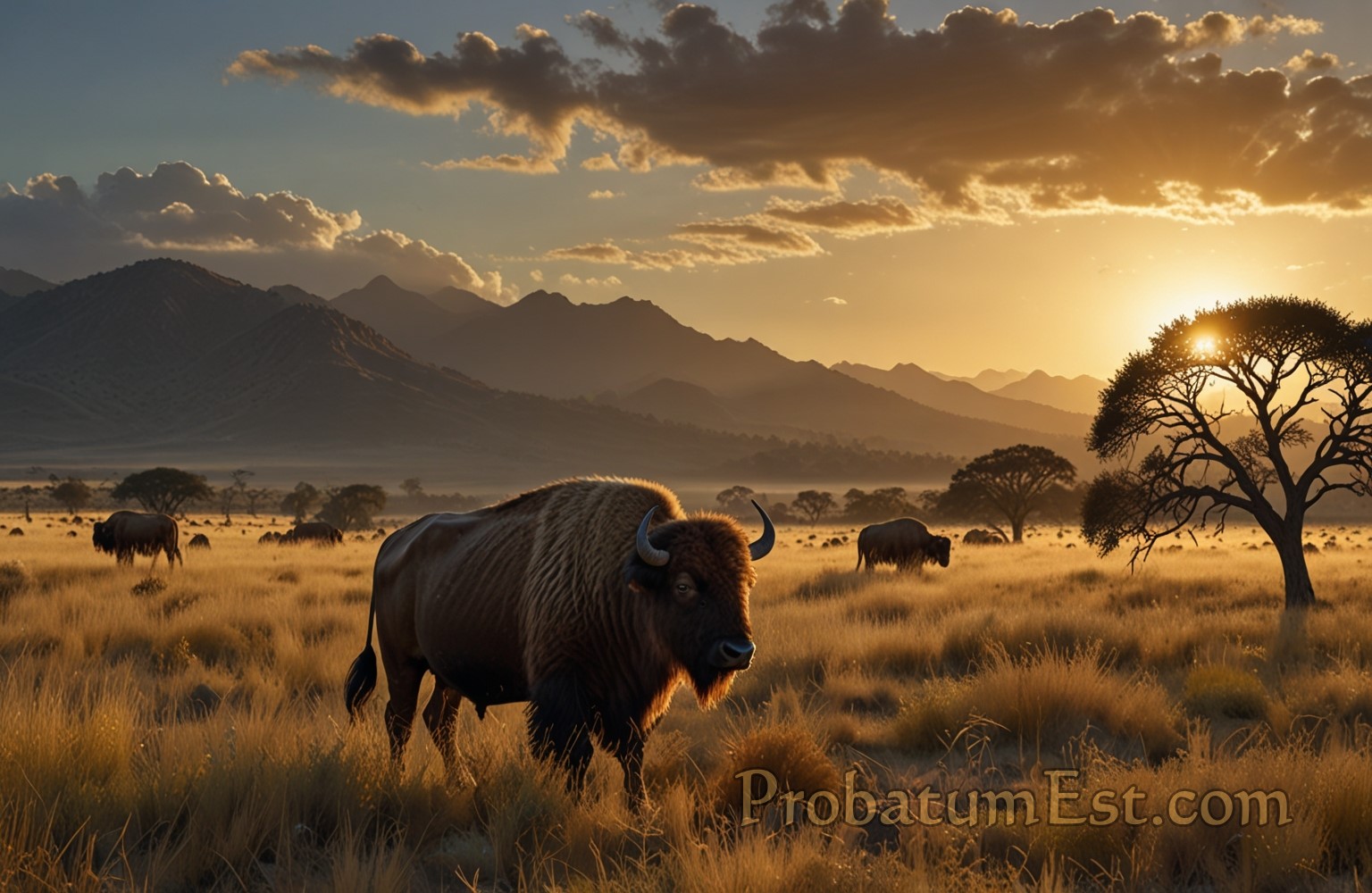
Grasslands, often regarded as the Earth‘s vast ocean of grass, cover roughly one-third of the planet’s land area. These ecosystems, characterized by wide open spaces, minimal tree cover, and an abundance of grasses and herbaceous plants, play a critical role in global biodiversity, climate regulation, and agriculture. This article delves into the intricate world of grasslands, exploring their types, ecological importance, biodiversity, threats, and conservation efforts.
Types of Grasslands
Grasslands are predominantly classified into two types: temperate and tropical, each exhibiting unique characteristics and ecosystems.
1. Temperate Grasslands:
- Location: Found in regions with moderate rainfall and distinct seasonal temperature fluctuations. Notable examples include the North American prairies, Eurasian steppes, and the pampas of South America.
- Climate and Vegetation: These regions experience warm summers and cold winters, with precipitation ranging from 300 to 1000 mm annually. The dominant vegetation includes perennial grasses like wheatgrass and fescues, interspersed with a variety of wildflowers.
- Fauna: Temperate grasslands are home to large herbivores such as bison, pronghorns, and various ungulate species, alongside predators like wolves and coyotes.
2. Tropical Grasslands (Savannas):
- Location: Located near the equator, primarily in Africa, South America, and Australia.
- Climate and Vegetation: Characterized by a warm climate with distinct wet and dry seasons. Annual rainfall is between 500 and 1500 mm. Vegetation includes grasses like elephant grass, interspersed with drought-resistant shrubs and occasional trees, such as acacias.
- Fauna: These grasslands support large herds of hoofed animals, including zebras, wildebeests, and antelopes, and are critical habitats for predators like lions and hyenas.
Ecological Importance
Grasslands play a vital role in various ecological processes:
- Carbon Sequestration: Grasslands store significant amounts of carbon in their soil, helping to mitigate climate change by reducing atmospheric carbon dioxide levels.
- Soil Conservation: The extensive root systems of grasses prevent soil erosion, maintain soil fertility, and contribute to groundwater recharge.
- Habitat and Biodiversity: These biomes support a diverse array of plant and animal species. Their open spaces and varied vegetation types provide myriad niches for wildlife.
Grassland Biodiversity
Although grasslands might appear monotonous, they are incredibly rich in biodiversity. The varied structure and composition of grasslands offer habitats for numerous species:
- Plants: Grasslands can host over 10,000 species of grasses. This diversity supports other plant life, including various wildflowers, shrubs, and trees.
- Animals: From burrowing rodents to majestic elephants, grasslands nurture a wealth of animal life. Birds, insects, and reptiles also thrive in these environments.
- Microbial Life: A complex community of bacteria, fungi, and other microorganisms play essential roles in nutrient cycling and soil health.
Human Interaction and Agriculture
Historically, humans have utilized grasslands for agriculture, owing to their rich soils and vast open spaces. Grasslands have been transformed into some of the most productive agricultural lands:
- Crops: Grasslands support the cultivation of major cereals, such as wheat and corn, and provide grazing land for livestock.
- Rangelands: They are crucial for pastoral communities, providing pasture for grazing animals, such as cattle and sheep.
However, the conversion of natural grasslands to agricultural use often leads to habitat destruction, soil degradation, and biodiversity loss.
Threats to Grasslands
Grasslands face numerous threats, primarily driven by human activity:
- Agricultural Expansion: Conversion to croplands and pastures continues to reduce native grassland areas.
- Urbanization: The encroachment of cities leads to habitat fragmentation and destruction.
- Climate Change: Altered precipitation patterns and increased temperatures can disrupt native species and lead to desertification.
- Invasive Species: Non-native plants and animals can outcompete native species, altering grassland ecosystems.
- Overgrazing: Excessive grazing pressure depletes vegetation and degrades soil quality.
Conservation Efforts
Efforts to conserve grasslands are urgent and multifaceted:
- Protected Areas: Establishing reserves and national parks helps protect grassland ecosystems from further encroachment.
- Sustainable Land Management: Practices such as rotational grazing, integrated crop-livestock systems, and controlled burns aim to maintain healthy grassland ecosystems.
- Restoration Projects: Initiatives to restore degraded grasslands focus on replanting native species and reviving soil health.
- Community Involvement: Engaging local communities in conservation efforts ensures sustainable outcomes benefiting both people and the environment.
Conclusion
Grasslands are an essential yet often overlooked component of Earth’s ecological tapestry. They offer immense benefits, from supporting diverse life forms to playing a significant role in agriculture and climate regulation. However, the sustainability of these ecosystems is threatened by various human-induced pressures. Through concerted conservation and sustainable management efforts, we can preserve and restore the resilience and richness of the world’s grasslands for future generations.




Leave a Reply