Tag: Nucleic Acid
-
The Cell Nucleus – Structure, Function, and Significance
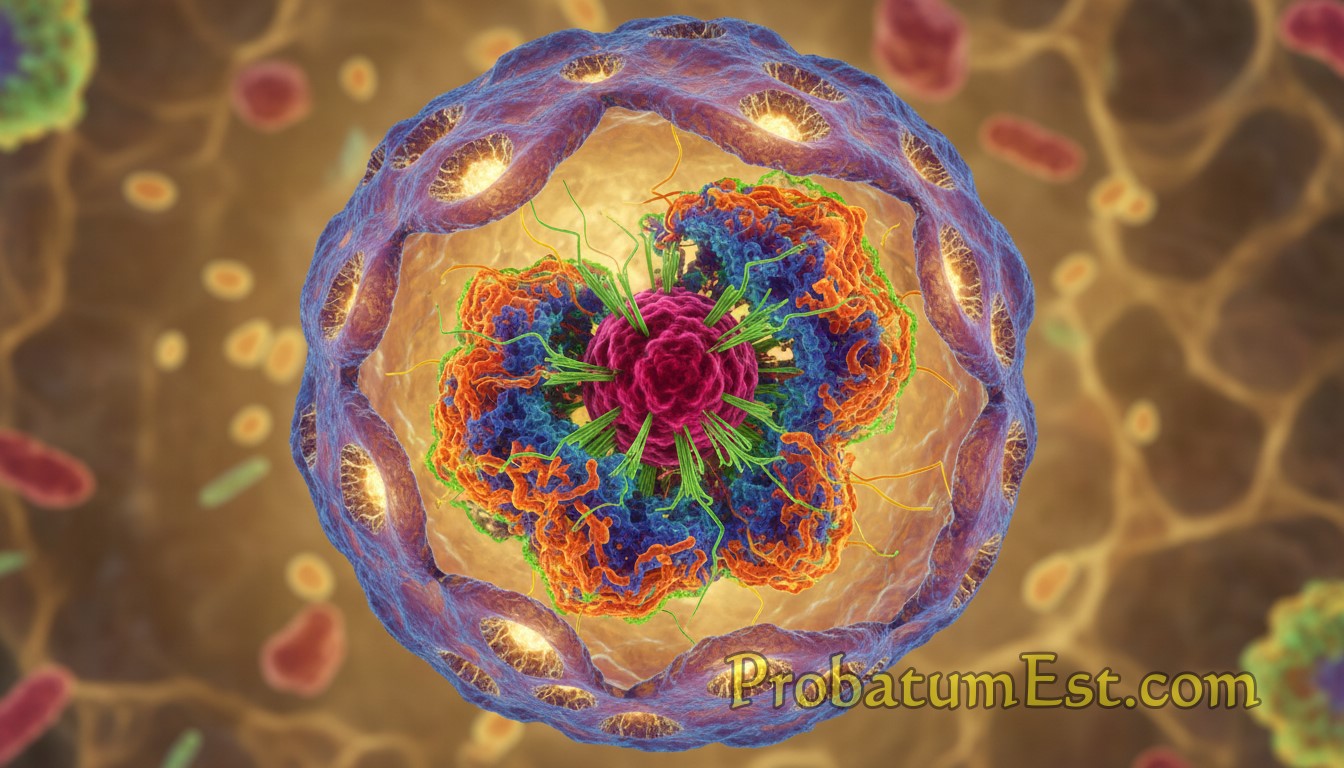
The cell nucleus is a defining feature of most eukaryotic cells, serving as the command center where the genetic code is stored and processed. First described in 1831 by botanist Robert Brown, the nucleus derives its name from the Latin word for “kernel” or “nut,” underscoring its central importance to cell function. Today, our understanding… …read more

-
Cell – Understanding the Fundamental Unit of Life
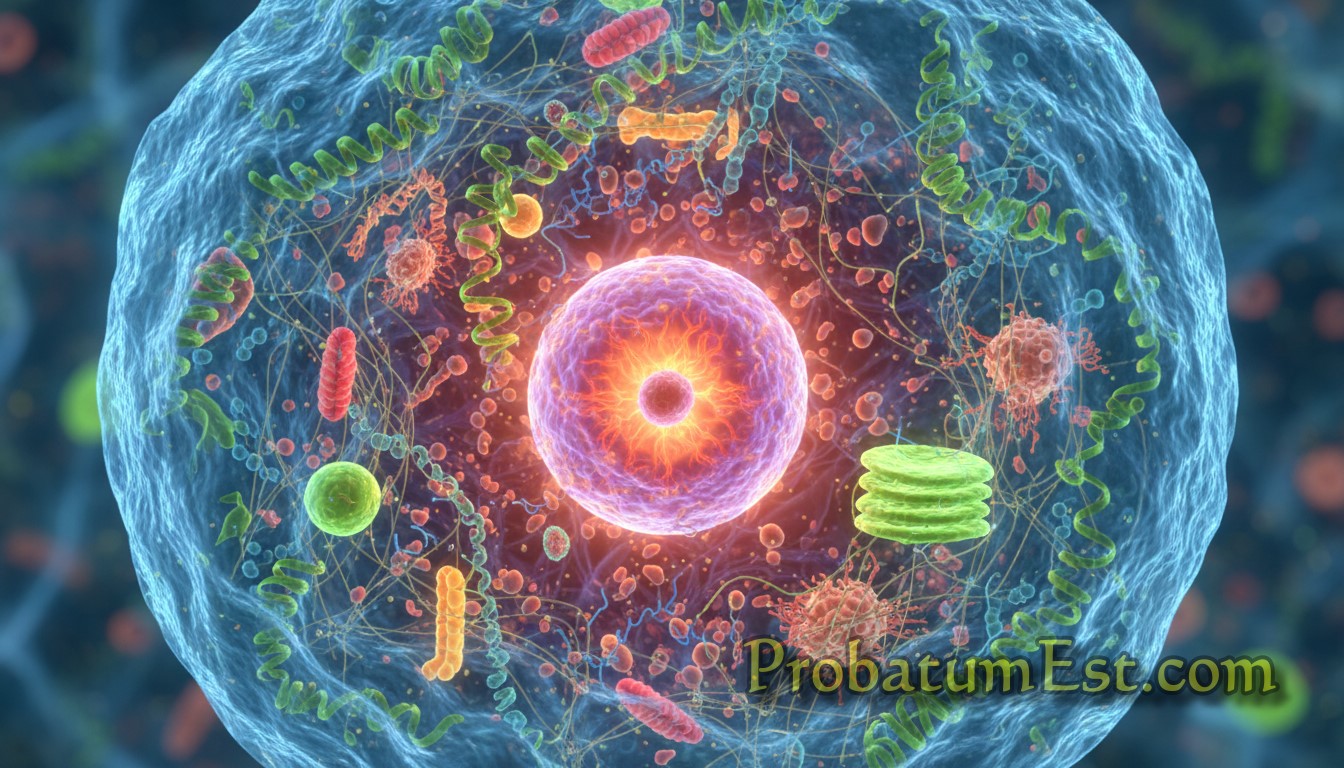
Cells are the smallest living units that compose all known organisms – microcosms of life on which entire biological structures are built. Whether one looks at the tissues in the human body, the roots and leaves of plants, or the myriad unseen organisms in aquatic environments, every form of life depends on cells. This article… …read more
-
Humans – A Guide to Who We Are
Humans are among the most complex living organisms on Earth. From the vantage point of biology, the human body is a sophisticated network of systems working in harmony to sustain life, enable thought, power motion, and facilitate interaction with the environment. This article explores in depth what makes humans unique as biological entities — covering… …read more

-
Bacteria – Small in Size, Big in Numbers
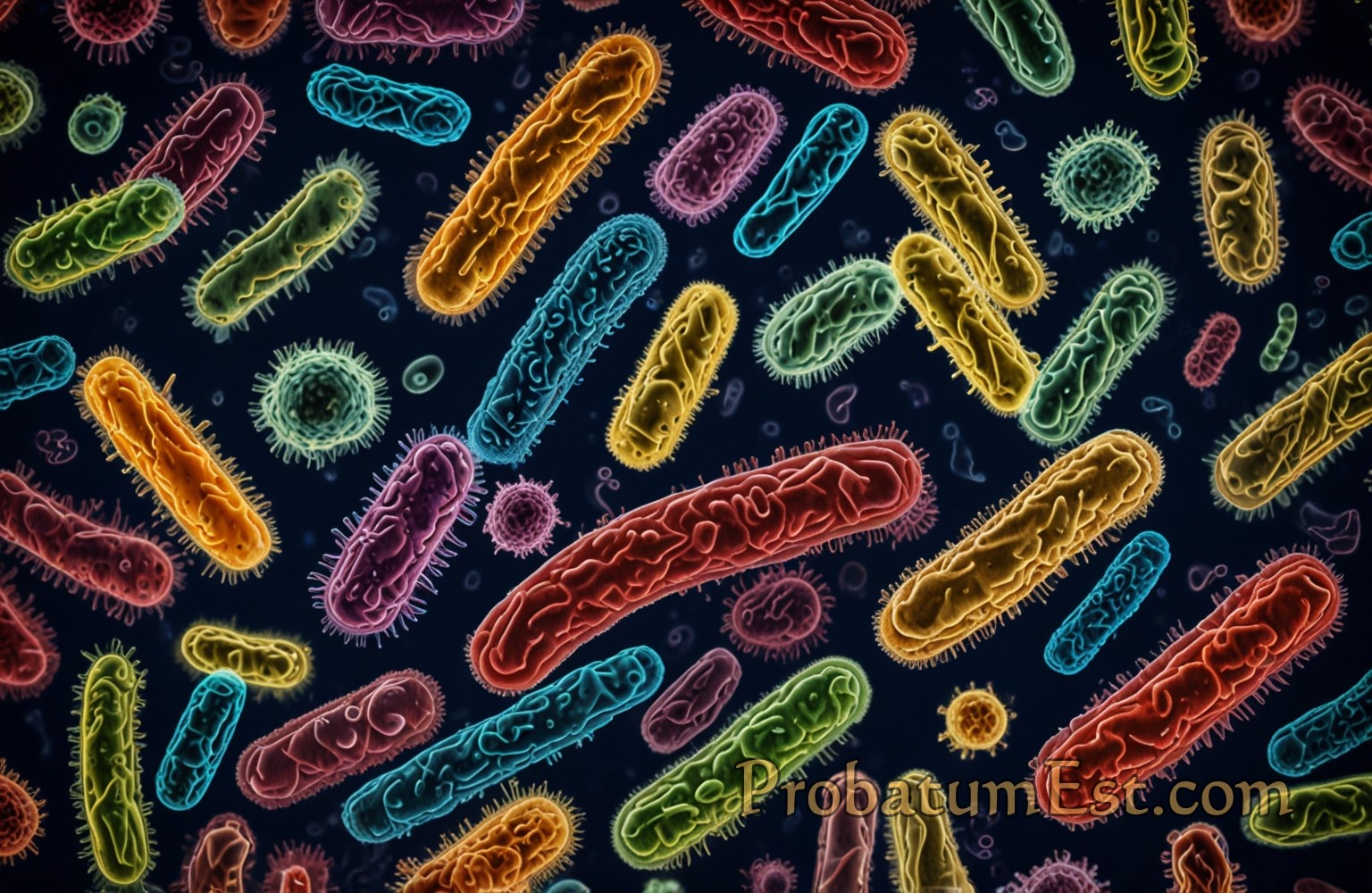
Bacteria are among the most diverse, abundant, and resilient organisms on Earth. They inhabit nearly every environment, ranging from soil and freshwater habitats to the depths of the ocean, as well as living within and on other organisms. Even though they are microscopic, bacteria play indispensable roles in ecosystems, industry, and human health. Below is… …read more
-
Nature – A Closer Look
Nature, in the most fundamental biological sense, encompasses the vast tapestry of living organisms and the environments in which they thrive. It spans from the microscopic building blocks of life to the grand and intricate ecosystems that cover the planet. This article provides an in-depth view of nature – a closer look, discussing the essential… …read more