Tag: Quantum Mechanics
-
Physical Science
Physical Science represents one of the fundamental branches of natural science. It principally focuses on the study of non-living systems, as opposed to life sciences, which are concerned with living systems. Physical science encompasses a broad array of fields, including physics, chemistry, astronomy, and earth sciences. These disciplines seek to understand the nature and properties… …read more

-
Life Science
Life Science is a critical branch of natural science that delves into the study of living organisms and life processes. As a scientific discipline, it seeks to unravel the complexities of life, from the simplest microorganisms to the intricate processes governing plant and animal systems, including human beings. This comprehensive article aims to explore life… …read more
-
Understanding the Scientific Method
The Scientific Method is a systematic, empirical, and logical approach for acquiring knowledge about the natural world. Historically, it has been the backbone of scientific inquiry, fostering continuous advancement in various fields, from physics to biology. This in-depth exploration delves into the fundamental components, historical evolution, applications, and significance of the scientific method in contemporary… …read more
-
Branches of Science
Science, an organized system of knowledge covering general truths or the operation of general laws especially as obtained and tested through the scientific method, is an ever-expanding frontier. At its core, science is a quest for understanding the universe‘s myriad phenomena. This quest is compartmentalized into various fields or branches, each focusing on specific aspects… …read more
-
Natural Science
Natural Science is a rich and diverse field of study that has significantly shaped our understanding of the universe and our place within it. It encompasses a variety of disciplines that explore the laws and principles governing the natural world. From observing the intricacies of atomic particles to examining the complexities of entire ecosystems, natural… …read more
-
What is the Difference Between Astronomy and Astrophysics
Astronomy and astrophysics are two closely related fields that often overlap, leading to some confusion among those unfamiliar with them. Both disciplines involve the study of celestial objects and phenomena beyond Earth‘s atmosphere. However, their approaches, methodologies, and specific areas of focus highlight distinct differences. This article aims to clarify these differences by exploring the… …read more
-
Understanding Redshift in Astronomy
Redshift is a fundamental concept in astronomy that provides critical insights into the dynamics of the universe. Serving as a cornerstone for modern astrophysics, redshift is intimately linked with the movement and distribution of celestial bodies, the expansion of the universe, and the study of cosmology. In this article, we will delve deeply into the… …read more
-
What Do You Learn in Astronomy?
Astronomy, one of the oldest sciences, is the study of celestial phenomena, the universe’s structure, and the laws that govern its behaviors. For anyone passionate about the cosmos, taking formal or informal courses in astronomy can be both enlightening and profound. Here’s a detailed overview of what topics and skills one can expect to learn… …read more
-
Cosmology – The Science of the Universe
Cosmology, the scientific study of the large-scale properties of the universe as a whole, delves deep into understanding how the universe began, evolved, and its eventual fate. It addresses fundamental questions about the universe’s origin, structure, dynamics, and ultimate fate. As one of the oldest sciences, cosmology has always existed at the intersection of science,… …read more
-
Black Holes – The Heart of Cosmic Mysteries
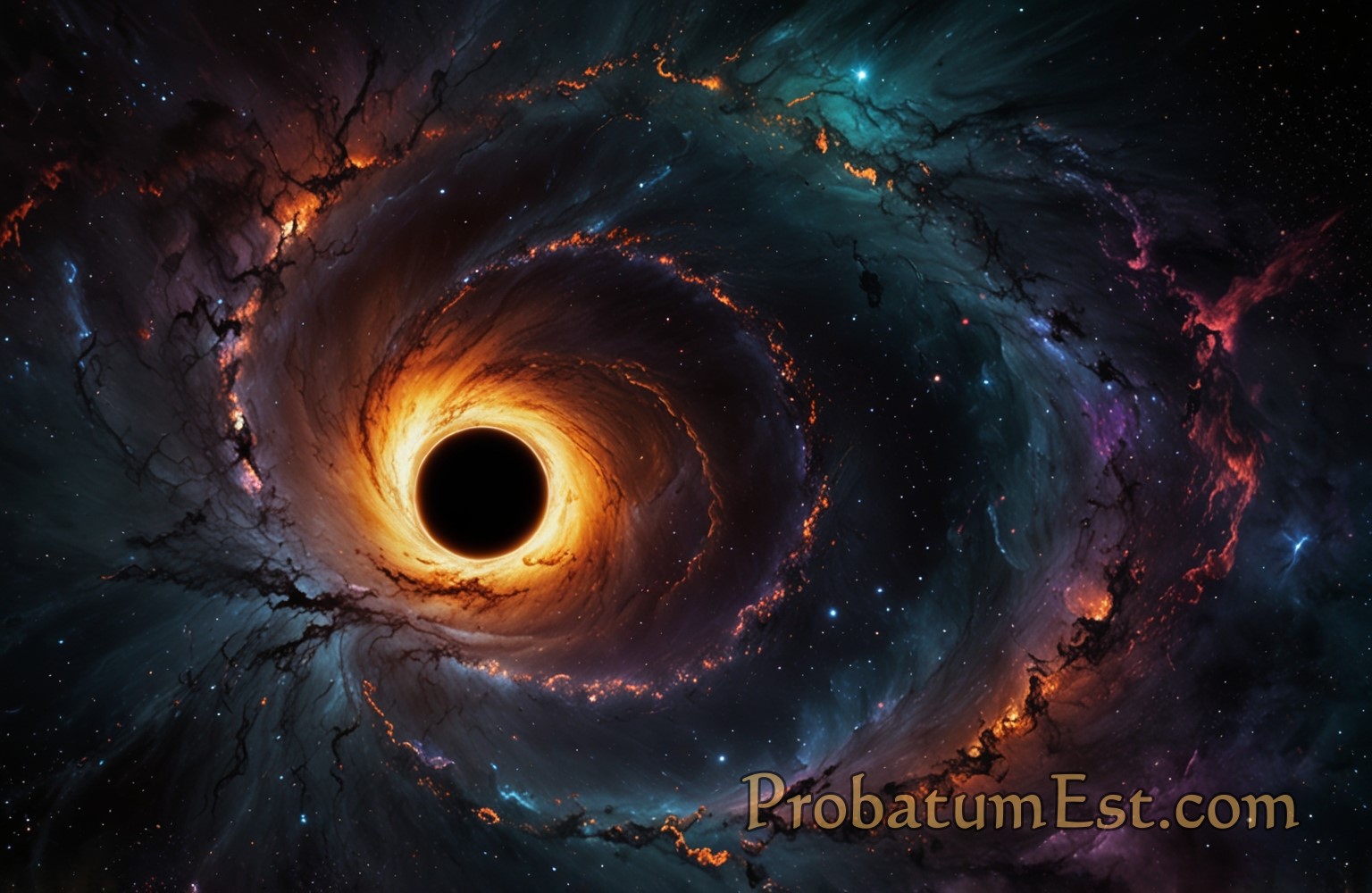
Black holes are among the most fascinating objects in the universe. They captivate scientists and the general public alike due to their mysterious nature and extreme properties. A black hole is a region of space where the gravitational pull is so intense that nothing, not even light, can escape from it. Despite being invisible, the… …read more