-
Natural Science
Published in Science
Natural Science is a rich and diverse field of study that has significantly shaped our understanding of the universe and our place within it. It encompasses a variety of disciplines that explore the laws and principles governing the natural world. From observing the intricacies of atomic particles to examining the complexities of entire ecosystems, natural… …read more
-
Antarctic Treaty System
Published in The WorldThe Antarctic Treaty System (ATS) is a unique and comprehensive international framework that governs the activities on the icy continent of Antarctica. Signed over sixty years ago, it continues to be a symbolic and practical example of peaceful international cooperation, dedicated to preserving the pristine environment of Antarctica and promoting scientific research. This article delves… …read more
-
Who Owns Antarctica?
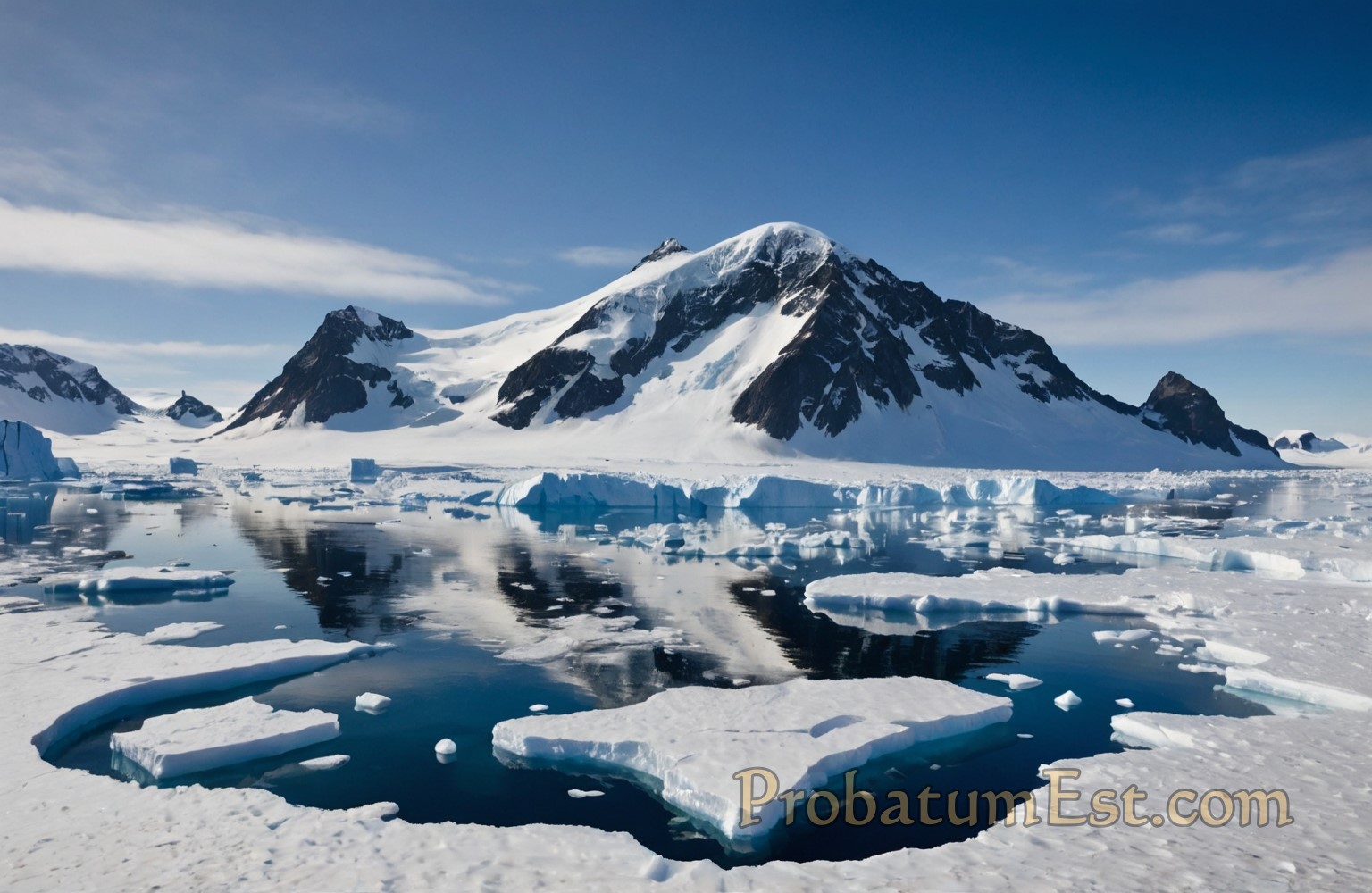
Published in The WorldAntarctica, the southernmost continent on Earth, is a land of extremes, home to the coldest temperatures ever recorded and a vast, icy wilderness largely untouched by human civilization. This frigid expanse is unique not only in its environmental conditions but also in its geopolitical status. As the world grapples with scientific exploration and resource scarcity,… …read more
-
Antarctica – Beyond the Ice
Published in The WorldAntarctica, the southernmost continent on Earth, is a land of extremes. Its sheer size, isolation, and frigid temperatures make it a unique natural environment; a cold desert that captivates scientists, adventurers, and environmentalists alike. This article delves deep into the multifaceted aspects of Antarctica, exploring its geography, climate, ecological significance, scientific importance, and geopolitical status,… …read more
-
Aurora Borealis, commonly known as the Northern Lights, is one of the most mesmerizing natural phenomena observable from Earth. This breathtaking display of vivid colors dancing across the night sky has captivated humans for millennia, leading to a rich tapestry of myths, scientific curiosity, and artistic inspiration. The Science Behind the Aurora Borealis The Northern… …read more
-
The Antarctic
Published in The World
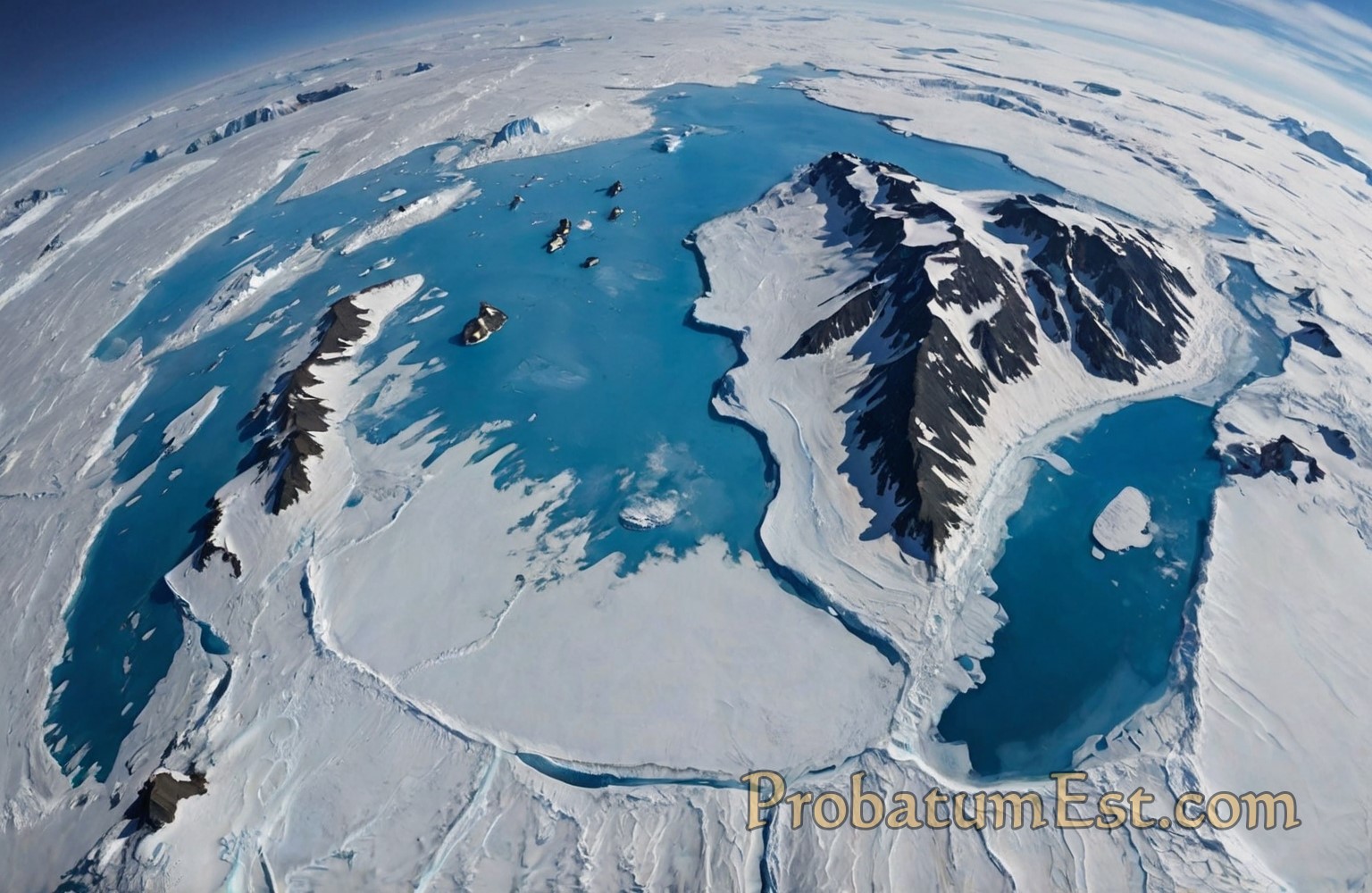
The Antarctic, Earth‘s southernmost continent, is an enigmatic and extreme environment surrounded by the Southern Ocean. Covering an area of about 14 million square kilometers, it is almost entirely covered by an ice sheet. The Antarctic is crucial for global climate regulation, marine biodiversity, and scientific research. In this article, we will explore its geographical… …read more
-
The Arctic
Published in The WorldThe Arctic is a unique and enigmatic region located at the northernmost part of the Earth, often signified by the 66.5°N latitude, known as the Arctic Circle. It encompasses vast oceanic and terrestrial landscapes and is home to a distinctive and fragile ecosystem, diverse indigenous cultures, and significant geostrategic interests. This comprehensive exploration delves into… …read more
-
Which Continent Has the Most Countries?
Published in The WorldWhen pondering the question, “Which continent has the most countries?” it’s essential to explore it from various angles, delving into not only the raw numbers but also the historical, geographical, and socio-political aspects that contribute to these figures. This comprehensive examination will provide a nuanced understanding of the continent with the most countries globally. The… …read more
-
Continents – Geographical Regions of the Earth
Published in The WorldThe concept of continents is a fundamental component in the discipline of geography, serving as a foundational pillar in the understanding of our world’s spatial divisions. While the basic idea of continents is familiar to many, the intricacies involved in defining and categorizing them reveal a complex tapestry of geological, cultural, and historical elements. This… …read more
-
Antarctic Circle
Published in The WorldThe Antarctic Circle is more than a mere line on a map — it is a significant geographical marker that defines a unique and extreme part of our planet. Located at approximately 66.5 degrees south of the equator, this latitude marks the northern boundary of the Antarctic region. The Antarctic Circle encapsulates a world of… …read more