Tag: Algae
-
Eukaryotes – Unraveling the Complex World of Nucleated Life
Eukaryotes form a diverse realm of organisms distinguished by one key characteristic: their cells contain a membrane-bound nucleus. From single-celled algae to multicellular plants and animals, these nucleated life forms represent a vast majority of the life we see each day. This article explores what defines eukaryotes, examines their importance and diversity, and highlights current… …read more

-
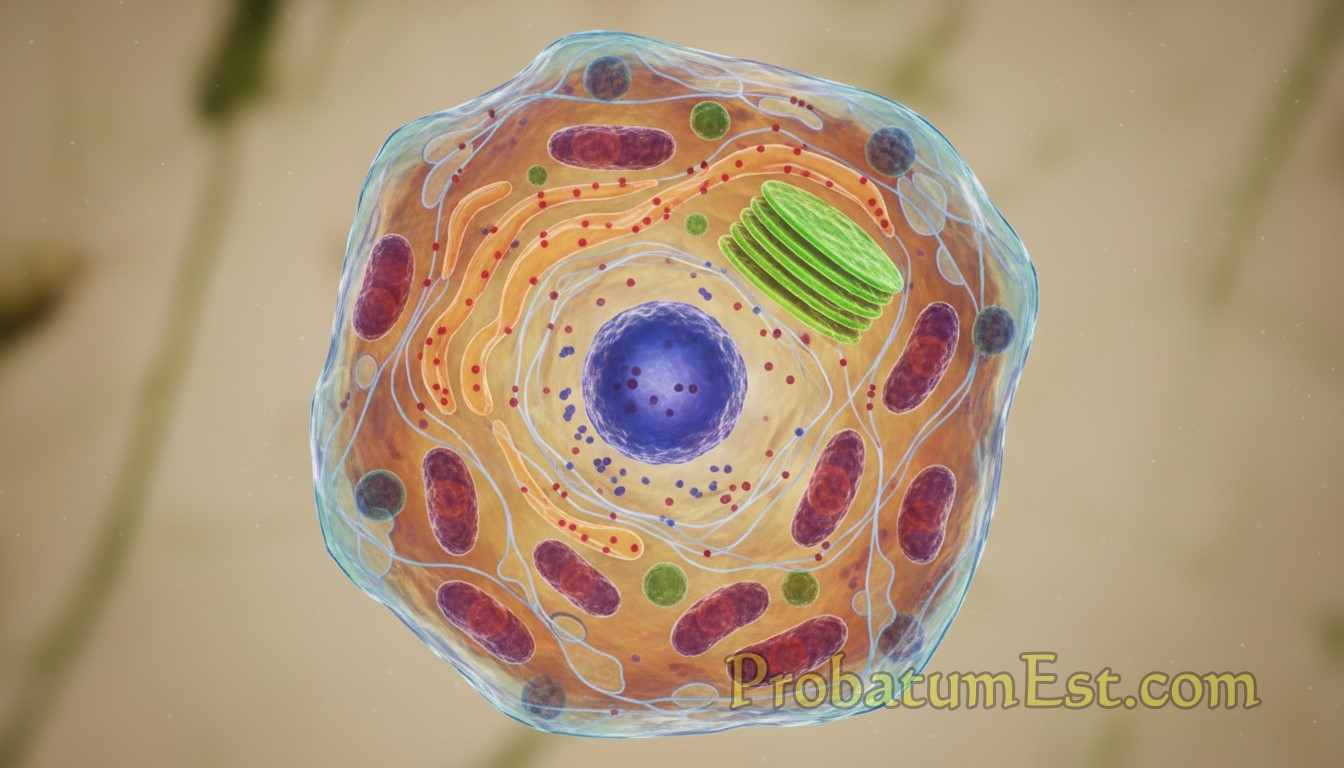
Eukaryotic Cells – A Comprehensive Exploration
Eukaryotic Cells serve as the fundamental building blocks of many diverse organisms, including animals, plants, fungi, and numerous unicellular species. These cells, distinguished by their membrane-bound organelles and true nucleus, underpin a vast array of complex life forms, making them a focal point of scientific research. Below is a thorough overview of eukaryotic cells, including… …read more
-
Fungi – More Than Just Mushrooms
Fungi form a vast and fascinating group of organisms that occupy nearly every habitat on Earth. Long recognized primarily as molds and mushrooms, fungi include an enormous range of forms, from microscopic single-celled yeasts to complex networks of filaments that span large areas of soil or rotting logs. Below is a comprehensive examination of fungi… …read more

-
Plants – Introduction to the Wonders of Botany
Plants are an incredibly diverse group of organisms that form the foundation of most terrestrial ecosystems. They play vital roles in food webs, produce oxygen through photosynthesis, and provide countless resources for other living beings. This comprehensive overview explores the biology of plants — encompassing their structure, physiology, life cycles, classification, and ecological value. The… …read more
-
Nature – A Closer Look
Nature, in the most fundamental biological sense, encompasses the vast tapestry of living organisms and the environments in which they thrive. It spans from the microscopic building blocks of life to the grand and intricate ecosystems that cover the planet. This article provides an in-depth view of nature – a closer look, discussing the essential… …read more
-
Flora – Backbone of Ecological Systems
Flora, a term derived from the Latin word for “flower,” refers to the collective plant life occurring in a particular region or time, or a detailed catalog of such plant life. Within the context of ecology, flora encompasses not just the conspicuous vegetation like trees, shrubs, herbs, and flowers, but also includes a myriad of… …read more
-
Microorganisms – Hidden Backbone of Life on Earth
Microorganisms are the unsung heroes of our ecosystem, playing a profound role in shaping the environment, maintaining the health of higher organisms, and driving biogeochemical cycles. Comprising a vast diversity of life forms, microorganisms are characterized by their microscopic size and include bacteria, archaea, fungi, algae, and protozoa. This article delves deep into their fascinating… …read more
-
Microbiology
Microbiology is the scientific study of microorganisms, a diverse group of microscopic entities that include bacteria, fungi, algae, protozoa, and archaea. Despite their minute size, microorganisms play a significant role in the biological processes essential for life on Earth. From their crucial function in ecosystem sustainability and biotechnology to their role in human health and… …read more