
Eukaryotes form a diverse realm of organisms distinguished by one key characteristic: their cells contain a membrane-bound nucleus. From single-celled algae to multicellular plants and animals, these nucleated life forms represent a vast majority of the life we see each day. This article explores what defines eukaryotes, examines their importance and diversity, and highlights current research shedding light on their complexities. By diving deeper into how eukaryotes function and adapt, we gain insights into their crucial role in ecosystems, medicine, and technology worldwide.
Definition and Key Characteristics
1. Membrane-Bound Organelles
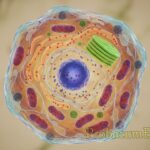
- Nucleus: One of the defining features of eukaryotic cells is the presence of a nucleus, which houses the cell’s genetic material (DNA) within a protective membrane. This nucleus organizes genetic information more effectively than if it were dispersed throughout the cell.
- Mitochondria: Known as the “powerhouses” of the cell, mitochondria produce the chemical energy (ATP) that fuels many cellular activities. They are enclosed by a double membrane, enabling them to efficiently regulate biochemical pathways.
- Other Organelles: Eukaryotic cells may also contain other membrane-bound components, such as the endoplasmic reticulum, Golgi apparatus, and, in some cases, chloroplasts. These specialized compartments contribute to the cell’s ability to process, package, and transport molecules with remarkable precision.
2. Larger Cell Size and Complexity
Compared to many other life forms lacking a true nucleus, eukaryotic cells tend to be larger and more complex. Their intricate internal architecture enables division of labor among organelles, making eukaryotic cells highly efficient at carrying out specialized functions.
3. Cytoskeleton and Structural Support
Eukaryotes rely on a network of protein filaments and tubules, known collectively as the cytoskeleton, to help maintain cell shape and facilitate intracellular transport. This feature supports cellular organization and often plays a vital role in processes like cell division and movement.
Major Groups of Eukaryotes
Eukaryotes can be broadly categorized into several groups, reflecting the wide-ranging nature of their forms and functions:
1. Protists
Protists are mostly single-celled eukaryotes but can also form colonies. They live in a variety of environments and exhibit extensive diversity — some species are photosynthetic, while others are heterotrophic (obtaining nutrition from other organisms). A classic example is the single-celled alga Chlamydomonas reinhardtii, frequently used in research to study photosynthesis and cellular movement.
2. Fungi
Fungi comprise a kingdom of mostly multicellular organisms, including yeasts, molds, and mushrooms. They are vital decomposers, breaking down and recycling organic matter. Their cell walls contain chitin rather than cellulose, distinguishing them from plants. In medical biotechnology, certain fungi can produce antibiotics and other compounds beneficial to human health.
3. Plants
Plants form the backbone of many terrestrial ecosystems. They have cell walls composed mainly of cellulose and contain chloroplasts (in most species) that perform photosynthesis. Plants capture solar energy and convert it into chemical energy, forming the basis of numerous food webs.
4. Animals
Animals encompass a vast range of multicellular eukaryotes, from insects and fish to mammals. They display various modes of nutrition, body structures, and behaviors. Cells in animals lack cell walls, but the animals’ cytoskeleton and other support structures help maintain their shape.
Importance of Eukaryotes in Ecosystems and Human Life
1. Ecosystem Stability
- Oxygen Production: Photosynthetic eukaryotes, such as algae and plants, play a critical role in producing oxygen and retaining the balance of gases in the atmosphere.
- Decomposition and Nutrient Cycling: Fungi, along with certain protists, help break down dead organic matter and recycle essential nutrients back into the environment.
2. Agricultural Relevance
- Crop Cultivation: Most crops, from grains to fruits and vegetables, are eukaryotic plants. Understanding their cell biology helps scientists develop hardier and more productive plant varieties.
- Biocontrol: Certain fungi and protists can act as natural predators for pests, reducing the need for chemical pesticides.
3. Medical and Biotechnological Significance
- Model Organisms: Scientists frequently use eukaryotic model organisms, such as the yeast Saccharomyces cerevisiae, to study cellular processes. These studies have led to breakthroughs ranging from novel drug targets to deeper understanding of cell division. According to a widely noted publication in the journal Cell, yeast model systems have helped researchers investigate genetic regulation and discover new therapeutic strategies.
- Pharmaceutical Production: Eukaryotic organisms can synthesize a wide range of biomolecules — antibiotics, enzymes, and other metabolites — that serve medical, industrial, and research purposes.
4. Scientific Research and Advances
- Cellular Signaling and Communication: Research indicates that eukaryotic cells use complex pathways to transmit signals and coordinate activities. A 2020 Nature study highlights the interplay of proteins within these pathways, revealing potential new targets for treatment of diseases.
- Genome Analysis: Advances in genome sequencing have allowed experts to compare genetic data across different eukaryotic species. This comparative approach offers insights into the organization and regulation of eukaryotic genes, potentially informing new medical diagnostics.
Real-World Examples and Case Studies
- Algae Blooms: When nutrients in aquatic environments surge, algae — a form of eukaryotic protist — can proliferate rapidly, resulting in algal blooms. While such blooms can sometimes negatively affect marine life by consuming dissolved oxygen, controlled algal growth can be beneficial for sustainable biofuel production.
- Fungal Biotechnology: The fungus Penicillium rubens (previously Penicillium chrysogenum) is famous for producing penicillin. Its discovery revolutionized modern medicine and remains one of the most significant examples of a eukaryote’s beneficial impact on humanity.
- Yeast in Baking and Brewing: The baker’s yeast Saccharomyces cerevisiae has served humankind for millennia in making bread and beverages. Its eukaryotic structure and rapid growth make it invaluable for fermentation-based industries and for laboratory studies on cellular functions.
Contemporary Research Challenges
Even though scientists have made significant strides in understanding eukaryotic cell biology, several research gaps remain:
- Organelle Biogenesis and Coordination: Determining precisely how eukaryotic cells regulate the formation and maintenance of organelles continues to be an active research area.
- Mechanisms of Cell Differentiation: In multicellular eukaryotes, such as plants and animals, cells specialize into tissues and organs. Researchers are uncovering more about how gene expression guides cell fate decisions.
- Understanding Intracellular Transport: As cells become more complex, they rely on elaborate trafficking systems to move proteins and molecules to their correct destinations. Discovering new transport mechanisms may have significant applications in drug delivery.
Expert Opinions
Leading cell biologist Dr. Rebecca Heald from the University of California, Berkeley, emphasizes the significance of studying eukaryotic cell division: “By rigorously analyzing how these cells replicate, differentiate, and organize, we unlock deeper knowledge that can lead to breakthroughs in tackling diseases and improving agricultural productivity.”
Conclusion
Eukaryotes shape life on Earth in profound ways. From the food we eat and the medicines we develop to the biodiversity we appreciate on land and in water, these nucleated organisms are central to nearly every aspect of our existence. By diving into the details of their structure, function, and role in ecosystems, as well as the challenges in understanding them fully, we build a foundation for innovative solutions in health, industry, and beyond. The ongoing research into eukaryotic biology promises even more remarkable applications and a continued appreciation for the complex dance of cells that underpin life as we know it.



Leave a Reply