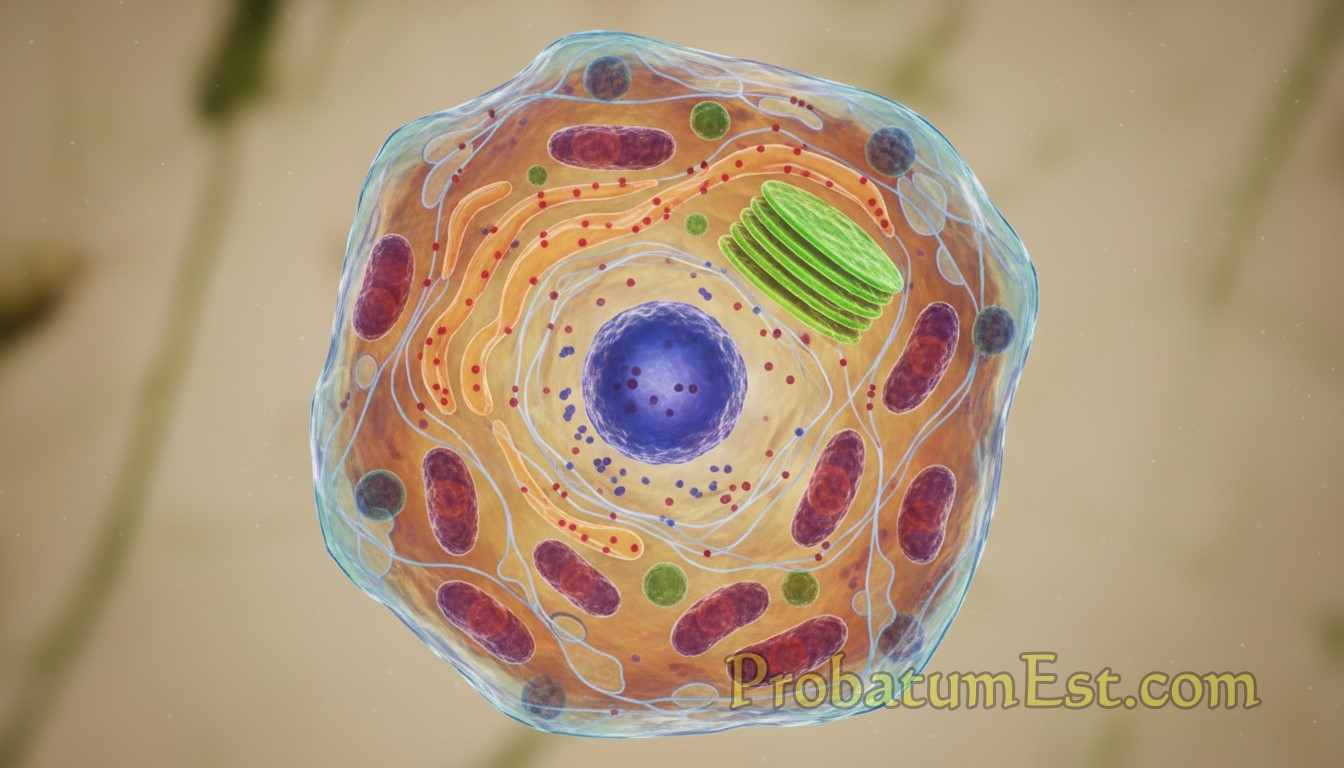
Eukaryotic Cells serve as the fundamental building blocks of many diverse organisms, including animals, plants, fungi, and numerous unicellular species. These cells, distinguished by their membrane-bound organelles and true nucleus, underpin a vast array of complex life forms, making them a focal point of scientific research. Below is a thorough overview of eukaryotic cells, including their main characteristics, structural components, and why they remain such a critical field of study across multiple scientific disciplines.
1. Defining Characteristics of Eukaryotic Cells
a. True Nucleus
One of the key defining features of a eukaryotic cell is its true nucleus. The genetic material (DNA) is housed within a well-defined nuclear membrane, which allows for greater organization and regulation of gene expression. This characteristic contrasts with prokaryotic cells, which lack a true nucleus.
b. Membrane-Bound Organelles
In addition to the nucleus, eukaryotic cells contain specialized compartments — organelles — each enclosed by membranes. These organelles perform distinct functions, from energy production to molecule transport, contributing to the cell’s overall efficiency. Examples include mitochondria, chloroplasts (in plant and some algal cells), the Golgi apparatus, the endoplasmic reticulum, and more.
c. Larger Cell Size
Eukaryotic cells are generally larger than their prokaryotic counterparts and often range from approximately 10 to 100 micrometers in diameter, though certain cell types can exceed these measurements. This increased size supports more intricate cellular processes and structural complexity.
2. Structural Components and Their Functions
a. The Plasma Membrane
The plasma membrane is a dynamic, selectively permeable barrier composed primarily of phospholipid bilayers, proteins, and cholesterol. It regulates the entry and exit of substances, helping maintain homeostasis within the cell. Data from the Journal of Cell Science (2019) highlights that membrane functionality is central to key processes such as signal transduction and cell-to-cell communication.
b. Cytoskeleton
The cytoskeleton consists of microtubules, microfilaments, and intermediate filaments. These protein fibers provide structural support and facilitate cell movement, transport, and division. Research by the American Society for Cell Biology (2021) emphasizes the cytoskeleton’s vital role in maintaining cell shape and enabling intracellular transport of organelles.
c. Mitochondria
Often referred to as the “powerhouses of the cell,” mitochondria generate ATP (adenosine triphosphate), the energy currency required for numerous cellular activities. They contain their own DNA and ribosomes, supporting some level of independence in protein synthesis. According to a study published in the journal Cell Metabolism (2020), mitochondria are instrumental not just in energy production but also in signaling pathways that influence cell growth and death.
d. Endoplasmic Reticulum (ER)
The ER is a network of membranes involved in the synthesis and folding of proteins (rough ER) as well as in lipid metabolism (smooth ER). Malfunctions in these processes can lead to various cellular dysfunctions, illustrating why research on ER-related diseases is an ongoing priority in molecular biology.
e. Golgi Apparatus
The Golgi apparatus modifies and packages proteins and lipids into vesicles for transport to their intended destinations. This organelle is essential in protein processing, exemplified by the many genetic disorders arising when proteins are incorrectly modified or targeted.
f. Lysosomes and Peroxisomes
Lysosomes contain hydrolytic enzymes to break down cellular waste, while peroxisomes house oxidative enzymes that detoxify harmful substances and metabolize fatty acids. Data from the National Center for Biotechnology Information (NCBI) highlight these compartments as integral to cellular health, making them primary targets for research into various metabolic disorders.
g. Chloroplasts (in Plant and Some Algal Cells)
Present in plant and certain algal eukaryotic cells, chloroplasts perform photosynthesis, converting light energy into chemical energy stored in glucose. Although not found in all eukaryotic cells, chloroplasts provide a quintessential illustration of how specialized organelles can significantly expand a cell’s functional repertoire.
3. Importance of Eukaryotic Cells in Health and Disease
a. Role in Multicellular Organisms
Tissues and organs in multicellular organisms rely on specialized eukaryotic cells working together. Each cell type — muscle, nerve, epithelial, among others — has distinct features designed for its function. This specialization permits the development of complex biological systems.
b. Medical Research and Therapeutics
Eukaryotic cell lines remain at the forefront of drug discovery and biomedical research. Scientists leverage these cell models to test the efficacy of new pharmaceuticals, investigate genetic conditions, and study cellular responses to external stimuli. The results of a 2021 study in Nature Biotechnology showed that more than 70% of early-stage drug discovery projects utilized cultured eukaryotic cells to screen compounds for safety and effectiveness.
c. Cell Malfunction and Disorders
Many diseases stem from malfunctions at the cellular level. For instance, problems in the mitochondrial oxidative phosphorylation pathway can lead to certain metabolic disorders. Research by the European Molecular Biology Laboratory (EMBL) indicates that understanding these pathways in eukaryotic cells can guide the development of precision treatments for rare genetic conditions.
4. Real-World Examples and Case Studies
a. Cancer Research
Cancer arises when cell growth and division become dysregulated. Investigations into the cell cycle, apoptosis (programmed cell death), and signal transduction pathways in eukaryotic cells have paved the way for targeted therapies aimed at blocking unchecked cell proliferation. The American Cancer Society notes that many modern treatments focus on restoring normal regulatory functions to eukaryotic cells or cutting off pathways that supply cancer cells with the resources they need to multiply.
b. Agricultural Innovations
Crop science relies heavily on understanding plant cell biology. Researchers seek to enhance plant yields, fortify resilience against environmental stress, and improve nutritional content — all rooted in the intricacies of eukaryotic cell function. Studies published in Plant Physiology highlight gene-editing techniques that optimize chloroplast function in plants to boost efficiency and resource utilization.
c. Industrial Biotechnology
Yeasts and other fungi — also eukaryotic — are widely used in biotechnology to produce bread, beer, antibiotics, and biofuels due to their rapid growth and production of valuable metabolites. An industry survey by the Biotechnology Innovation Organization (2020) found that over 30% of companies in fermentation-based sectors rely heavily on yeast cells to produce high-value enzymes and compounds.
5. Ongoing Research and Future Directions
a. Genome Editing and Synthetic Biology
Breakthroughs in genome editing technology, such as CRISPR-based systems, have made it possible to manipulate eukaryotic cells with increasing precision. This approach allows researchers to add, remove, or alter specific genes, offering promising avenues for regenerative medicine and novel therapeutics.
b. Stem Cells
Stem cells, unique among eukaryotic cells for their ability to differentiate into a wide range of cell types, represent a field of immense scientific interest. Progress in this area could revolutionize treatments for degenerative diseases and injuries by enabling the growth of replacement tissues.
c. Organelle-Specific Targeting
As scientists unveil the complexities of organelle-specific pathways, new pharmaceutical strategies are emerging to target specific organelles. This precision can potentially reduce side effects and increase the efficacy of treatments. A 2022 publication in Trends in Pharmacological Sciences suggests that ongoing advancements in nanotechnology are making organelle-targeted medication delivery a realistic goal.
Conclusion: Eukaryotic Cells as Cornerstones of Modern Biology
With their membrane-bound organelles and highly regulated internal structures, eukaryotic cells continue to captivate researchers and clinicians alike. Their organization enables an extensive range of functions vital to the survival of many organisms. Whether aiding in medical breakthroughs or enhancing agricultural productivity, the study of eukaryotic cells is at the heart of endeavors that can significantly improve human well-being. As new technologies refine our capacity to explore and manipulate these cells at the most granular level, we stand poised to unlock a deeper understanding of life’s complexities and harness this knowledge to address pressing challenges in health, industry, and beyond.
References and Further Reading:
- American Society for Cell Biology (2021). “The Cytoskeleton and Cell Organization.”
- Cell Metabolism (2020). “Mitochondrial Function in Health and Disease.”
- European Molecular Biology Laboratory (EMBL). “Genetic Disorders Linked to Cellular Pathways.”
- Journal of Cell Science (2019). “Membrane Dynamics and Function in Eukaryotic Cells.”
- Nature Biotechnology (2021). “Applications of Eukaryotic Cell Cultures in Drug Discovery.”
- Plant Physiology. “Enhancing Photosynthetic Efficiency in Eukaryotic Cells.”
- Trends in Pharmacological Sciences (2022). “Organelle-Targeted Therapies: Emerging Frontiers.”
By maintaining a focus on the core features and research developments of eukaryotic cells, we gain invaluable insights into the complexities of life and open possibilities for innovation in science, medicine, and technology.


Leave a Reply