Tag: Desert
-
Freshwater Biome
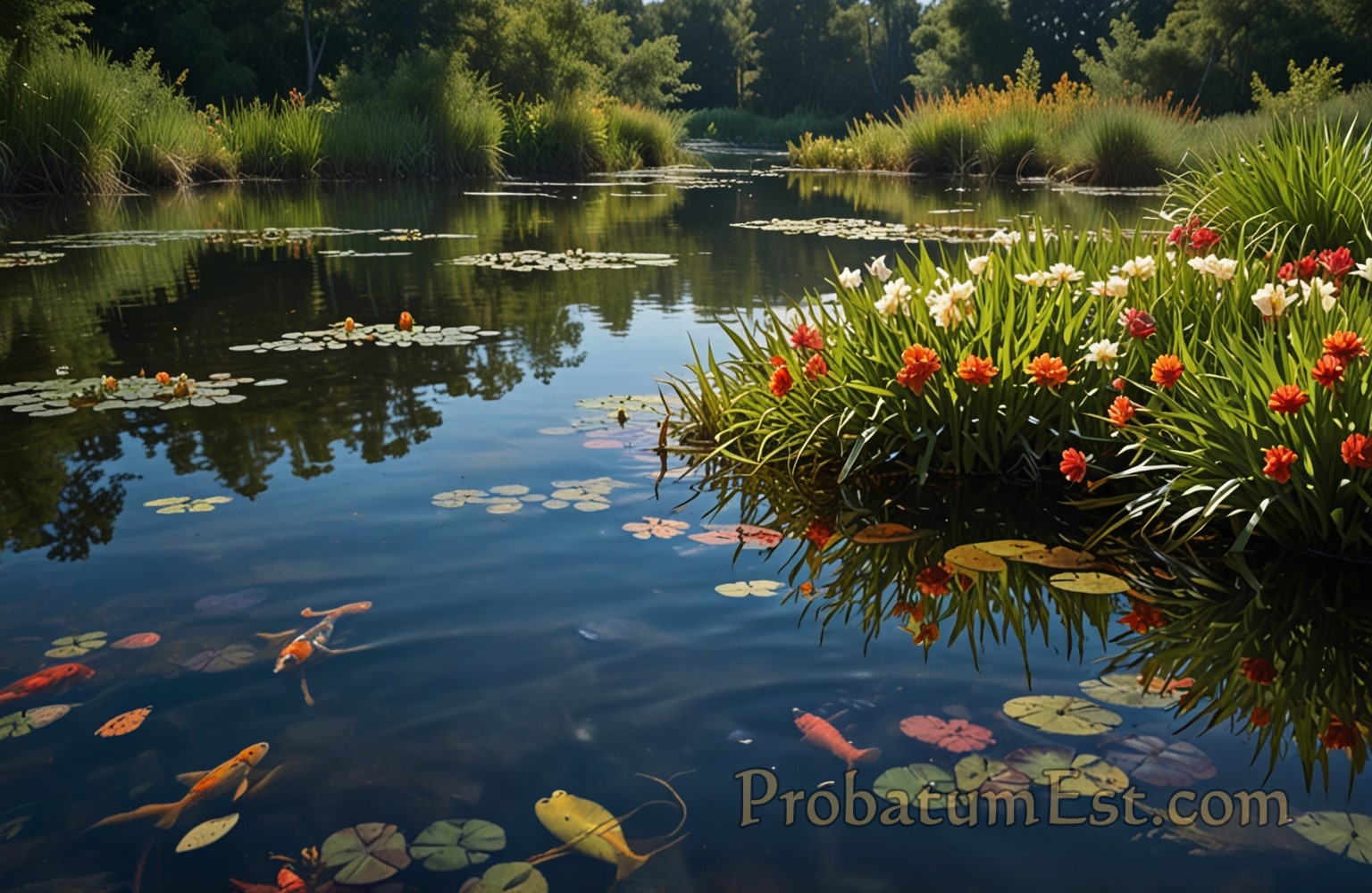
The Freshwater Biome is an indispensable component of the Earth’s ecosystem. Despite covering a mere 2.5% of the global water supply and less than 1% of Earth’s surface, freshwater biomes are vital for sustaining biodiversity, providing water resources, and supporting countless human activities. From lush rivers and serene lakes to mysterious wetlands and invigorating streams,… …read more

-
Life on Earth
Life on Earth is a testament to the complexity, adaptability, and diversity of organic processes that have unfolded over billions of years. From single-celled organisms to the vast web of interconnected ecosystems, life on our planet is both a scientific marvel and a source of endless fascination. This article aims to explore life on Earth… …read more
-
Polar Desert – Understanding the Stark Beauty and Ecological Significance
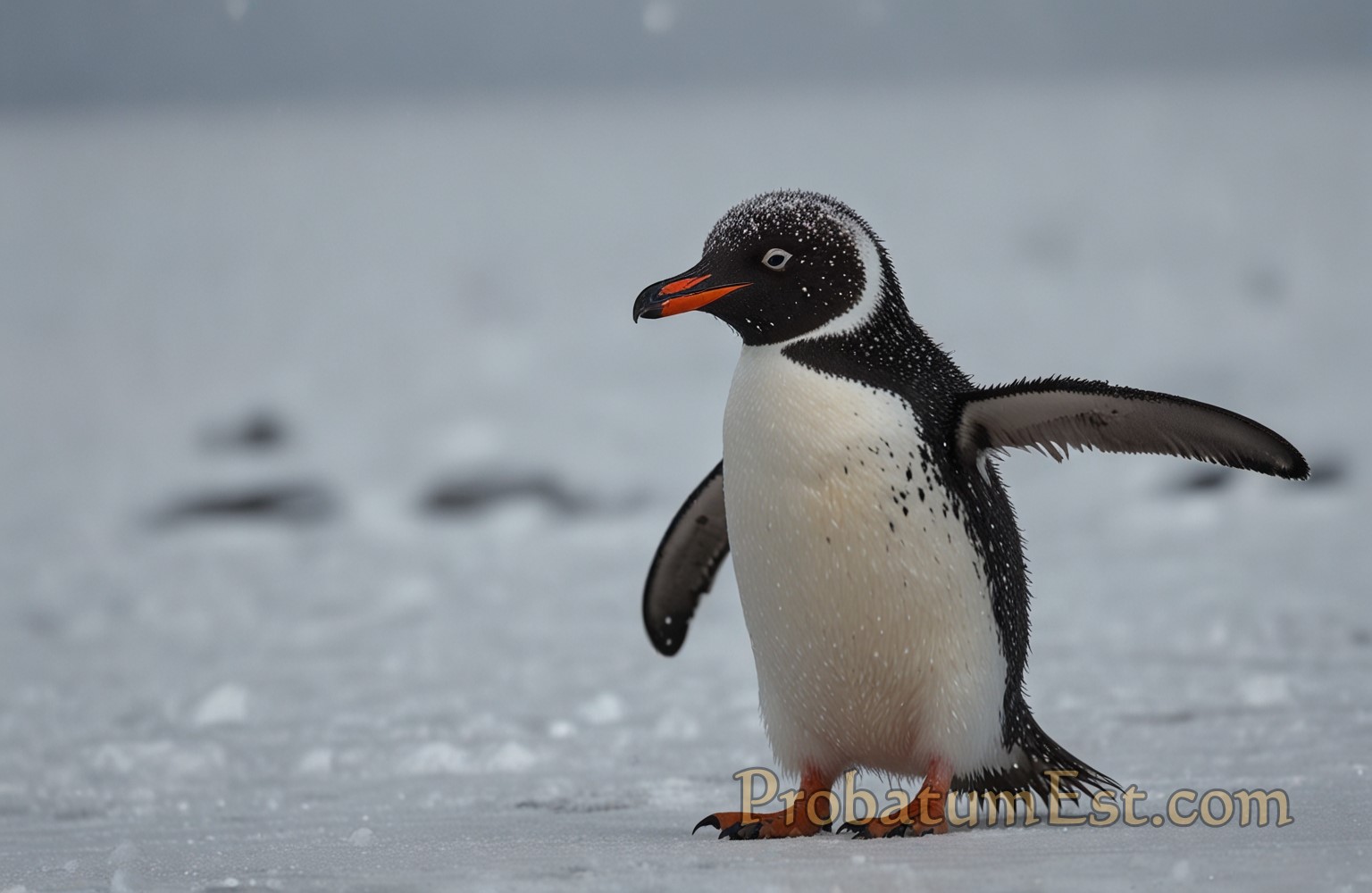
The term “desert” typically conjures images of sun-drenched sand dunes and scorching heat, but our planet also hosts another, equally enigmatic type of desert environment: The Polar Desert. Characterized by extreme cold, low precipitation, and desolate landscapes, polar deserts are a fascinating subject of ecological and scientific study. This article delves deeply into the characteristics,… …read more
-
Is Antarctica a Desert?
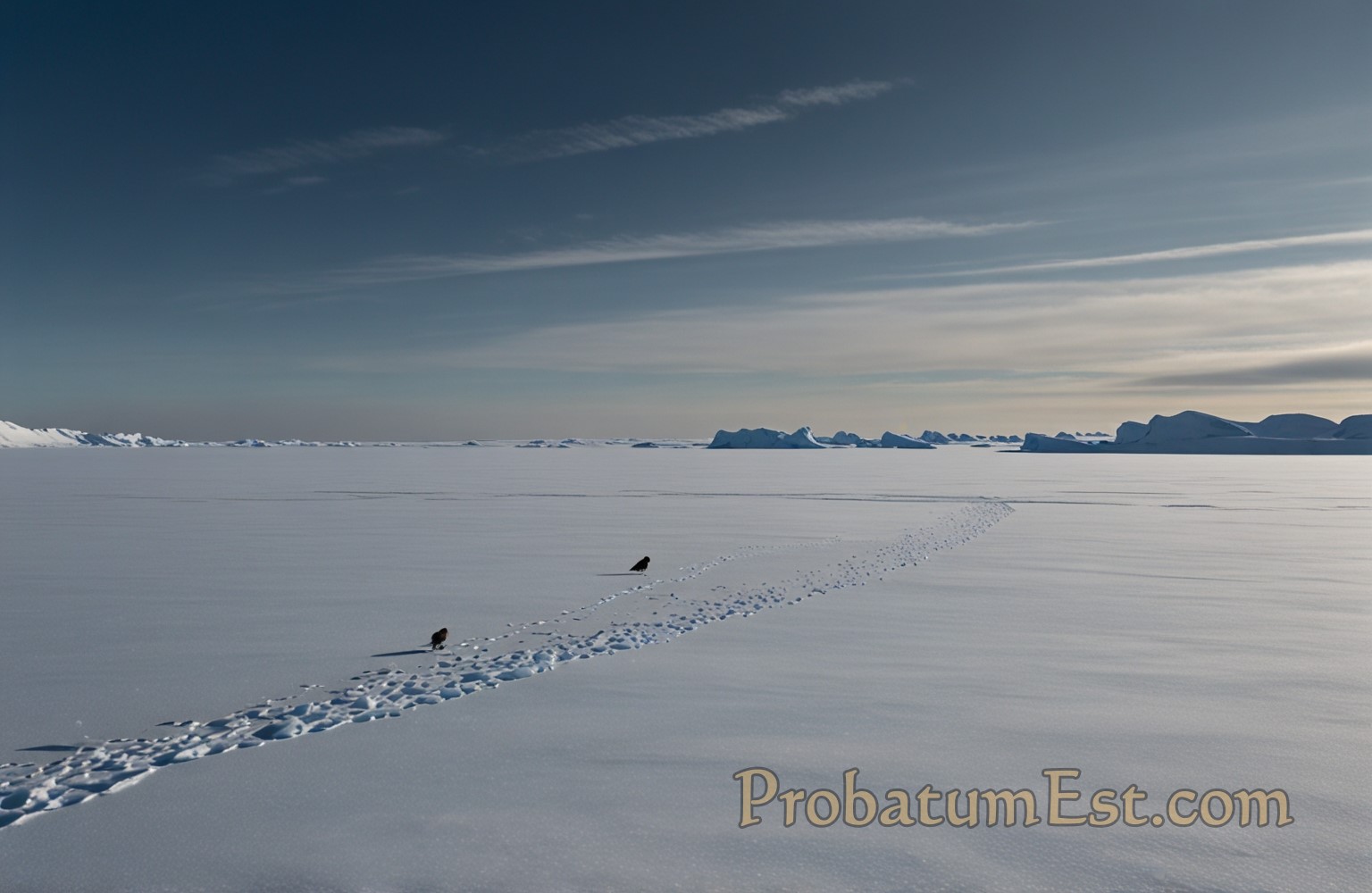
When the word “desert” is mentioned, images of sweeping sand dunes, scorching sun, and arid landscapes typically come to mind. Conversely, Antarctica conjures visions of ice, snow, and freezing temperatures. This juxtaposition raises an intriguing question: Is Antarctica a desert? To answer this, we must delve into the criteria that define a desert and examine… …read more
-
Deserts
Deserts are among the Earth‘s most intriguing and varied biomes. These arid landscapes cover about one-third of the Earth’s surface and are characterized by their limited precipitation, extreme temperatures, and unique ecosystems. Despite their harsh conditions, deserts are teeming with life and possess a wealth of natural beauty and ecological intricacy. 1. Characteristics of Deserts… …read more
-
Biomes – Earth’s Natural Classifications of Life
Biomes represent the grand tapestry of life on Earth, encompassing vast ecological regions categorized by distinct climate conditions, flora, and fauna. These natural classifications provide scientists with a framework to study the interactions between the environment, organisms, and the impact of human activities. This article delves deep into the intricacies of biomes, offering an exhaustive… …read more
-
Natural World – A Deep Dive into Earth’s Biodiverse and Dynamic Ecosystem
The Natural World, our planet’s stunning and complex biosphere, presents an extraordinary array of life and physical processes. This intricate network of ecosystems, species, and natural phenomena continues to captivate and influence humanity, offering insights into the mechanisms that sustain life itself. A thorough examination of the natural world encompasses ecological systems, biodiversity, geological elements,… …read more
-
Ecosystems – Interplay of Organisms and Their Environments
An Ecosystem is an intricate and dynamic network where biotic (living) and abiotic (non-living) components interact, creating a complex web of relationships that define the environments of our planet. From vast oceans to mountainous terrains and bustling urban landscapes, ecosystems encompass every geographical and biological strand of the Earth. This article delves deep into the… …read more
-
Natural Environment
The natural environment comprises all living and non-living things occurring naturally on Earth. This complex web of ecosystems, landscapes, and climates provides essential services, sustains biodiversity, and maintains life-supporting resources. In examining the natural environment, it is crucial to consider both biotic components — like plants, animals, and microorganisms — and abiotic factors, such as… …read more
-
Which Continent Has the Most Countries?
When pondering the question, “Which continent has the most countries?” it’s essential to explore it from various angles, delving into not only the raw numbers but also the historical, geographical, and socio-political aspects that contribute to these figures. This comprehensive examination will provide a nuanced understanding of the continent with the most countries globally. The… …read more