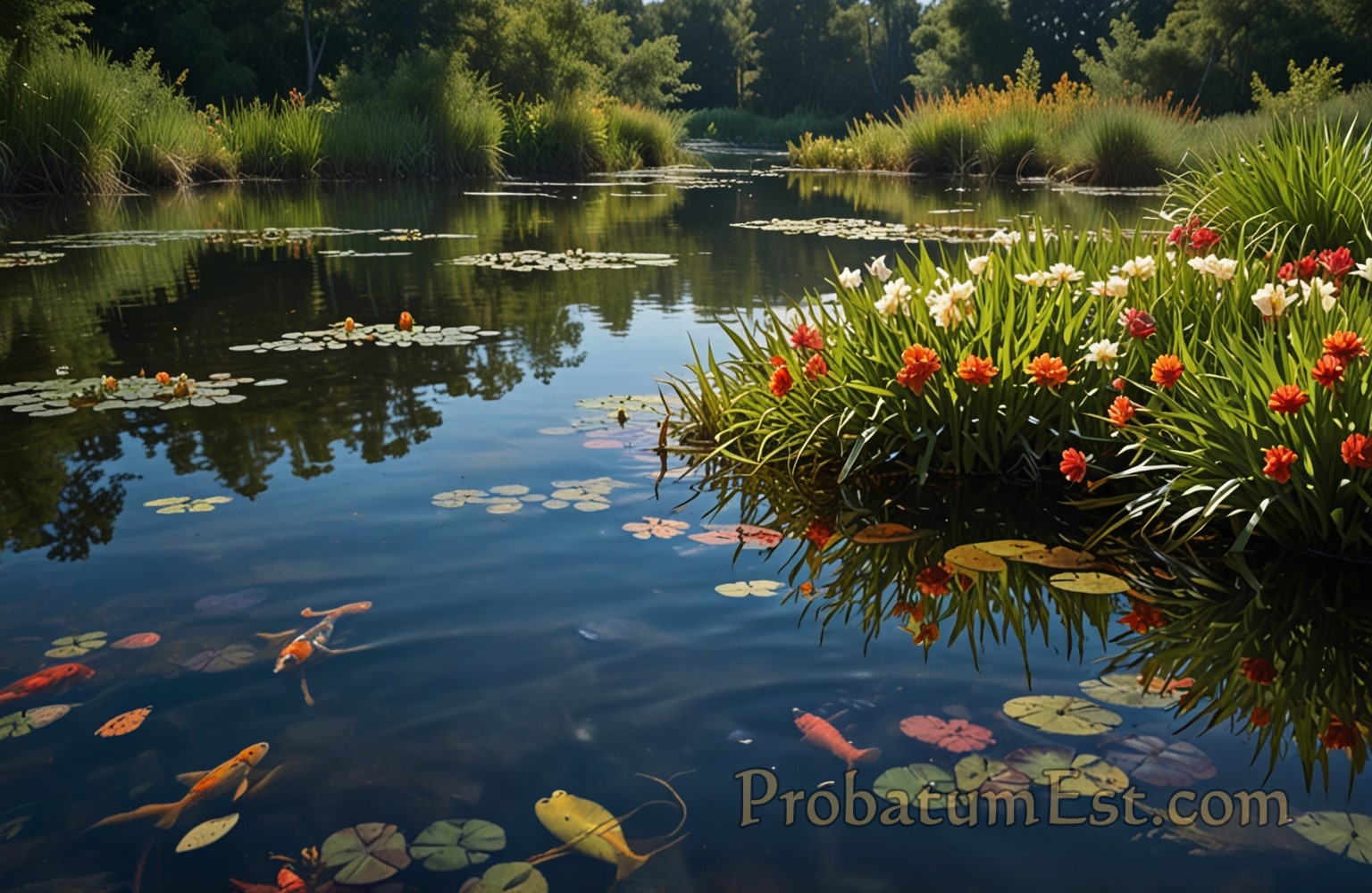
The Freshwater Biome is an indispensable component of the Earth’s ecosystem. Despite covering a mere 2.5% of the global water supply and less than 1% of Earth’s surface, freshwater biomes are vital for sustaining biodiversity, providing water resources, and supporting countless human activities. From lush rivers and serene lakes to mysterious wetlands and invigorating streams, each encompasses a unique subset of environments contributing to global ecological health.
Characteristics of the Freshwater Biome
Types of Freshwater Biomes
- Lakes and Ponds: These are standing bodies of freshwater that can range from small to vastly expansive. Lakes are typically deeper than ponds and can host stratified layers affecting both temperature and oxygen levels. Ponds generally have more uniform temperatures throughout.
- Rivers and Streams: Flowing waters originating from glaciers, springs, or rainwater accumulation, these water bodies traverse diverse terrains, carrying nutrients and organisms throughout their course. Their velocity influences sediment transport and habitat formation.
- Wetlands: Unique for their saturation, wetlands include swamps, marshes, and bogs. They are crucial for water filtration, flood control, and providing habitats for specialized plant and animal species.
Physical and Chemical Properties
- Temperature: Freshwater systems exhibit a range of temperatures based on depth, seasonal changes, and geographical location. Thermal stratification in lakes creates distinct layers with varying temperatures and dissolved oxygen levels.
- Light Availability: Turbidity and depth influence light penetration, affecting photosynthesis and plant growth. Shallower, clearer waters tend to support more robust aquatic vegetation.
- pH Level: Freshwater biomes typically have a neutral to slightly acidic pH. Variations can occur due to geological formations, pollution, or natural events, impacting species composition.
- Dissolved Oxygen: Essential for aquatic organisms, oxygen levels fluctuate with temperature, flow, and biological activity. Healthy ecosystems maintain a balance, supporting diverse life forms.
Biological Aspects
Flora of Freshwater Biomes
Freshwater biomes host a plethora of plant species, ranging from microscopic algae to towering trees in swampy areas. They play critical roles in oxygen production through photosynthesis and serve as foundational elements of food webs.
- Aquatic Plants: These include submerged species like eelgrass, floating plants such as duckweed, and emergent species like cattails, providing habitat, food, and shelter.
- Phytoplankton: As primary producers, they form the base of many aquatic food pyramids. Their distribution and abundance can reflect water quality and nutrient availability.
Fauna of Freshwater Biomes
Freshwater ecosystems are teeming with life, housing an astonishing variety of fauna, including:
- Invertebrates: These include insects, mollusks, and crustaceans which play crucial roles in nutrient cycling and as prey for larger animals.
- Fish: Ranging from small minnows to large predators like pike, fish species adapt to their environment regarding diet, reproduction, and behavior.
- Amphibians: Frogs, toads, and salamanders thrive in wetlands and are indicators of ecological health due to their sensitivity to environmental changes.
- Birds and Mammals: From waterfowl to beavers, a myriad of birds and mammals rely on freshwater habitats for nesting, feeding, and reproduction.
Ecological Importance
Freshwater biomes contribute significantly to ecological balance and biodiversity:
- Biodiversity Hotspots: These biomes support high levels of both endemic and migratory species, making them critical for conservation efforts.
- Nutrient Cycling: Freshwater systems facilitate nutrient cycling, supporting terrestrial and aquatic food webs.
- Climate Regulation: Wetlands in particular sequester carbon, potentially mitigating alleged climate change effects, and help regulate the water cycle through evaporation and precipitation patterns.
Human Interactions and Impact
Utilization of Resources
Humans have long relied on freshwater biomes for water supply, agriculture, industry, and recreation. These biomes provide fish and other resources crucial for sustenance and economic economies.
Threats to Freshwater Biomes
Despite their value, these ecosystems face significant threats due to human activities:
- Pollution: Industrial runoff, agricultural pesticides, and urban waste contribute to the degradation of water quality.
- Over-extraction: Unsustainable water use for irrigation, drinking, and industrial processes depletes aquifers and rivers.
- Habitat Destruction: Urbanization, damming, and deforestation disrupt natural habitats, leading to loss of biodiversity.
- Climate Change: Alterations in precipitation patterns, increased temperatures, and extreme weather events further strain freshwater biomes.
Conservation Efforts
Efforts to preserve these delicate ecosystems include:
- Protected Areas: Establishing reserves and parks helps safeguard critical freshwater habitats and species.
- Restoration Projects: Efforts to rehabilitate degraded wetlands, rivers, and lakes aim to restore natural functions and biodiversity.
- Sustainable Practices: Encouraging responsible water use, pollution control, and habitat protection ensures the longevity of freshwater resources.
Conclusion
The freshwater biome, though limited in physical scope, vast in ecological importance and demands our attention and care. By understanding its complexities and challenges, we can work towards sustainable interactions, ensuring that these vital ecosystems persist in supporting life on Earth for generations to come.




Leave a Reply