Tag: Ecology
-
Tundra
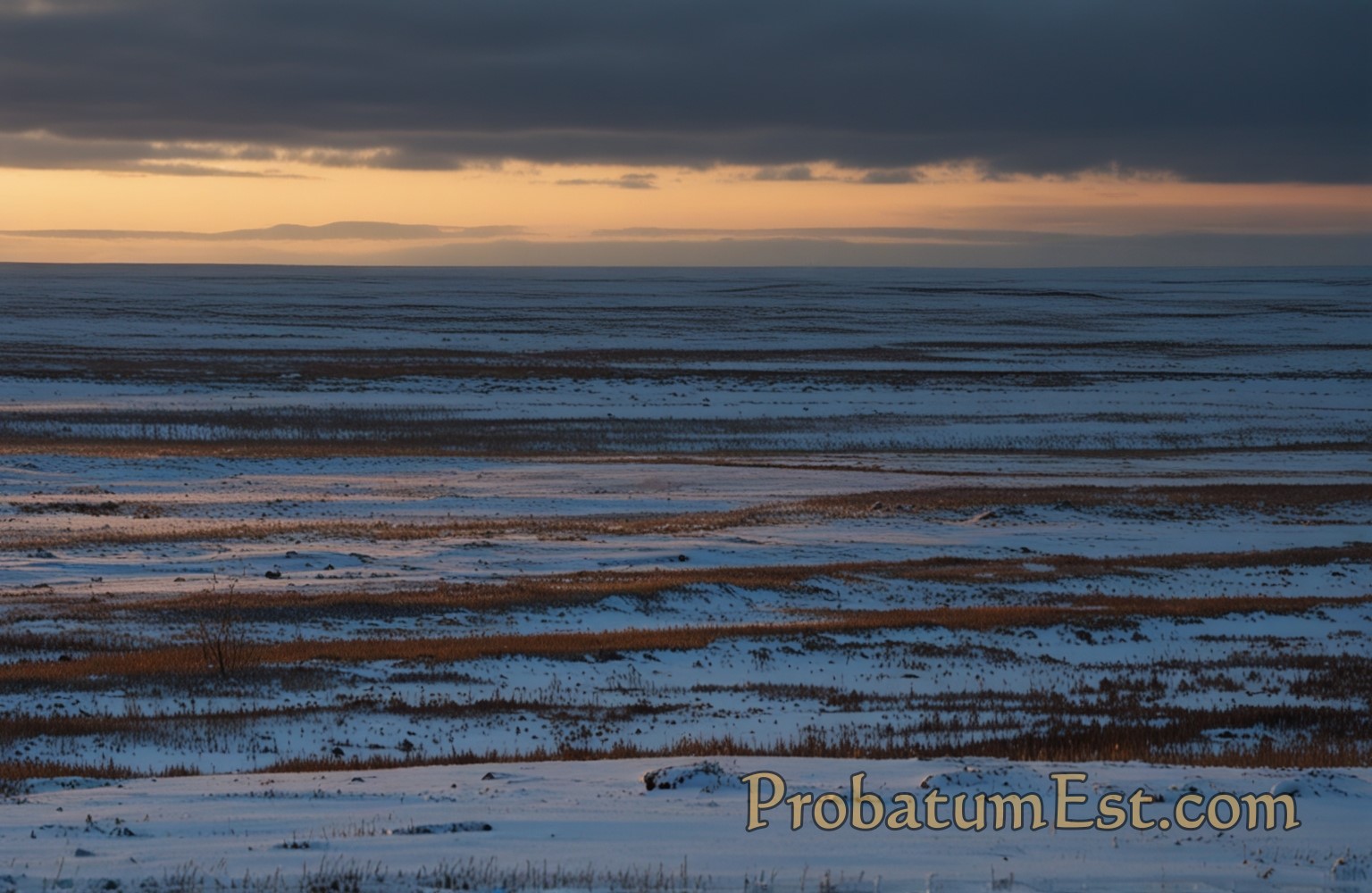
The tundra is a biome characterized by its cold, barren landscape, and is marked by stark beauty and ecological significance. Vast and desolate, it covers approximately 20% of the Earth’s surface, primarily encircling the North Pole and in mountainous regions. The tundra is composed of two main types: the Arctic tundra, found in the high… …read more

-
Boreal Forest
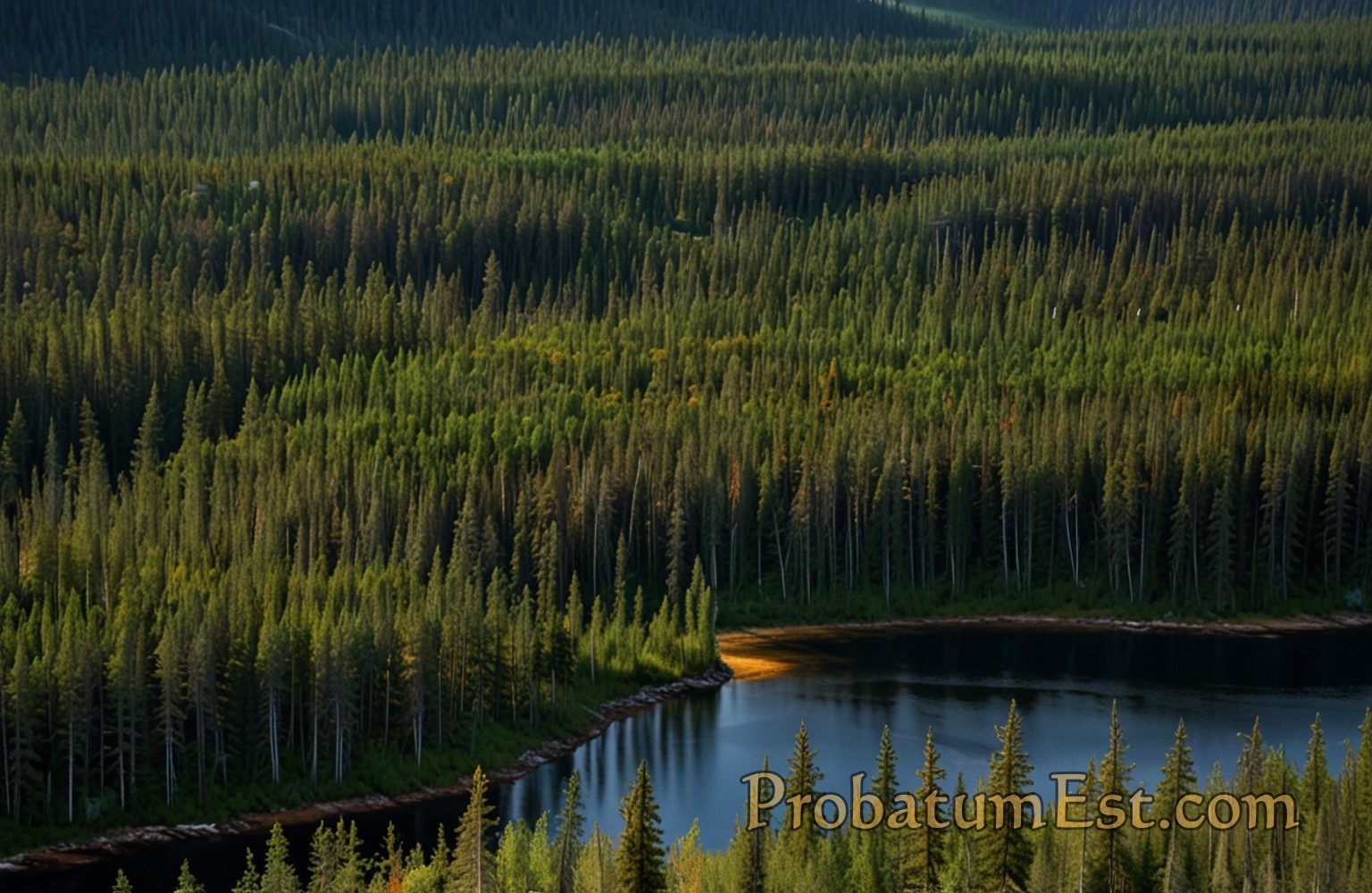
The Boreal Forest, also known as Taiga, is one of the planet’s largest biomes, forming a nearly continuous belt around the Earth just below the Arctic Circle. It spans across North America, Europe, and Asia, covering vast areas in countries like Canada, Russia, Finland, and Sweden. This forest is not only a critical ecosystem supporting… …read more
-
Northern Hemisphere
The Northern Hemisphere of Earth, a vast and diverse half of our planet, is a region characterized by both unique and common traits. Divided by the Equator, the Northern Hemisphere is home to about 90% of the human population, encompasses diverse climates, and hosts a rich tapestry of ecosystems, cultures, and economies. Delving into its… …read more
-
Equator – A Line that Divides, Yet Unites
The Equator stands as one of the most significant imaginary lines on Earth. Though invisible, it has tangible impacts on climate, culture, biodiversity, navigation, and science. This article delves deep into the significance of the Equator, its geographical importance, its climatic influence, and its cultural and scientific roles. Geographical Significance Definition and Location The Equator… …read more
-
Temperate Climate Zone
EarthThe Earth is a realm of diverse climates, each contributing uniquely to the planet’s ecological tapestry. One of the most significant climatic zones in terms of biodiversity, human habitation, and economic productivity is the temperate zone. This article delves deep into understanding the temperate climate zone, its defining characteristics, ecosystems, human impacts, and its crucial… …read more
-
Dry Climate Zone
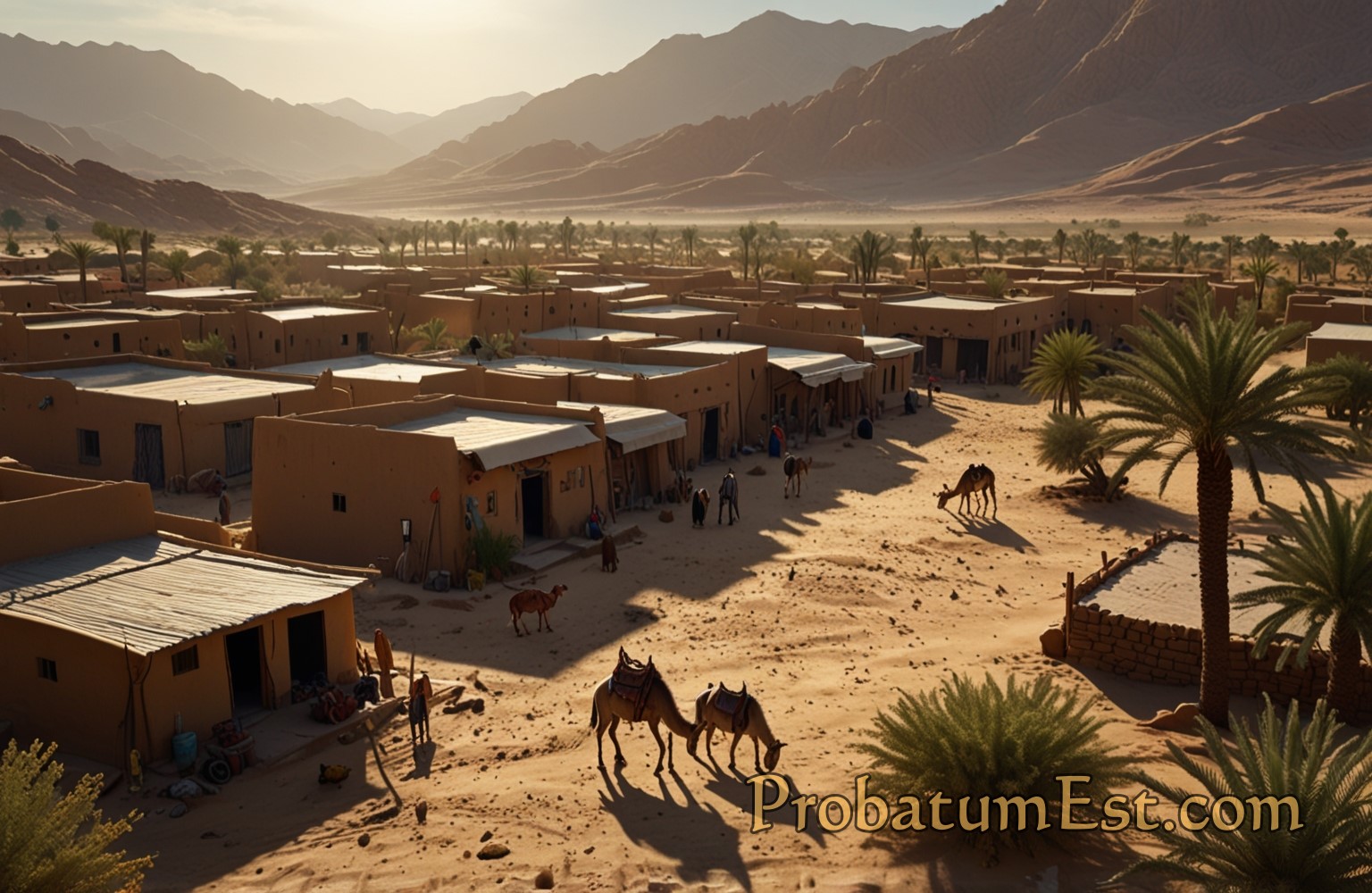
The Earth, a planet of diverse climates and ecosystems, is home to a fascinating array of environmental conditions that define its many regions. Among these, the “Dry Climate Zone,” commonly referred to as arid or semiarid regions, presents a unique and intriguing aspect of Earth’s climate. Characterized by low precipitation, high evaporation rates, and distinctive… …read more
-
Tropical Climate Zone
The Earth is divided into various climatic zones, each characterized by distinct weather patterns and environmental conditions. Among these, the tropical climate zone, also known as the Torrid Zone, occupies a significant portion of our planet. Nestled between the Tropic of Cancer in the Northern Hemisphere and the Tropic of Capricorn in the Southern Hemisphere,… …read more
-
Introduction to Science
Science is a systematic enterprise that builds and organizes knowledge in the form of testable explanations and predictions about the universe. At its core, science is about understanding the world through empirical evidence and theoretical explanation. It is a thriving field that has transformed human existence, leading to groundbreaking discoveries and innovations. In this comprehensive… …read more