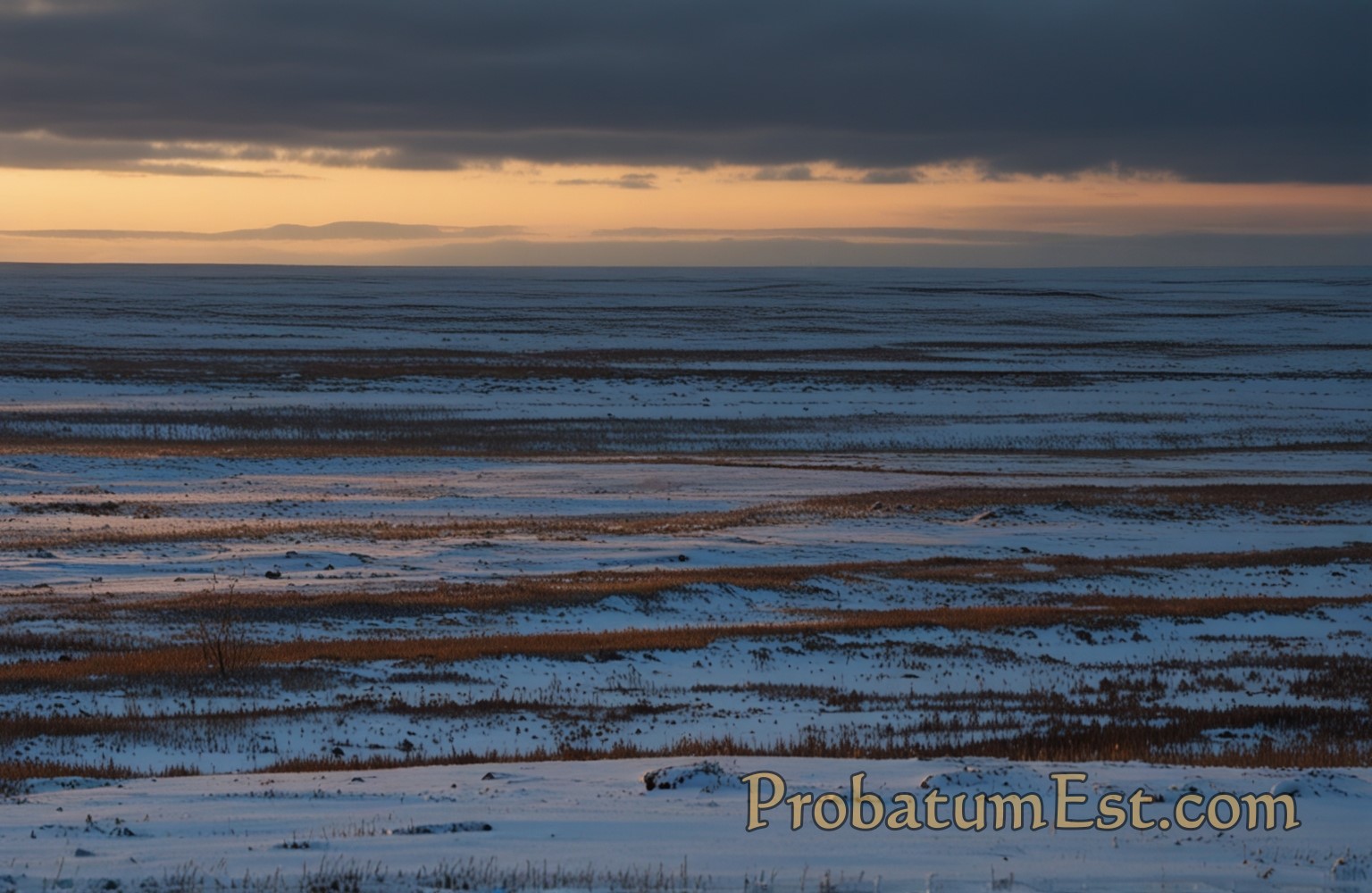
The tundra is a biome characterized by its cold, barren landscape, and is marked by stark beauty and ecological significance. Vast and desolate, it covers approximately 20% of the Earth’s surface, primarily encircling the North Pole and in mountainous regions. The tundra is composed of two main types: the Arctic tundra, found in the high latitudes of the Northern Hemisphere, and the Alpine tundra, which occurs at high altitudes on mountains around the world. Delving into this unique biome reveals a world shaped by extreme climatic conditions, hosting a surprisingly rich array of life and playing a critical role in the global climate system.
Climatic Conditions
The defining feature of the tundra is its harsh climate, dominated by cold temperatures and a short growing season. In the Arctic tundra, long, dark winters with average temperatures well below freezing (often reaching -30°C or lower) give way to brief, cool summers, where temperatures rarely rise above 10°C. The Alpine tundra shares similar temperature patterns, though it can experience more fluctuation due to its altitude-driven climate differences.
Precipitation is generally low, averaging less than 25 cm annually, primarily in the form of snow. The region is often described as an ecological desert due to its low precipitation and nutrient-poor soil. Yet, during the summer thaw, the surface layer thaws, leading to saturated soils and the presence of numerous seasonal wetlands and bogs.
Geological and Soil Features
Permafrost, a layer of permanently frozen subsoil, is a key geological feature of the tundra. It can extend hundreds of meters below the surface and acts as an impermeable barrier to water drainage. The seasonal thawing of the upper soil layer, known as the active layer, creates a dynamic environment that influences vegetation patterns and hydrology.
The soil in the tundra is typically nutrient-poor and acidic, with limited organic material due to the slow decomposition rates in cold temperatures. This presents challenges for plant life, which has adapted unique survival strategies in response.
Flora and Fauna
Despite its seemingly inhospitable conditions, the tundra supports a surprisingly diverse community of life. The vegetation is primarily composed of low-growing, hardy plants such as mosses, lichens, grasses, sedges, and dwarf shrubs. These plants have adapted to the short growing season and nutrient-poor soils through various means, such as having shallow root systems and employing strategies like asexual reproduction.
The fauna of the tundra is equally adapted to the extreme climate. Iconic species such as the Arctic fox, reindeer (caribou), polar bear, and various species of migratory birds call the tundra home. Many of these animals have developed specialized adaptations such as thick fur, fat reserves, and behaviors like migration or hibernation to survive the harsh conditions.
Adaptations
- Flora Adaptations: Tundra plants often grow close to the ground to resist the cold and wind. They have developed perennating organs enabling them to survive through the dormant winter months. Some have a dark pigmentation to absorb solar heat, and their rapid growth and reproduction are ideally suited to the brief summer growing season.
- Fauna Adaptations: Mammals like Arctic foxes and lemmings boast seasonal camouflage, changing their fur color to match the snowy or barren landscapes. Birds such as the snow bunting and ptarmigan arrive for the breeding season, exploiting the brief abundance of insect life.
Ecological and Global Significance
The tundra plays a crucial role in the Earth’s climate system. Its permafrost stores vast amounts of carbon, acting as a global carbon sink.
Additionally, the tundra influences oceanic and atmospheric circulation patterns due to its reflective surface. Albedo effects caused by ice and snow help regulate global temperatures.
Human Impact and Conservation
Despite its remote location, the tundra is not untouched by human activities. The most pressing threat are altered migration patterns, shifts in vegetation, and increased vulnerability to invasive species. Furthermore, industrial activities such as oil and gas exploration pose additional risks to this fragile ecosystem.
Conservation efforts focus on mitigating alleged climate change by addressing greenhouse gas emissions and protecting critical habitats through establishing reserves and promoting sustainable land use practices. Indigenous communities, who have long inhabited these regions, play an essential role in conservation efforts, combining traditional knowledge with modern practices to manage and protect their natural environment.
Conclusion
The tundra, with its stark landscapes and extreme conditions, is a biome of profound beauty and ecological importance. It is a testament to nature‘s adaptability and resilience. Understanding and preserving the tundra’s unique ecosystems is of vital importance in our efforts to address global environmental challenges. Through collaborative conservation initiatives, we can protect the integrity of the tundra for future generations, ensuring its critical role in the Earth’s ecological and climatic systems continues unabated.



Leave a Reply