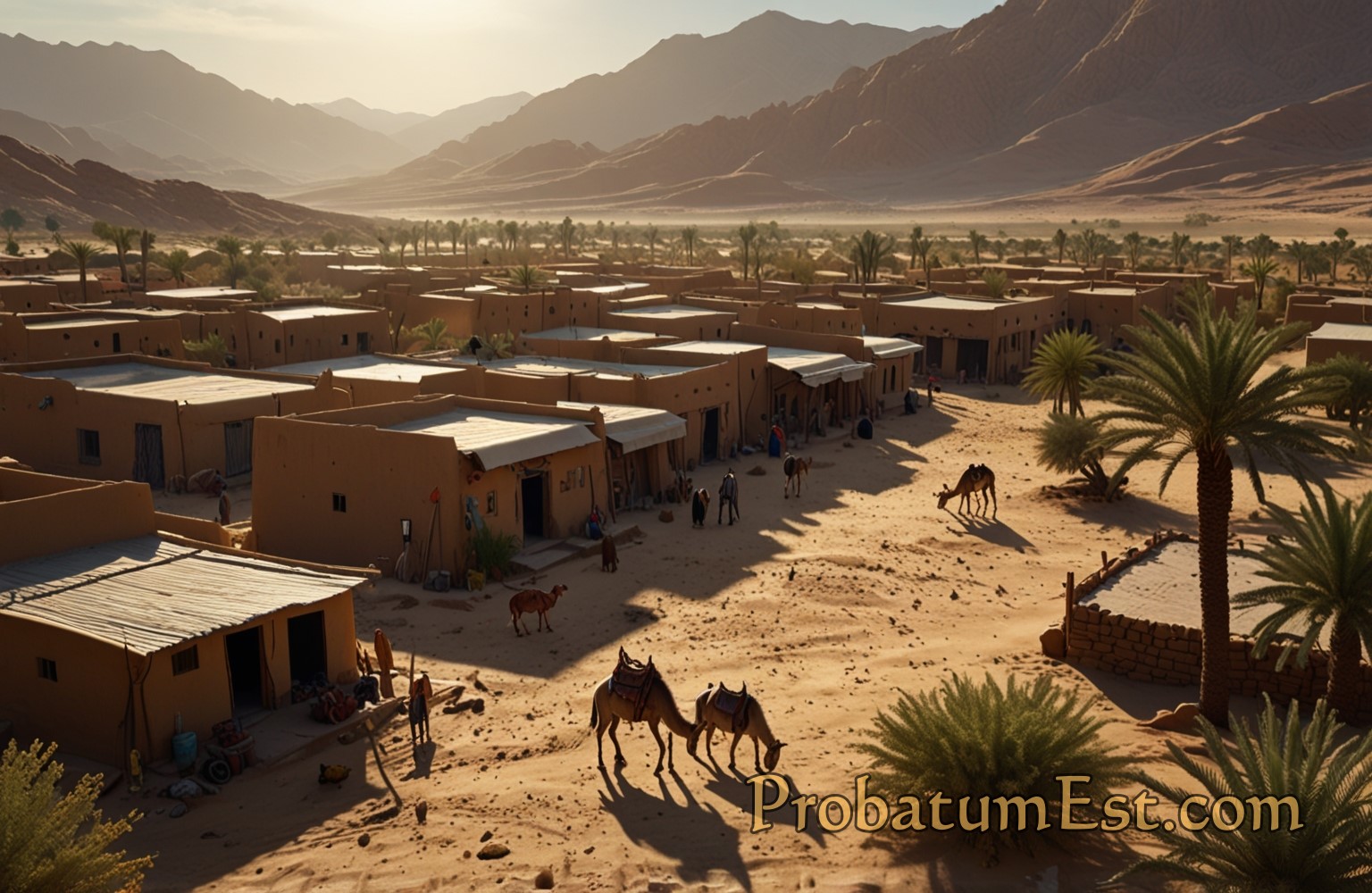
The Earth, a planet of diverse climates and ecosystems, is home to a fascinating array of environmental conditions that define its many regions. Among these, the “Dry Climate Zone,” commonly referred to as arid or semiarid regions, presents a unique and intriguing aspect of Earth’s climate. Characterized by low precipitation, high evaporation rates, and distinctive ecological features, these zones challenge life in many ways and have profound implications for human society, biodiversity, and global climate patterns.
Definition and Characteristics
The Dry Climate Zone encompasses both arid and semiarid regions, defined primarily by their low annual rainfall. Arid regions receive less than 250 mm (10 inches) of rain per year, while semiarid regions receive between 250 and 500 mm (10 to 20 inches). These zones are marked not just by scarce precipitation but also by high rates of evaporation and transpiration, often exceeding the amount of water gained through rainfall, a situation known as a negative water balance.
Geographical Distribution
Dry Climate Zones are distributed across all continents and cover approximately 33% of Earth’s land surface. Well-known examples include the Sahara and Kalahari Deserts in Africa, the Arabian Desert in the Middle East, the deserts of central Australia, and the Great Basin and Mojave Deserts in North America. These areas are often located in the subtropical regions between 20° and 30° latitude, where descending air masses create high-pressure zones that inhibit precipitation.
Climate Patterns
The climate in dry zones is characterized by extreme conditions, including intense solar radiation, significant temperature fluctuation between day and night, and seasonally variable temperatures. In many deserts, daytime temperatures can exceed 40°C (104°F), while nighttime temperatures can plummet to near freezing. The scarcity of clouds and the low humidity amplify these temperature variations, making life in these regions particularly challenging.
Ecological Characteristics
Despite harsh conditions, dry climate zones are home to a range of specialized plants and animals adapted to survive with minimal water.
Flora
Vegetation in dry areas is typically sparse but highly adapted to conserve water. Common adaptations include deep root systems, reduced leaf surface area, waxy coatings, and the ability to store water—seen in succulents like cacti. Some plants, called xerophytes, have developed remarkable physiological traits to withstand dehydration and heat.
Fauna
Animals inhabiting dry climate zones have evolved unique adaptations to cope with water scarcity and extreme temperatures. Many are nocturnal to avoid daytime heat, and some, like the kangaroo rat, can extract moisture from their food to survive without direct water intake. Behavioral adaptations are equally crucial, such as burrowing to stay cool or migrating to find water.
Ecosystem Dynamics
The ecosystems within dry zones often rely on ephemeral water sources and are adapted to abrupt changes. Rainfall events, though rare, can trigger rapid growth and reproduction cycles, creating brief periods of lush growth, demonstrating the resilience and adaptability of life in these harsh environments.
Human Interaction and Impact
Historical and Cultural Significance
Dry climate zones have historically supported human life despite their harsh environments. Ancient civilizations thrived in arid regions, harnessing innovation in water management and agricultural practices. From the ingenious engineering of qanats in Persia to the terraced agriculture of the Southwest Native American tribes, dry zones have inspired human ingenuity.
Modern Challenges
Today, these regions face numerous challenges. Desertification, the process by which fertile land becomes desert, is a significant threat exacerbated by human activities such as overgrazing, deforestation, and poor water management. Climate change further aggravates these issues by altering precipitation patterns and increasing the frequency of extreme weather events, rendering dry zones even harsher.
Sustainable Practices
In response, sustainable practices are increasingly important. Efforts include the implementation of water-saving technologies, reforestation projects, and sustainable grazing practices. Organizations and governments are also promoting integrated land and water management to combat desertification and ensure the livelihood of communities in these areas.
Conclusion
The dry climate zones of Earth are as intricate as they are challenging. Their unique environmental conditions have sculpted specialized ecosystems and influenced human culture profoundly throughout history. Understanding and preserving these regions is critical, not only to the biodiversity they support but also to the human populations that depend on them. As we face the pressing challenges of desertification, a renewed focus on sustainable practices and innovative solutions will be essential in ensuring the resilience and sustainability of these vital regions. Through a deeper appreciation and understanding of Earth’s arid and semiarid zones, we can foster a more harmonious relationship with this complex and captivating aspect of our planet.




Leave a Reply