Tag: Environmental Science
-
Infrastructure Development – Ecological Assessment of Environmental Impact
Infrastructure Development stands at the heart of modern societal progress. From roads and bridges to energy grids and water supply systems, infrastructure forms the backbone that enables connectivity, commerce, and overall economic growth. At the same time, its impact on local ecosystems, biodiversity, and environmental resources cannot be overlooked. This article offers a thorough exploration… …read more

-
When and How to Prune Apple Trees
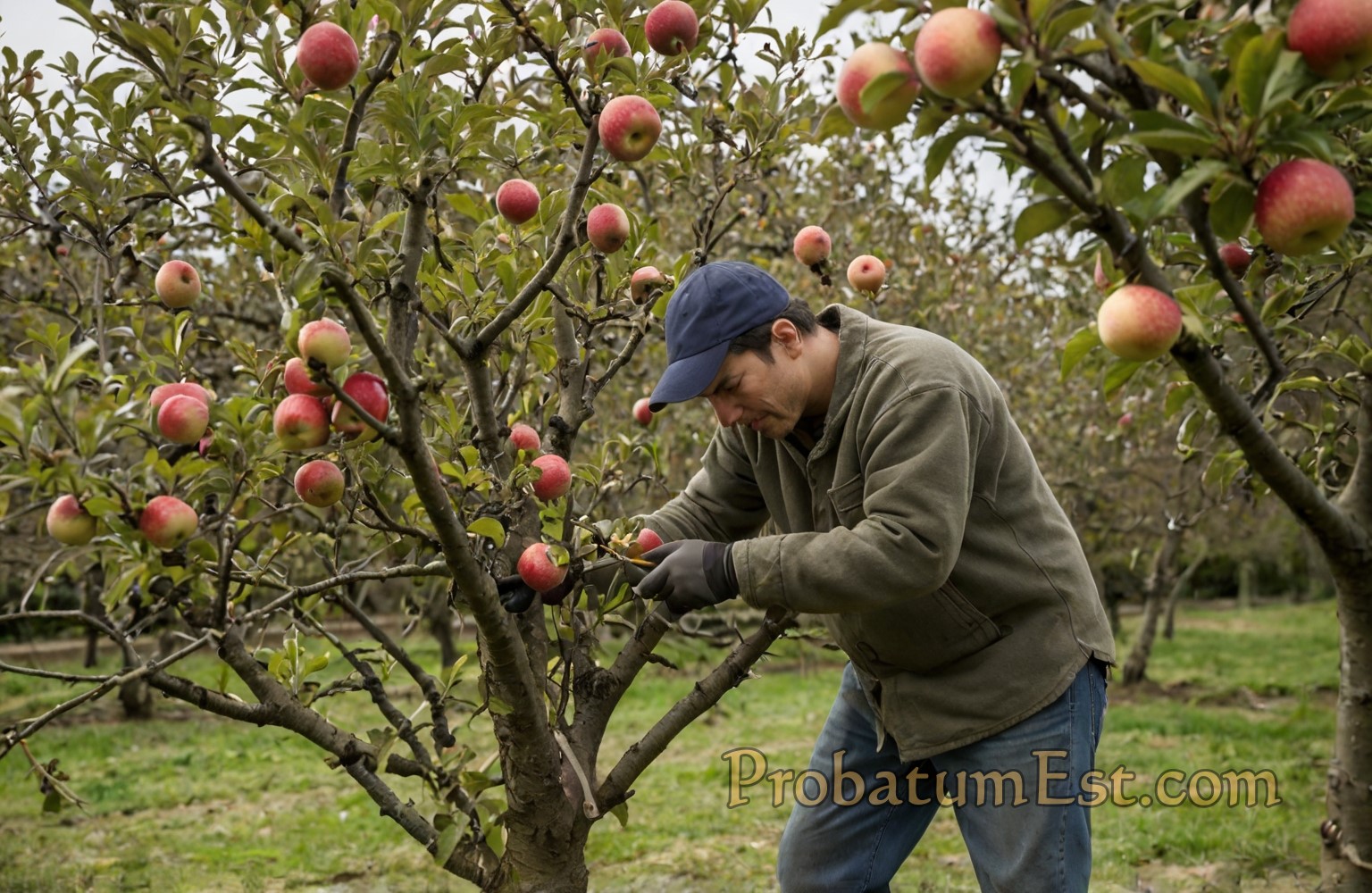
Pruning apple trees is one of the most impactful steps you can take to ensure healthier growth, abundant harvests, and attractive, orderly shapes. Done properly, pruning guides a tree’s energy toward producing high-quality fruit and strong structural branches. This article explains the best timing and techniques for pruning apple trees, along with proven strategies used… …read more
-
Do Bananas Grow on Trees?
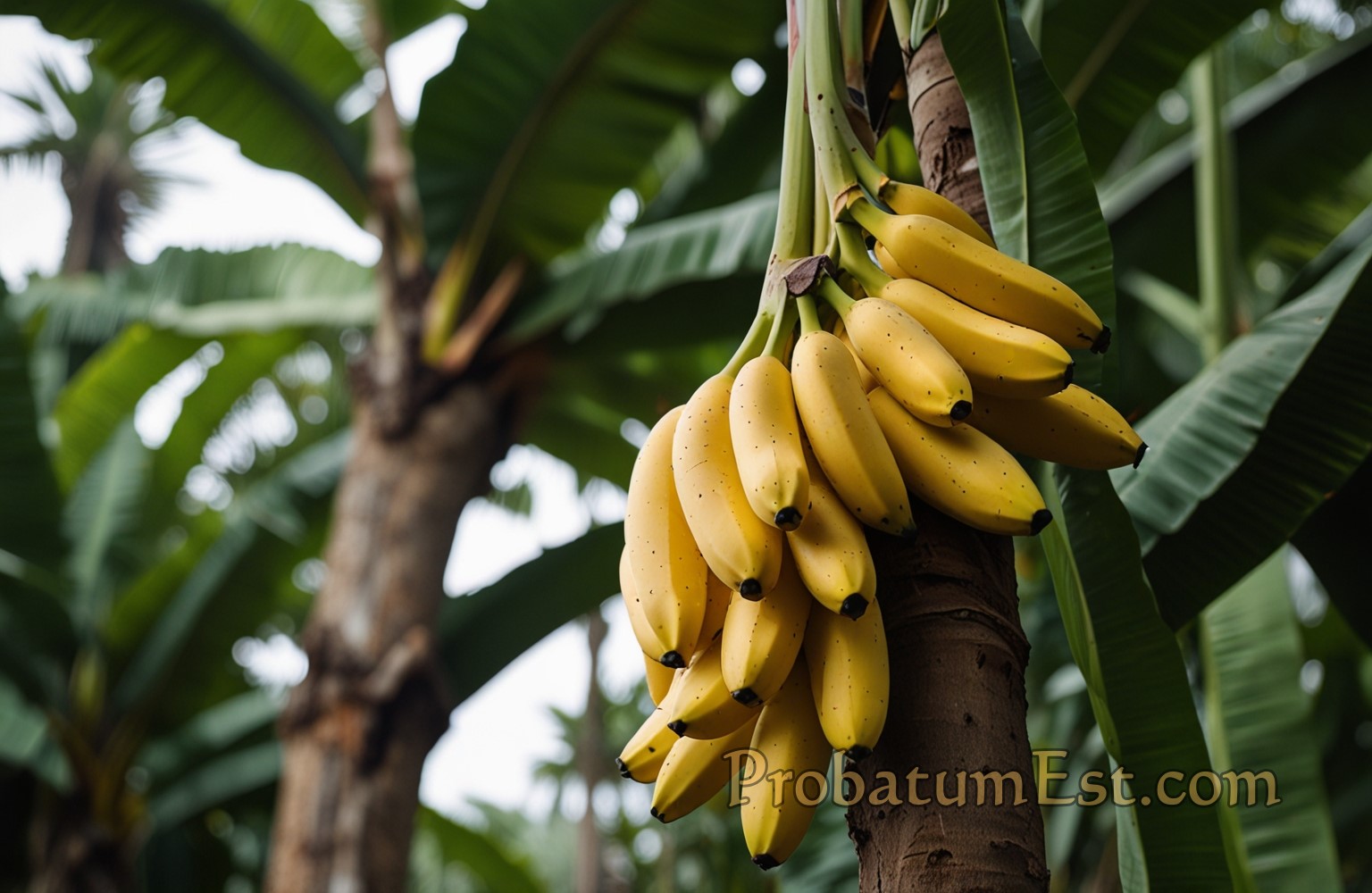
Bananas rank among the most consumed fruits globally and form a vital part of diets in many regions. Their familiar elongated shape and sweet taste often inspire questions about how, and on what, they grow — do bananas actually grow on trees? This article explores that intriguing question in depth, going beyond the simple “yes… …read more
-
How Many Trees Are in the World?
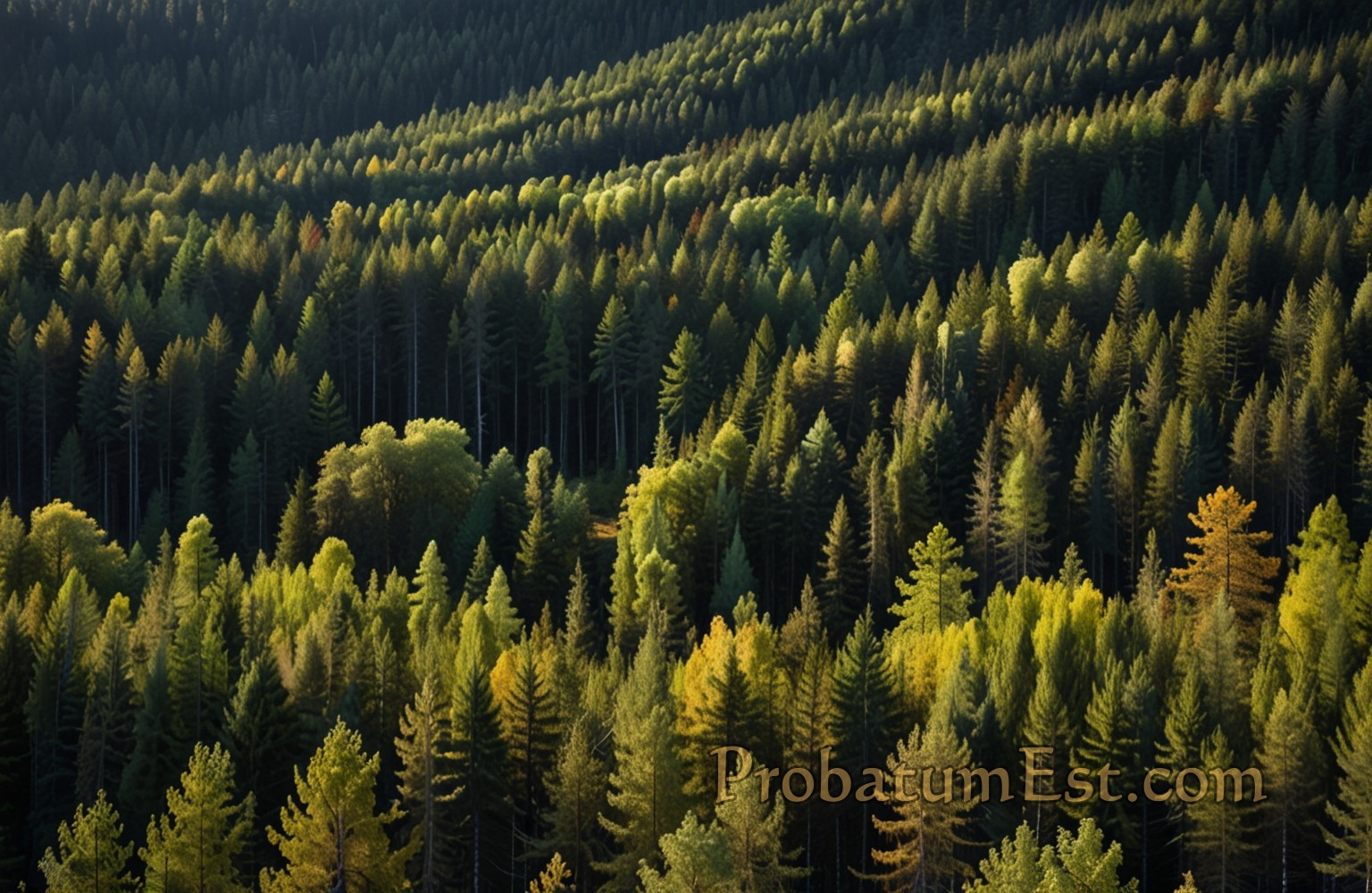
Trees are among the most distinctive features of Earth’s landscapes, shaping ecosystems, providing habitats for countless species, and offering essential resources for humanity. People often ask, “How many trees are in the world?” Finding a precise number is challenging due to the sheer scale of Earth’s forests, different measurement methodologies, and continuous changes in land… …read more
-
Trees – More Than Just Wood
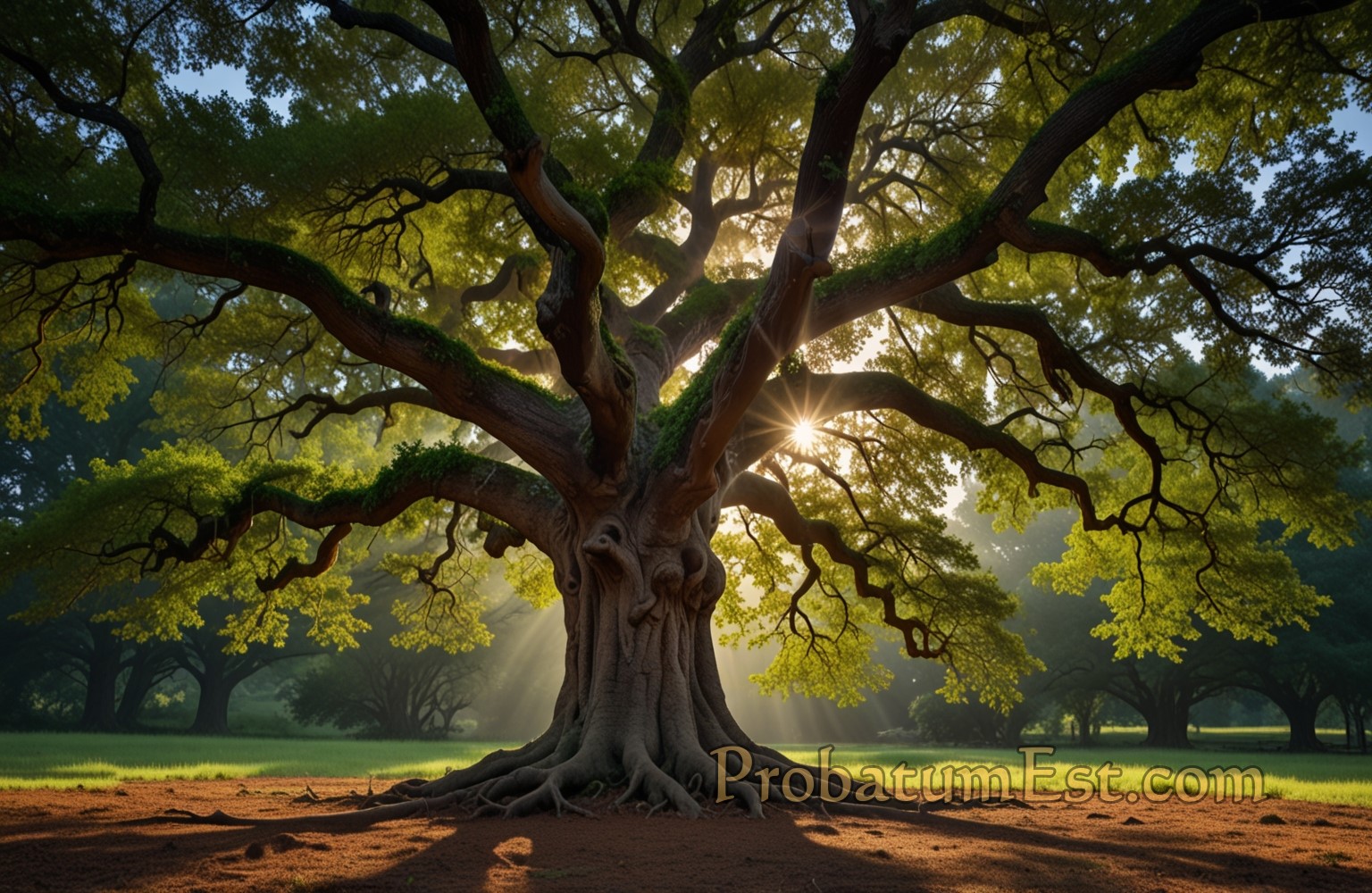
Trees are an integral part of the global landscape, serving vital ecological, cultural, and economic roles. While often admired for the lumber they provide, these towering giants are more than mere sources of wood. From their complex biological structures to their diverse uses and benefits, trees are essential to life on Earth in countless ways.… …read more
-
Horticulture – Science and Art of Gardening
Horticulture is the art and science of cultivating plants for food, ornamentation, and environmental enhancement (ie gardening). It occupies a vital position in agriculture by focusing on high-value crops such as fruits, vegetables, flowers, and ornamental plants. Beyond its economic and aesthetic contributions, horticulture also delves deep into biology, examining how organisms grow, adapt, and… …read more
-
Pomology – The Study of Fruits
Pomology, derived from the Latin word “pomum” meaning “fruit,” is the branch of horticulture dedicated to the study and cultivation of fruit. This field encompasses a wide range of expertise, from the art and science of orchard management to the biology underlying tree growth, fruit production, and improvement of fruit varieties. Below is a comprehensive… …read more
-
Fruits – Nature’s Nutritious Candy
Fruits are often celebrated for their vibrant colors, sweet or tangy flavors, and remarkable variety. They play a central role in global cuisines, cultural traditions, and marketplace economies. From a scientific standpoint, fruits represent the mature, seed-bearing structures of flowering plants — an essential mechanism for dispersing seeds and ensuring plant reproduction. This article delves… …read more
-
Aquatic Biome – Nature’s Underwater Ecosystem
The Aquatic Biome stands as one of the most diverse and expansive ecosystems on Earth, encompassing everything from tiny streams and ponds to vast oceans stretching beyond the horizon. According to the National Oceanic and Atmospheric Administration (NOAA), about 71% of the Earth’s surface is covered by water, underscoring the immense impact of aquatic environments… …read more
-
Terrestrial Biome – Earth’s Land Ecosystem
A Terrestrial Biome is a large ecological region on land characterized by distinct climate patterns, soil types, flora, and fauna. Unlike aquatic or marine biomes, terrestrial biomes comprise all ecosystems found on Earth’s solid surfaces, including deserts, forests, grasslands, and tundra habitats. The word “terrestrial” originates from the Latin “terra,” referring to land. Scientists and… …read more