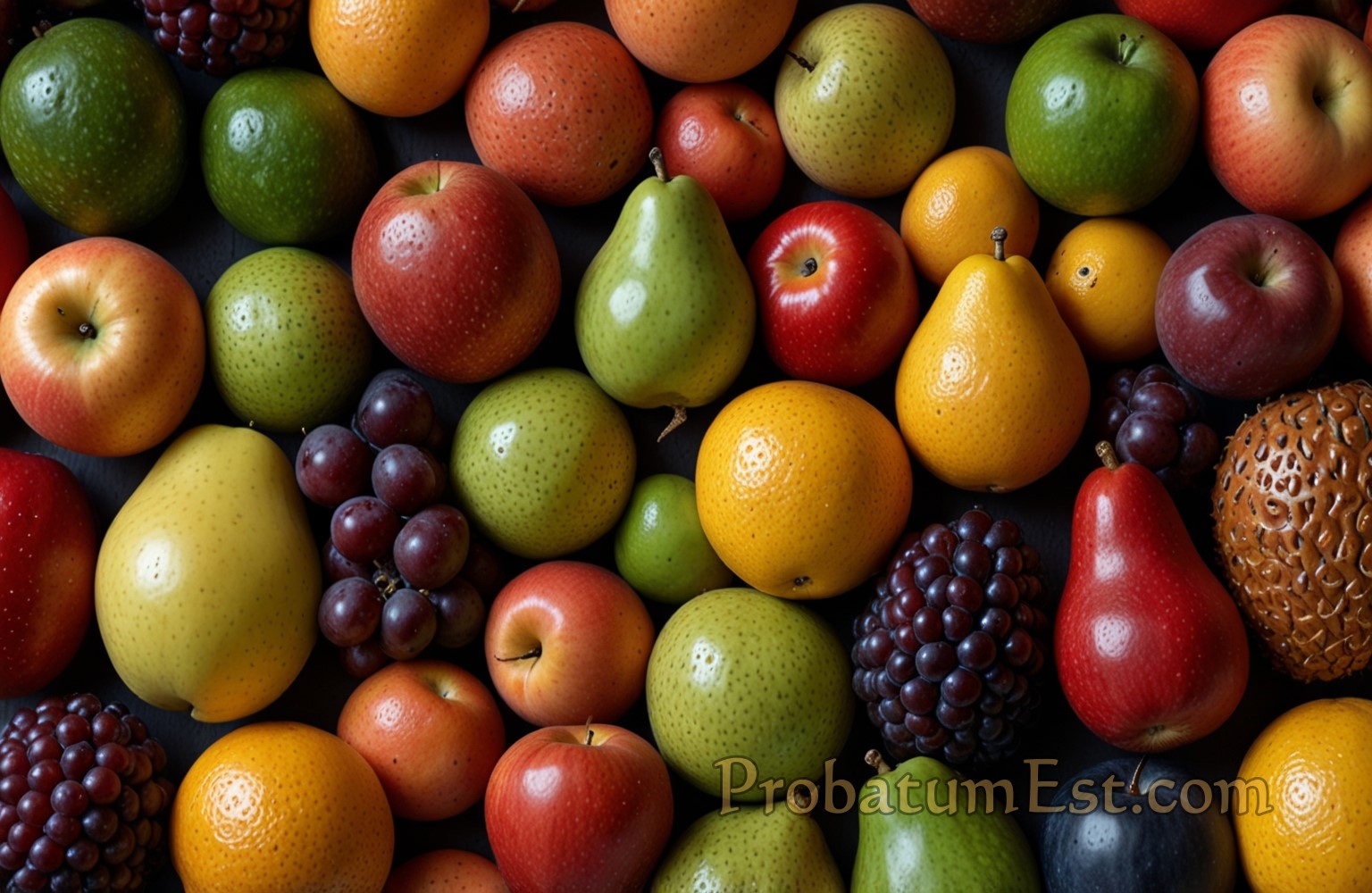
Fruits are often celebrated for their vibrant colors, sweet or tangy flavors, and remarkable variety. They play a central role in global cuisines, cultural traditions, and marketplace economies. From a scientific standpoint, fruits represent the mature, seed-bearing structures of flowering plants — an essential mechanism for dispersing seeds and ensuring plant reproduction. This article delves deeply into fruits, examining their general characteristics, their biological underpinnings, and their nutritional, economic, and cultural significance.
1. General Overview of Fruits
1.1 Definition and Common Use
In everyday language, “fruit” typically refers to sweet-tasting plant parts such as apples, bananas, and oranges. However, from a culinary perspective, some items labeled as vegetables — such as tomatoes or cucumbers — are technically fruits because they develop from the flower’s ovary and contain seeds. Meanwhile, fruits like avocados, though not particularly sweet, are still classified as fruits in a botanical sense. This interplay of culinary and botanical definitions reflects the remarkable diversity and flexibility of fruits.
1.2 Cultural and Economic Importance
- Global Demand and Trade: According to the Food and Agriculture Organization (FAO), worldwide fruit production has grown steadily over the last few decades, meeting increasing consumer demand for fresh, nutritious foods. Popular global exports include bananas, apples, grapes, and citrus fruits.
- Culinary Uses: Fruits can be eaten raw, cooked, juiced, or dried. They appear in a wide variety of dishes, from savory salads to sweet pastries, showcasing their versatility.
- Festivals and Traditions: In many countries, local celebrations and festivals revolve around a region’s iconic fruit harvest. Examples include apple festivals in North America or mango festivals in South Asia.
2. The Biology of Fruits
2.1 Formation of Fruits
In botany, fruits form from the ovary of a flowering plant — after fertilization, the ovary develops and enlarges, eventually creating a protective environment around the seeds. This biological strategy facilitates seed dispersal by animals, wind, or water. Attractive colors and flavors often entice animals to consume the fruit and carry seeds to new locations.
2.2 Types of Fruits in Biology
While general usage relies on taste or culinary context, plant biologists categorize fruits based on their structure and development:
- Simple Fruits: Develop from a single ovary, such as peaches, cherries, and tomatoes. These can be fleshy (e.g., peaches) or dry (e.g., peanuts).
- Aggregate Fruits: Form from multiple ovaries of one flower, such as raspberries and blackberries. Each segment (drupelet) in, for example, a raspberry is technically its own fruit attached to a central core.
- Multiple Fruits: Result from the merging of ovaries from multiple flowers clustered together, such as pineapples. Each “eye” on a pineapple represents an idividual flower’s share in the composite whole.
- Accessory Fruits: Sometimes, structures other than the ovary also develop to form part of the fruit. A prime example is the strawberry, in which the fleshy part comes from the flower’s receptacle, while the tiny “seeds” (achenes) on the surface are the true fruits.
2.3 Seed Dispersal Mechanisms
The primary biological role of fruits is seed dissemination. Different fruits have evolved specialized mechanisms to spread their seeds widely:
- Edible Fruits (Animal Dispersal): Many fruits rely on animals, including humans, to consume and then excrete seeds in new areas.
- Wind Dispersal: Certain dry fruits, such as dandelion fruits or maple samaras, utilize wind currents.
- Water Dispersal: Coconuts, for example, have fibrous husks that allow them to float and travel across oceans to germinate on distant shores.
3. Nutritional Value and Health Benefits
3.1 Essential Vitamins and Minerals
Fruits are rich in vitamins, minerals, and antioxidants that support overall wellness. Citrus fruits like oranges are packed with vitamin C, berries with anthocyanins and other antioxidants, and bananas with potassium. According to the United States Department of Agriculture (USDA), regular fruit consumption can help meet essential micronutrient requirements with minimal fat and sodium.
3.2 Dietary Fiber and Digestive Health
A study published in the Journal of the American Dietetic Association found that dietary fiber found in fruits promotes healthy digestion and can aid in controlling cholesterol levels. Soluble fiber, present in fruits like apples and pears, helps regulate blood sugar and supports cardiovascular health. Insoluble fiber, found in fruits such as raspberries, contributes to bowel regularity.
3.3 Reducing Chronic Health Risks
Consumer surveys referenced by the World Health Organization (WHO) indicate that consistently integrating fruit into one’s diet correlates with a lowered risk of certain metabolism-related complications. The synergy of bioactive compounds and micronutrients in fruits also helps maintain good immune system function, according to research published in nutrition science journals.
3.4 Recommended Daily Intake
Health authorities in many countries recommend consuming at least 2–3 servings of fruit per day for adults. The USDA’s MyPlate guidelines emphasize making “half your plate fruits and vegetables” to bolster nutrient density in meals without relying on high-calorie, low-nutrient foods.
4. Practical Aspects of Growing, Selecting, and Storing
4.1 Cultivation and Harvesting
- Soil and Climate Needs: Different fruit-bearing plants have specific requirements for temperature, sunshine, and soil pH. For instance, bananas thrive in tropical climates, while apples prefer lower temperatures and a sustained dormancy period.
- Harvest Timing: Most fruits are harvested at the “commercial maturity” stage, when they can endure transport while still developing their best flavors off the plant. Harvesting strategies differ based on the fruit type and intended market.
4.2 Responsible Pest Management
Fruit growers often employ integrated pest management (IPM) strategies — methods designed to minimize chemical use while preserving yield and fruit quality. IPM can include natural predators, strategic planting schedules, and targeted sprays only when necessary.
4.3 Storage and Shelf Life
- Refrigeration: Many fruits, such as berries and grapes, benefit from cool temperatures to slow down ripening.
- Ambient Storage: Some fruits — like bananas — are best kept at room temperature to maintain texture and sweetness.
- Controlled Atmosphere Storage: Commercially, fruits like apples are often stored in low-oxygen, high-carbon dioxide environments to prolong their shelf life and maintain crispness.
5. Anecdotes and Case Studies
5.1 The Banana’s Global Journey
Bananas rank among the world’s most widely consumed fruits. Easy to peel and portable, they have become a staple in many lunchboxes around the globe. According to industry organizations, bananas are a top agricultural export for several tropical countries, supporting livelihoods and contributing significantly to local economies.
5.2 Heirloom Apples for Heritage Preservation
In certain regions, local farmers and hobby orchardists are bringing back heirloom apple varieties with unique flavors. These heritage fruits, often overshadowed by commercially popular varieties, highlight the genetic diversity within apple species. Community-supported agriculture programs and farmers’ markets have driven renewed interest in traditional apple cultivars, offering consumers a taste of history.
5.3 Acai Berries and Superfood Status
Acai berries, commonly grown in parts of South America, began gaining international attention for their antioxidant properties. While research results vary, this example highlights how global interest in fruits can rise quickly due to health claims and consumer perceptions about “superfoods.” Many retailers and restaurants now feature smoothies, puree packs, and supplements that emphasize these trendy fruits.
6. The Future of Fruit Research and Innovation
Despite the global popularity of fruits, scientists and horticultural experts continue investigating better cultivation methods, enhanced nutritional content, and superior taste. Programs focusing on modern breeding, data-driven irrigation, and innovative pest management provide hope for sustainable, high-yield fruit production. For consumers, continued research into nutritional factors, potential allergens, and storage techniques helps ensure safe and delicious fruits remain readily available.
Conclusion
Fruits stand at the intersection of nutrition, biology, culture, and commerce. They are crucial to a balanced human diet, supplying essential nutrients, vitamins, and fiber. From a biological standpoint, they represent the plant’s evolutionary mechanism for seed dispersal — ensuring the ongoing proliferation of flowering plant species. Culturally, they hold prominent positions in traditions, economies, and culinary arts across the globe.
Whether evaluated as sweet, tangy, or savory, fruits offer far more than just flavor. They embody centuries of biological innovation, cultural importance, and global cooperation. Understanding the science behind fruits and their role in daily life can deepen our appreciation for these colorful, nutrient-rich wonders, inspiring continued exploration and enjoyment the nature’s nutritious candy for generations to come.




Leave a Reply