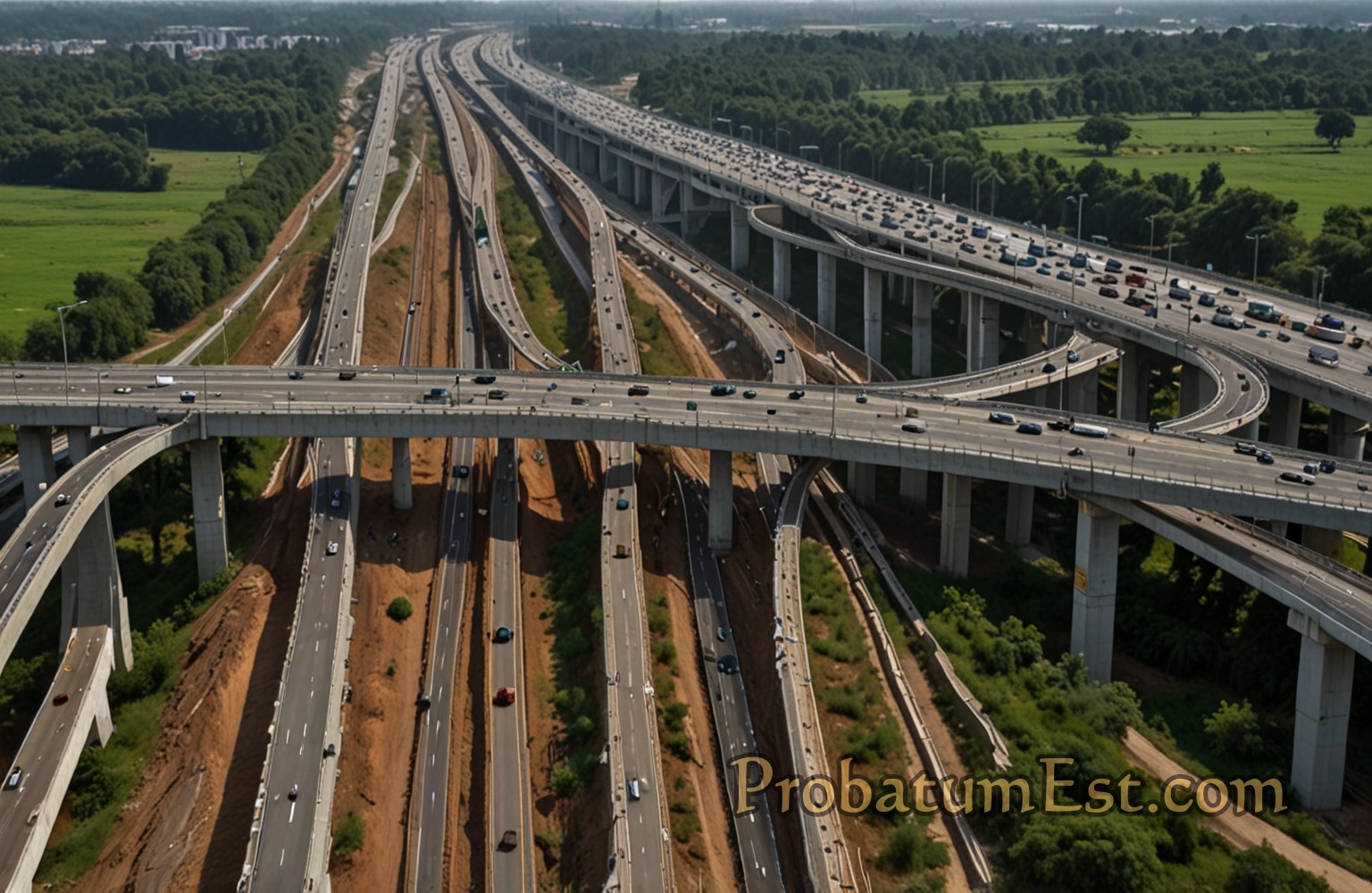
Infrastructure Development stands at the heart of modern societal progress. From roads and bridges to energy grids and water supply systems, infrastructure forms the backbone that enables connectivity, commerce, and overall economic growth. At the same time, its impact on local ecosystems, biodiversity, and environmental resources cannot be overlooked. This article offers a thorough exploration of infrastructure development, discussing its general significance and then delving deeper into the ecological assessment of its environmental impacts, including strategies for making infrastructure projects more sustainable.
1. Defining Infrastructure Development
Infrastructure development refers to the planning, construction, and ongoing maintenance of foundational systems and facilities that support economic activity and societal well-being. Common examples include:
- Transportation networks (roads, railways, airports).
- Utilities (electricity grids, natural gas pipes).
- Water supply and sanitation facilities.
- Telecommunications (broadband, mobile networks).
These systems are vital for daily life — from enabling trade and commerce to providing essential services such as clean water and reliable electricity.
2. The Economic and Social Importance of Infrastructure
2.1 Economic Growth Engine
Reliable infrastructure is commonly understood as a prerequisite for economic growth. A World Bank study (World Bank, 2020) notes that countries with robust infrastructure tend to experience higher productivity and improved trade balances. When well-designed, infrastructure projects can:
- Attract foreign investment.
- Reduce prohibitive transport costs.
- Strengthen supply chains.
For instance, efficient roads decrease transportation expenses for businesses, resulting in lower prices for consumers. Similarly, a modernized power grid helps drive industrial growth by providing consistent energy to factories and production facilities.
2.2 Enhancing Quality of Life
Infrastructure development also has a direct effect on social well-being. In many regions, expanded roads and increased public transportation options improve access to education and healthcare. Additionally, investments in water and sanitation systems have been correlated with better overall public health outcomes and reduced rates of waterborne diseases.
3. Infrastructure Development from an Ecological Perspective
While infrastructure can undoubtedly improve standards of living and spur economic advancement, it can also strain environmental and ecological systems if not planned carefully. Key ecological considerations include:
3.1 Habitat Loss and Fragmentation
- Roads, dams, and urban development can fragment wildlife habitats, making it challenging for species to find food, breeding areas, and migration corridors.
- A well-cited example is the expansion of highways in various biodiversity hotspots. These projects can lead to altered wildlife movement patterns, as animals face traffic hazards or find their habitats split into smaller, isolated zones.
3.2 Resource Consumption
- Large-scale infrastructure initiatives often involve the extraction of raw materials such as sand, gravel, timber, or metals.
- Over-extraction in sensitive regions can alter soil composition, reduce forest cover, and disrupt ecosystems that depend on certain vegetation types.
3.3 Pollution and Waste
- Construction processes can produce considerable waste, including debris, hazardous materials, and noise pollution.
- Ongoing operation of infrastructure, especially transportation systems, can result in harmful emissions. For example, the transportation sector is a significant source of greenhouse gases and other pollutants like particulate matter and nitrogen oxides, which can degrade air quality in populated areas.
3.4 Water and Soil Impact
- Infrastructure like dams and canals can change the hydrological balance of rivers and wetlands, potentially affecting aquatic life and agriculture.
- Construction-related runoff can erode soils or carry sediment into nearby water bodies, disrupting the life cycles of fish and other organisms.
4. Balancing Infrastructure Needs and Environmental Health
Acknowledging the ecological impacts of infrastructure development is the first step in balancing progress with conservation. Modern approaches focus on mitigating adverse environmental effects and integrating ecological values into the planning process from the outset.
4.1 Environmental Impact Assessments (EIAs)
Most countries now require an Environmental Impact Assessment before large-scale projects can commence. These assessments evaluate:
- Direct impacts on local flora and fauna.
- Potential contamination of water sources.
- Long-term cumulative effects on ecosystems.
For example, a study published in the journal Environmental Management (2019) showed that early EIAs combined with stakeholder engagement can reduce the incidence of costly environmental damages. By identifying vulnerable habitats, planners can adjust the project layout to protect sensitive ecosystems.
4.2 Biodiversity Offsets and Conservation Corridors
When infrastructure is essential in ecologically sensitive zones, offset programs and wildlife corridors offer ways to reduce harm. One case study is the creation of “ecoducts” (wildlife overpasses) in the Netherlands. These structures reconnect fragmented habitats, allowing wildlife to cross highways safely. Although such ecoducts add to project costs, the payoff can be significant for biodiversity preservation.
4.3 Green Infrastructure Solutions
Green infrastructure incorporates natural systems or nature-inspired elements into traditional projects. Examples include:
- Bioswales and constructed wetlands that filter stormwater.
- Trees and green roofs to reduce heat in urban areas and help manage runoff.
- Permeable pavements to allow groundwater recharge while mitigating flooding.
These approaches provide environmental benefits while still supporting the fundamental objectives of infrastructure development. Data from the American Society of Civil Engineers (ASCE) suggests that green infrastructure can lower long-term maintenance costs compared to some conventional systems.
4.4 Sustainable Materials and Construction
Builders and governments alike are showing increased interest in reducing the ecological footprint of construction by:
- Using recycled or local materials to minimize extraction and transportation impacts.
- Employing extant structures where possible rather than building anew.
- Opting for advanced machinery and cleaner fuels to reduce emissions.
Research by the International Energy Agency (IEA) indicates that adopting energy-efficient construction equipment and cleaner fuels can cut emissions by up to 20% during project build phases, leading to significant environmental benefits over time.
5. Innovative Financing Approaches for Eco-Friendly Projects
Financial considerations often dictate how projects are planned and executed. Lenders and investors are increasingly aligning their capital with sustainability targets. Mechanisms such as green bonds, sustainable infrastructure funds, and public-private partnerships (PPPs) can channel capital into projects designed with ecological considerations. For example:
- The Green Bond market grew rapidly in the past decade as cities and companies sought ways to finance energy-efficient buildings, railways, and water systems.
- Many PPP contracts now include clauses on ecological performance, linking a portion of contractor payments to hitting environmental benchmarks.
6. Engaging Communities and Stakeholders
Robust stakeholder engagement is essential for projects that affect local ecosystems and resource use. By involving local communities, policymakers gain insights into traditional ecological knowledge and community needs, which can lead to more balanced outcomes. In some regions, community-led oversight committees review project progress, ensuring environmental safeguards remain a priority.
An anecdotal illustration comes from a rural watershed management project where local farmers were involved in designing irrigation canals. Their input on crop rotation patterns and water flows helped reduce soil erosion and strengthened ecosystems around the canal projects. This participatory model boosted community support and yielded a more resilient infrastructure framework.
7. Future Trends in Infrastructure Development and Ecology
Infrastructure designs are evolving to integrate innovative technologies and ecological practices:
- Renewable energy integration: Power grids are starting to incorporate more solar, wind, and hydro-based systems, reducing reliance on non-renewable sources.
- Smart transportation systems: Advanced traffic management can minimize air pollution while improving road safety and congestion management.
- Nature-based solutions: Planners are increasingly drawing inspiration from natural processes, such as mangrove-root designs for flood control or wetlands for filtering wastewater.
As technology advances, these forward-looking trends are likely to shape infrastructure development globally, encouraging stronger alignment with ecological integrity.
8. Conclusion
Infrastructure development is undeniably critical for supporting economic and social objectives. Well-built roads, efficient transportation networks, and reliable utilities can significantly elevate a nation’s productivity and quality of life. However, with rapid population growth and expanding urban centers, the ecological impacts of these projects demand equally serious consideration.
By rigorously applying Environmental Impact Assessments, investing in biodiversity corridors, embracing green infrastructure, and involving local communities, planners and policymakers can mitigate negative ecological outcomes. Financial instruments such as green bonds and environmentally conscious public-private partnerships have further catalyzed a movement toward more sustainable infrastructure.
Whether it is the creation of a new highway system or the modernization of an old power grid, infrastructure development must balance the drive for economic prosperity with preservation of the ecosystems that support life. Through collaboration between engineers, environmental scientists, local communities, and policymakers, infrastructure can continue to evolve in ways that meet humanity’s needs without undermining the ecological stability upon which we all depend.




Leave a Reply