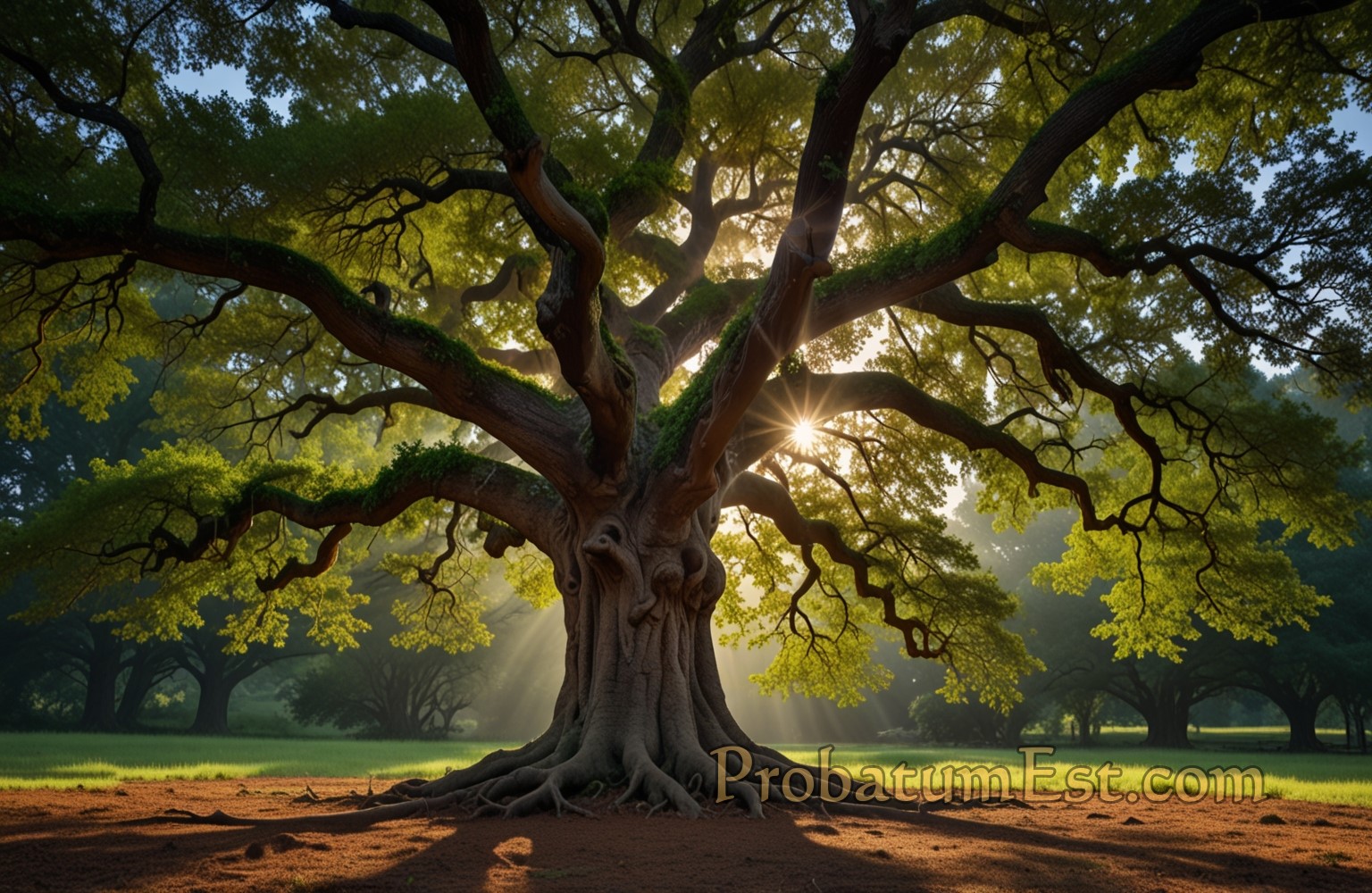
Trees are an integral part of the global landscape, serving vital ecological, cultural, and economic roles. While often admired for the lumber they provide, these towering giants are more than mere sources of wood. From their complex biological structures to their diverse uses and benefits, trees are essential to life on Earth in countless ways. Below is an in-depth look at trees, spanning general insights to detailed biological perspectives, backed by reputable research, studies, and expert opinions.
1. Defining a Tree
A tree is typically characterized by a single woody stem called a trunk, which supports a branching crown of leaves. Trees differ from shrubs mainly in their height and single trunk structure. According to the Botanical Gardens Conservation International (BGCI), there are over 60,000 known tree species around the world, showcasing extraordinary diversity in shape, size, and function.
2. The Anatomy and Biology of Trees
2.1 Roots
- Anchoring and Absorption: Roots secure the tree in the ground and absorb water and nutrients, which are transported upwards through specialized cells.
- Mycorrhizal Networks: Many trees form symbiotic relationships with fungi in the soil, exchanging nutrients through underground networks.
2.2 Trunk and Bark
- Support Structure: The trunk contains the xylem and phloem tissues, which transport water, nutrients, and sugars between roots and leaves.
- Growth Rings: Annual rings in the trunk indicate a tree’s age and reflect seasonal growth variations.
- Protection: Bark shields the cambium (growth layer) from harmful external factors like pests and physical damage.
2.3 Leaves
- Photosynthesis: Leaves capture sunlight and convert carbon dioxide and water into glucose, releasing oxygen as a byproduct.
- Adaptations: Some leaves have waxy coatings to retain water, while others have special shapes to reduce wind resistance or sunlight exposure.
2.4 Reproduction
- Flowers and Cones: Many trees produce flowers or cones that house reproductive structures.
- Pollination and Seed Dispersal: Pollinators, wind, and animals help transport pollen and seeds, ensuring the propagation of various species.
3. Ecological Importance of Trees
3.1 Air Quality and Oxygen Production
Trees play a key role in producing oxygen. According to research from the U.S. Forest Service, urban trees in the United States alone produce an estimated 61 million metric tons of oxygen annually. These same trees also help filter pollutants such as nitrogen dioxide and sulfur dioxide, contributing to cleaner air.
3.2 Water Cycle Regulation
Forests, composed of countless trees, intercept rainwater with their foliage and branches. This helps control water runoff, allowing moisture to percolate into the soil rather than flowing away immediately. The United States Geological Survey (USGS) highlights that healthy forest cover can aid in reducing soil erosion and sustaining local water sources.
3.3 Biodiversity and Habitats
Tree canopies, trunks, roots, and fallen leaves create microhabitats that support a wide range of organisms — from insects and birds to mammals and amphibians. Old-growth forests are especially rich in biodiversity due to complex vertical layers of vegetation.
4. Cultural and Historical Significance
4.1 Symbolism and Heritage
Throughout history, trees have been venerated in literature, religion, and folklore. For instance, in many societies, the oak symbolizes strength and wisdom, while the olive tree symbolizes peace. Some communities revolve around “heritage trees,” celebrated for their historical or cultural importance, often hundreds of years old.
4.2 Anecdotes and Case Studies
- The “Tree of Ténéré” once stood as a landmark in the Sahara Desert, known for being the most isolated tree on Earth. It served as a navigation point for travelers for decades.
- In Japan, the famed cherry blossoms are a national symbol heralding renewal each spring, drawing tourists and locals to parks in celebration of “Hanami.”
5. Economic and Practical Uses
5.1 Lumber and Construction
Wood is a staple material for furniture, housing, and musical instruments. Hardwoods like oak, teak, and walnut are prized for aesthetics and durability. Softwoods like pine are often used in construction for their light weight and ease of processing.
5.2 Food and Medicinal Value
- Fruits and Nuts: Apple, mango, walnut, and almond trees provide staple food sources globally.
- Medicinal Properties: Certain species like willow have been utilized historically for pain relief, and parts of other trees continue to be investigated for their pharmacological potential.
5.3 Paper and Other Products
Cellulose fibers from trees form the basis of paper production. Resin extracted from pine trees is used to make turpentine, adhesives, and varnishes. Even the bark is commonly used in gardening for mulch, helping to retain soil moisture.
6. Preservation and Research Initiatives
6.1 Conservation Efforts
Organizations such as the United Nations Food and Agriculture Organization (FAO) and various environmental nonprofits focus on preserving tree species and forest ecosystems. Responsible forestry practices aim to balance timber needs with the regeneration of tree populations.
6.2 Technological Advancements
Forestry researchers use satellite imagery and drone technology to monitor tree health, identify infestations, and guide sustainable harvesting. Genetic studies help classify and conserve endangered species, providing insight into best practices for reforestation and tree breeding programs.
7. Mental and Social Benefits
Spending time among trees is associated with psychological benefits, often linked to reduced stress and improved mood. Studies published in journals like Frontiers in Psychology indicate that regular exposure to forests can enhance cognitive function and mental well-being. Urban planners increasingly incorporate green spaces with trees for these restorative effects.
Conclusion
Trees truly are “more than just wood” — they are living pillars of ecosystems, cultural icons, and valuable economic resources. Through photosynthesis, habitat creation, water cycle regulation, and more, trees contribute significantly to the planet’s health and human well-being. Their ability to nourish, inspire, and connect communities worldwide highlights their ongoing relevance. As research continues to uncover further complexities of tree biology and ecology, one point remains clear: safeguarding and appreciating the wide-ranging benefits of trees is crucial for present and future generations.
References (Selected)
- Botanical Gardens Conservation International. (2017). State of the World’s Trees Report.
- U.S. Forest Service. (n.d.). Benefits of Urban Trees.
- United States Geological Survey (USGS). (n.d.). Water-Cycle Processes.
- Frontiers in Psychology. (Various issues). Research on Green Spaces and Mental Health.
- Food and Agriculture Organization (FAO). (n.d.). Forestry Statistics.
By understanding the physiology, ecological functions, and cultural significance of trees, society can work together to safeguard these remarkable organisms. Trees — in all their splendor — remain steadfast allies, far transcending their role as sources of wood.



Leave a Reply