Tag: Mitochondria
-
The Cell Nucleus – Structure, Function, and Significance
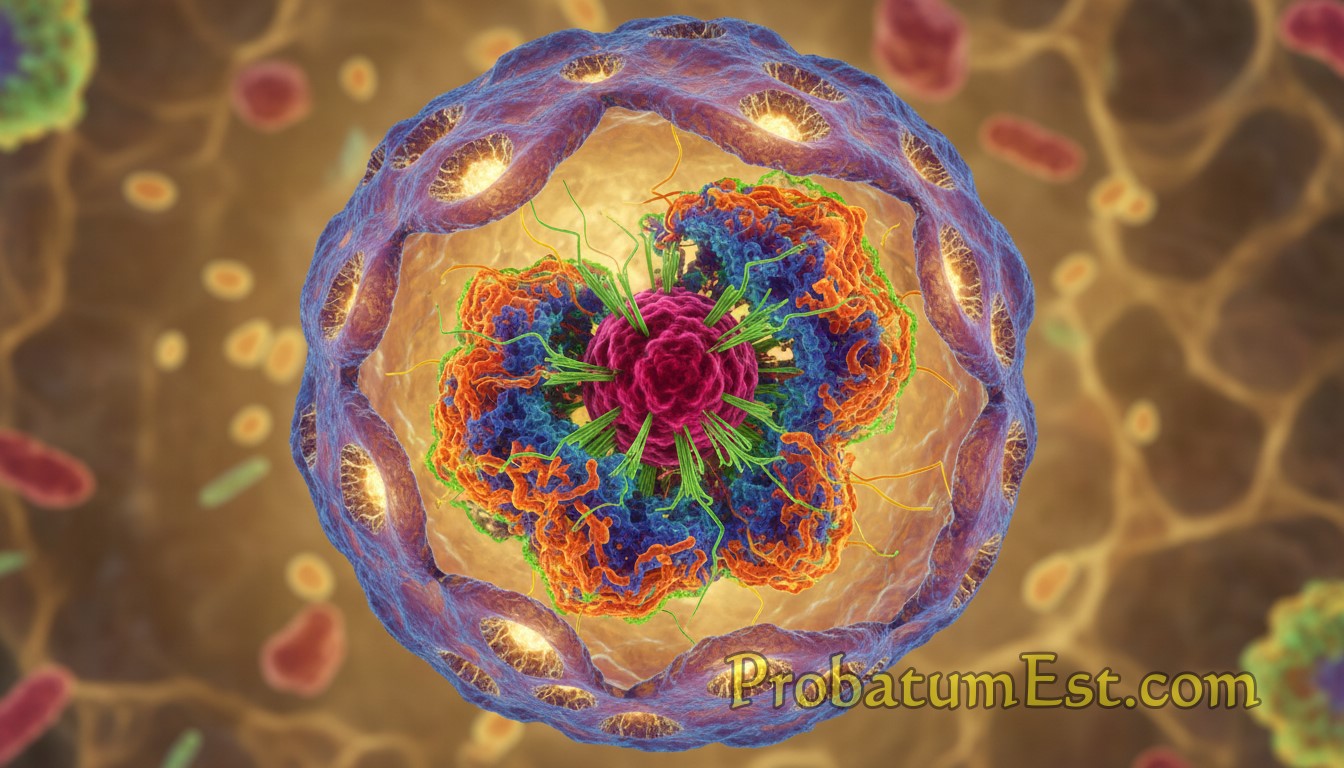
The cell nucleus is a defining feature of most eukaryotic cells, serving as the command center where the genetic code is stored and processed. First described in 1831 by botanist Robert Brown, the nucleus derives its name from the Latin word for “kernel” or “nut,” underscoring its central importance to cell function. Today, our understanding… …read more

-
Eukaryotes – Unraveling the Complex World of Nucleated Life
Eukaryotes form a diverse realm of organisms distinguished by one key characteristic: their cells contain a membrane-bound nucleus. From single-celled algae to multicellular plants and animals, these nucleated life forms represent a vast majority of the life we see each day. This article explores what defines eukaryotes, examines their importance and diversity, and highlights current… …read more
-
Eukaryotic Cells – A Comprehensive Exploration
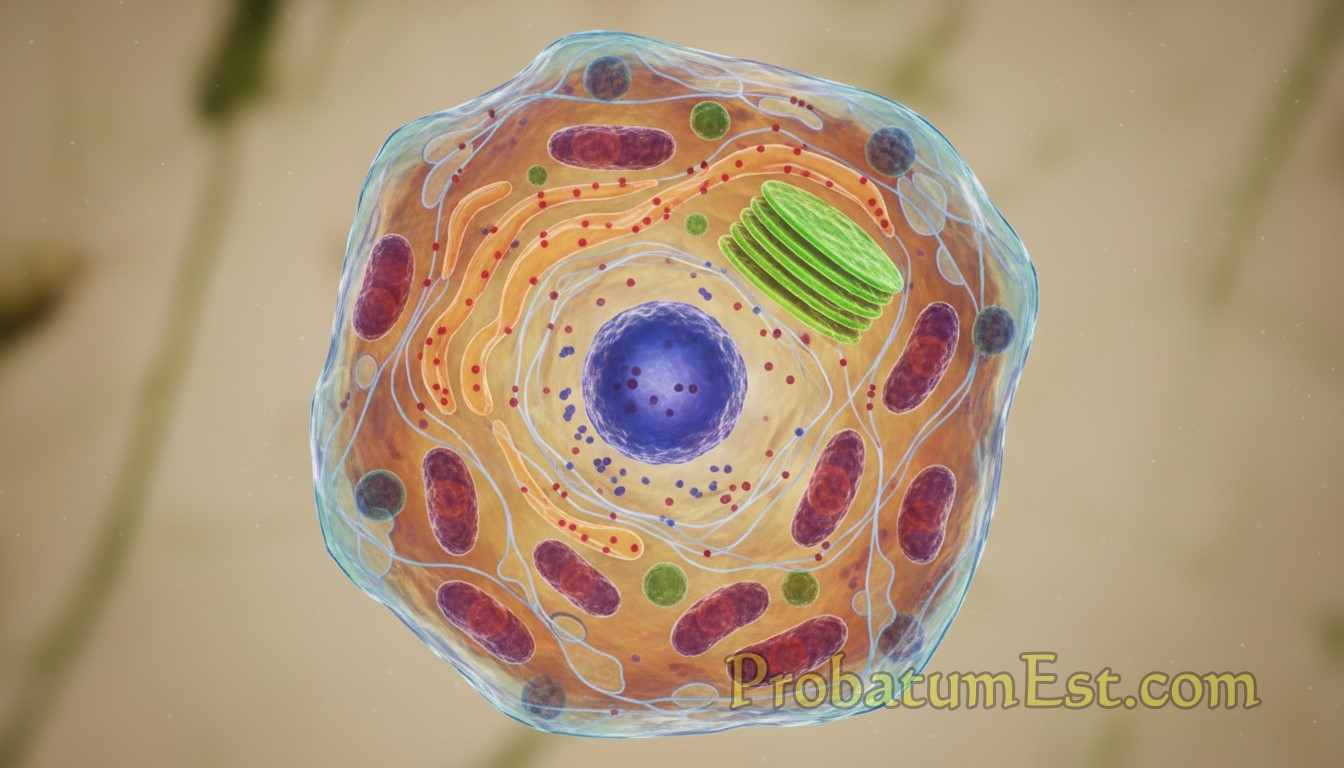
Eukaryotic Cells serve as the fundamental building blocks of many diverse organisms, including animals, plants, fungi, and numerous unicellular species. These cells, distinguished by their membrane-bound organelles and true nucleus, underpin a vast array of complex life forms, making them a focal point of scientific research. Below is a thorough overview of eukaryotic cells, including… …read more
-
Cell – Understanding the Fundamental Unit of Life
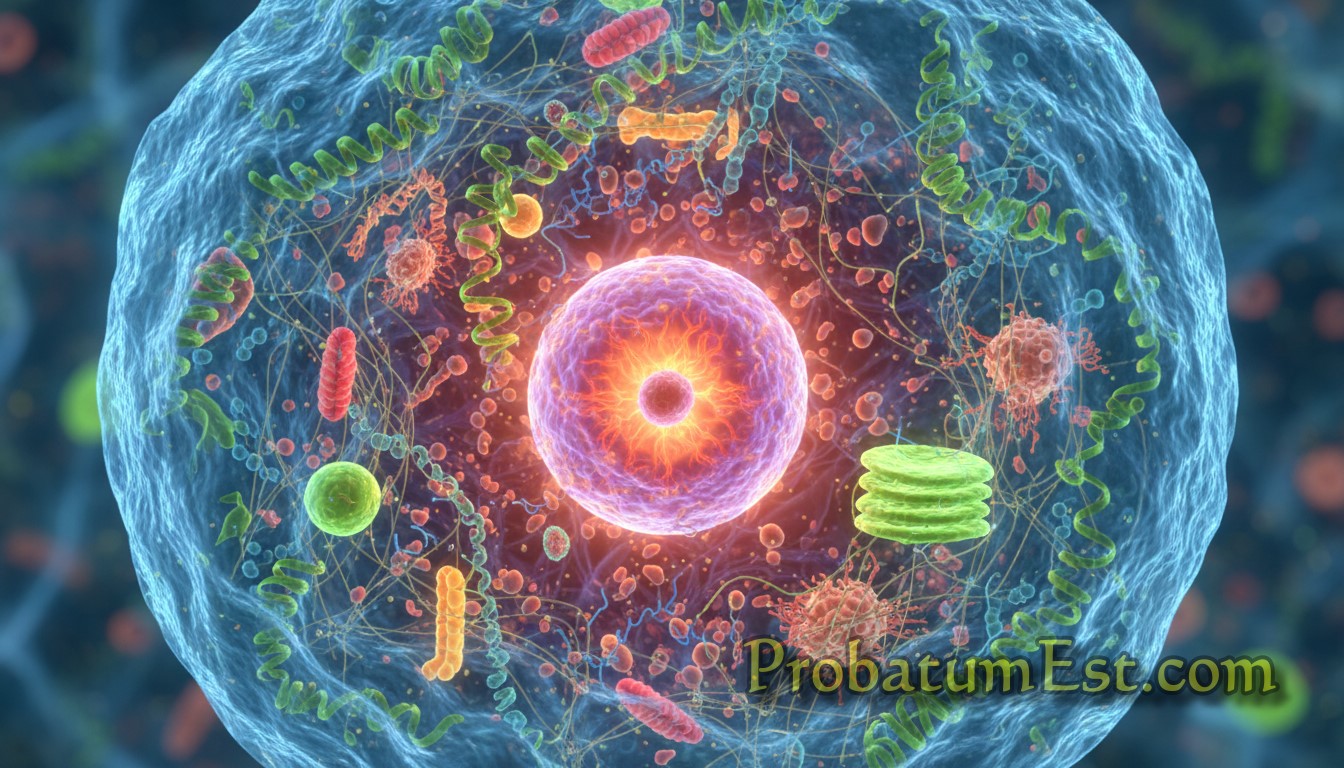
Cells are the smallest living units that compose all known organisms – microcosms of life on which entire biological structures are built. Whether one looks at the tissues in the human body, the roots and leaves of plants, or the myriad unseen organisms in aquatic environments, every form of life depends on cells. This article… …read more