Tag: Mountain
-
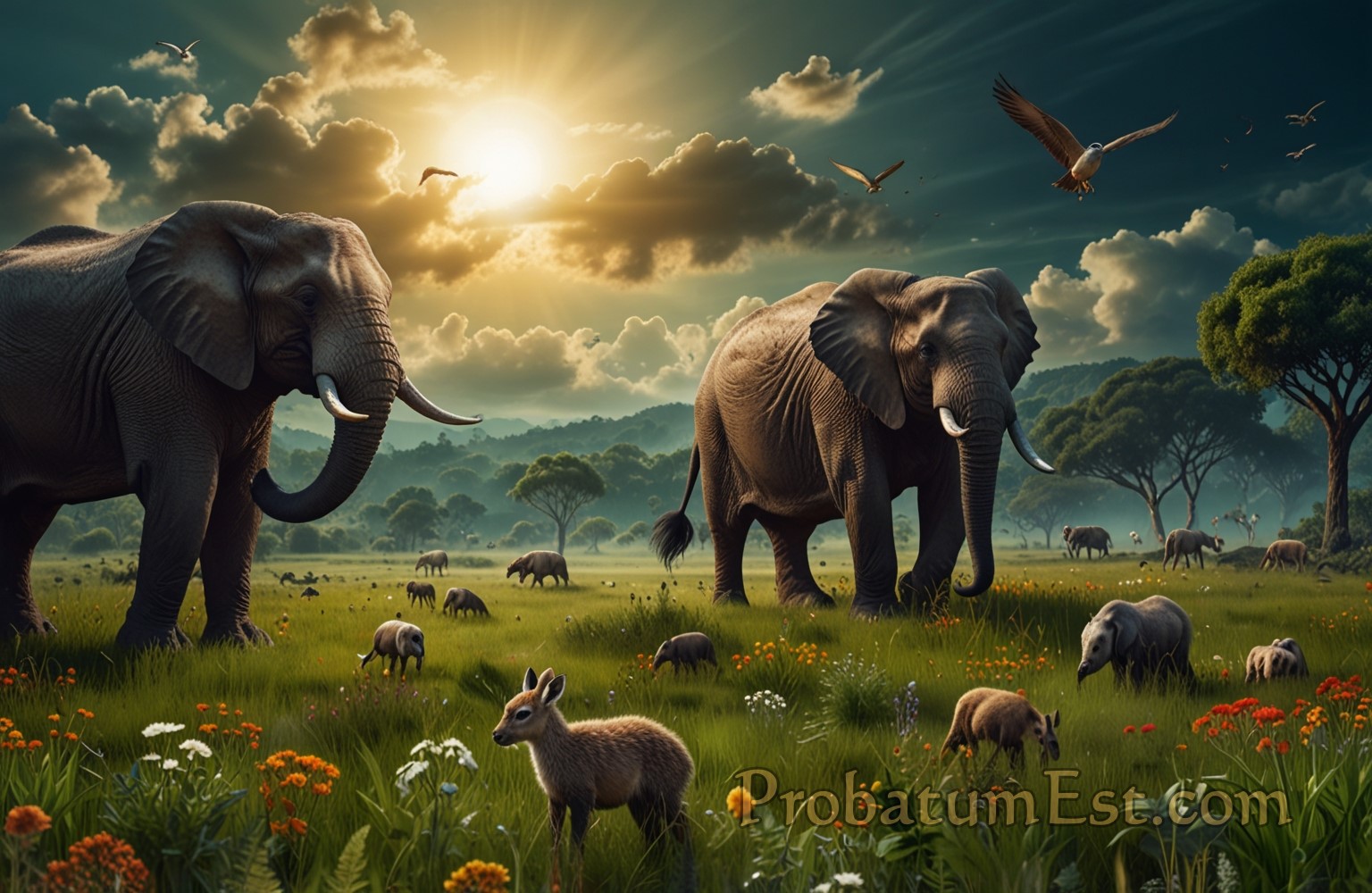
Life on Earth
Life on Earth is a testament to the complexity, adaptability, and diversity of organic processes that have unfolded over billions of years. From single-celled organisms to the vast web of interconnected ecosystems, life on our planet is both a scientific marvel and a source of endless fascination. This article aims to explore life on Earth… …read more

-
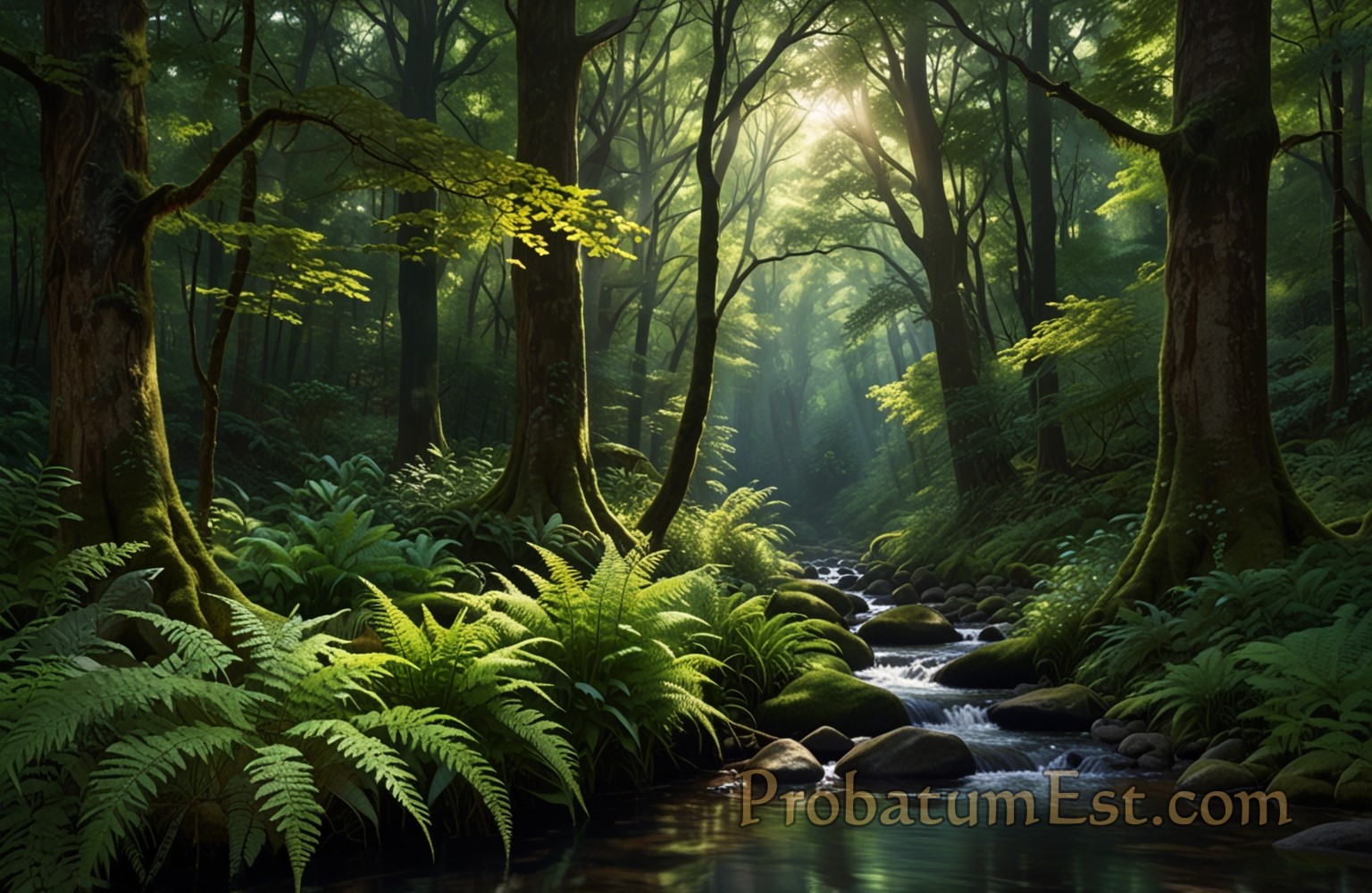
Forests
Forests are among the most vital ecosystems on our planet, covering approximately 31% of Earth’s land area. They are complex biomes that harbor a diversity of life and provide essential ecosystem services that support both natural systems and human communities. This article delves deeply into the world of forests, exploring their types, structure, ecological role,… …read more
-
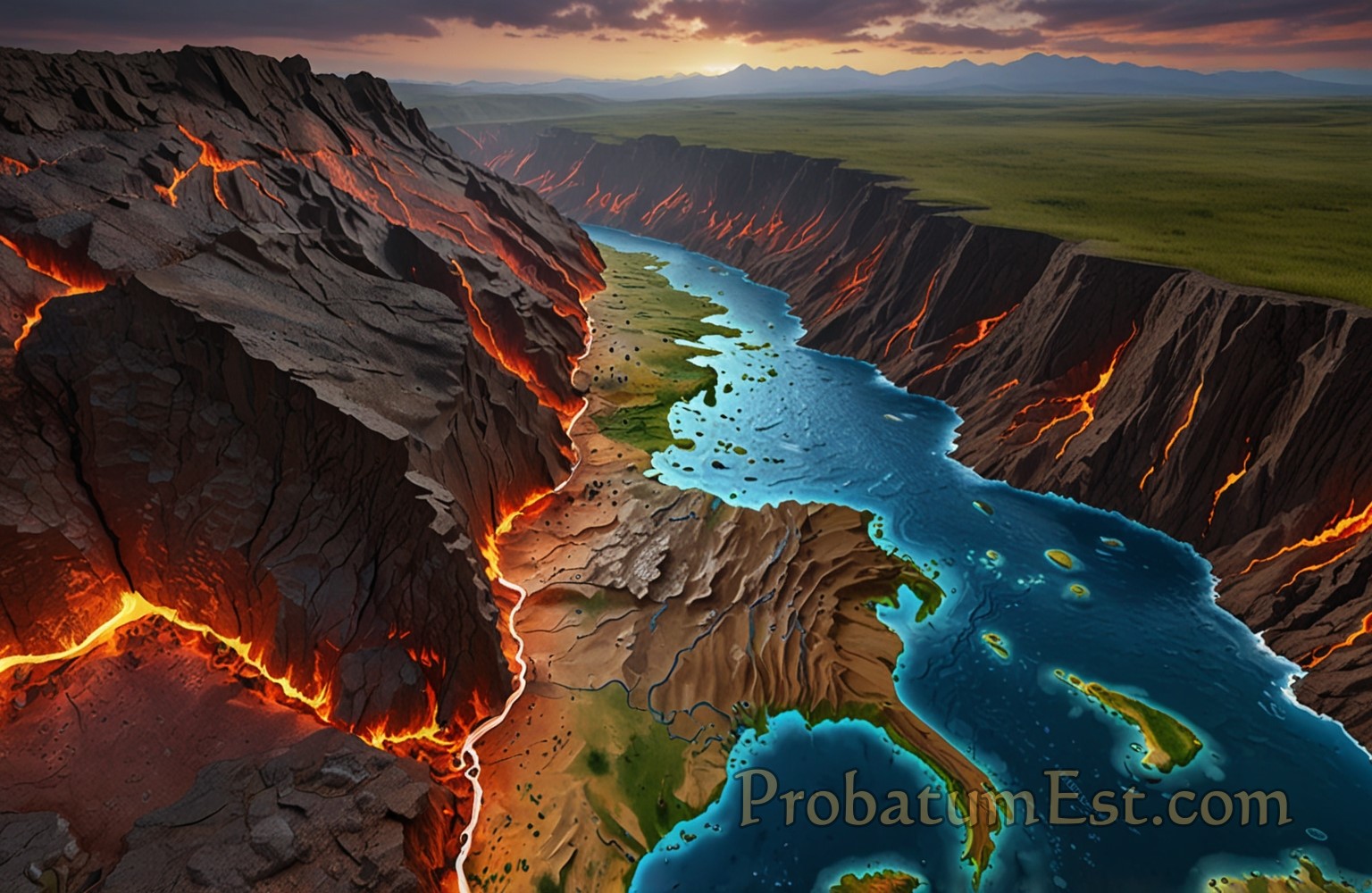
Tectonic Plates – Earth’s Shifting Foundation
The surface of the Earth, while seemingly stable and solid, is in a constant state of flux. This is due to the planet’s outer shell, known as the lithosphere, which is divided into massive slabs of rock called Tectonic Plates. These plates not only shape the Earth’s landscape but also drive volcanic activity, earthquakes, and… …read more
-
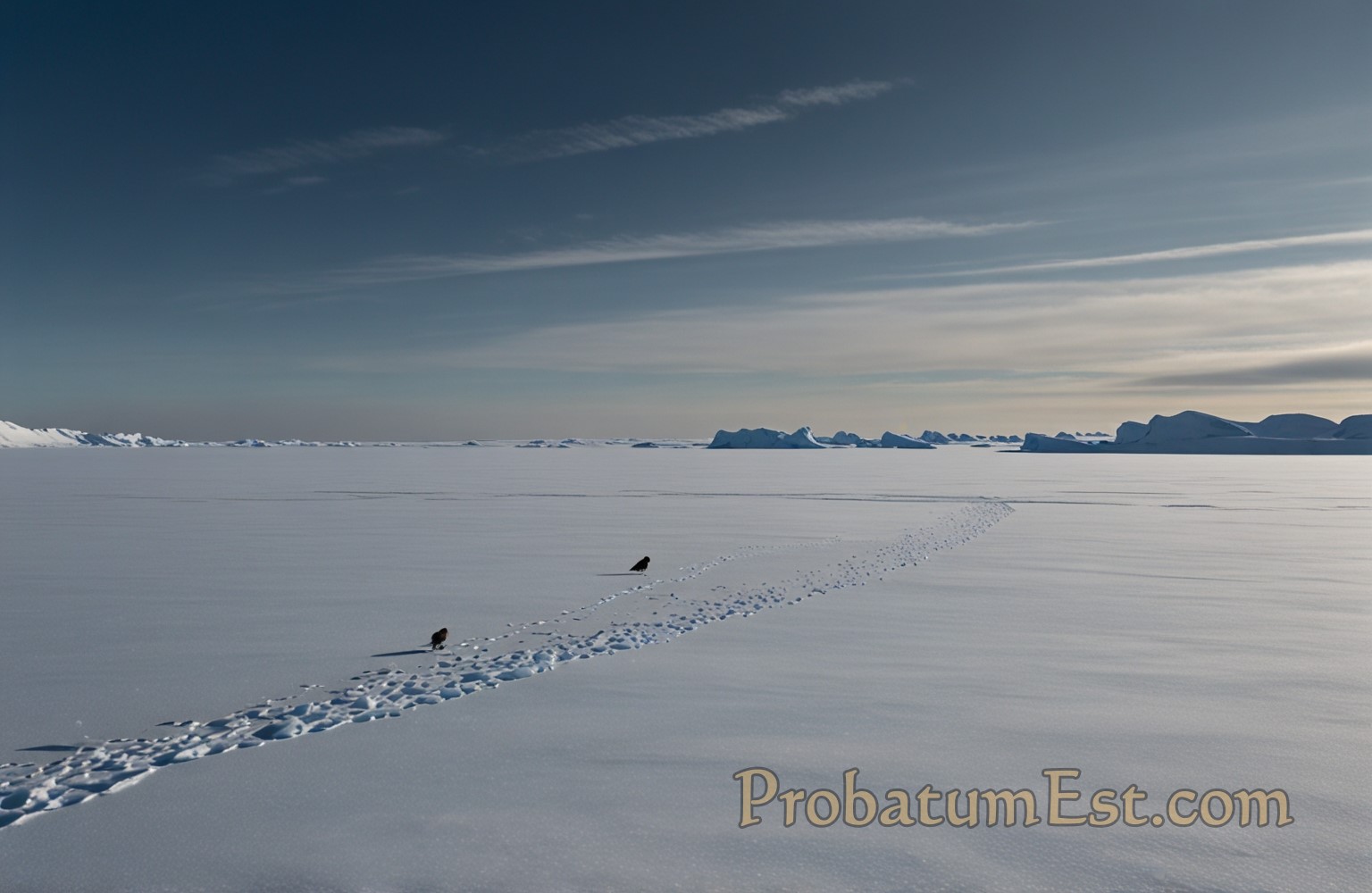
Polar Desert – Understanding the Stark Beauty and Ecological Significance
The term “desert” typically conjures images of sun-drenched sand dunes and scorching heat, but our planet also hosts another, equally enigmatic type of desert environment: The Polar Desert. Characterized by extreme cold, low precipitation, and desolate landscapes, polar deserts are a fascinating subject of ecological and scientific study. This article delves deeply into the characteristics,… …read more
-
Is Antarctica a Desert?
When the word “desert” is mentioned, images of sweeping sand dunes, scorching sun, and arid landscapes typically come to mind. Conversely, Antarctica conjures visions of ice, snow, and freezing temperatures. This juxtaposition raises an intriguing question: Is Antarctica a desert? To answer this, we must delve into the criteria that define a desert and examine… …read more
-
Temperate Forests
Temperate Forests are one of the most significant biomes on Earth, characterized by their moderate climate, distinct seasons, and rich biodiversity. These forests are primarily found in regions with a temperate climate, which includes parts of North America, Europe, and Asia. This article aims to provide a comprehensive overview of temperate forests, exploring their characteristics,… …read more
-
Biomes – Earth’s Natural Classifications of Life
Biomes represent the grand tapestry of life on Earth, encompassing vast ecological regions categorized by distinct climate conditions, flora, and fauna. These natural classifications provide scientists with a framework to study the interactions between the environment, organisms, and the impact of human activities. This article delves deep into the intricacies of biomes, offering an exhaustive… …read more
-
Natural World – A Deep Dive into Earth’s Biodiverse and Dynamic Ecosystem
The Natural World, our planet’s stunning and complex biosphere, presents an extraordinary array of life and physical processes. This intricate network of ecosystems, species, and natural phenomena continues to captivate and influence humanity, offering insights into the mechanisms that sustain life itself. A thorough examination of the natural world encompasses ecological systems, biodiversity, geological elements,… …read more
-
Natural Phenomena – Processes, Impacts, and Wonders of Nature
Natural Phenomena refer to events or processes that occur in the natural world without human intervention, often characterized by their complexity, beauty, and the powerful forces they unleash. These phenomena encompass a wide range of earth and space occurrences, from the mundane to the extraordinarily spectacular. This article explores the vast landscape of natural phenomena,… …read more
-
Natural Environment
The natural environment comprises all living and non-living things occurring naturally on Earth. This complex web of ecosystems, landscapes, and climates provides essential services, sustains biodiversity, and maintains life-supporting resources. In examining the natural environment, it is crucial to consider both biotic components — like plants, animals, and microorganisms — and abiotic factors, such as… …read more