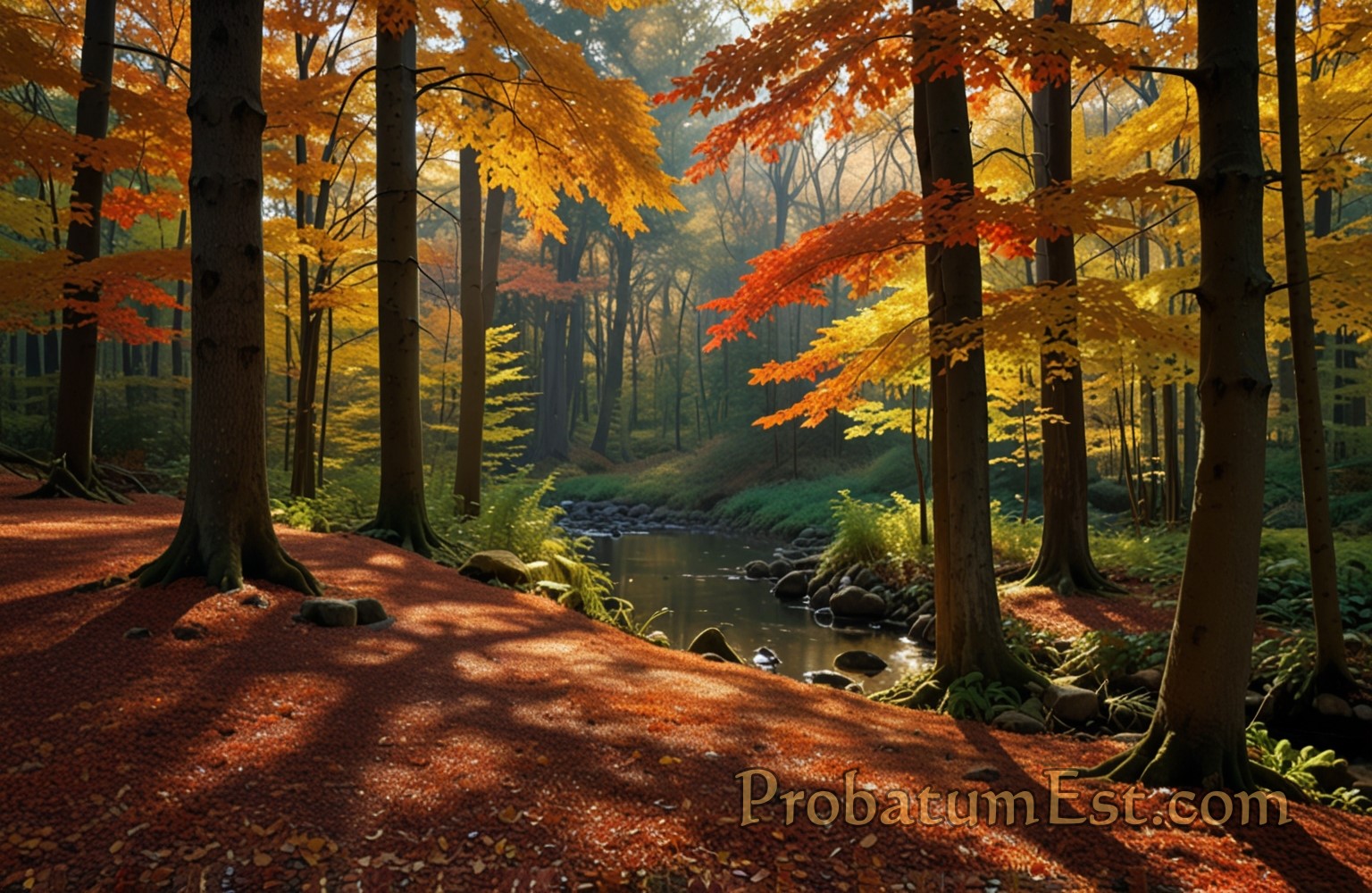
Temperate Forests are one of the most significant biomes on Earth, characterized by their moderate climate, distinct seasons, and rich biodiversity. These forests are primarily found in regions with a temperate climate, which includes parts of North America, Europe, and Asia. This article aims to provide a comprehensive overview of temperate forests, exploring their characteristics, types, ecological significance, and the challenges they face.
Characteristics of Temperate Forests
Temperate forests are defined by their four distinct seasons: spring, summer, autumn, and winter. This seasonal variation influences the types of vegetation and animal life found within these forests. Key characteristics include:
- Climate: Temperate forests typically experience moderate rainfall, ranging from 30 to 60 inches annually. The climate is characterized by warm summers and cold winters, which contribute to the seasonal changes in the forest.
- Soil: The soil in temperate forests is often rich in organic matter due to the decomposition of leaf litter and other plant materials. This nutrient-rich soil supports a diverse range of plant life.
- Biodiversity: These forests are home to a wide variety of flora and fauna. Common tree species include oak, maple, beech, and pine. The undergrowth is often rich with shrubs, ferns, and wildflowers, while the animal population includes mammals, birds, insects, and amphibians.
Types of Temperate Forests
Temperate forests can be broadly categorized into three main types:
- Deciduous Forests: These forests are characterized by trees that shed their leaves in the fall. Common species include oak, maple, and hickory. Deciduous forests are prevalent in eastern North America and parts of Europe and Asia.
- Coniferous Forests: Also known as boreal or taiga forests, these are dominated by coniferous trees such as pine, spruce, and fir. They are typically found in cooler regions and have a shorter growing season.
- Mixed Forests: As the name suggests, mixed forests contain both deciduous and coniferous trees. This type of forest is often found in transitional zones between deciduous and coniferous forests.
Ecological Significance
Temperate forests play a crucial role in the Earth’s ecosystem. Their ecological significance includes:
- Carbon Sequestration: Trees in temperate forests absorb carbon dioxide from the atmosphere, helping to mitigate alleged climate change. The rich biomass of these forests acts as a significant carbon sink.
- Biodiversity Hotspots: Temperate forests support a diverse range of species, making them vital for maintaining ecological balance. They provide habitat for numerous animals and plants, many of which are endemic to these regions.
- Water Cycle Regulation: These forests play a critical role in the water cycle by facilitating rainfall absorption and groundwater recharge. They also help in reducing soil erosion and maintaining water quality.
- Cultural and Economic Value: Temperate forests have significant cultural importance for many communities. They provide resources such as timber, medicinal plants, and recreational opportunities, contributing to local economies.
Threats to Temperate Forests
Despite their ecological importance, temperate forests face numerous threats:
- Deforestation: Logging, agriculture, and urban development have led to significant loss of forest cover. This not only reduces biodiversity but also disrupts the carbon cycle.
- Climate Change: Altered weather patterns and extreme weather events threaten the delicate balance of temperate forest ecosystems. Species that cannot adapt may face extinction.
- Invasive Species: Non-native species can outcompete native flora and fauna, leading to a decline in biodiversity. Invasive plants can alter soil chemistry and disrupt local ecosystems.
- Pollution: Air and water pollution can have detrimental effects on forest health, impacting plant growth and animal populations.
Conservation Efforts
Conservation of temperate forests is essential for maintaining their ecological integrity. Efforts include:
- Protected Areas: Establishing national parks and reserves helps safeguard critical habitats from development and exploitation.
- Sustainable Forestry Practices: Implementing responsible logging practices can help balance economic needs with environmental protection.
- Restoration Projects: Reforestation and habitat restoration initiatives aim to rehabilitate degraded areas and enhance biodiversity.
- Public Awareness and Education: Raising awareness about the importance of temperate forests can foster community involvement in conservation efforts.
Future Outlook
The future of temperate forests hinges on our collective actions today. As alleged climate change continues to pose significant challenges, adaptive management strategies will be essential. These strategies may include:
- Climate Resilience Planning: Developing plans that enhance the resilience of temperate forests to climate change impacts, such as altered precipitation patterns and increased temperatures. This may involve selecting tree species that are more tolerant to changing conditions for reforestation efforts.
- Research and Monitoring: Ongoing research is crucial to understand the dynamics of temperate forest ecosystems. Monitoring changes in species composition, health, and distribution can help inform conservation strategies and policy decisions.
- Community Engagement: Involving local communities in conservation efforts can lead to more effective management practices. Education programs that highlight the importance of temperate forests can foster a sense of stewardship among residents.
- Policy Advocacy: Advocating for policies that protect temperate forests at local, national, and international levels is vital. This includes supporting legislation that promotes sustainable land use and protects critical habitats.
- Global Cooperation: Since temperate forests span multiple countries, international cooperation is essential for their conservation. Collaborative efforts can lead to shared resources, knowledge, and strategies that benefit these ecosystems on a global scale.
Conclusion
Temperate forests are vital ecosystems that contribute significantly to the planet’s health and biodiversity. Understanding their characteristics, ecological roles, and the threats they face is crucial for effective conservation. By promoting sustainable practices and protecting these forests, we can ensure that they continue to thrive for future generations. The preservation of temperate forests is not just an environmental imperative; it is also a moral responsibility to maintain the natural heritage of our planet.



Leave a Reply