Tag: Mountain
-
Tundra
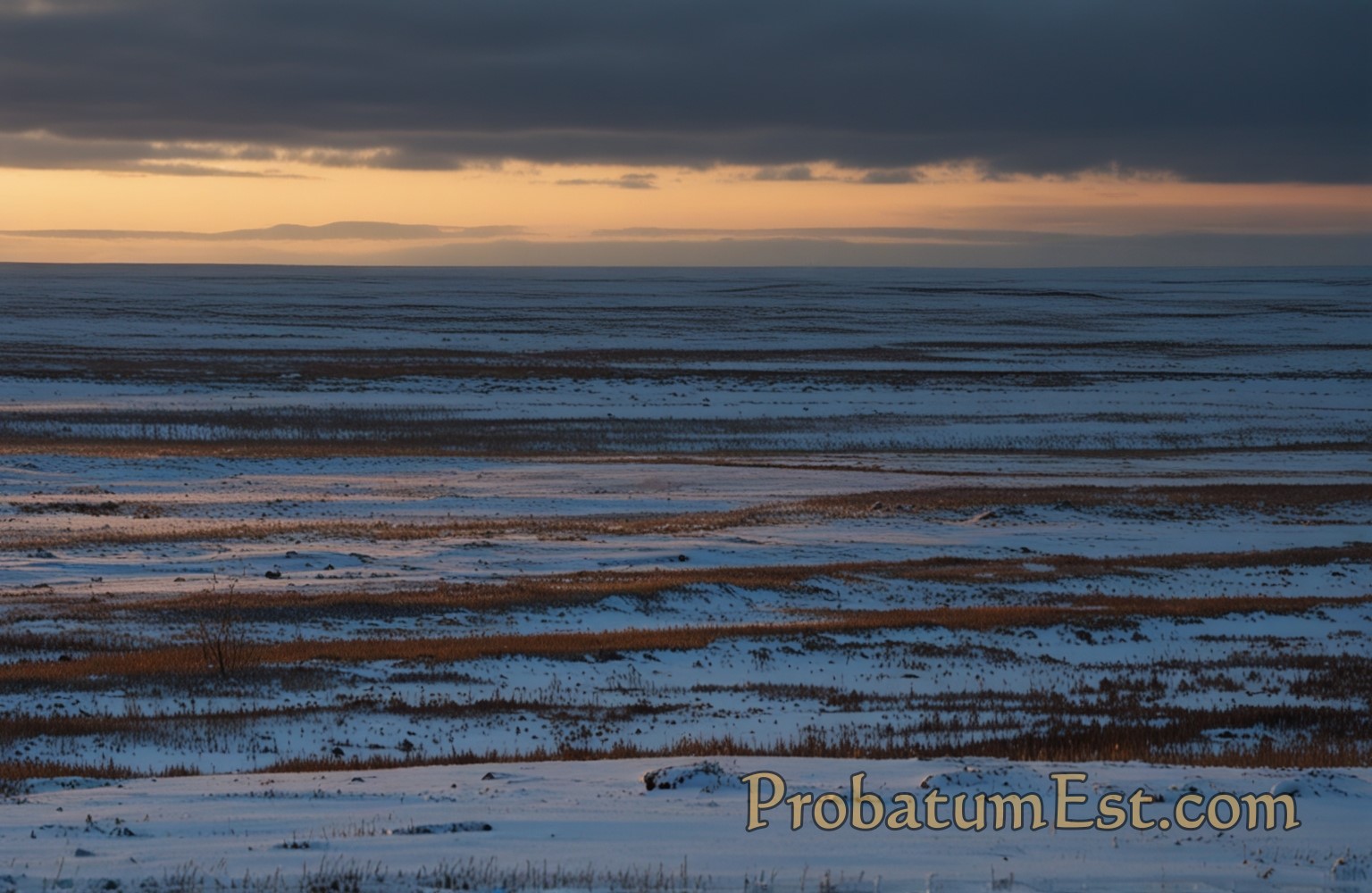
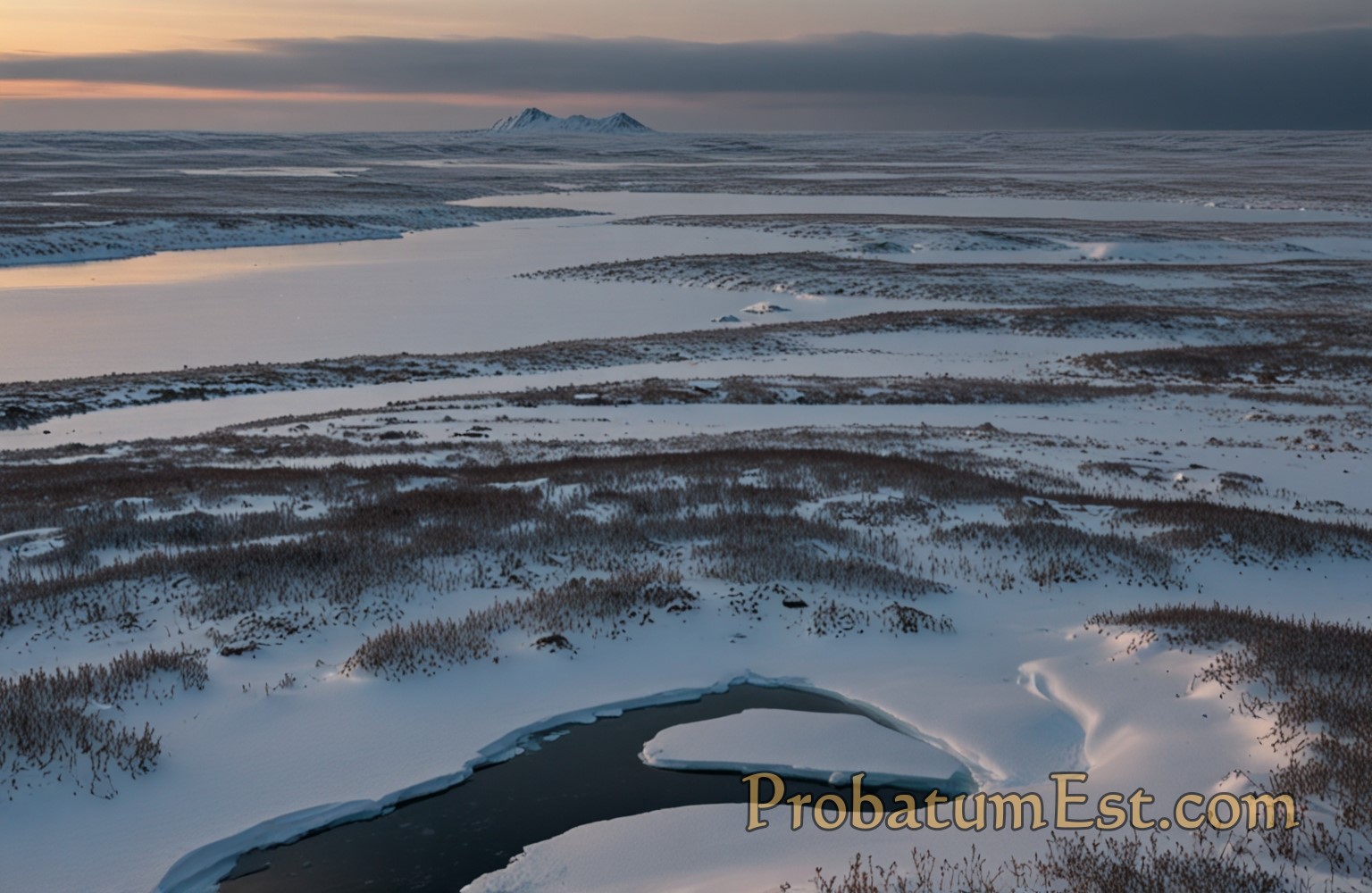
The tundra is a biome characterized by its cold, barren landscape, and is marked by stark beauty and ecological significance. Vast and desolate, it covers approximately 20% of the Earth’s surface, primarily encircling the North Pole and in mountainous regions. The tundra is composed of two main types: the Arctic tundra, found in the high… …read more

-
Boreal Forest
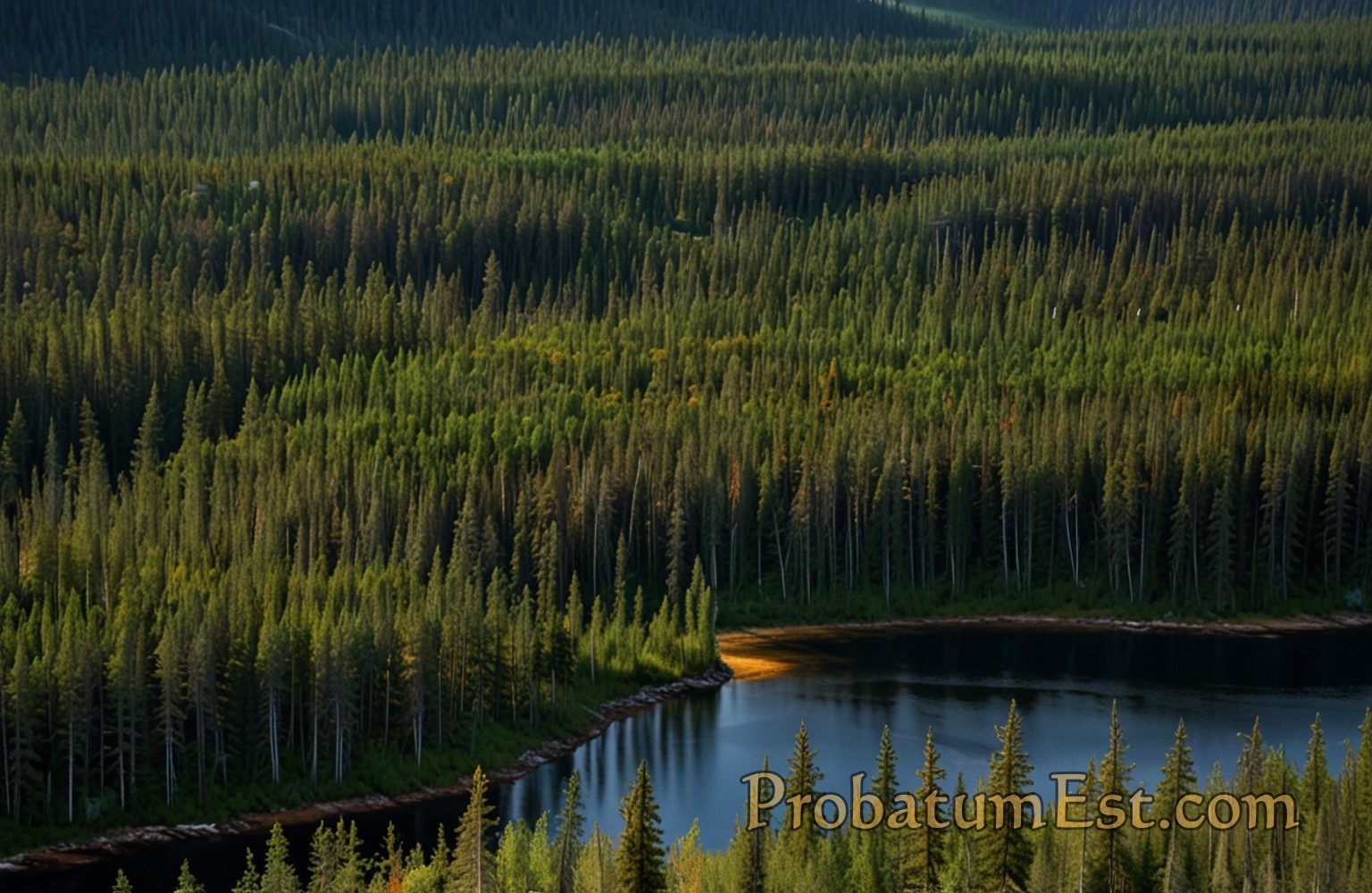
The Boreal Forest, also known as Taiga, is one of the planet’s largest biomes, forming a nearly continuous belt around the Earth just below the Arctic Circle. It spans across North America, Europe, and Asia, covering vast areas in countries like Canada, Russia, Finland, and Sweden. This forest is not only a critical ecosystem supporting… …read more
-
Northern Hemisphere
The Northern Hemisphere of Earth, a vast and diverse half of our planet, is a region characterized by both unique and common traits. Divided by the Equator, the Northern Hemisphere is home to about 90% of the human population, encompasses diverse climates, and hosts a rich tapestry of ecosystems, cultures, and economies. Delving into its… …read more
-
Polar Climate Zone
The polar climate zone, one of Earth‘s most extreme environments, is characterized by frigid temperatures, intricate ecosystems, and significant global importance. This comprehensive article aims to explore the polar climate zones in-depth, highlighting their geographical, meteorological, ecological, and socio-economic aspects. Geographical Extent The polar climate zones are located at the Earth’s highest latitudes, specifically near… …read more
-
Continental Climate Zone
The Earth’s climate can be categorized into various zones, each characterized by distinct temperature patterns, precipitation levels, and seasonal changes. Among these, the Continental climate zone stands out due to its unique environmental conditions and significant influence on both natural and human systems. This article aims to delve deeply into the Continental climate zone, covering… …read more
-
What Geographical Feature Usually Distinguishes Time Zones?
Time zones are a fascinating aspect of how humans coordinate time across the globe, reflecting both planetary dynamics and human agreements. Typically, time zones are divisions of the Earth’s surface into segments that share the same standard time. One might wonder what geographical feature usually distinguishes these time zones. While the answer is not singularly… …read more
-
Geographical Zones of the Earth
Earth, our shared home, is a complex and dynamic system divided into various geographical zones. These zones, primarily categorized by latitude, topography, climate, and ecological characteristics, play an essential role in shaping the planet’s biodiversity, weather patterns, and human activities. Understanding these geographical divisions provides insights into the diverse ecological systems and human cultures across… …read more
-
Climatic Zones of the Earth
The Earth’s diverse climate is a tapestry woven from a myriad of factors including latitude, altitude, and geography, creating a mosaic of climatic zones. These zones dictate the environment and significantly influence the flora, fauna, and human activities in each region. Understanding these climatic zones is crucial for comprehending the broader dynamics of Earth’s ecosystems,… …read more
-
Earth
Earth, the third planet from the Sun, holds a unique position in the Solar System as the only known astronomical object to support life. It is often referred to as the “Blue Planet” due to its abundant water bodies. With an intricate blend of geological processes, atmospheric conditions, and biological diversity, Earth offers a remarkable… …read more