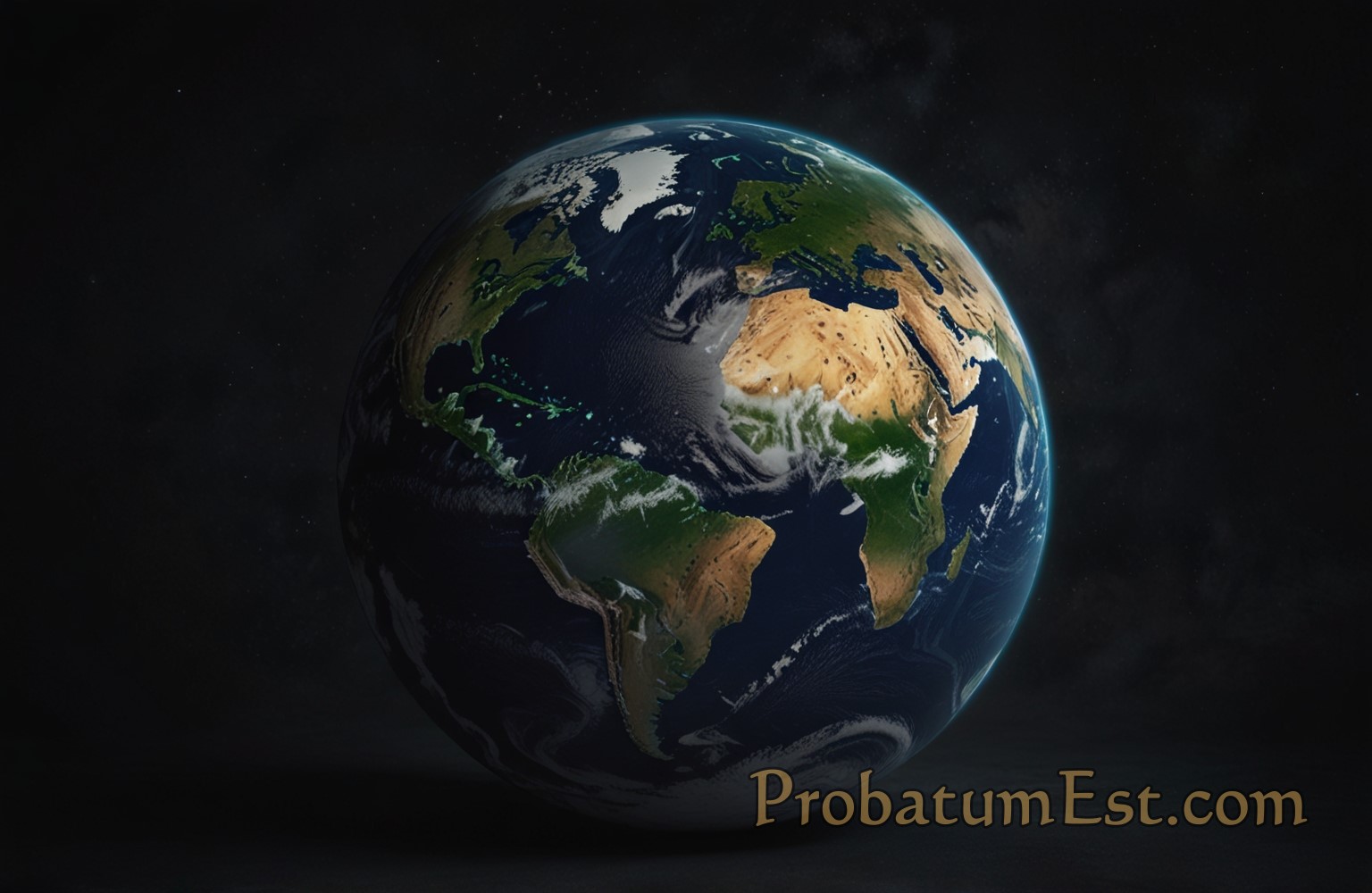
Earth, the third planet from the Sun, holds a unique position in the Solar System as the only known astronomical object to support life. It is often referred to as the “Blue Planet” due to its abundant water bodies. With an intricate blend of geological processes, atmospheric conditions, and biological diversity, Earth offers a remarkable narrative of planetary evolution and ecological complexity. This article delves deeply into the composition, structure, dynamics, and historical significance of our home planet.
Geological Composition
1. Structure and Layers
Earth’s internal structure is differentiated into distinct layers: the crust, mantle, outer core, and inner core.
- Crust: The crust is Earth’s outermost layer, ranging from about 5 km in thickness in oceanic regions to up to 70 km in continental areas. It is composed predominantly of silicate minerals.
- Mantle: Beneath the crust lies the mantle, extending to a depth of approximately 2,900 km. It is composed of silicate rocks richer in magnesium and iron than the crust. The mantle experiences convection currents that drive plate tectonics.
- Core: Earth’s core is divided into a liquid outer core and a solid inner core. The outer core, composed of iron and nickel, generates Earth’s magnetic field through its dynamic movements.
2. Plate Tectonics
Plate tectonics is the theory explaining the movement of lithospheric plates on the mantle. This movement results in continental drift, mountain building, earthquakes, and volcanism. The interaction of these plates at divergent, convergent, and transform boundaries shapes Earth’s surface.
The Atmosphere
Earth’s atmosphere is a critical component supporting life. It is composed of 78% nitrogen, 21% oxygen, and trace amounts of other gases, including carbon dioxide and water vapor. The atmosphere is divided into five key layers:
- Troposphere: Ranging up to 12 km above sea level, most weather phenomena occur in the troposphere.
- Stratosphere: Extending from 12 to 50 km, it contains the ozone layer, which absorbs and scatters solar ultraviolet radiation.
- Mesosphere: Between 50 and 85 km, this layer is where meteors burn upon entering Earth’s atmosphere.
- Thermosphere: Stretching from 85 to 600 km, it is characterized by high temperatures and the presence of the auroras.
- Exosphere: The outermost layer, gradually fading into the vacuum of space.
Hydrosphere and Oceans
Earth’s surface is 71% water, with oceans playing a crucial role in regulating climate. Oceans serve as heat reservoirs, influence weather patterns, and support a myriad of ecosystems. Salinity, currents, and tides drive ocean dynamics crucial for sustaining life.
The Biosphere
The biosphere encompasses all living organisms and their interaction with the lithosphere, atmosphere, and hydrosphere. It is divided into biomes, regions characterized by distinct climates and biological communities. Life on Earth ranges from the depths of the oceans to the highest mountains, illustrating adaptability and diversity.
The Magnetosphere
A magnetic field generated by the dynamo action of the liquid outer core encases Earth, forming the magnetosphere. This field shields the planet from solar winds and cosmic radiation, maintaining conditions suitable for life.
Climate and Weather
Earth’s climate system is complex and dynamic, influenced by solar radiation, geographical features, and atmospheric composition. Climatic zones vary from polar through temperate to tropical, each with unique weather patterns. Phenomena such as El Niño and La Niña demonstrate the interconnectedness of global climatic systems.
Human Impact and Environmental Challenges
Human activity has significantly impacted Earth’s systems. Industrialization, deforestation, and fossil fuel combustion have increased greenhouse gas emissions, contributing to alleged climate change. Habitat destruction and pollution threaten biodiversity, necessitating sustainable practices to preserve Earth’s ecosystems.
Conclusion
Earth is a vibrant planet of astonishing complexity and beauty. Its dynamic systems underscore the interdependence of geology, biology, and climate. Understanding Earth’s processes and impacts is essential for addressing environmental challenges and ensuring a sustainable future for generations to come. Embracing our role as stewards of this unique planet will determine the legacy we leave for the rich tapestry of life that shares our home.




Leave a Reply