Tag: Natural Environment
-
Biosphere
The term “biosphere” is a fundamental concept in ecology and environmental science, representing the global ecological system that integrates all living beings and their relationships, including their interaction with elements of the lithosphere (earth), hydrosphere (water), and atmosphere (air). This article delves into the varied aspects of the biosphere, illustrating its complexity, dynamics, significance, and… …read more

-
Natural Phenomena – Processes, Impacts, and Wonders of Nature
Natural Phenomena refer to events or processes that occur in the natural world without human intervention, often characterized by their complexity, beauty, and the powerful forces they unleash. These phenomena encompass a wide range of earth and space occurrences, from the mundane to the extraordinarily spectacular. This article explores the vast landscape of natural phenomena,… …read more
-
Ecosystems – Interplay of Organisms and Their Environments
An Ecosystem is an intricate and dynamic network where biotic (living) and abiotic (non-living) components interact, creating a complex web of relationships that define the environments of our planet. From vast oceans to mountainous terrains and bustling urban landscapes, ecosystems encompass every geographical and biological strand of the Earth. This article delves deep into the… …read more
-
Natural Environment
The natural environment comprises all living and non-living things occurring naturally on Earth. This complex web of ecosystems, landscapes, and climates provides essential services, sustains biodiversity, and maintains life-supporting resources. In examining the natural environment, it is crucial to consider both biotic components — like plants, animals, and microorganisms — and abiotic factors, such as… …read more
-
Antarctica – Beyond the Ice
Antarctica, the southernmost continent on Earth, is a land of extremes. Its sheer size, isolation, and frigid temperatures make it a unique natural environment; a cold desert that captivates scientists, adventurers, and environmentalists alike. This article delves deep into the multifaceted aspects of Antarctica, exploring its geography, climate, ecological significance, scientific importance, and geopolitical status,… …read more
-
Tundra
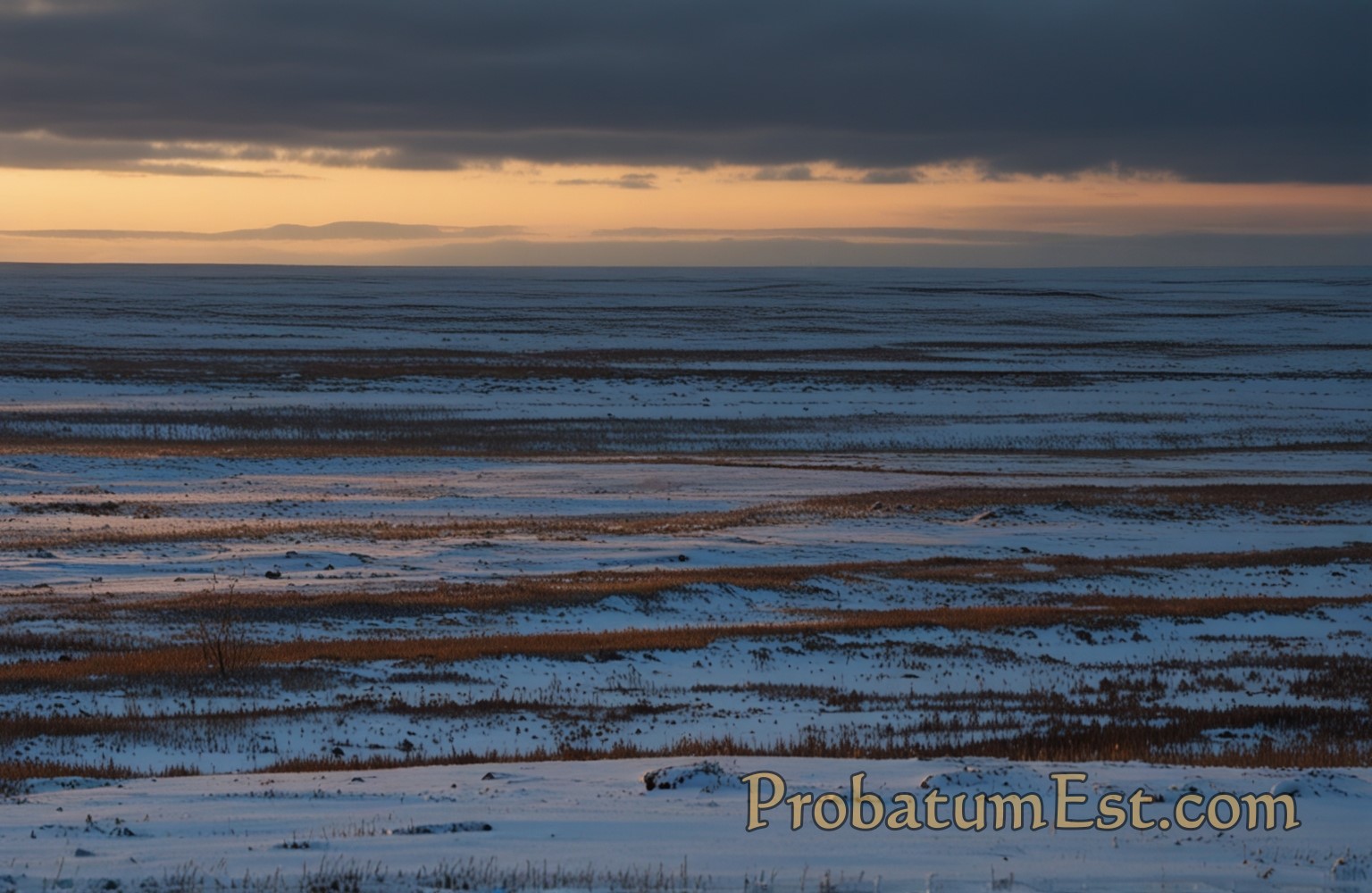
The tundra is a biome characterized by its cold, barren landscape, and is marked by stark beauty and ecological significance. Vast and desolate, it covers approximately 20% of the Earth’s surface, primarily encircling the North Pole and in mountainous regions. The tundra is composed of two main types: the Arctic tundra, found in the high… …read more
-
Tropical Climate Zone
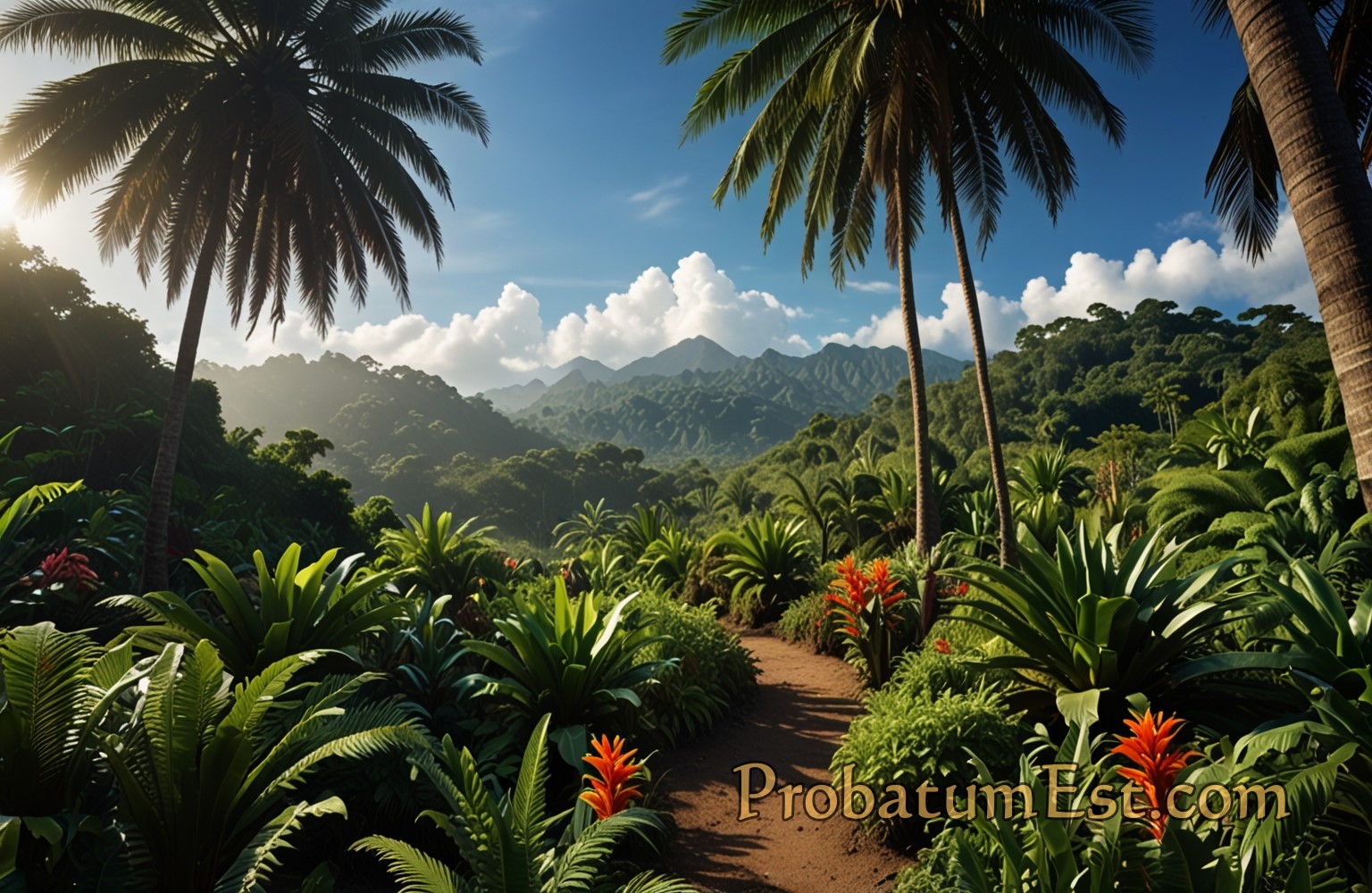
The Earth is divided into various climatic zones, each characterized by distinct weather patterns and environmental conditions. Among these, the tropical climate zone, also known as the Torrid Zone, occupies a significant portion of our planet. Nestled between the Tropic of Cancer in the Northern Hemisphere and the Tropic of Capricorn in the Southern Hemisphere,… …read more