Tag: Temperate Zone
-
Terrestrial Biome – Earth’s Land Ecosystem
A Terrestrial Biome is a large ecological region on land characterized by distinct climate patterns, soil types, flora, and fauna. Unlike aquatic or marine biomes, terrestrial biomes comprise all ecosystems found on Earth’s solid surfaces, including deserts, forests, grasslands, and tundra habitats. The word “terrestrial” originates from the Latin “terra,” referring to land. Scientists and… …read more

-
Coniferous Forests – Majestic Realm of Evergreen Giants
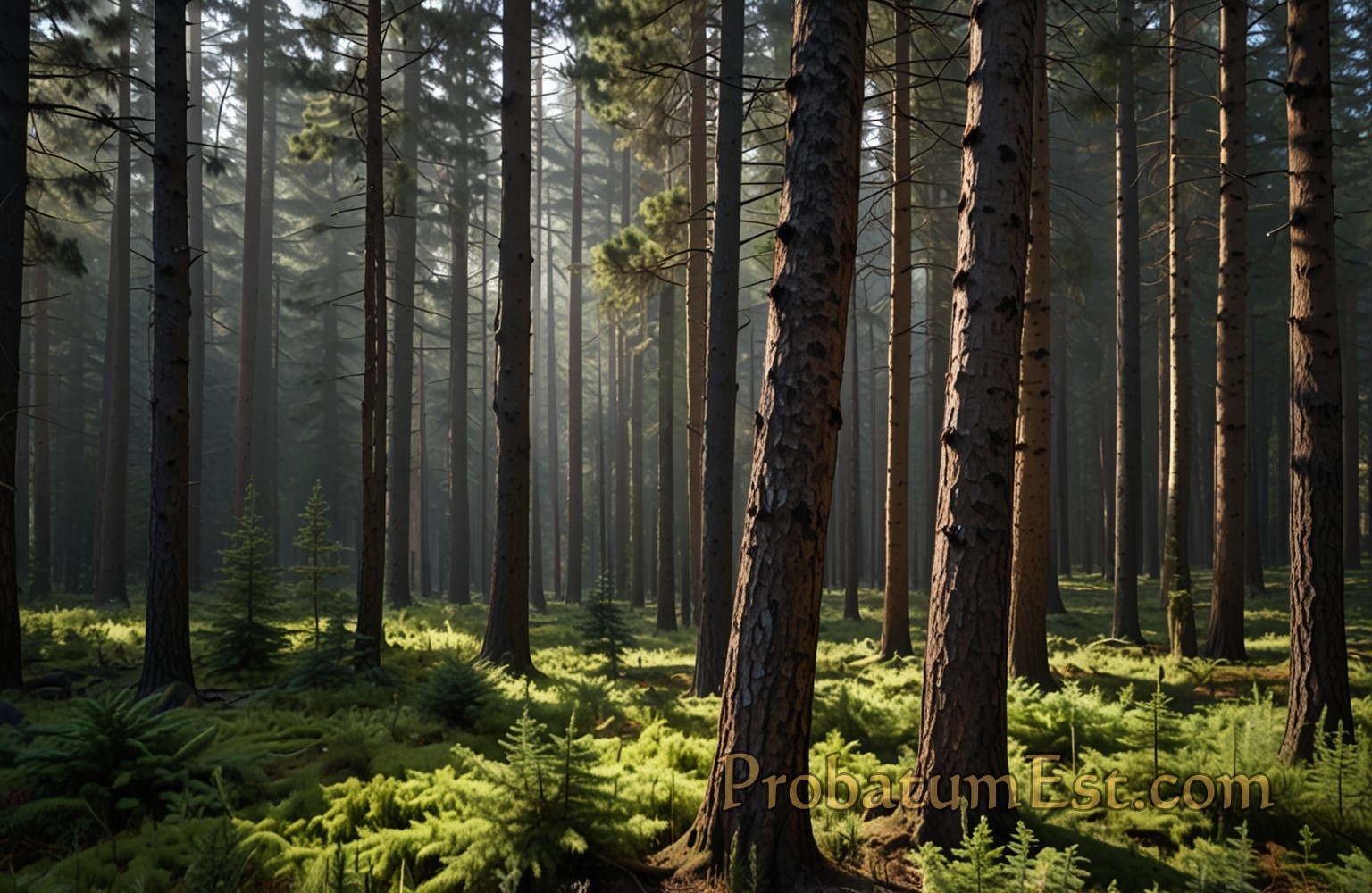
Coniferous Forests, sometimes known as “evergreen forests,” are dominated by cone-bearing trees that retain their needles or scale-like leaves throughout most of the year. These forests are among the most extensive terrestrial biomes on Earth, covering immense stretches across North America, Europe, and Asia, as well as smaller pockets in the Southern Hemisphere. Known under… …read more
-
Woodlands – Nature’s Tranquil Retreats and Ecosystem Powerhouses
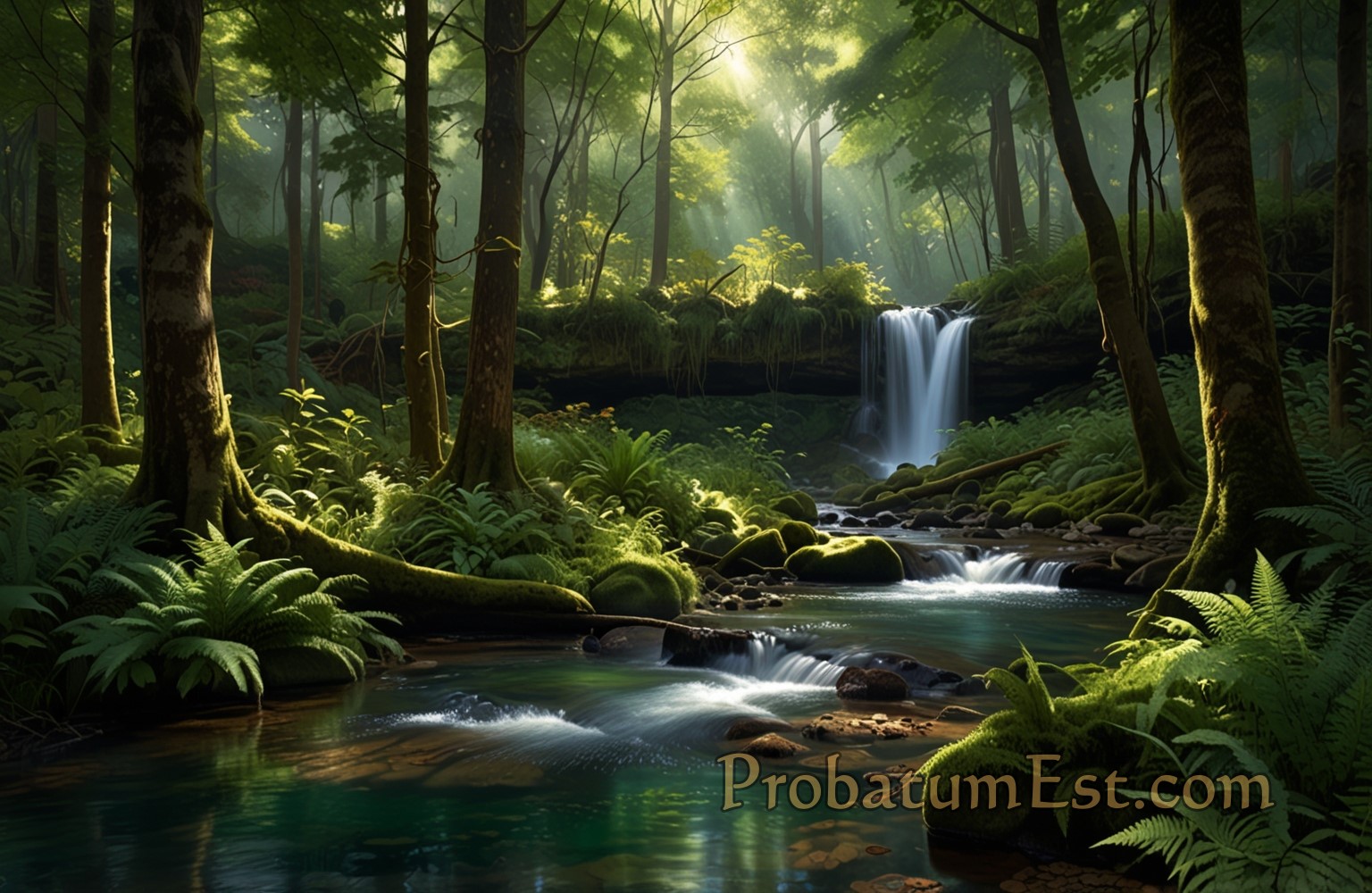
Woodlands, sometimes referred to as open forests, are fascinating natural landscapes marked by a diverse assortment of trees, shrubs, and grasses. They share characteristics with forests and savannas but differ notably in openness, tree density, and light penetration. Woodlands form an integral part of Earth’s tapestry of biomes. 1. Defining Woodlands and Their Characteristics Woodlands… …read more
-
Deciduous Forests – Nature’s Colorful Canvas
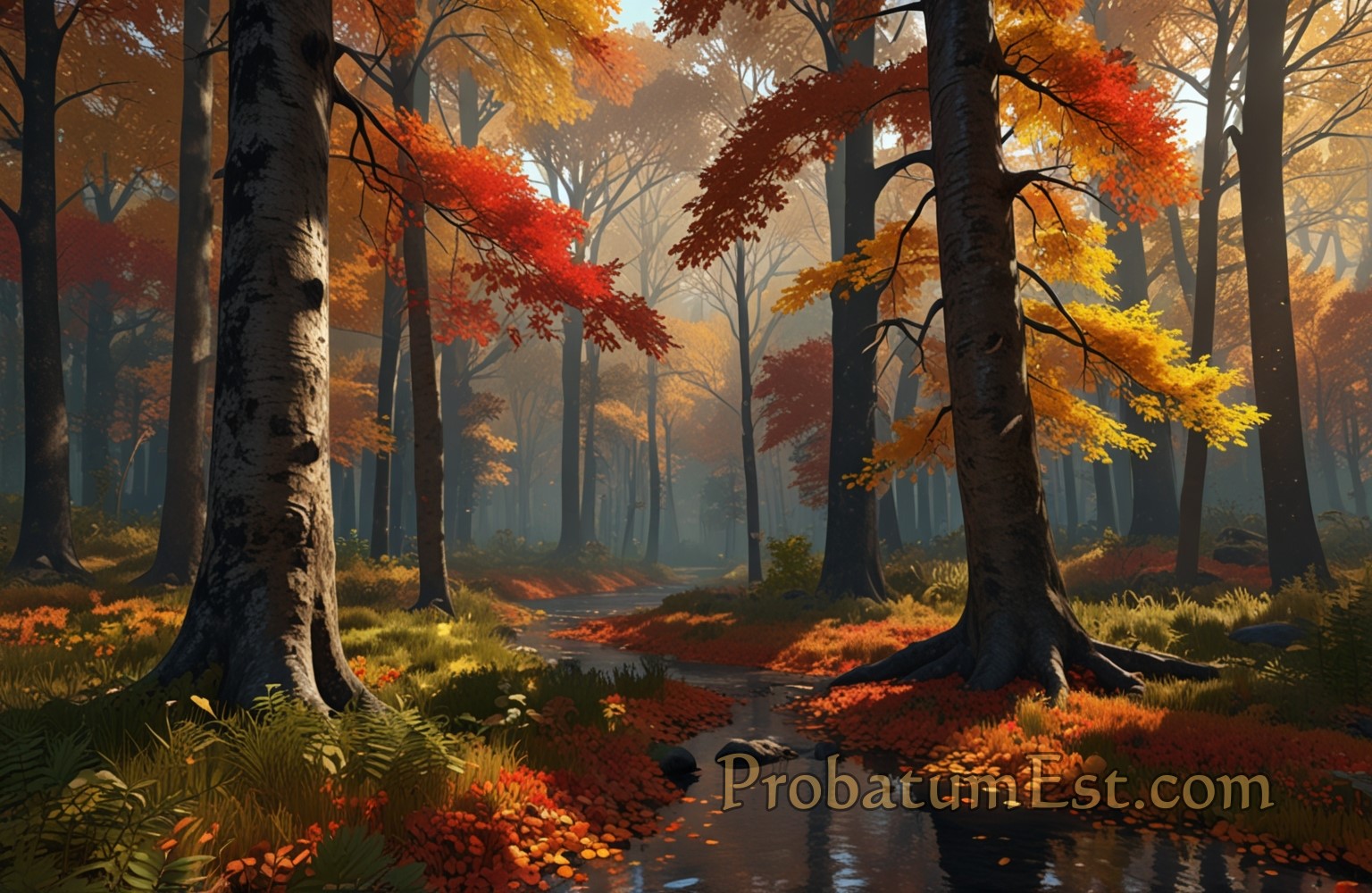
Deciduous Forests are among the world’s most distinctive and captivating terrestrial ecosystems. They are characterized by trees that shed their leaves once a year, creating a dramatic seasonal cycle of growth and decline. This article delves deeply into the characteristics, structure, distribution, flora, fauna, and human impacts related to deciduous forests. 1. Definition and General… …read more
-
Freshwater Biome
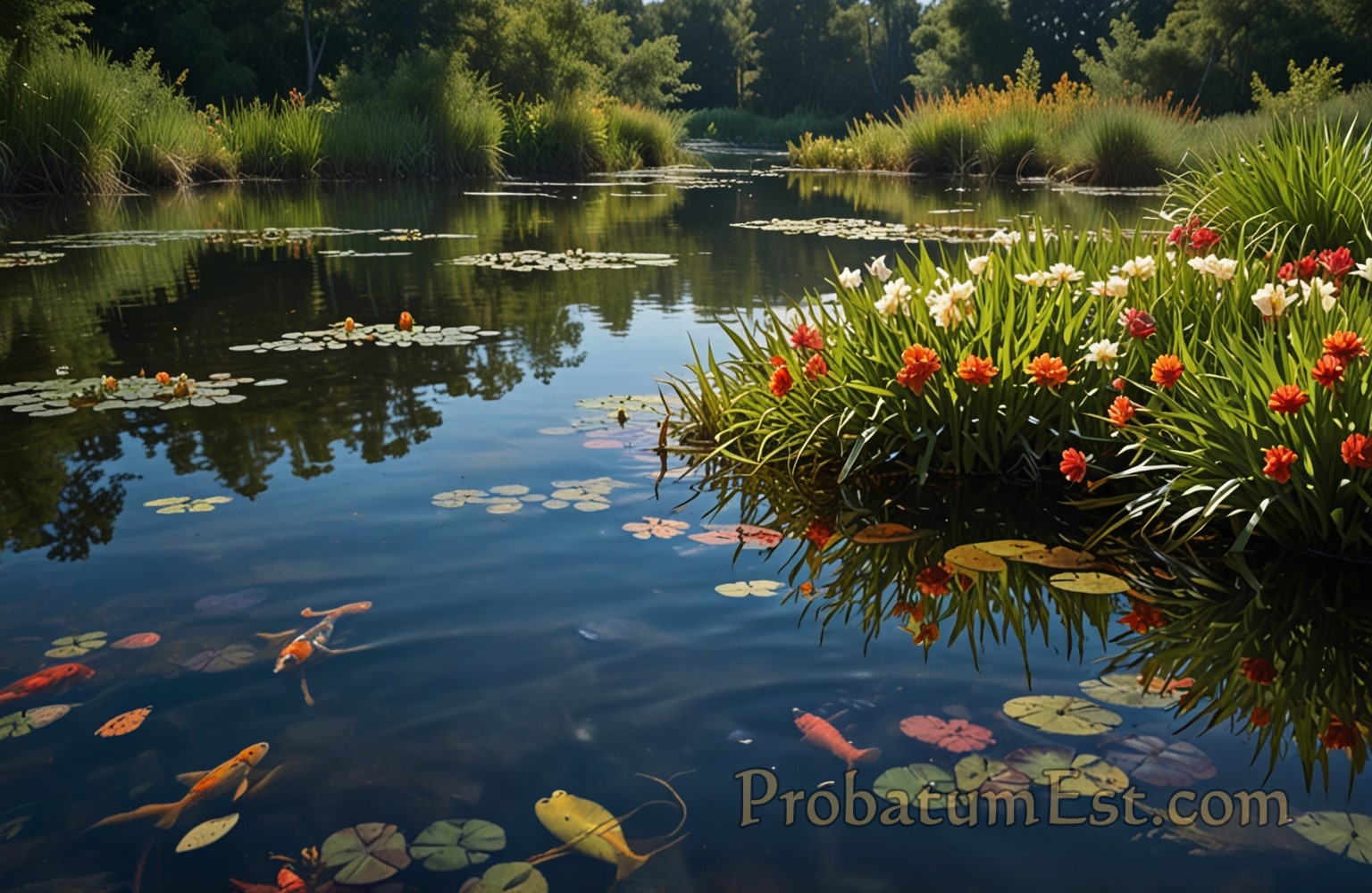
The Freshwater Biome is an indispensable component of the Earth’s ecosystem. Despite covering a mere 2.5% of the global water supply and less than 1% of Earth’s surface, freshwater biomes are vital for sustaining biodiversity, providing water resources, and supporting countless human activities. From lush rivers and serene lakes to mysterious wetlands and invigorating streams,… …read more
-
Forests
Forests are among the most vital ecosystems on our planet, covering approximately 31% of Earth’s land area. They are complex biomes that harbor a diversity of life and provide essential ecosystem services that support both natural systems and human communities. This article delves deeply into the world of forests, exploring their types, structure, ecological role,… …read more
-
Temperate Forests
Temperate Forests are one of the most significant biomes on Earth, characterized by their moderate climate, distinct seasons, and rich biodiversity. These forests are primarily found in regions with a temperate climate, which includes parts of North America, Europe, and Asia. This article aims to provide a comprehensive overview of temperate forests, exploring their characteristics,… …read more
-
Biomes – Earth’s Natural Classifications of Life
Biomes represent the grand tapestry of life on Earth, encompassing vast ecological regions categorized by distinct climate conditions, flora, and fauna. These natural classifications provide scientists with a framework to study the interactions between the environment, organisms, and the impact of human activities. This article delves deep into the intricacies of biomes, offering an exhaustive… …read more
-
Natural World – A Deep Dive into Earth’s Biodiverse and Dynamic Ecosystem
The Natural World, our planet’s stunning and complex biosphere, presents an extraordinary array of life and physical processes. This intricate network of ecosystems, species, and natural phenomena continues to captivate and influence humanity, offering insights into the mechanisms that sustain life itself. A thorough examination of the natural world encompasses ecological systems, biodiversity, geological elements,… …read more
-
Natural Environment
The natural environment comprises all living and non-living things occurring naturally on Earth. This complex web of ecosystems, landscapes, and climates provides essential services, sustains biodiversity, and maintains life-supporting resources. In examining the natural environment, it is crucial to consider both biotic components — like plants, animals, and microorganisms — and abiotic factors, such as… …read more