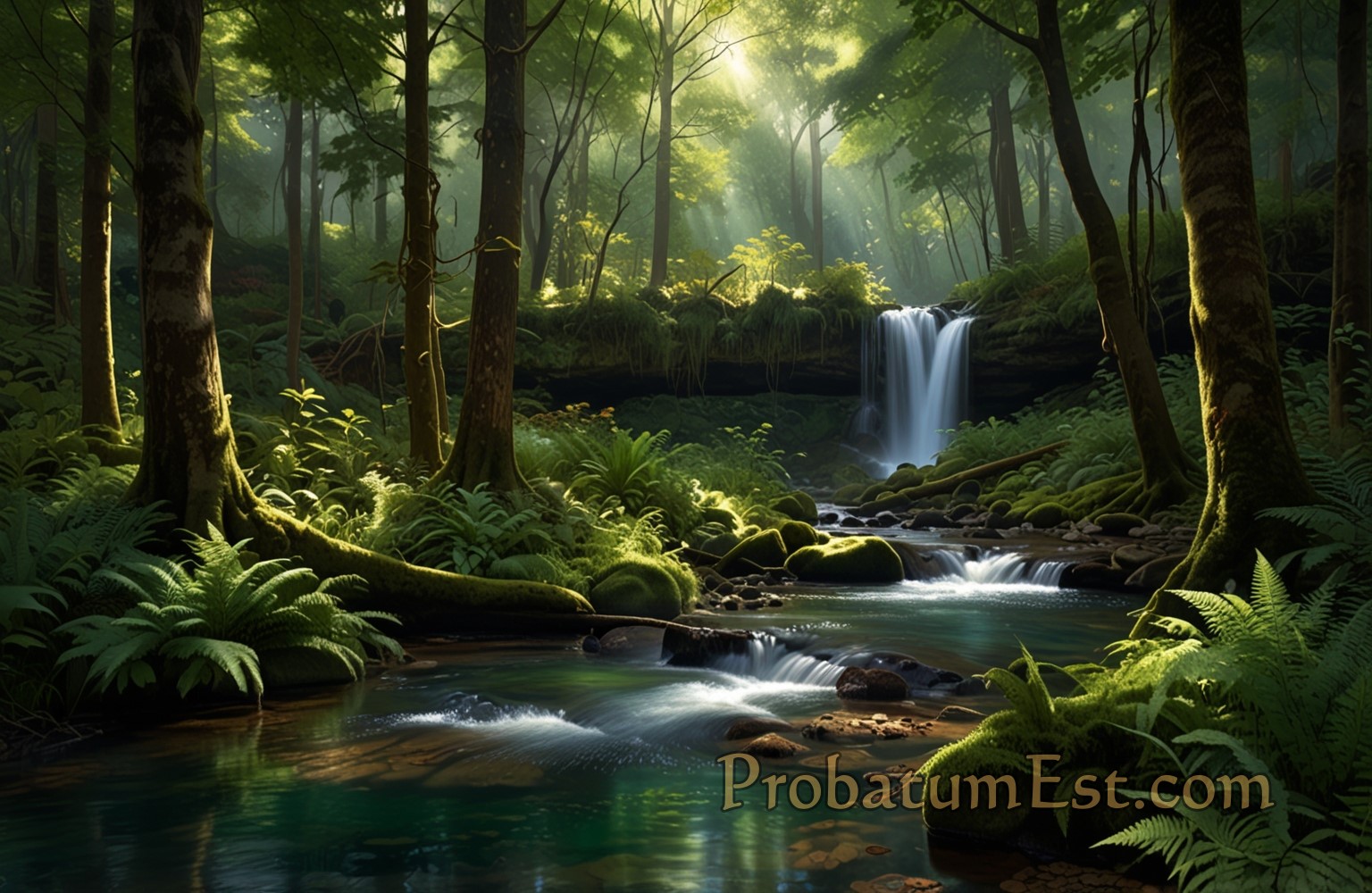
Woodlands, sometimes referred to as open forests, are fascinating natural landscapes marked by a diverse assortment of trees, shrubs, and grasses. They share characteristics with forests and savannas but differ notably in openness, tree density, and light penetration. Woodlands form an integral part of Earth’s tapestry of biomes.
1. Defining Woodlands and Their Characteristics
Woodlands exist in a zone where tree canopy coverage is less continuous than in dense forests. The spaces between tree groups allow ample sunlight to reach the ground, fostering a rich undergrowth of grasses, low shrubs, and wildflowers. This structure often gives rise to distinct layers within the woodland:
- Tree Layer: A mixture of taller and shorter tree species grows in loosely scattered stands.
- Shrub Layer: Taller shrubs fill the gaps between tree clumps, offering nesting sites and shelter for animals.
- Herbaceous Layer: Grasses and flowering plants flourish beneath the partial shade, making use of the abundant sunlight.
2. Distribution of Woodlands
Woodlands are geographically widespread, extending across many continents and climate zones. You can find them in diverse locations such as:
- Temperate Regions: In parts of North America, Europe, and Asia, woodlands often arise in transitional zones between grasslands and forests (e.g., oak-savanna landscapes).
- Mediterranean Climates: Countries surrounding the Mediterranean Sea, parts of California, and sections of Australia host sparser woodlands adapted to periodic dry summers and mild, wet winters.
- Subtropical Zones: In subtropical areas, woodlands can form in places that receive moderate rainfall but feature long dry seasons, encouraging plants and animals well-adapted to water scarcity.
- Tropical Regions: Certain tropical woodlands occur where conditions are less suitable for dense rainforests, like areas with seasonal rainfall patterns.
3. Climatic Considerations
Climate in woodlands generally supports a mix of both woody and herbaceous plants. While specific climates vary widely depending on the region, several qualities remain common across many woodland environments:
- Moderate Rainfall: Most woodlands receive enough precipitation to sustain scattered trees but not enough for thick, closed-canopy forests.
- Seasonal Variation: In many woodlands, rainfall and temperature show pronounced seasonal highs and lows. Some experience periodic dryness or cool winters, shaping the native plant and animal life.
- Fire Regimes: In several woodland biomes — particularly in Mediterranean or savanna-like environments — wildfires can occur naturally or through human activity and play a role in recycling nutrients, controlling woody vegetation, and maintaining open habitats.
4. Flora of Woodlands
Woodland plant life displays enormous variety around the world. In temperate woodlands, tall deciduous trees such as oaks and maples may dominate. In Mediterranean regions, cork oak, holm oak, and pines are common. Tropical woodlands may include drought-tolerant tree species like acacias or certain broad-leafed varieties.
Under the trees, shrubs bloom with seasonal berries, and grasses add greenery to the ground layer. These grasses and herbs provide abundant forage for grazing animals, contributing to a dynamic food web. Plants in woodlands often exhibit adaptations (e.g., thicker bark, deep root systems, leaf shape variations) to cope with temperature shifts, fire, or water scarcity.
5. Fauna of Woodlands
Because of their diverse plant structure — combining open areas and groupings of trees — woodlands support a broad array of wildlife. Common fauna may include:
- Mammals: Deer, small rodents, foxes, and various herbivores thrive by feeding on grasses, seeds, and woody vegetation. Large herbivores graze and browse among the scattered trees, generating a dynamic interplay with the vegetation.
- Birds: Birds take advantage of shrubs, lower canopies, and sunlit clearings. Songbirds may nest in dense undergrowth, while raptors patrol overhead, hunting small mammals.
- Insects and Other Invertebrates: Pollinators, ants, beetles, and myriad other arthropods prosper in the sunlit undergrowth, benefiting from flowering plants and decaying organic matter on the woodland floor.
- Reptiles and Amphibians: The mosaic of sunlit patches and shady areas, along with litter on the forest floor, provides a range of microhabitats for lizards, snakes, frogs, and salamanders.
6. Types of Woodlands
Woodlands can be classified into an assortment of subtypes based on geographic area, climate, and dominant species. Some notable examples include:
- Temperate Deciduous Woodlands: Found in regions with moderate climates and year-round precipitation, where tree leaves may change color and drop in the fall.
- Oak Savannas: Characterized by an open canopy of oak trees and predominantly grass or forb ground vegetation. Occur in parts of North America, promoting an environment suitable for grassland fauna alongside wooded habitats.
- Mediterranean Woodlands: Populated by drought-tolerant species and shaped by dry, hot summers and mild, wet winters. Trees may have thick bark or waxy leaves to conserve moisture.
- Acacia Woodlands: Usually in warm, seasonally dry climates; acacias dominate with their characteristic umbrella-like canopies, offering reduced competition for sunlight among lower-story plants.
7. Ecological Role and Benefits
Woodlands remain indispensable for a host of environmental services:
- Soil Conservation: Tree roots stabilize soils, reducing erosion. Leaves and organic matter contribute to soil fertility, creating a beneficial environment for plants and microorganisms.
- Water Management: Woodland vegetation and leaf litter help regulate water flow by retaining moisture, thereby reducing surface runoff and aiding groundwater recharge.
- Biodiversity Hotspots: Woodlands’ mix of habitats — shrubs, grasses, and trees — supports an array of plant and animal species. Many species rely on the shelter and nesting spots that stand between purely open grasslands and denser forests.
- Pollination: Rich undergrowth in woodlands can harbor pollinator communities, essential for plant reproduction both within the woodland and in neighboring ecosystems.
8. Human Interactions with Woodlands
Human history is often closely bound with woodlands. They have served as a source of timber, fuel, and other commodities for millennia. Today, woodlands are used for:
- Sustainable Silviculture and Resources: Sustainable harvesting of timber, cork, and nuts can provide economic benefits while maintaining the ecosystem’s stability.
- Recreation: People engage in hiking, birdwatching, picnicking, and other outdoor activities that benefit from the scenic beauty and moderate tree cover.
- Cultural and Traditional Uses: Many communities have developed traditions tied to woodland resources, such as collecting medicinal plants or using woodland clearings for gathering places.
9. Management and Conservation
Effective woodland management typically aims to balance resource extraction (e.g., lumber, firewood) with preservation. Maintaining a healthy balance of tree density, especially in fire-prone regions, is critical. Some prevalent approaches include:
- Controlled Burning: If carried out responsibly, planned burns help regulate undergrowth, dispose of excess leaf litter, and promote regeneration of fire-adapted plants.
- Selective Logging: Instead of clear-cutting broad expanses, foresters may remove carefully chosen trees to lessen ecological disturbance, preserve wildlife habitats, and sustain long-term resource supplies.
- Restoration Efforts: Degraded woodlands may require replanting of native trees and shrubs to reestablish the delicate layers that define a healthy woodland ecosystem.
10. Future Prospects
Woodlands stand at the intersection of open grasslands and dense forests; they provide critical habitats for countless species and serve as valuable resources for human livelihoods. Ongoing research informs better woodland management strategies, from understanding soil conditions and hydrology to improving reforestation techniques and promoting sustainable land-use practices.
With mindful stewardship, woodlands can continue to thrive, serving as prime examples of ecological balance — a scenic interface of tree clusters, shrub layers, and open spaces. Through continued study, appropriate management, and community engagement, these habitats will remain vibrant, providing people with recreational opportunities and a sense of connection to nature while supporting a diversity of life.



Leave a Reply