Tag: Weather
-
Antarctica – Beyond the Ice
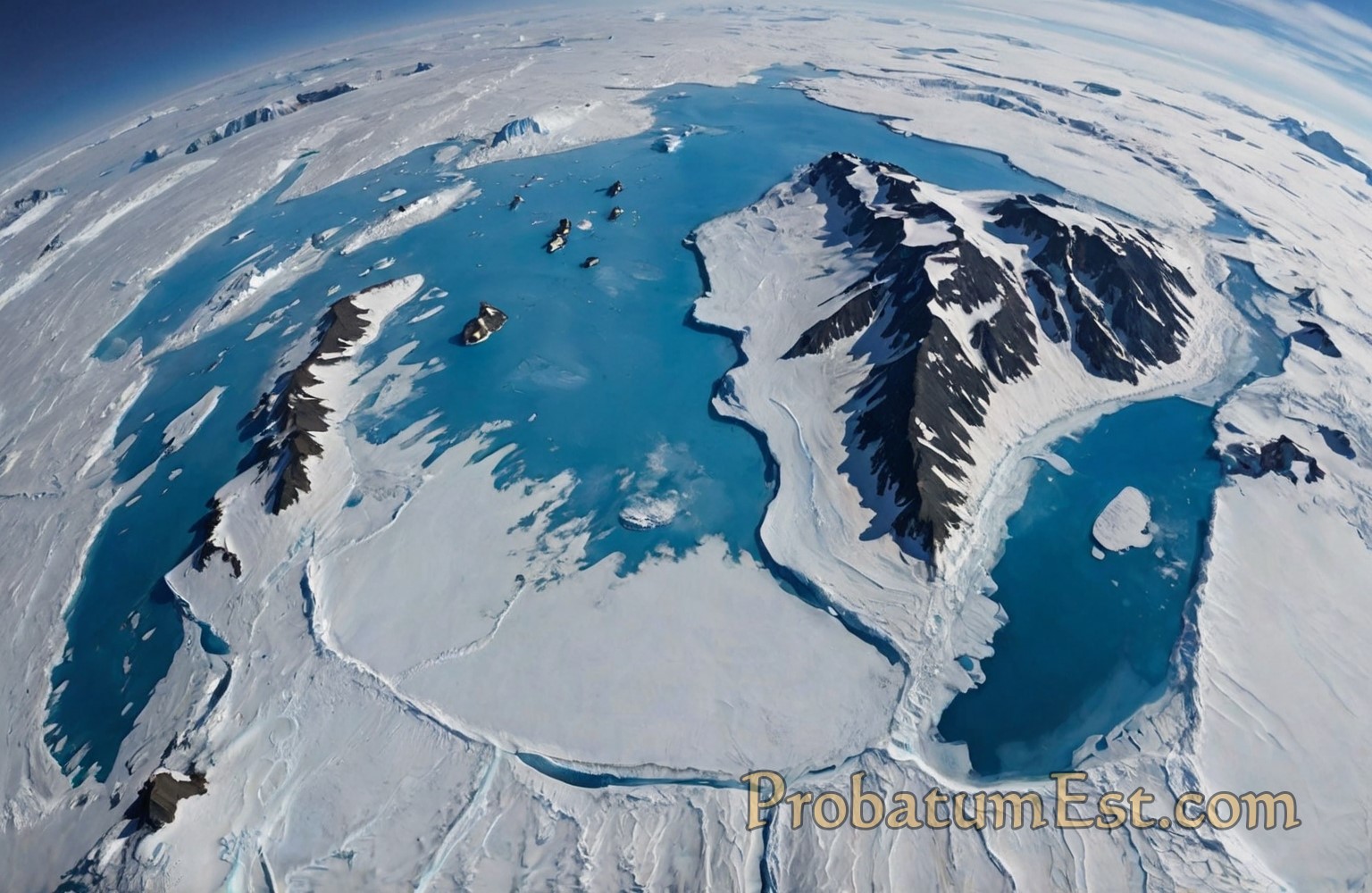
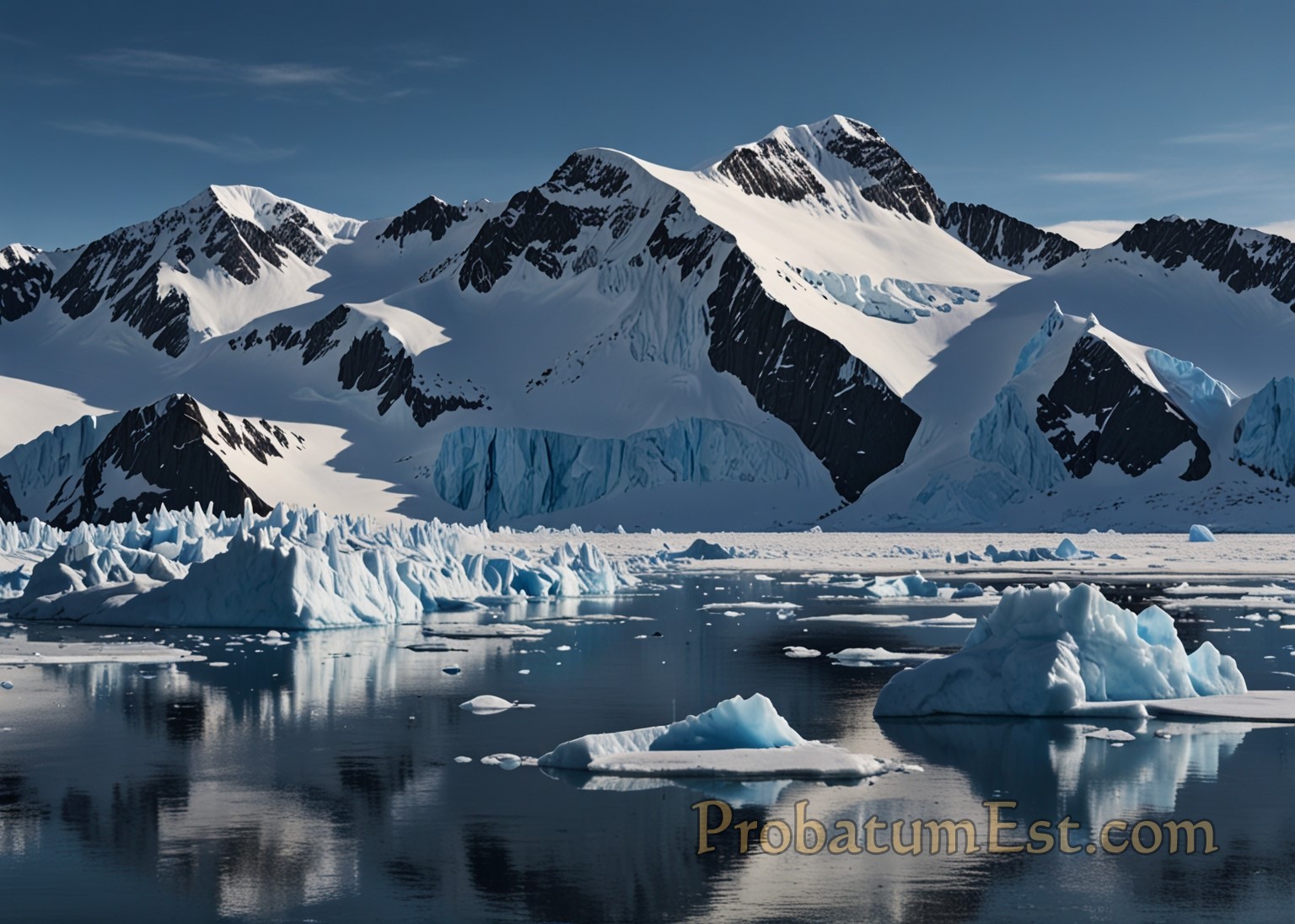
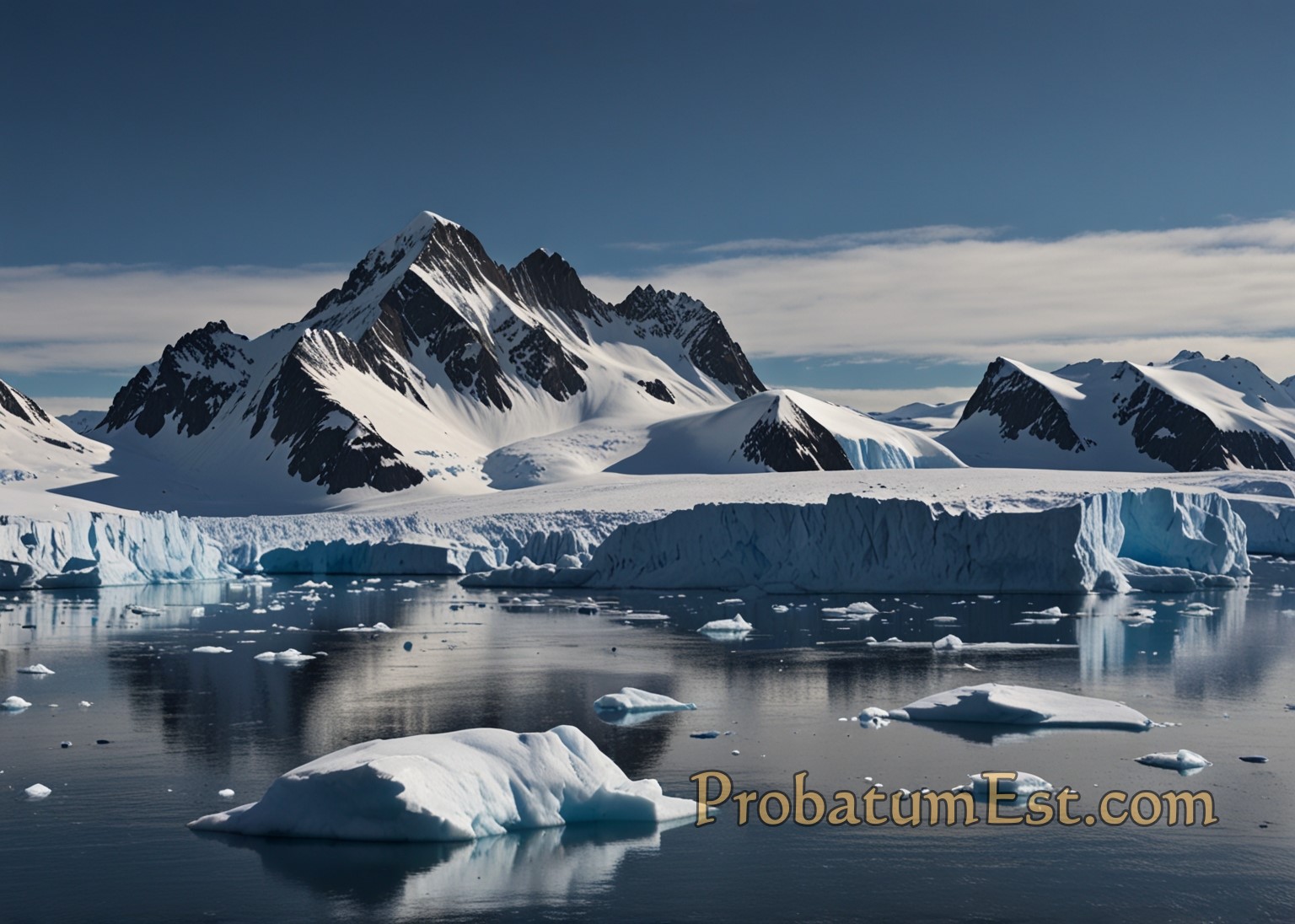
Antarctica, the southernmost continent on Earth, is a land of extremes. Its sheer size, isolation, and frigid temperatures make it a unique natural environment; a cold desert that captivates scientists, adventurers, and environmentalists alike. This article delves deep into the multifaceted aspects of Antarctica, exploring its geography, climate, ecological significance, scientific importance, and geopolitical status,… …read more

-
The Antarctic
The Antarctic, Earth‘s southernmost continent, is an enigmatic and extreme environment surrounded by the Southern Ocean. Covering an area of about 14 million square kilometers, it is almost entirely covered by an ice sheet. The Antarctic is crucial for global climate regulation, marine biodiversity, and scientific research. In this article, we will explore its geographical… …read more

-
The Arctic
The Arctic is a unique and enigmatic region located at the northernmost part of the Earth, often signified by the 66.5°N latitude, known as the Arctic Circle. It encompasses vast oceanic and terrestrial landscapes and is home to a distinctive and fragile ecosystem, diverse indigenous cultures, and significant geostrategic interests. This comprehensive exploration delves into… …read more
-
Antarctic Circle
The Antarctic Circle is more than a mere line on a map — it is a significant geographical marker that defines a unique and extreme part of our planet. Located at approximately 66.5 degrees south of the equator, this latitude marks the northern boundary of the Antarctic region. The Antarctic Circle encapsulates a world of… …read more
-
Arctic Circle
The Arctic Circle is an imaginary line located at latitude 66.5 degrees north of the Equator. It marks the boundary of the Arctic, encompassing the northernmost regions of the Earth. This article delves into the multifaceted aspects of the Arctic Circle, exploring its geographical, environmental, social, and political dimensions. Geographical Boundaries and Climatic Conditions Geographical… …read more
-
Taiga – The Boreal Forest Biome
The taiga, also known as the boreal forest, represents one of Earth’s most expansive biomes, covering vast swaths of North America, Europe, and Asia. This article will comprehensively explore the taiga, delving into its geography, climate, biodiversity, ecological significance, challenges, and importance to both the global ecosystem and human activity. Geography of the Taiga The… …read more
-
IERS Reference Meridian – The New Definition of Global Longitude
The concept of a longitude meridian forms the backbone of our global positioning system and time-keeping. Historically, the Greenwich Meridian, running through the Royal Observatory in Greenwich, England, held the title of the world’s prime meridian, the line of 0° longitude where the Eastern and Western Hemispheres meet. However, due to the demands of increased… …read more
-
Greenwich Prime Meridian
The Prime Meridian is a pivotal concept in the realms of geography, navigation, and timekeeping that has played a significant role in the shaping of our modern world. It serves as the starting point for the system of longitude, establishing a zero-degree line from which east and west are demarcated. Here, we delve deep into… …read more
-
Longitude
The concept of longitudes is fundamental to our understanding of geography and navigation. These imaginary lines, running from the North Pole to the South Pole, play a significant role in determining time zones, geographic positioning, and navigation. As we delve into the fascinating world of longitudes, we uncover their historical evolution, scientific importance, and practical… …read more
-
Latitude
The concept of latitude forms the backbone of the global navigation system, one that has guided explorers since ancient times, assisted in territorial delineation, influenced climate study, and even found its place in modern GPS technology. In this article, we delve deep into the nature of latitudes: what they are, their historical significance, their role… …read more