Tag: Agriculture
-
Pomology – The Study of Fruits
Pomology, derived from the Latin word “pomum” meaning “fruit,” is the branch of horticulture dedicated to the study and cultivation of fruit. This field encompasses a wide range of expertise, from the art and science of orchard management to the biology underlying tree growth, fruit production, and improvement of fruit varieties. Below is a comprehensive… …read more

-
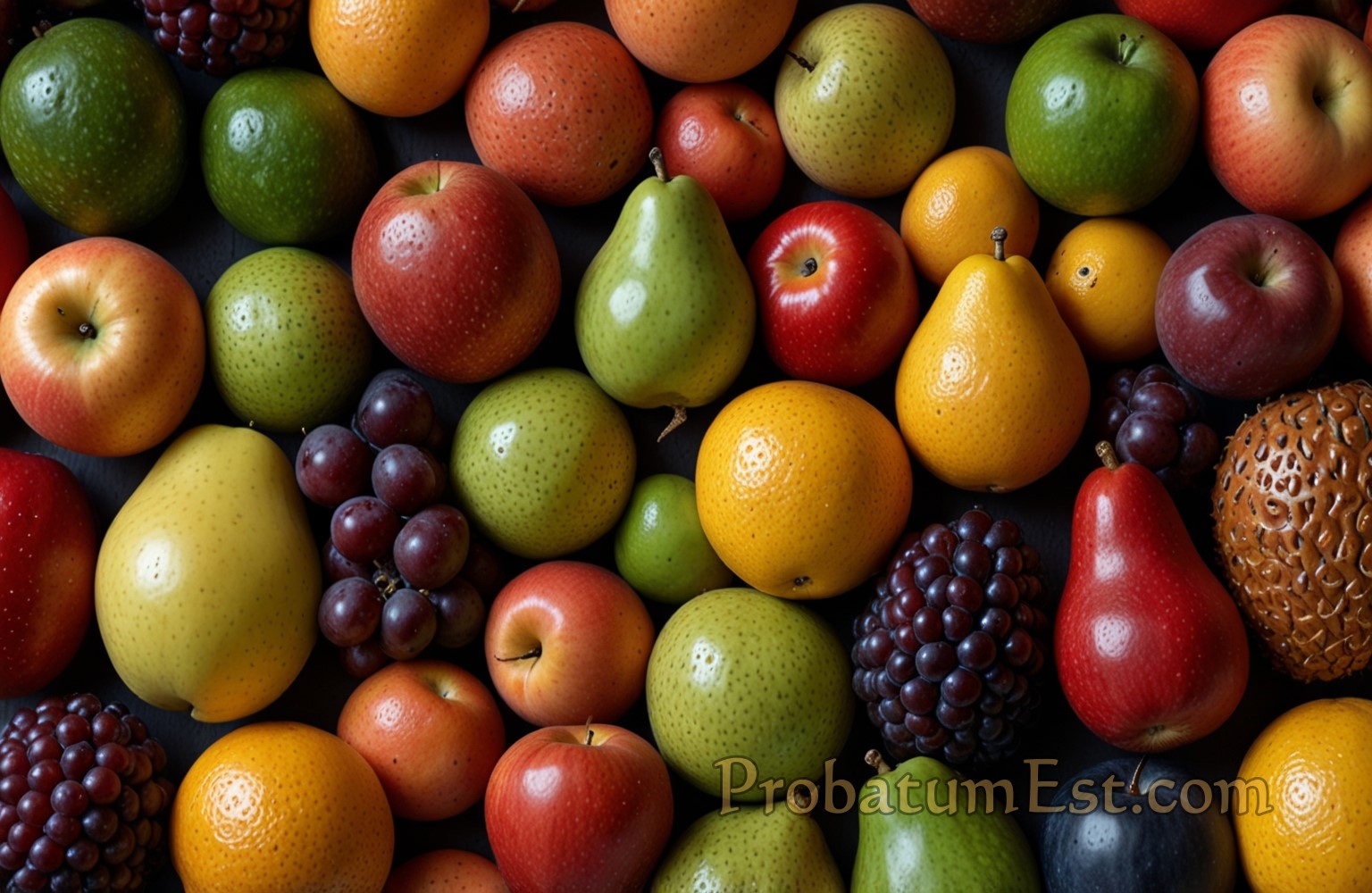
Fruits – Nature’s Nutritious Candy
Fruits are often celebrated for their vibrant colors, sweet or tangy flavors, and remarkable variety. They play a central role in global cuisines, cultural traditions, and marketplace economies. From a scientific standpoint, fruits represent the mature, seed-bearing structures of flowering plants — an essential mechanism for dispersing seeds and ensuring plant reproduction. This article delves… …read more
-
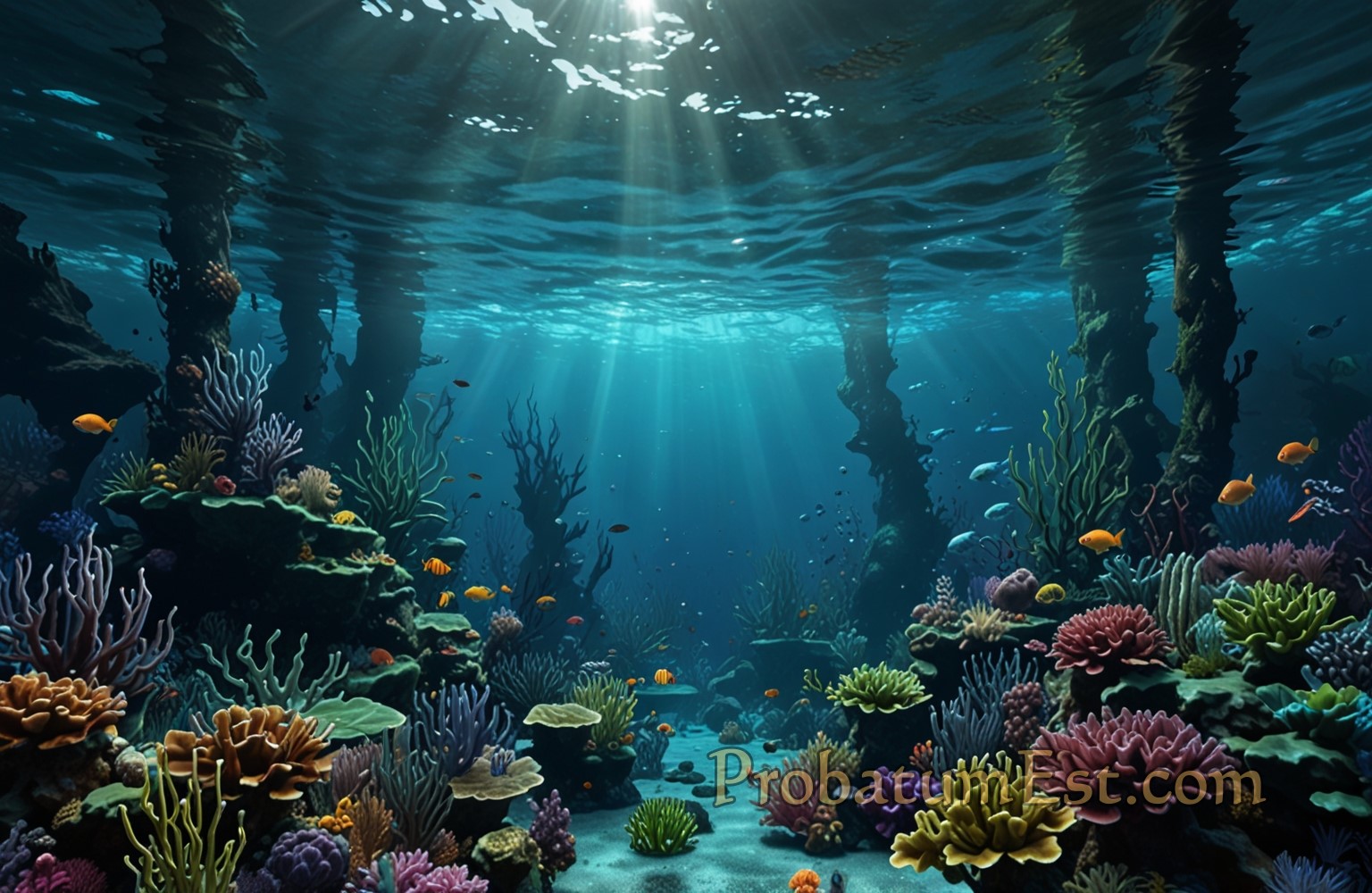
Aquatic Biome – Nature’s Underwater Ecosystem
The Aquatic Biome stands as one of the most diverse and expansive ecosystems on Earth, encompassing everything from tiny streams and ponds to vast oceans stretching beyond the horizon. According to the National Oceanic and Atmospheric Administration (NOAA), about 71% of the Earth’s surface is covered by water, underscoring the immense impact of aquatic environments… …read more
-
Terrestrial Biome – Earth’s Land Ecosystem
A Terrestrial Biome is a large ecological region on land characterized by distinct climate patterns, soil types, flora, and fauna. Unlike aquatic or marine biomes, terrestrial biomes comprise all ecosystems found on Earth’s solid surfaces, including deserts, forests, grasslands, and tundra habitats. The word “terrestrial” originates from the Latin “terra,” referring to land. Scientists and… …read more
-
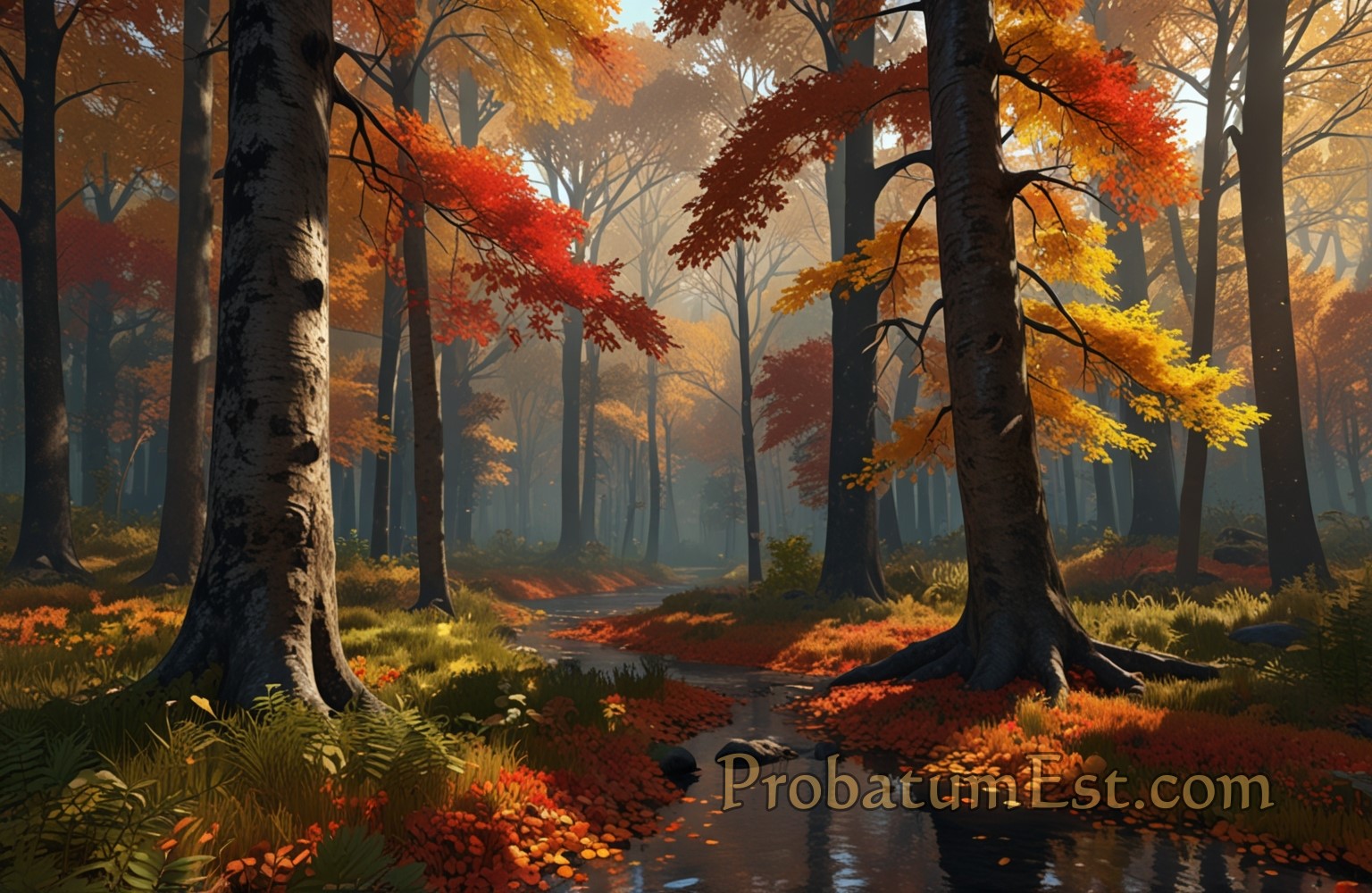
Deciduous Forests – Nature’s Colorful Canvas
Deciduous Forests are among the world’s most distinctive and captivating terrestrial ecosystems. They are characterized by trees that shed their leaves once a year, creating a dramatic seasonal cycle of growth and decline. This article delves deeply into the characteristics, structure, distribution, flora, fauna, and human impacts related to deciduous forests. 1. Definition and General… …read more
-
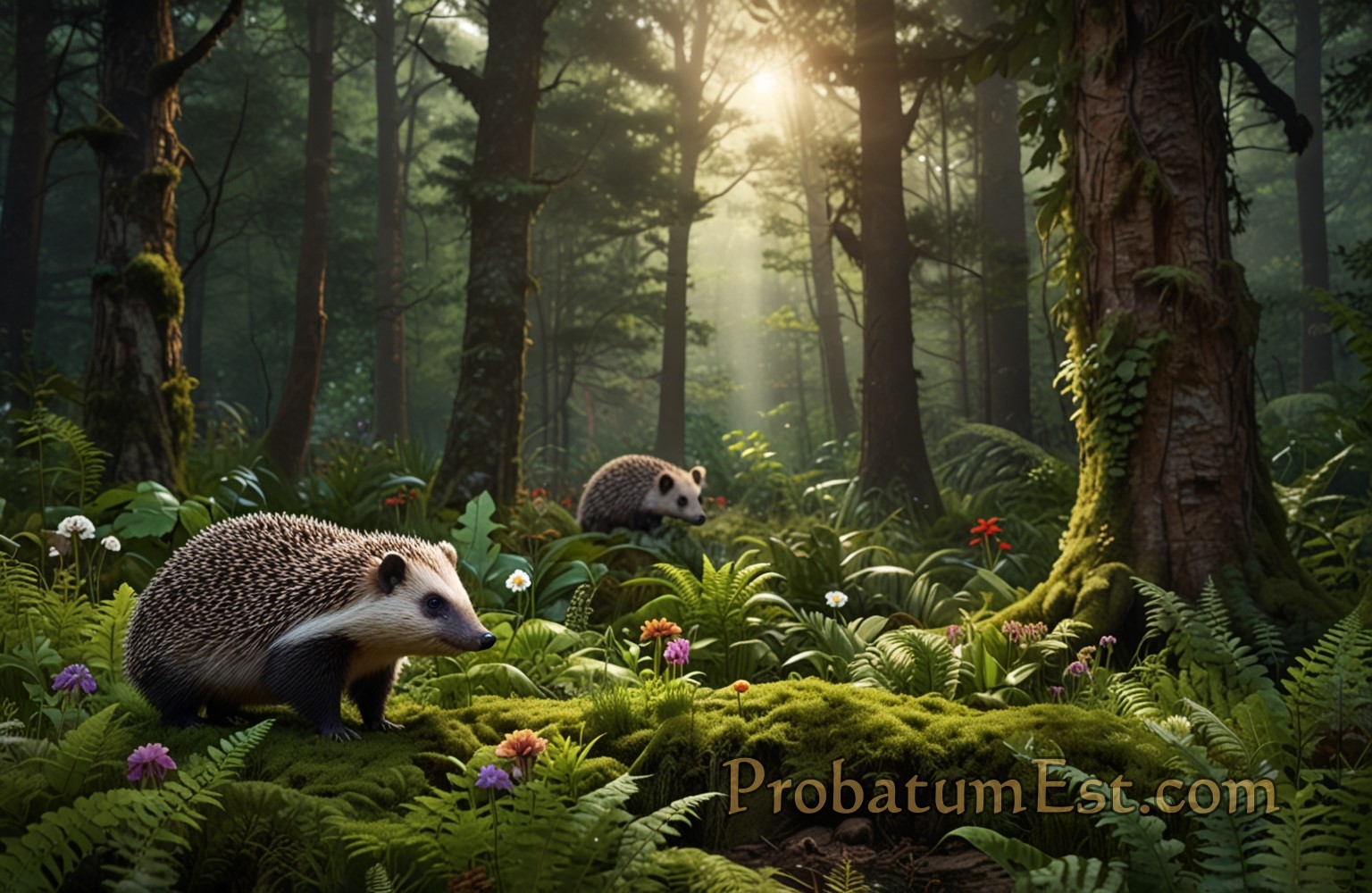
Wildlife – Understanding Our Co-Inhabitants
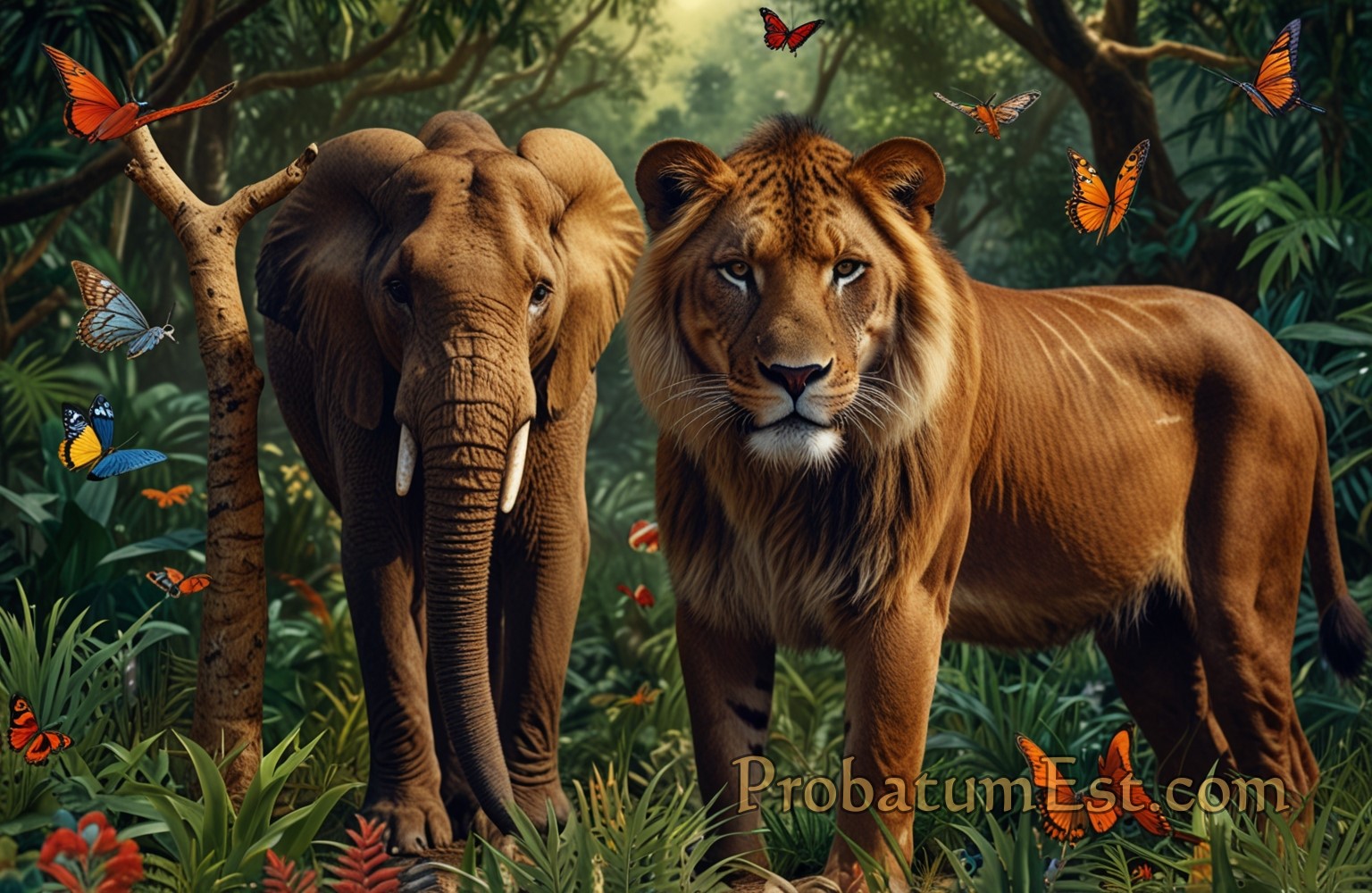
Wildlife encompasses a vast array of living creatures that inhabit our planet alongside humans. From majestic elephants roaming savannas to microscopic organisms thriving in forest soils, the term “wildlife” includes all non-domesticated species that exist in nature. As our co-inhabitants, these animals, plants, fungi, and other life forms shape ecosystems in essential ways. Exploring the… …read more
-
Bacteria – Small in Size, Big in Numbers
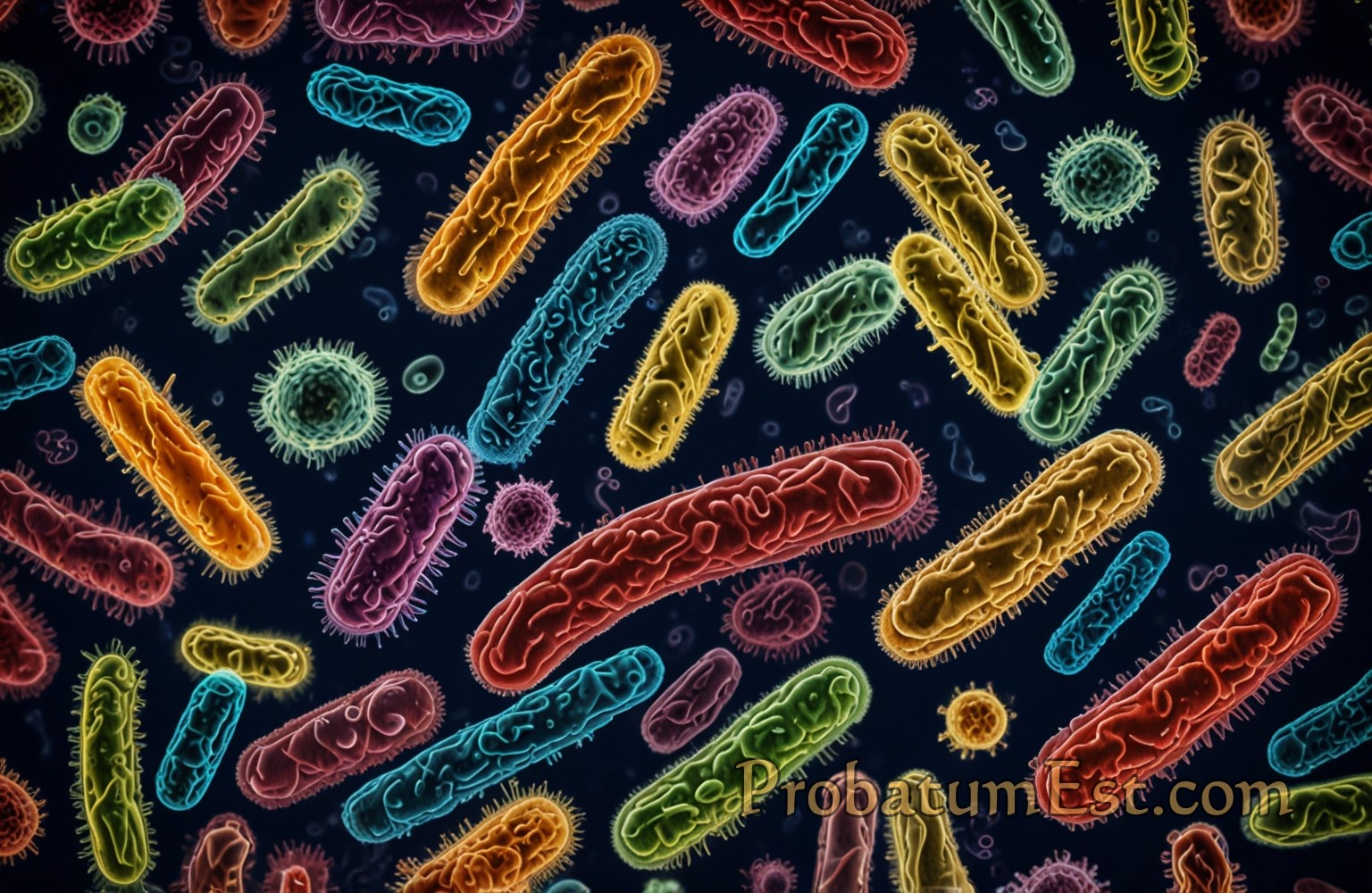
Bacteria are among the most diverse, abundant, and resilient organisms on Earth. They inhabit nearly every environment, ranging from soil and freshwater habitats to the depths of the ocean, as well as living within and on other organisms. Even though they are microscopic, bacteria play indispensable roles in ecosystems, industry, and human health. Below is… …read more
-
Fungi – More Than Just Mushrooms
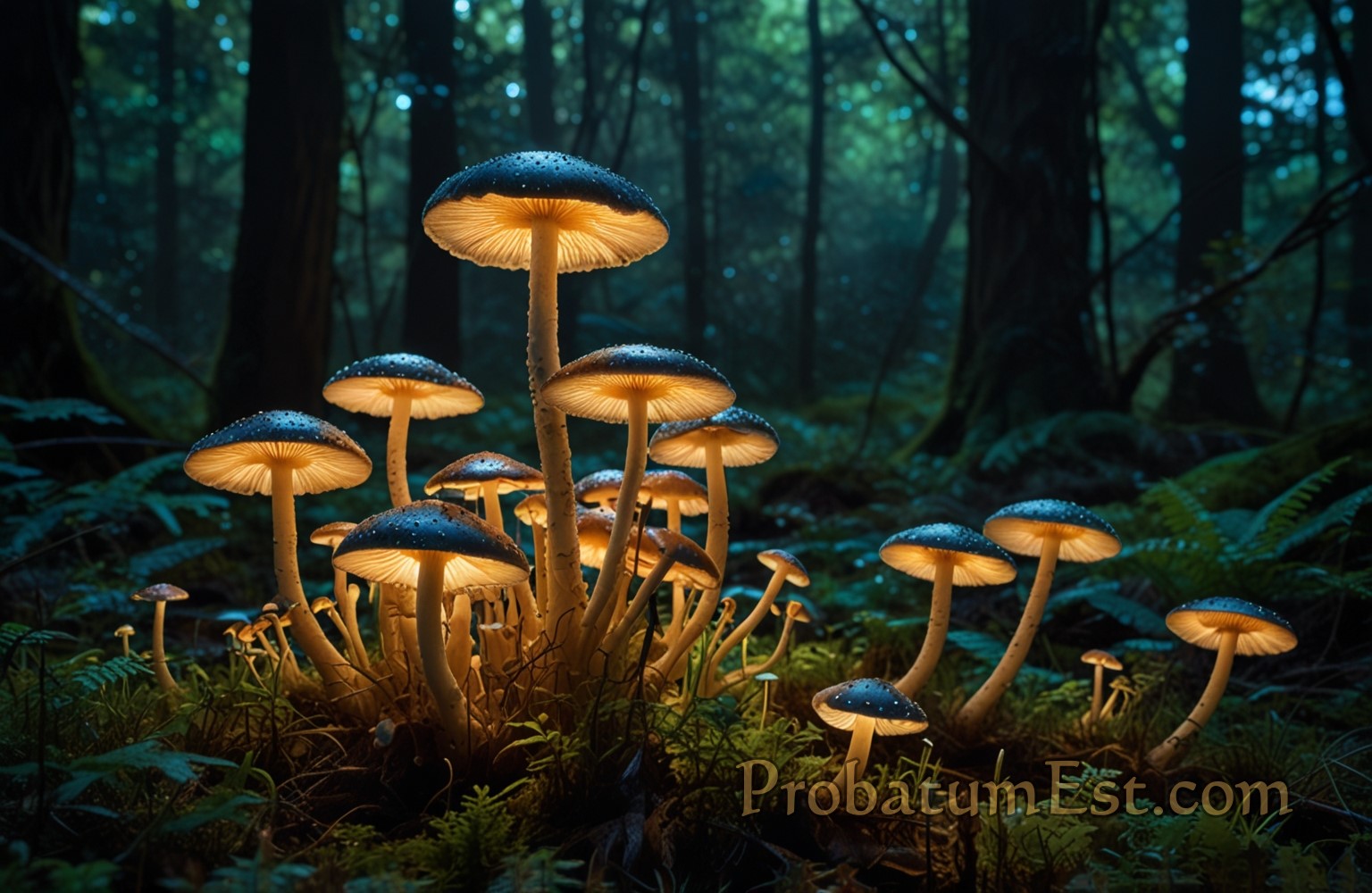
Fungi form a vast and fascinating group of organisms that occupy nearly every habitat on Earth. Long recognized primarily as molds and mushrooms, fungi include an enormous range of forms, from microscopic single-celled yeasts to complex networks of filaments that span large areas of soil or rotting logs. Below is a comprehensive examination of fungi… …read more
-
Plants – Introduction to the Wonders of Botany
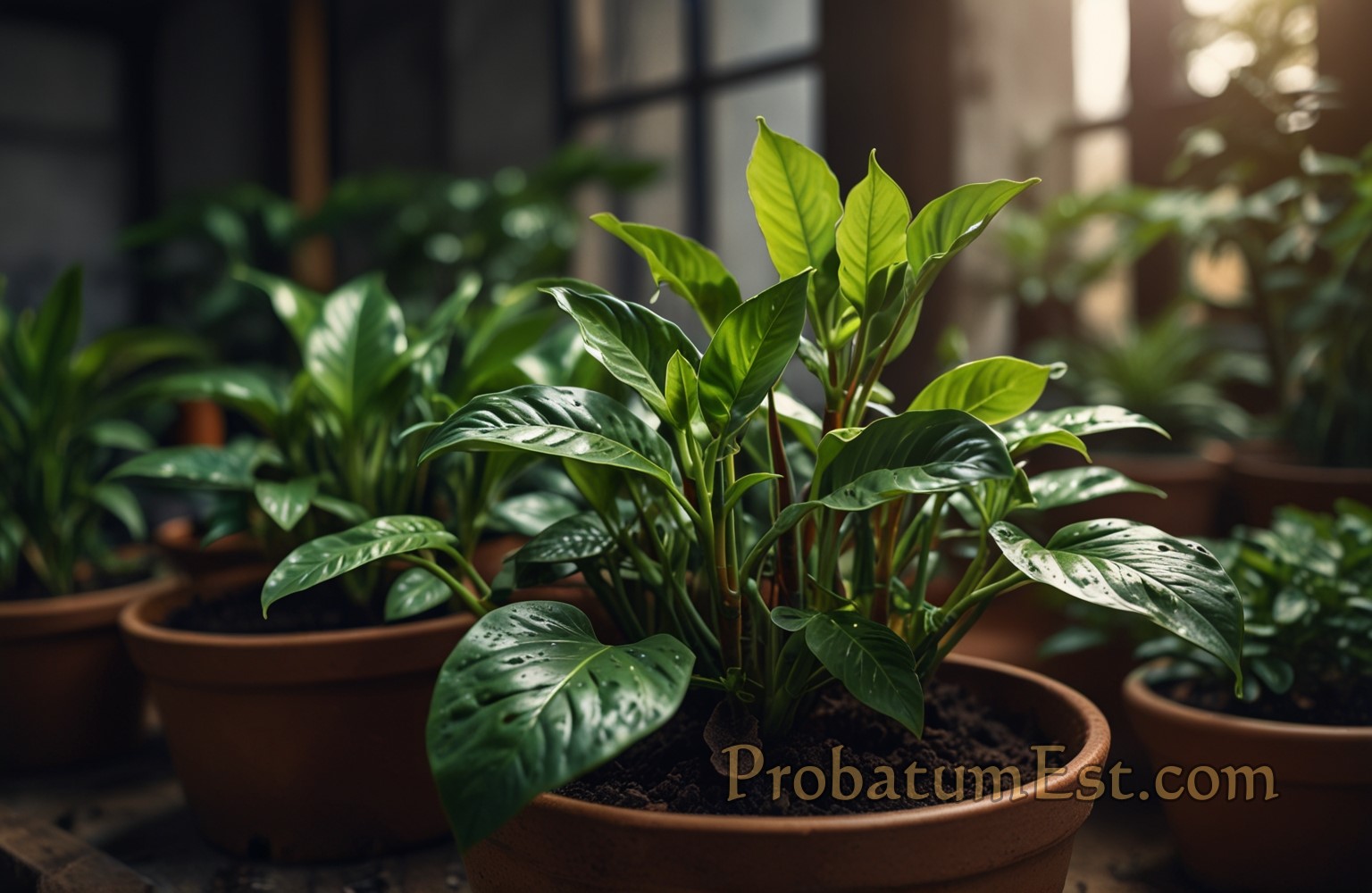
Plants are an incredibly diverse group of organisms that form the foundation of most terrestrial ecosystems. They play vital roles in food webs, produce oxygen through photosynthesis, and provide countless resources for other living beings. This comprehensive overview explores the biology of plants — encompassing their structure, physiology, life cycles, classification, and ecological value. The… …read more
-
Nature – A Closer Look
Nature, in the most fundamental biological sense, encompasses the vast tapestry of living organisms and the environments in which they thrive. It spans from the microscopic building blocks of life to the grand and intricate ecosystems that cover the planet. This article provides an in-depth view of nature – a closer look, discussing the essential… …read more