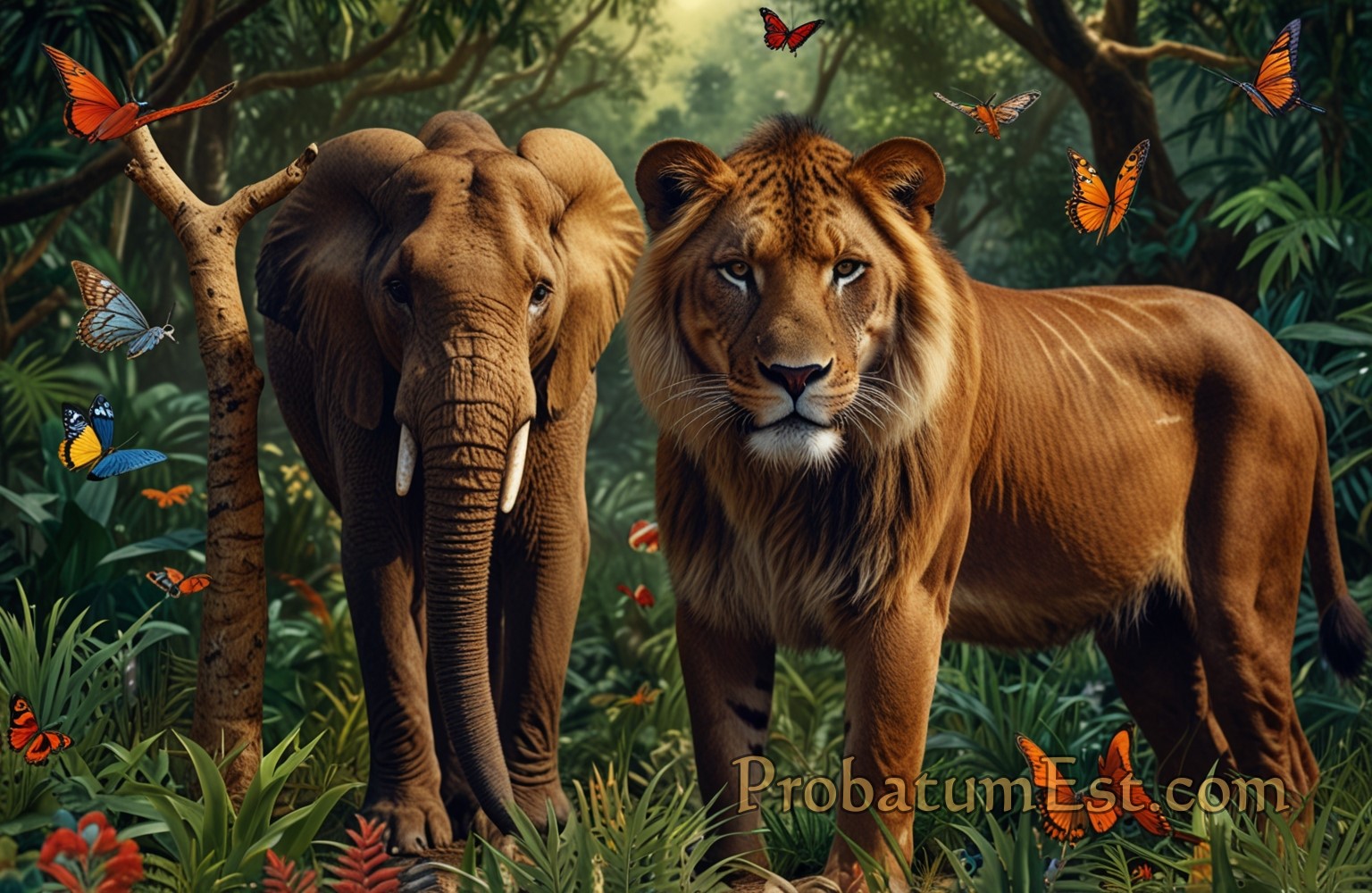
Wildlife encompasses a vast array of living creatures that inhabit our planet alongside humans. From majestic elephants roaming savannas to microscopic organisms thriving in forest soils, the term “wildlife” includes all non-domesticated species that exist in nature. As our co-inhabitants, these animals, plants, fungi, and other life forms shape ecosystems in essential ways. Exploring the subject in depth reveals the importance of sustaining harmonious coexistence with wildlife for the benefit of entire ecosystems, including our own communities.
1. Defining Wildlife and Its Role in Ecosystems
At its core, wildlife refers to all organisms that grow or live wild in an area without being introduced by humans. This diversity ranges from charismatic megafauna (lions, tigers, bears) to lesser-known species — some of which humans rarely see or recognize, such as subterranean insects or nocturnal amphibians. Each plays a role in maintaining ecological balance by forming part of a complex web of interactions. For example, pollinators like bees and butterflies ensure the reproduction of countless plant species, while carnivores help control herbivore populations, preventing overgrazing of vegetation. These interactions create stable habitats, enabling countless other organisms — humans included — to thrive.
2. Biodiversity and the Interconnected Web of Life
One of the key aspects of wildlife as our co-inhabitants is the concept of biodiversity, which describes the wide variety of life on Earth. When an environment hosts a rich mix of species, it tends to be better equipped to withstand natural disruptions. Each species has a specific ecological niche or role. From decomposers like fungi recycling nutrients to apex predators controlling the population of herbivores, biodiversity builds an interconnected web. If one strand of this web is lost, the balance can shift, leading to cascading effects that can impair agriculture, forestry, freshwater supplies, and more.
3. Various Habitats, Various Challenges
Wildlife can be found in every habitat imaginable, from polar tundras to tropical rainforests, from scorching deserts to deep seas. Yet different habitats pose different challenges:
- Forests: In dense forests, numerous species live at varying layers — from the canopy, where birds and monkeys might dwell, to the forest floor, where large mammals forage and smaller creatures nest. Deforestation and habitat fragmentation can threaten species that depend on continuous stretches of forests.
- Grasslands: Here, herds of grazing animals flourish alongside predators that rely on stealth in open landscapes. Overgrazing, fencing, and the conversion of grasslands to farmland can disrupt these ecosystems.
- Wetlands: Wetlands are vital for migratory birds, aquatic plants, fish, and amphibians. Drainage or pollution of these areas can lead to the disappearance of highly specialized life forms.
- Oceans: Marine wildlife spans everything from coral reefs teeming with fish to open-ocean species such as whales and sharks. Pollution, overfishing, and habitat degradation threaten countless marine species.
4. Human-Wildlife Interaction and Conflict
Humans have always been intertwined with wildlife. We have historically hunted, gathered, domesticated, and observed wild creatures for food, companionship, religious significance, or cultural identity. Over time, however, human expansion and development have placed pressure on wildlife through factors like habitat loss and unsustainable resource use. In some places, conflicts arise when wild animals damage crops or livestock, leading local communities to view them as threats. Balancing human needs (agriculture, energy, development) with the needs of wildlife remains an ongoing challenge.
5. Conservation Efforts and Strategies
Efforts to protect and preserve wildlife take many forms and involve governments, nonprofits, local communities, and individuals. Some of the most effective strategies include:
- Protected Areas and Reserves: Setting aside regions of land and water where human activities are limited can safeguard habitats. National parks, wildlife sanctuaries, and marine protected areas can serve as strongholds for endangered species.
- Anti-Poaching Initiatives: Poaching — illegal hunting or capturing of wild animals — threatens many species. Surveillance technology, strict law enforcement, and community engagement programs help mitigate this issue.
- Captive Breeding and Reintroduction: In cases where wild populations are extremely small, conservationists sometimes breed animals in controlled environments, releasing them into the wild once their numbers recover.
- Habitat Restoration: Reforestation, removal of invasive plant species, and the revival of degraded lands can re-establish habitats that once supported healthy wildlife populations.
- Community-Inclusive Conservation: Involving local communities in conservation decisions is essential. When community members are stakeholders — receiving economic or cultural benefits from wildlife conservation — they become stewards rather than adversaries.
6. Ecotourism and Economic Benefits
Responsible ecotourism can provide incentives for local populations to conserve wildlife. Guided tours to observe animals in their natural ecosystems, nature photography trips, and related activities can create employment for guides, trackers, and hospitality professionals. This income can reduce reliance on activities that damage habitats. Properly managed, ecotourism creates a dependable revenue stream for rural communities, incentivizes the protection of wildlife, and promotes broader awareness.
7. Ethical and Cultural Perspectives
Beyond ecosystem services and economics, wildlife also holds immeasurable cultural and ethical value. Many cultures revere certain species as symbols in folklore, religion, and spirituality. Wildlife can inspire art, storytelling, and ceremonies. Ethically, numerous people advocate for preserving wildlife for its own right to exist, emphasizing respect and compassion for all living creatures. By recognizing wildlife as co-inhabitants rather than resources, we cultivate a sense of guardianship that transcends mere utility.
8. The Value of Coexistence
Examining wildlife as our co-inhabitants highlights the intricate, interdependent relationships that keep Earth’s ecosystems functioning smoothly. While many species face multiple hurdles, humans have the capacity to champion conservation, mitigate conflicts, and respect the autonomy and value of all living beings. Adopting sustainable land-use practices, supporting conservation initiatives, and fostering responsible tourism are just a few ways to ensure that wildlife continues to flourish. In doing so, we not only preserve the wonder and diversity of life but also secure tangible benefits that modern societies rely on — such as pollination, soil health, and cultural significance.
Conclusion
Wildlife, far from existing as a backdrop for human lives, plays an active and invaluable role in the shared global ecosystem. Each species, from the apex predator to the tiniest soil-dwelling insect, contributes to the rich tapestry of life on Earth. As thoughtful stewards of the environment, humans can pursue balanced approaches to land use, community engagement, and conservation programs that protect wildlife for future generations. Recognizing wildlife as co-inhabitants reminds us that we too are part of the larger natural system. By nurturing these relationships responsibly, we affirm our connection to the biological community that sustains and enriches our existence.



Leave a Reply