Tag: Atom
-
Understanding the Profession of an Astronomer
Astronomy, often regarded as one of the oldest and most fascinating fields of study, deals with the exploration of celestial bodies and the vast universe that houses them. At the heart of this intriguing domain is the astronomer – a dedicated scientist committed to unraveling the mysteries of the cosmos. This article explores the life,… …read more

-
The Primeval Atom – the Genesis of the Universe
The story of our universe is a saga that stretches back nearly 13.8 billion years, beginning with an infinitesimal point often referred to as the “primeval atom.” This concept is central to the Big Bang theory, the prevailing cosmological model that describes the early development of the universe. The primeval atom’s explosion marks the inception… …read more
-
Coordinated Universal Time (UTC)
Coordinated Universal Time (UTC) is the world’s primary time standard by which clocks and time are regulated. Often misunderstood and underappreciated despite its importance in global timekeeping systems, UTC acts as a pivotal element in ensuring synchronized timekeeping across the globe. This article explores the intricate aspects of UTC, covering its history, mechanism, relevance, and… …read more
-
The Big Bang
The “Big Bang” theory stands as one of the most profound and robust models explaining the inception of the universe. From an astronomical viewpoint, it is the cornerstone of cosmology, offering insights into the universe’s earliest moments and its subsequent evolution. This comprehensive article delves deep into the concept of the Big Bang, exploring its… …read more
-
Moons – the Celestial Companions of Planets
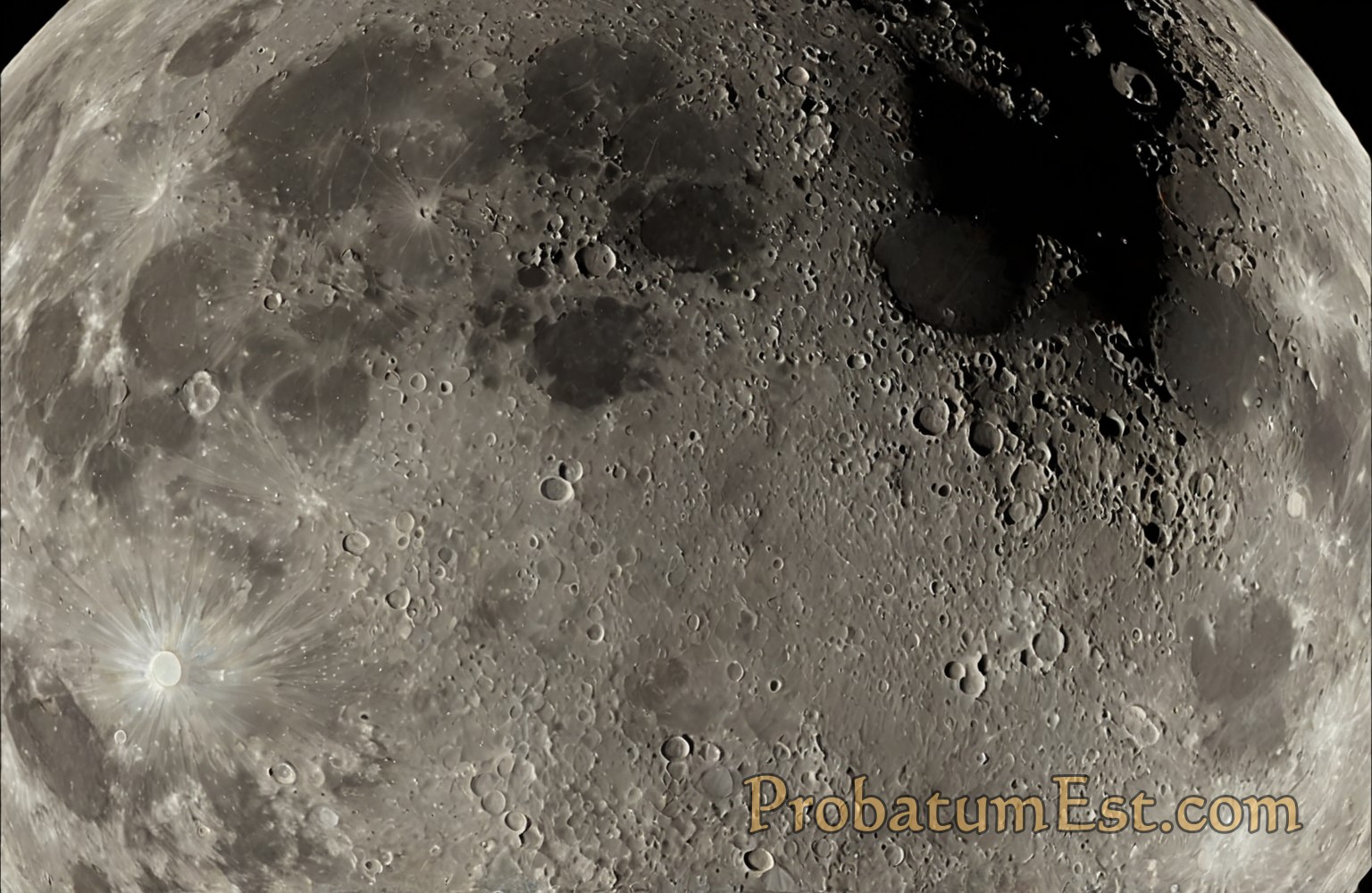
Moons, also known as natural satellites, are celestial bodies that orbit planets and some of the dwarf planets in our solar system and beyond. These fascinating objects come in various sizes, compositions, and orbital behaviors, providing astronomers with rich insights into the dynamics of planetary systems. This article delves into the multifaceted nature of moons… …read more
-
The Cosmos
The cosmos, often synonymous with the universe, represents everything that exists: from the tiniest subatomic particles to the vast expanse of galaxies. This term is derived from the Greek word “kosmos,” which means order, reflecting the intricate and structured nature of the universe. From an astronomical perspective, understanding the cosmos involves investigating its origins, structure,… …read more
-
Stars
Stars are fundamental celestial bodies that have fascinated humans for millennia, serving as beacons in the night sky, guiding exploration and sparking scientific inquiry. From an astronomical perspective, stars are more than just twinkling points of light; they are complex, dynamic systems that play a critical role in the cosmos. This article delves into the… …read more
-
What Is Astronomy?
What is Astronomy? Astronomy is the scientific study of celestial objects, space, and the physical universe as a whole. Derived from the Greek words “astron,” meaning star, and “nomos,” meaning law, astronomy seeks to understand the cosmos on both macro and micro scales — from the expansive sweep of galaxies to the intricate details of… …read more
-
Climatic Zones of the Earth
The Earth’s diverse climate is a tapestry woven from a myriad of factors including latitude, altitude, and geography, creating a mosaic of climatic zones. These zones dictate the environment and significantly influence the flora, fauna, and human activities in each region. Understanding these climatic zones is crucial for comprehending the broader dynamics of Earth’s ecosystems,… …read more
-
Earth
Earth, the third planet from the Sun, holds a unique position in the Solar System as the only known astronomical object to support life. It is often referred to as the “Blue Planet” due to its abundant water bodies. With an intricate blend of geological processes, atmospheric conditions, and biological diversity, Earth offers a remarkable… …read more