Tag: Digestion
-
Eukaryotes – Unraveling the Complex World of Nucleated Life
Eukaryotes form a diverse realm of organisms distinguished by one key characteristic: their cells contain a membrane-bound nucleus. From single-celled algae to multicellular plants and animals, these nucleated life forms represent a vast majority of the life we see each day. This article explores what defines eukaryotes, examines their importance and diversity, and highlights current… …read more

-
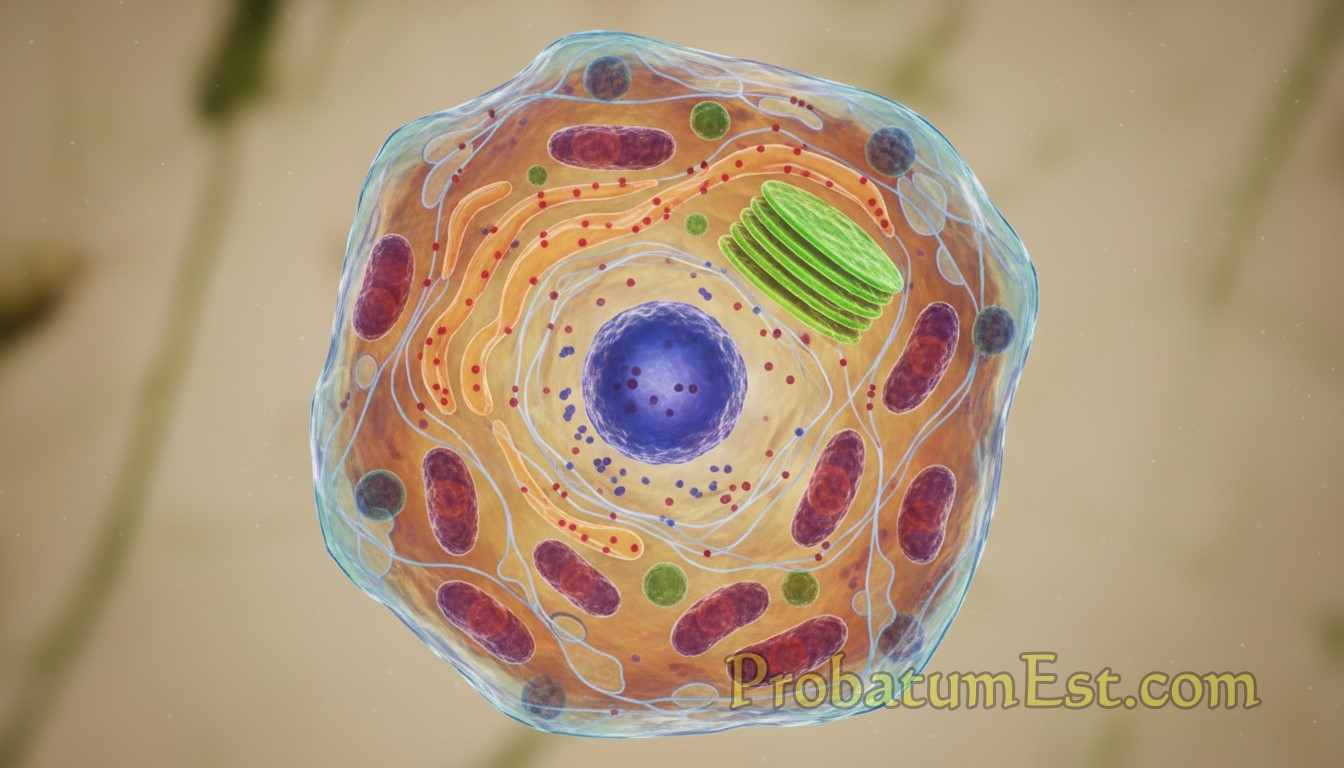
Eukaryotic Cells – A Comprehensive Exploration
Eukaryotic Cells serve as the fundamental building blocks of many diverse organisms, including animals, plants, fungi, and numerous unicellular species. These cells, distinguished by their membrane-bound organelles and true nucleus, underpin a vast array of complex life forms, making them a focal point of scientific research. Below is a thorough overview of eukaryotic cells, including… …read more
-
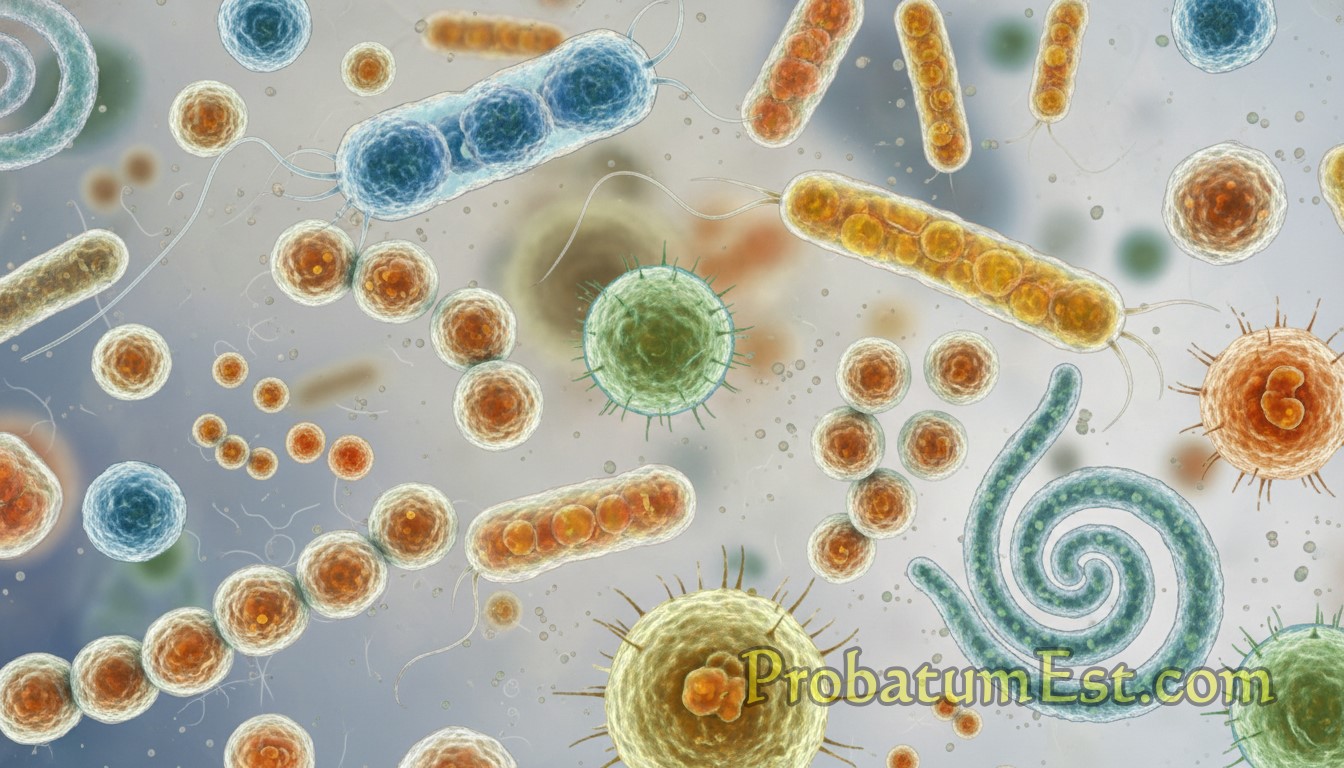
Prokaryotic Cells – A Comprehensive Exploration
Prokaryotic Cells are among the most fundamental and intriguing building blocks of life. Distinguished primarily by their lack of a membrane-bound nucleus, these cells play a vital role across multiple arenas — ranging from human health and agriculture to industrial applications. Below is a deep dive into the world of prokaryotic cells, supported by research… …read more
-
Humans – A Guide to Who We Are
Humans are among the most complex living organisms on Earth. From the vantage point of biology, the human body is a sophisticated network of systems working in harmony to sustain life, enable thought, power motion, and facilitate interaction with the environment. This article explores in depth what makes humans unique as biological entities — covering… …read more

-
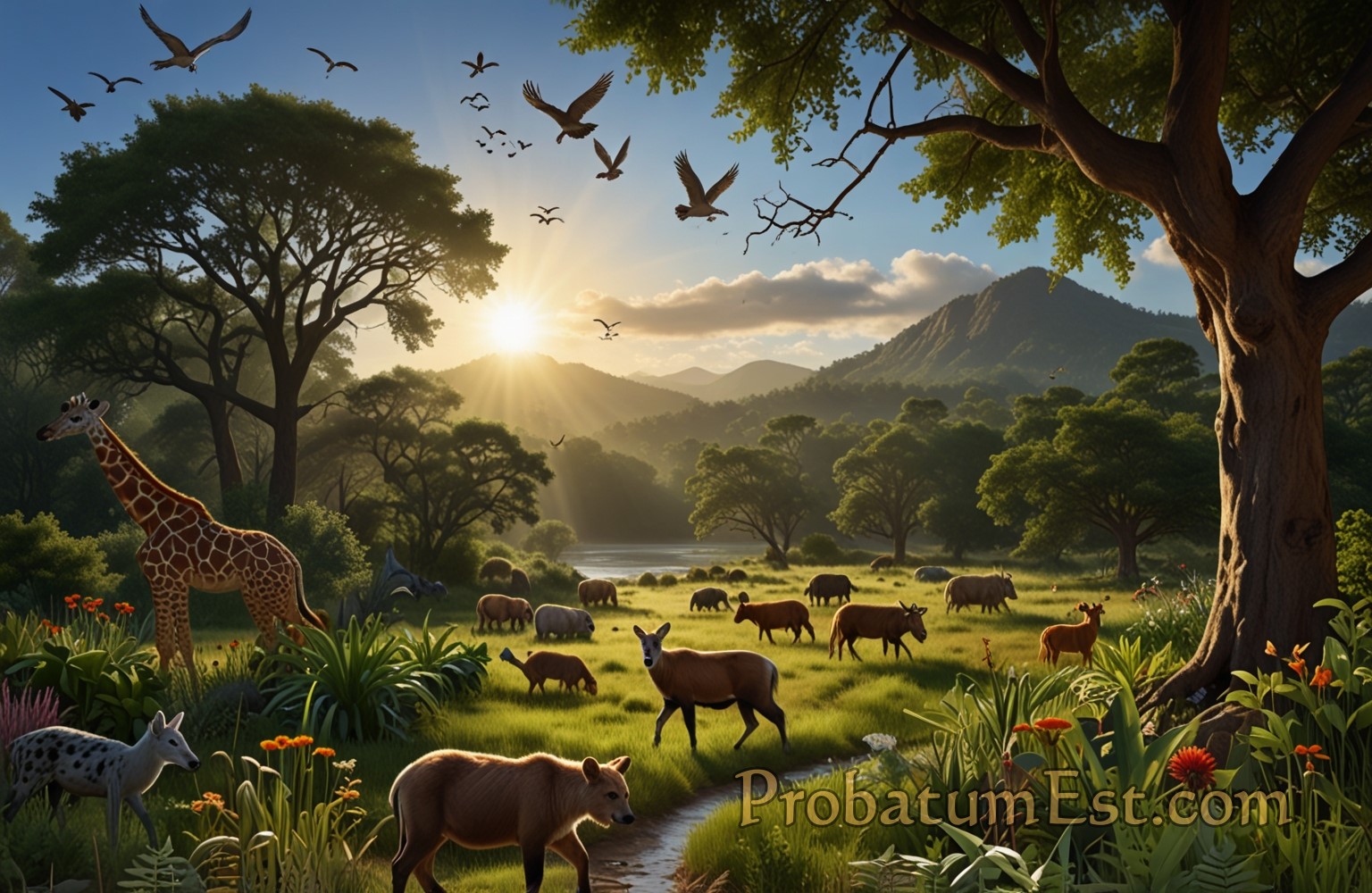
Trophic Levels in Ecosystems
Ecosystems are intricate networks of interactions among living organisms and their physical environment. At the heart of ecological studies is the concept of food chains and food webs, which illustrate the flow of energy and nutrients through these networks. Trophic Levels are fundamental to understanding these processes, representing the hierarchical levels within an ecosystem, based… …read more
-
Food Web – Complex Network of Energy Transfer in Ecosystems
In the intricate tapestry of life that forms our planet, one of the most fascinating and complex interactions is the “food web.” This concept transcends the linear progression of a food chain by illustrating a network of interconnected food chains, showcasing the myriad paths through which energy and nutrients circulate within an ecosystem. Understanding food… …read more
-
Food Chain – Sequence of Organisms that Feed on Each Other
The concept of the Food Chain is fundamental to understanding the flow of energy and nutrients through ecosystems. It represents a linear sequence of organisms, each dependent on the next as a source of food. While this model offers a simplified version of nature’s complexity, it remains integral to ecological studies, shedding light on biological… …read more
-
Energy Flow in Ecosystems – Deep Dive into Biological Food Chains
Energy Flow is a fundamental concept in ecology, describing the transfer of energy from one part of an ecosystem to another. This continuous movement of energy is critical for the survival of organisms, maintaining ecosystems and supporting biodiversity. In this comprehensive analysis, we will explore the intricate dynamics of energy flow through biological food chains,… …read more
-
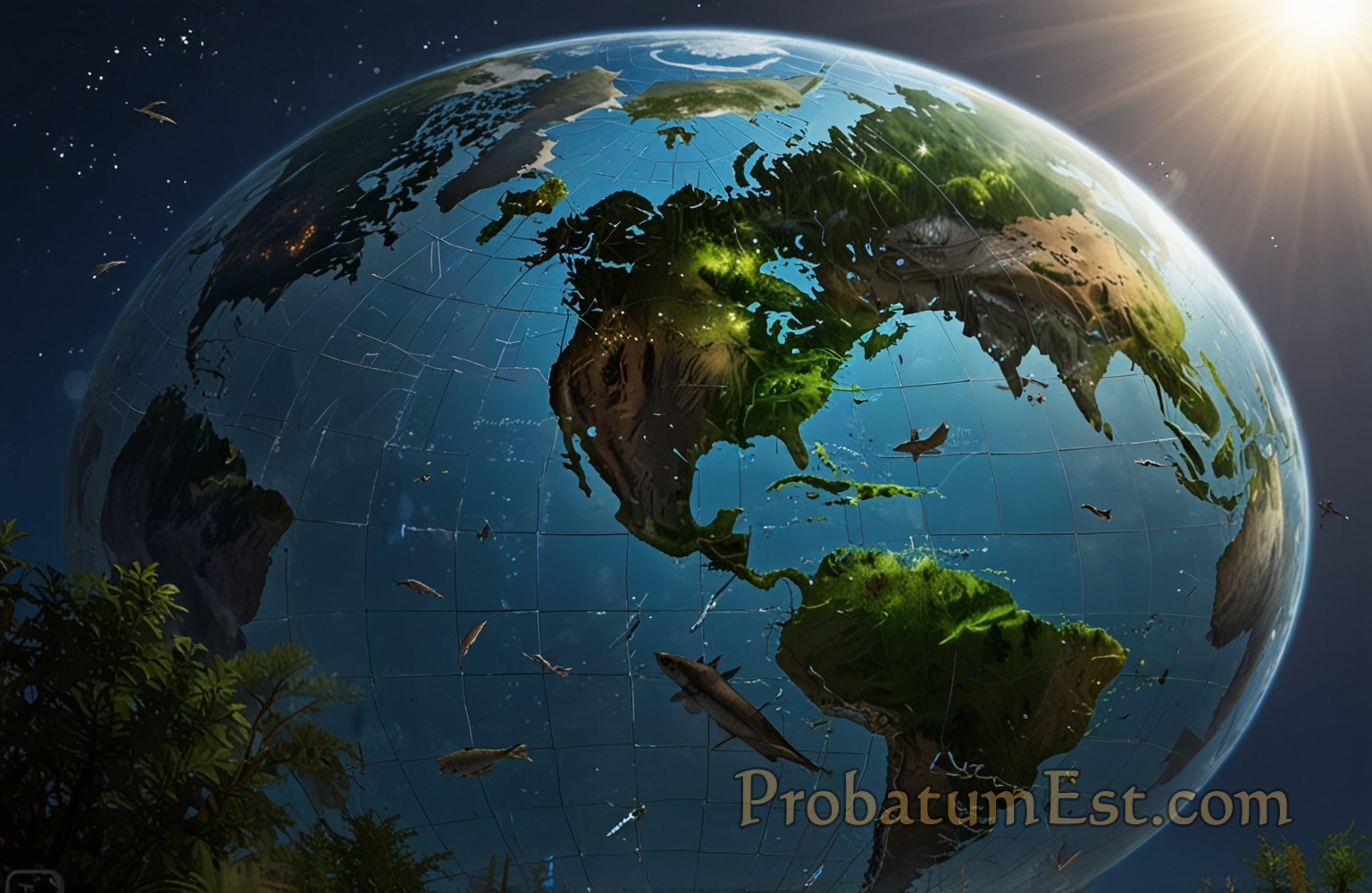
Biosphere
The term “biosphere” is a fundamental concept in ecology and environmental science, representing the global ecological system that integrates all living beings and their relationships, including their interaction with elements of the lithosphere (earth), hydrosphere (water), and atmosphere (air). This article delves into the varied aspects of the biosphere, illustrating its complexity, dynamics, significance, and… …read more
-
Natural Environment
The natural environment comprises all living and non-living things occurring naturally on Earth. This complex web of ecosystems, landscapes, and climates provides essential services, sustains biodiversity, and maintains life-supporting resources. In examining the natural environment, it is crucial to consider both biotic components — like plants, animals, and microorganisms — and abiotic factors, such as… …read more