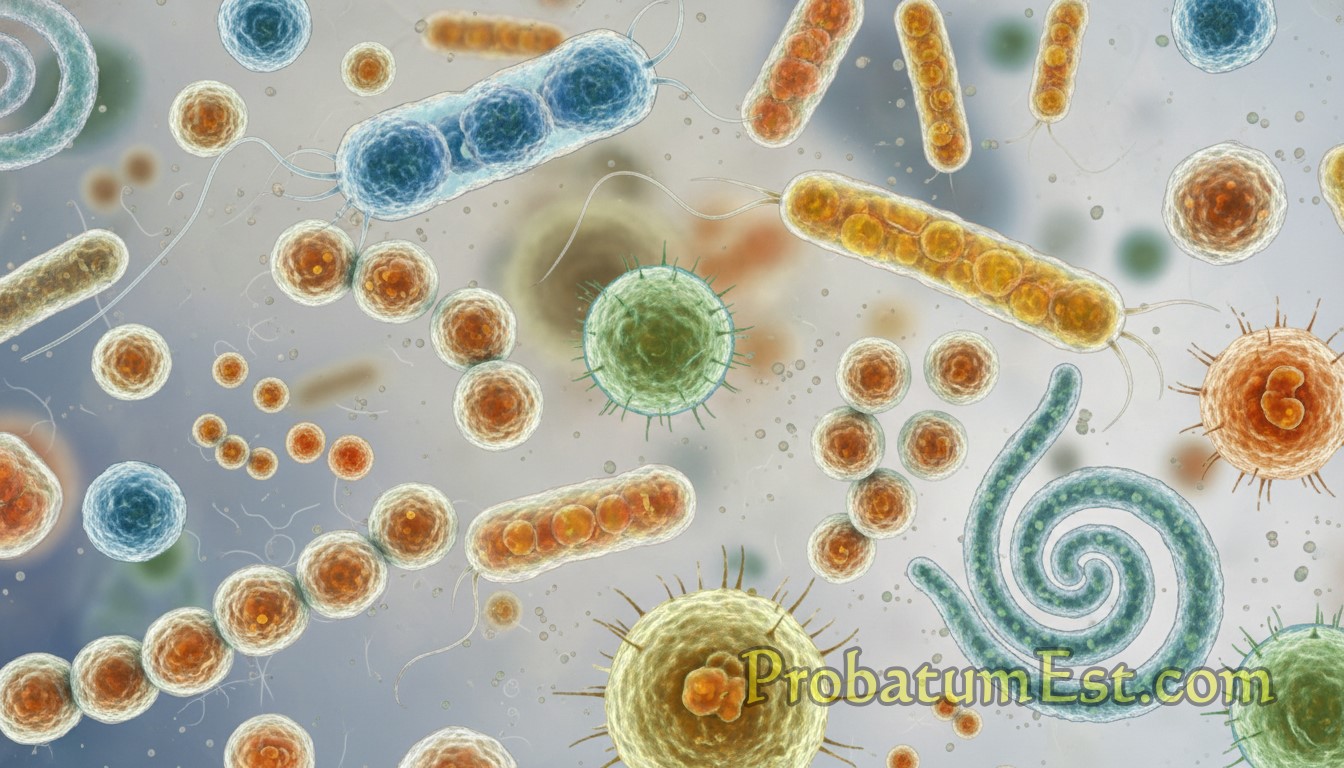
Prokaryotic Cells are among the most fundamental and intriguing building blocks of life. Distinguished primarily by their lack of a membrane-bound nucleus, these cells play a vital role across multiple arenas — ranging from human health and agriculture to industrial applications. Below is a deep dive into the world of prokaryotic cells, supported by research findings, expert opinions, and illustrative examples to provide a full picture of what makes them indispensable.
1. Defining Prokaryotic Cells
Prokaryotic cells are unicellular organisms commonly characterized by:
- Absence of a Membrane-Bound Nucleus: Their genetic material is not enclosed in a nucleus but typically resides in a region called the nucleoid.
- Lack of Membrane-Bound Organelles: Mitochondria, endoplasmic reticulum, and other organelles found in eukaryotic cells are absent.
- Simpler Cell Structure: Despite their simplicity, prokaryotes exhibit remarkable versatility and adaptability, enabling them to thrive in a vast array of environments.
According to the National Center for Biotechnology Information (NCBI), prokaryotic cells form one of the largest and most diverse groups of organisms, embracing both the domains Bacteria and Archaea (NCBI, 2020). While they share several fundamental traits, bacteria and archaea differ in aspects such as cell wall composition and membrane lipid structure.
2. Key Components of Prokaryotic Cells
2.1 Cell Wall and Cell Membrane
In bacteria, the cell wall is typically composed of a robust polymer called peptidoglycan. This layer helps the cells maintain shape, protect against osmotic pressure, and withstand harsh conditions. In archaea, cell walls vary in composition and may lack peptidoglycan, incorporating unique molecules instead. Beneath the cell wall lies the cell membrane — a selectively permeable barrier that regulates the import of nutrients and the export of wastes.
2.2 Cytoplasm and Nucleoid Region
Prokaryotic cytoplasm is densely packed with ribosomes (the cell’s protein factories) and a variety of enzymes essential for metabolic activities. The genetic material (DNA) is concentrated in a nucleoid region, which — unlike the nucleus in eukaryotes — does not have a surrounding membrane.
2.3 Plasmids
Many prokaryotic cells contain one or more plasmids, which are small, circular, self-replicating DNA molecules. Plasmids can carry genes that confer advantageous traits, such as antibiotic resistance. According to a 2021 review in Frontiers in Microbiology, plasmids have played a pivotal role in genetic engineering and biotechnology, enabling scientists to introduce specific genes into bacterial cells for research and industrial applications.
2.4 Flagella and Pili
Some prokaryotic cells have whip-like structures called flagella that allow them to move through liquid environments. Pili are usually shorter, hair-like structures involved in adherence to surfaces or in the transfer of genetic material during a process known as conjugation.
3. Classification and Diversity
Researchers typically classify bacteria using the Gram staining technique:
- Gram-positive bacteria have relatively thick peptidoglycan cell walls that retain the crystal violet dye, appearing purple under a microscope.
- Gram-negative bacteria have thinner peptidoglycan layers and an outer membrane; these bacteria appear pink or red after staining.
Archaea, on the other hand, form a separate domain of life with unique lipid compositions in their cell membranes. These structural differences provide archaea with extraordinary resilience, enabling them to inhabit environments with extremely high temperatures, salinity, or acidity.
4. Reproduction and Genetics
4.1 Binary Fission
Prokaryotes predominantly reproduce via binary fission — a form of asexual reproduction. During this process, the prokaryotic cell replicates its DNA and then divides into two genetically identical daughter cells. A single bacterium, under ideal conditions, can multiply at astonishing rates. For instance, certain species of Escherichia coli (E. coli) can double in number approximately every 20 minutes in a favorable environment.
4.2 Horizontal Gene Transfer
Apart from asexual reproduction, prokaryotes can acquire new genetic material through horizontal gene transfer mechanisms such as conjugation (plasmid exchange), transformation (uptake of DNA from the environment), or transduction (DNA transfer facilitated by specific vectors). These processes underpin the rapid spread of traits like antibiotic resistance among bacterial populations.
5. Significance in Human Health
5.1 Beneficial Roles in the Human Body
The human gut hosts a vast assortment of bacterial (prokaryotic) cells that aid in digestion, produce vitamins, and contribute to immune system function. Clinical data published by Current Opinion in Microbiology (2020) suggest that a balanced bacterial community in the gut can have a positive impact on metabolic and digestive health.
5.2 Antibiotic Resistance and Public Health
One of the most pressing challenges in modern healthcare is antibiotic resistance. Some bacterial species have evolved ways to circumvent antibiotics, often through gene exchange and mutation. For example, according to a 2022 report by the World Health Organization (WHO), antibiotic-resistant infections represent a significant threat to global healthcare systems. Although new treatments are under development, prudent antibiotic usage and ongoing research are crucial to address these risks effectively.
6. Agricultural and Ecological Importance
6.1 Nitrogen-Fixing Bacteria
Prokaryotic cells, particularly nitrogen-fixing bacteria, contribute immensely to agriculture by converting atmospheric nitrogen into forms that plants can utilize. For instance, Rhizobium strains form symbiotic relationships with legume roots, producing specialized nodules that house these bacteria. Farmers often rotate crops with legumes to naturally enrich soil nitrogen levels, reducing the need for chemical fertilizers.
6.2 Decomposition and Recycling of Nutrients
Many prokaryotic cells act as decomposers, breaking down dead organic matter and recycling nutrients back into ecosystems. This ensures a continued supply of essential elements such as carbon, nitrogen, and phosphorus for biotic communities.
7. Industrial and Biotechnological Applications
7.1 Enzyme Production
Industries harness the metabolic capabilities of prokaryotic cells to produce enzymes used in food processing, pharmaceuticals, and detergents. Enzymes derived from extremophilic archaea are particularly valuable because they can function under highly acidic or alkaline conditions.
7.2 Bioremediation
Certain prokaryotes are used in bioremediation, a process that leverages microorganisms to break down or remove pollutants from soil, water, or other environments. For example, species of Pseudomonas can degrade organic pollutants and help cleanse contaminated sites.
8. Anecdotes and Case Studies
- Laboratory Model Organisms: E. coli is a classic example of a prokaryotic cell widely used in research. Scientists rely on E. coli to map genetic processes and perform gene cloning. An anecdote often shared in academic circles is that many pivotal discoveries in molecular genetics came directly from studying the interactions of plasmids in E. coli.
- Hot Springs and Archaea: In regions with hot springs (such as Yellowstone National Park in the United States), archaea flourish in extreme temperatures above 80°C (176°F). Case studies reported in Applied and Environmental Microbiology highlight how certain archaea produce heat-stable enzymes that continue to revolutionize molecular biology, including PCR (polymerase chain reaction) applications.
Conclusion
Prokaryotic cells, encompassing bacteria and archaea, are fundamental to life’s tapestry. They demonstrate extraordinary diversity, rapid adaptability, and a wide range of ecological and industrial applications — from nitrogen-fixing in agriculture to enzyme production in biotechnology. Prokaryotic cells further play critical roles in public health, where beneficial gut bacteria aid human digestion and pathogenic bacteria challenge our antibiotic arsenal.
By exploring how prokaryotic cells function, replicate, and contribute to various facets of the natural and industrial worlds, scientists continue to uncover an amazing reservoir of knowledge. Advancements in genome sequencing, metabolic engineering, and microbial ecology promise even more profound insights, making the study of prokaryotes an ever-expanding field with immense practical relevance.
References (selected)
- National Center for Biotechnology Information (2020). “Pathways and systems in prokaryotic cells.”
- Frontiers in Microbiology (2021). “Reviews on Plasmid Biology and Engineering.”
- Current Opinion in Microbiology (2020). “Gut microbiome and host health.”
- World Health Organization (2022). “Antibiotic resistance: global report on surveillance.”
- Applied and Environmental Microbiology (various years). “Explorations of extremophiles and their enzymes.”




Leave a Reply