Tag: Environmental Science
-
Forests
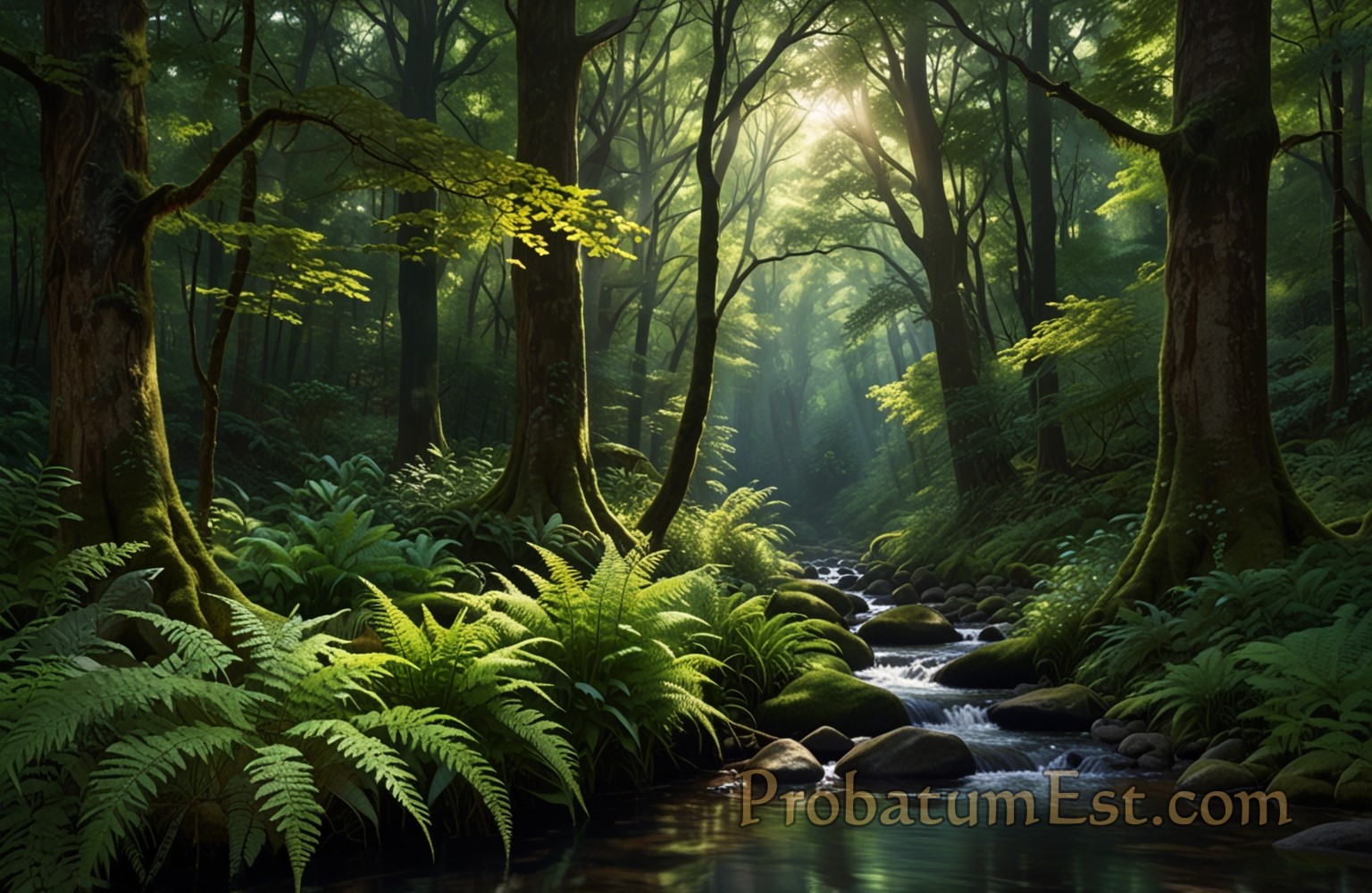
Forests are among the most vital ecosystems on our planet, covering approximately 31% of Earth’s land area. They are complex biomes that harbor a diversity of life and provide essential ecosystem services that support both natural systems and human communities. This article delves deeply into the world of forests, exploring their types, structure, ecological role,… …read more

-
Ecological Footprint
In an era of rapid industrialization, urbanization, and global population growth, the concept of sustainable living is more critical than ever. Among the various metrics developed to assess human impact on the environment, the “Ecological Footprint” stands out as a significant indicator. This article delves deeply into the facets of the ecological footprint, exploring its… …read more
-
Ecology – Science of Interactions
Ecology, a pivotal branch of the life sciences, explores the intricate networks connecting living organisms with their environments. This scientific discipline is foundational in comprehending the interactions that sustain biodiversity and influence the distribution and abundance of life forms on Earth. In this comprehensive exploration, we will delve into the core concepts, key sub-disciplines, historical… …read more
-
Deserts
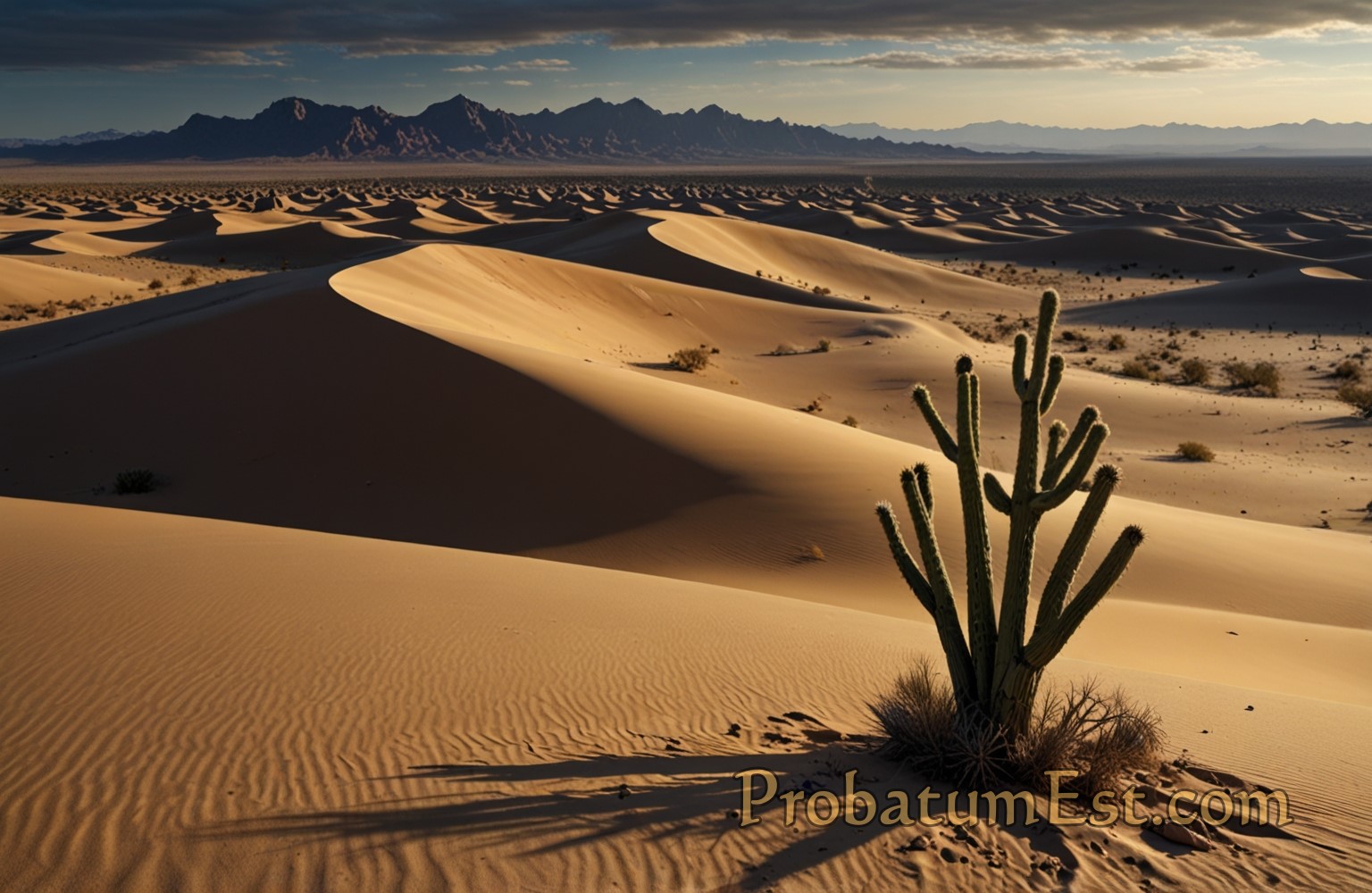
Deserts are among the Earth‘s most intriguing and varied biomes. These arid landscapes cover about one-third of the Earth’s surface and are characterized by their limited precipitation, extreme temperatures, and unique ecosystems. Despite their harsh conditions, deserts are teeming with life and possess a wealth of natural beauty and ecological intricacy. 1. Characteristics of Deserts… …read more
-
Temperate Forests
Temperate Forests are one of the most significant biomes on Earth, characterized by their moderate climate, distinct seasons, and rich biodiversity. These forests are primarily found in regions with a temperate climate, which includes parts of North America, Europe, and Asia. This article aims to provide a comprehensive overview of temperate forests, exploring their characteristics,… …read more
-
Biomes – Earth’s Natural Classifications of Life
Biomes represent the grand tapestry of life on Earth, encompassing vast ecological regions categorized by distinct climate conditions, flora, and fauna. These natural classifications provide scientists with a framework to study the interactions between the environment, organisms, and the impact of human activities. This article delves deep into the intricacies of biomes, offering an exhaustive… …read more
-
Natural World – A Deep Dive into Earth’s Biodiverse and Dynamic Ecosystem
The Natural World, our planet’s stunning and complex biosphere, presents an extraordinary array of life and physical processes. This intricate network of ecosystems, species, and natural phenomena continues to captivate and influence humanity, offering insights into the mechanisms that sustain life itself. A thorough examination of the natural world encompasses ecological systems, biodiversity, geological elements,… …read more
-
Natural Phenomena – Processes, Impacts, and Wonders of Nature
Natural Phenomena refer to events or processes that occur in the natural world without human intervention, often characterized by their complexity, beauty, and the powerful forces they unleash. These phenomena encompass a wide range of earth and space occurrences, from the mundane to the extraordinarily spectacular. This article explores the vast landscape of natural phenomena,… …read more
-
Natural Environment
The natural environment comprises all living and non-living things occurring naturally on Earth. This complex web of ecosystems, landscapes, and climates provides essential services, sustains biodiversity, and maintains life-supporting resources. In examining the natural environment, it is crucial to consider both biotic components — like plants, animals, and microorganisms — and abiotic factors, such as… …read more
-
Biology – The Foundation of Life Sciences
Biology, the scientific study of life, is a vast and dynamic field that encompasses the exploration of living organisms and their processes. Serving as the bedrock for the life sciences, biology connects various disciplines such as ecology, botany, zoology, genetics, and biotechnology, and is pivotal in understanding the natural world. This article delves into the… …read more