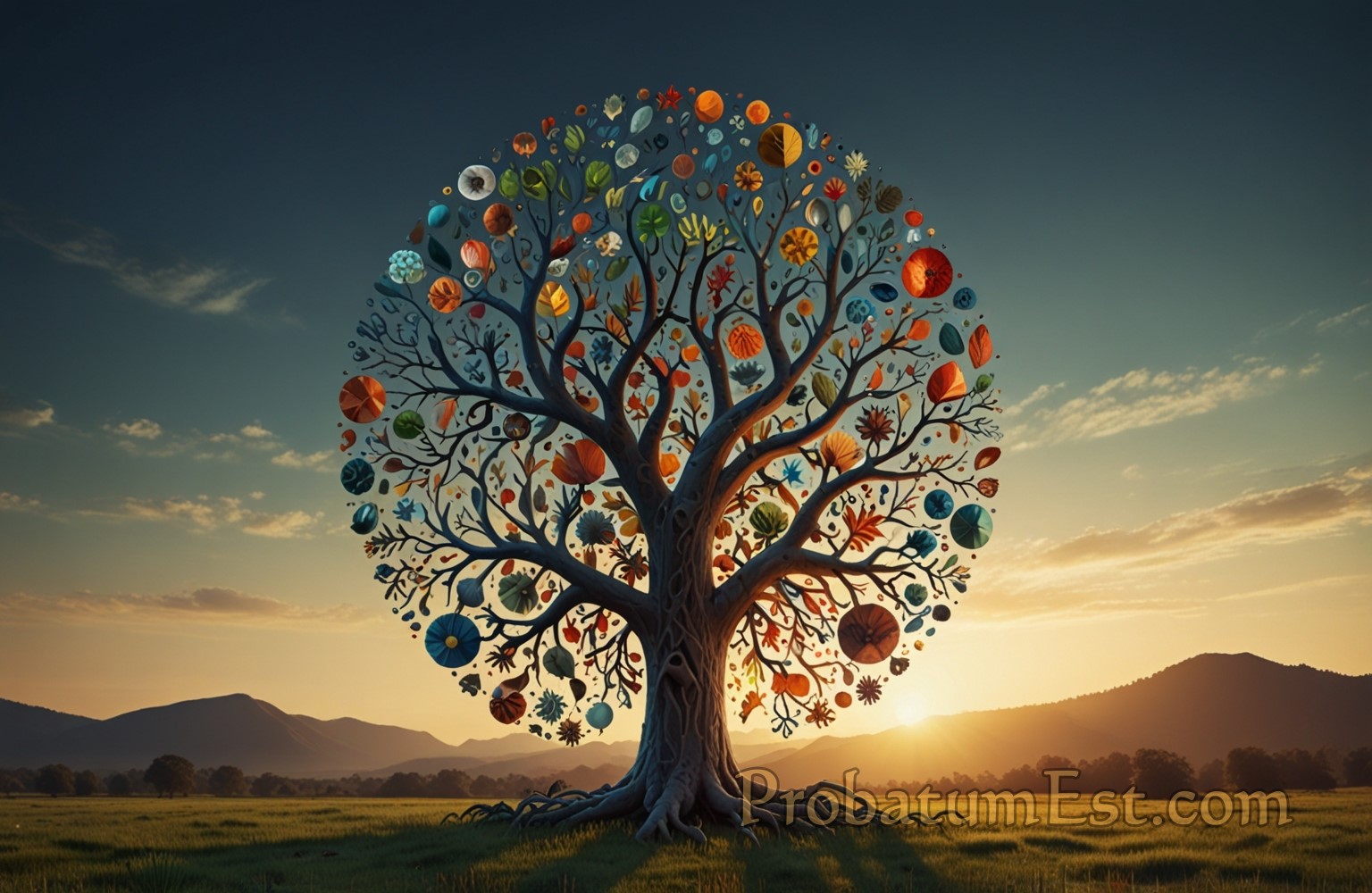
Biology, the scientific study of life, is a vast and dynamic field that encompasses the exploration of living organisms and their processes. Serving as the bedrock for the life sciences, biology connects various disciplines such as ecology, botany, zoology, genetics, and biotechnology, and is pivotal in understanding the natural world. This article delves into the multidimensional aspects of biology, tracing its historical evolution, exploring its fundamental concepts, and examining its modern applications and future directions.
Historical Perspective
The history of biology is rooted in ancient civilizations, where early thinkers like Aristotle pondered the natural world. However, biology as a formal science began to take shape during the Renaissance with advancements such as the microscope by Antonie van Leeuwenhoek, which opened the door to the study of microorganisms. The 19th century was pivotal, with Charles Darwin’s theory of evolution by natural selection transforming biological thought and Gregor Mendel’s work on inheritance laying the groundwork for genetics.
Fundamental Concepts in Biology
At its core, biology revolves around several foundational concepts:
- Cell Theory: The cell is the basic structural and functional unit of life. Robert Hooke’s discovery of cells in 1665 laid the groundwork for this theory, which provides the framework for understanding organismal structure and function.
- Gene Theory: Genes, composed of DNA, are the units of heredity. The discovery of the DNA double helix by James Watson and Francis Crick in 1953 revolutionized biology, offering insights into genetic information flow and the molecular basis of inheritance.
- Evolution: As the unifying theory of biology, evolution explains the diversity of life on Earth. It posits that all living organisms share common ancestry and have diverged over time through processes such as natural selection and genetic drift.
- Homeostasis: This concept refers to the dynamic equilibrium that maintains the internal environment of an organism. It is crucial for the survival of organisms, allowing them to adapt to changing external conditions.
- Energy Flow: Biological systems follow the principles of thermodynamics, with energy flow and transformation being key to life processes. Photosynthesis and cellular respiration are central to energy conversion in ecosystems.
Branches of Biology
Biology is a multidisciplinary science with numerous branches:
- Molecular Biology: Focuses on the molecular underpinnings of biological activity, including interactions between different biomolecules like DNA, RNA, and proteins.
- Genetics: Studies heredity and variation in organisms, pivotal in understanding genetic disorders and the development of biotechnological applications.
- Ecology: The branch that examines interactions between organisms and their environments, vital for understanding conservation and environmental changes.
- Botany and Zoology: The study of plants and animals respectively, these fields have practical applications in agriculture, conservation, and medicine.
- Microbiology: Examines microorganisms, offering insights into disease pathology and the development of antibiotics and vaccines.
Modern Applications
Modern biology is marked by technological advancements such as CRISPR-Cas9 for gene editing, which holds promise for treating genetic disorders and improving crop resilience. Biotechnology harnesses biological agents for industrial processes, while synthetic biology aims to create new bio-systems.
- Medicine: Biology underpins medical advancements, from drug development to personalized medicine. An understanding of human genomics facilitates targeted therapies.
- Agriculture: Genetic engineering and biotechnology improve crop yields, pest resistance, and nutritional value, addressing food security challenges.
- Environmental Science: Insights from ecology inform conservation efforts and sustainable resource management, critical amid global environmental changes.
Challenges
Biology faces challenges such as ethical considerations in genetic engineering and the need for biodiversity conservation. However, the integrative approach of systems biology, which models complex biological interactions, promises breakthroughs in understanding disease mechanisms and ecosystem dynamics.
Future Directions
- Advancements in computational biology and bioinformatics will provide insights into complex biological data.
- The integration of artificial intelligence in research and diagnostics is set to revolutionize the field.
- Exploration of extraterrestrial life forms remains a curious frontier in astrobiology.
Conclusion
Biology, as the foundation of the life sciences, not only enhances our understanding of life itself but also drives innovation across diverse fields. Its interdisciplinary nature and the ongoing exploration of uncharted territories make it an ever-evolving scientific pursuit with profound implications for humanity’s future. Understanding and harnessing biological principles will continue to play a crucial role in addressing global challenges and improving life on Earth.




Leave a Reply