Tag: Equator
-
Natural Habitat – Pillar of Biodiversity and Ecosystem Health
Natural Habitat is a fundamental concept in ecology, referring to the environment in which a particular species or group of organisms live, thrive, and adapt. This intricate tapestry of life is composed of various interconnected elements that contribute to the survival and prosperity of myriad species, from the tiniest microorganisms to the vast forests and… …read more

-
Climate Change – Inquiry into Methodology and Scientific Validity
The debate surrounding climate change has grown intense, with mainstream narratives asserting that climate change unequivocally exists and leads to global warming and rising sea levels. These assertions often approach dogmatic acceptance, claiming an overwhelming scientific consensus. Yet, an examination of these claims through the lens of the scientific method reveals multiple layers of complexity… …read more
-
Earth’s Climate
Earth’s Climate is a complex and dynamic system, intricately woven together by a multitude of factors that influence patterns of weather and climatic conditions worldwide. Although discussions on climate frequently encounter the mainstream narrative emphasizing the climate change dogma, this article aims to focus on the foundational aspects and intricate mechanics of Earth‘s climate without… …read more
-
Habitats – Nature’s Diverse Homes
Habitats are the environments in which species live and interact. Serving as essential components of ecosystems, habitats provide the necessary food, water, shelter, and space that species need to survive. From the vast deserts to the depths of the oceans, the diversity of habitats reflects the complexity of life on Earth. Understanding the types of… …read more
-
What Determines What Type of Biome Can Exist in a Region?
Biomes are expansive regions defined by distinct climate conditions, plant types, and ecosystems composed of both flora and fauna adapted to these environments. They are nature’s broad classifications of life zones on Earth. Understanding what determines what type of biome can exist in a particular region is essential for various fields, from ecology and conservation… …read more
-
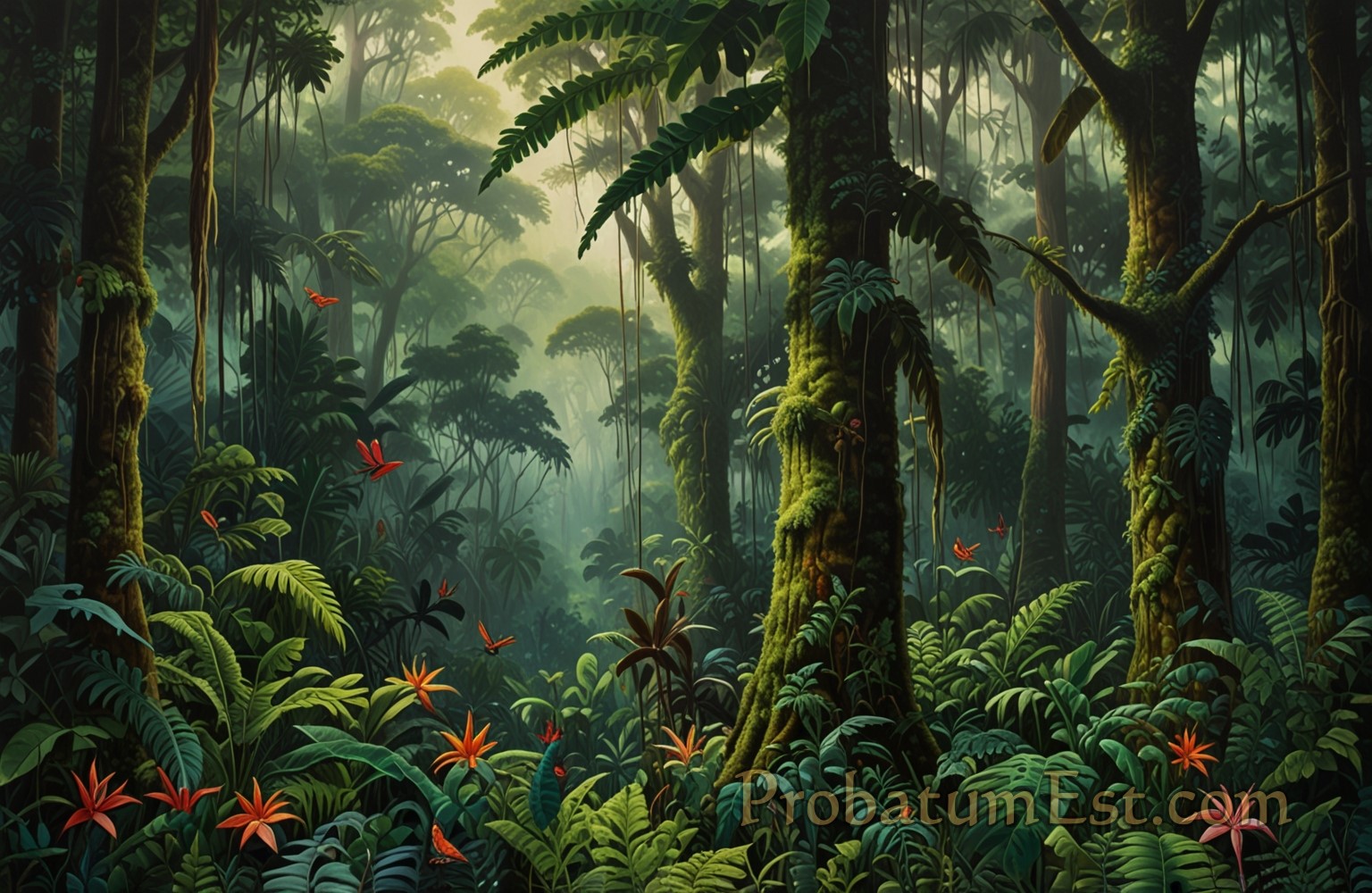
Which Biome Has the Most Biodiversity?
Biodiversity, the variety of life on Earth, forms the backbone of ecosystem stability and resilience, providing countless ecological services, from carbon sequestration to nutrient cycling. Among the various biomes that adorn our planet, one stands out for its staggering wealth of species: the tropical rainforest. This verdant biome is often celebrated as the cradle of… …read more
-
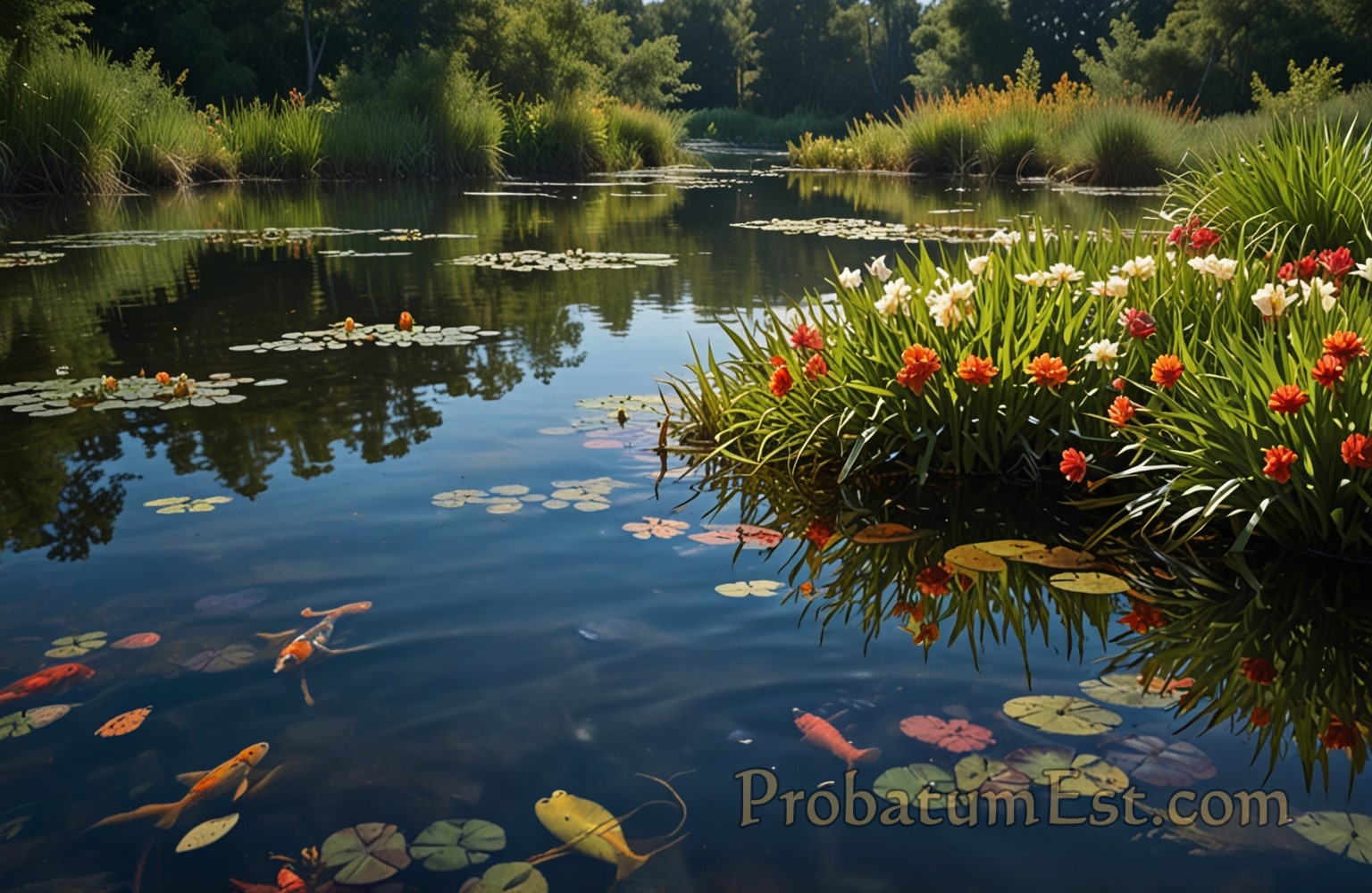
Freshwater Biome
The Freshwater Biome is an indispensable component of the Earth’s ecosystem. Despite covering a mere 2.5% of the global water supply and less than 1% of Earth’s surface, freshwater biomes are vital for sustaining biodiversity, providing water resources, and supporting countless human activities. From lush rivers and serene lakes to mysterious wetlands and invigorating streams,… …read more
-
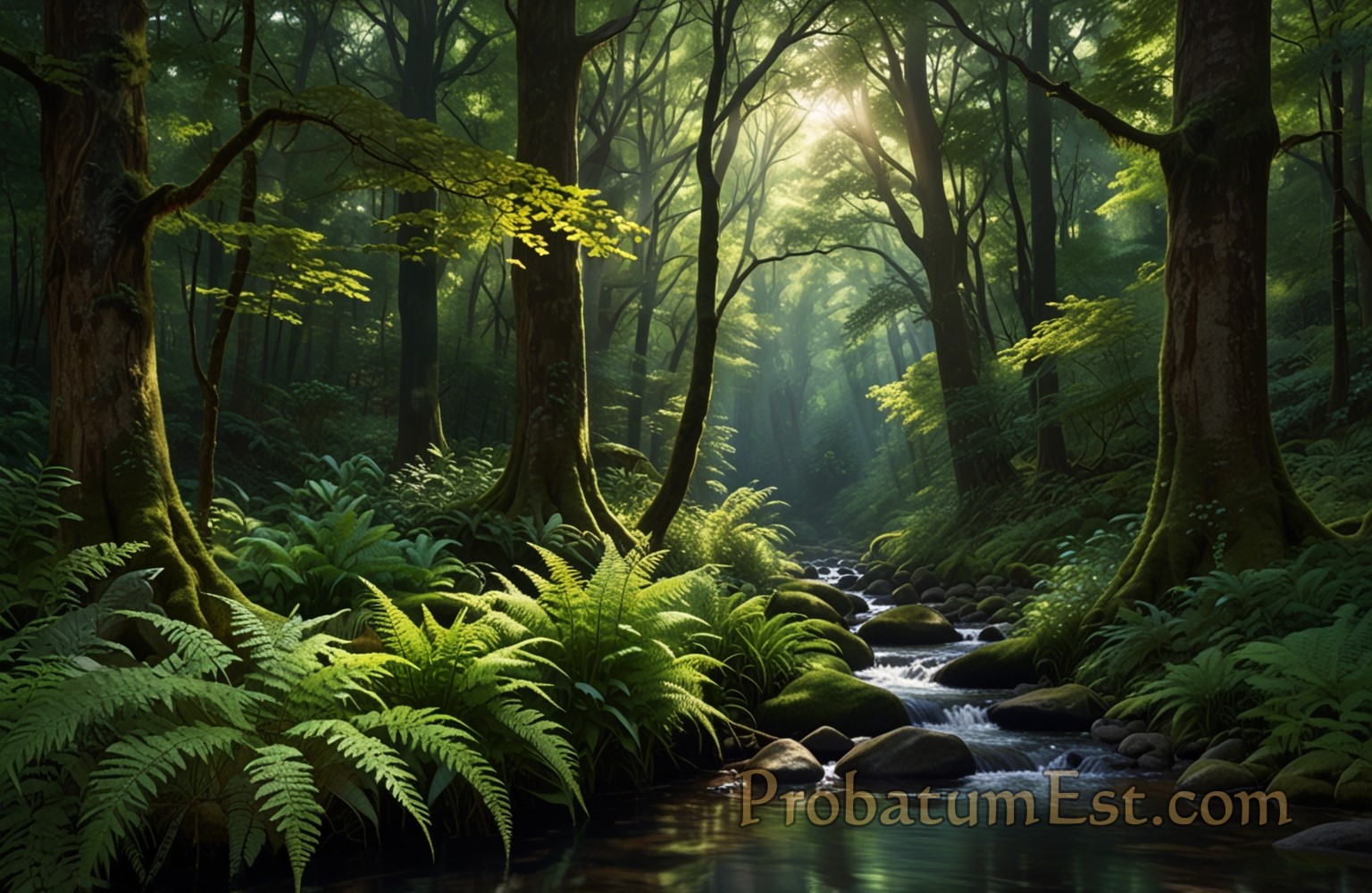
Forests
Forests are among the most vital ecosystems on our planet, covering approximately 31% of Earth’s land area. They are complex biomes that harbor a diversity of life and provide essential ecosystem services that support both natural systems and human communities. This article delves deeply into the world of forests, exploring their types, structure, ecological role,… …read more
-
Earth’s Axial Tilt – Its Significance and Impact
Earth’s Axial Tilt is one of the most intriguing and fundamentally important aspects of our planet, affecting everything from the changing seasons to the development of human civilizations. Also known as obliquity, Earth’s axial tilt is the angle between the planet’s rotational axis and its orbital plane. Currently, this angle is approximately 23.5 degrees, and… …read more
-
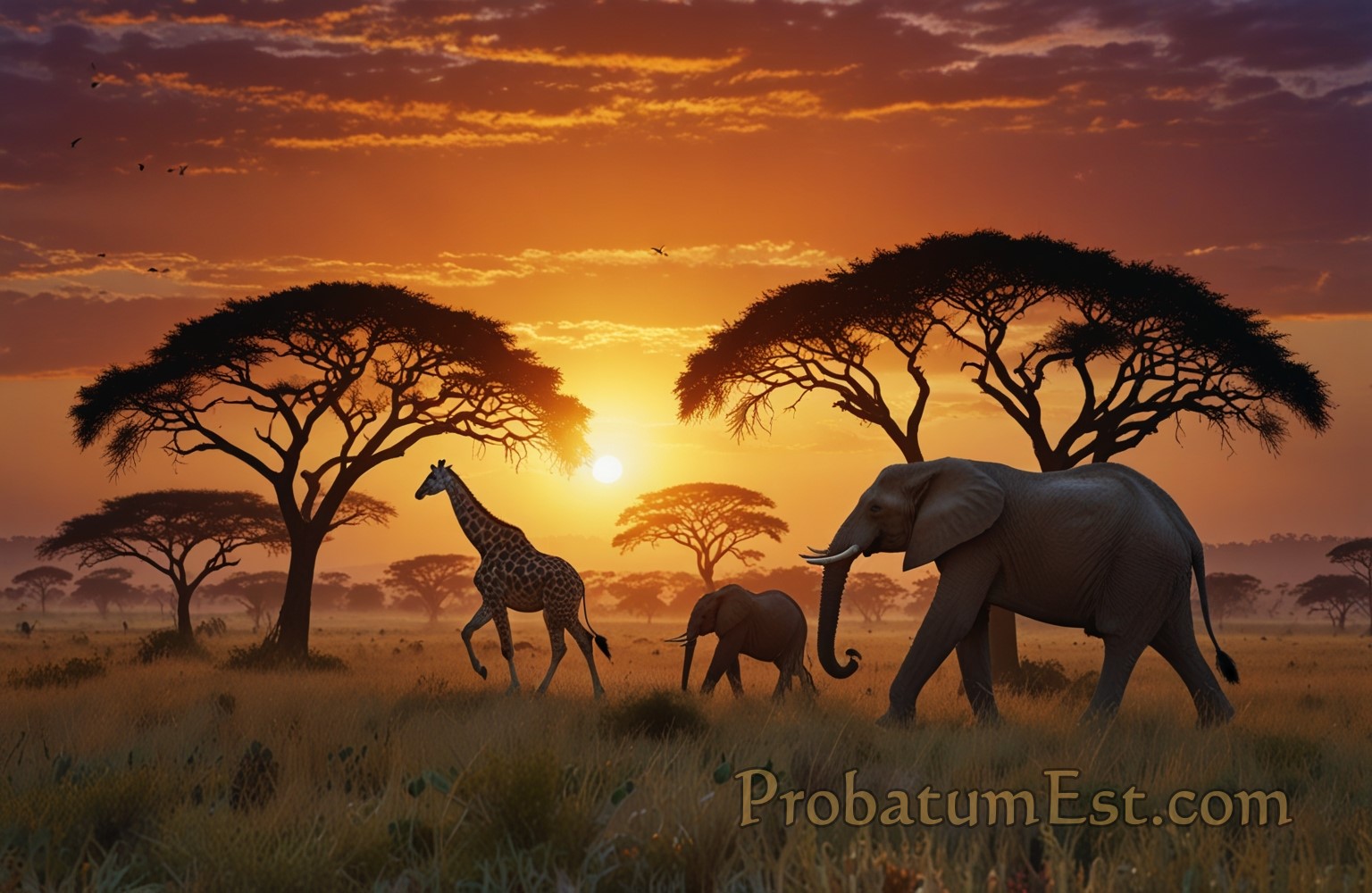
Savannah
The Savannah (sometimes spelled Savanna) biome is a quintessential landscape that attracts scientists, ecologists, and nature enthusiasts alike due to its unique features and critical ecological roles. Known for its expansive grasslands interspersed with trees, the savanna biome is a dynamic environment that supports an incredible diversity of species and provides essential ecosystem services. This… …read more