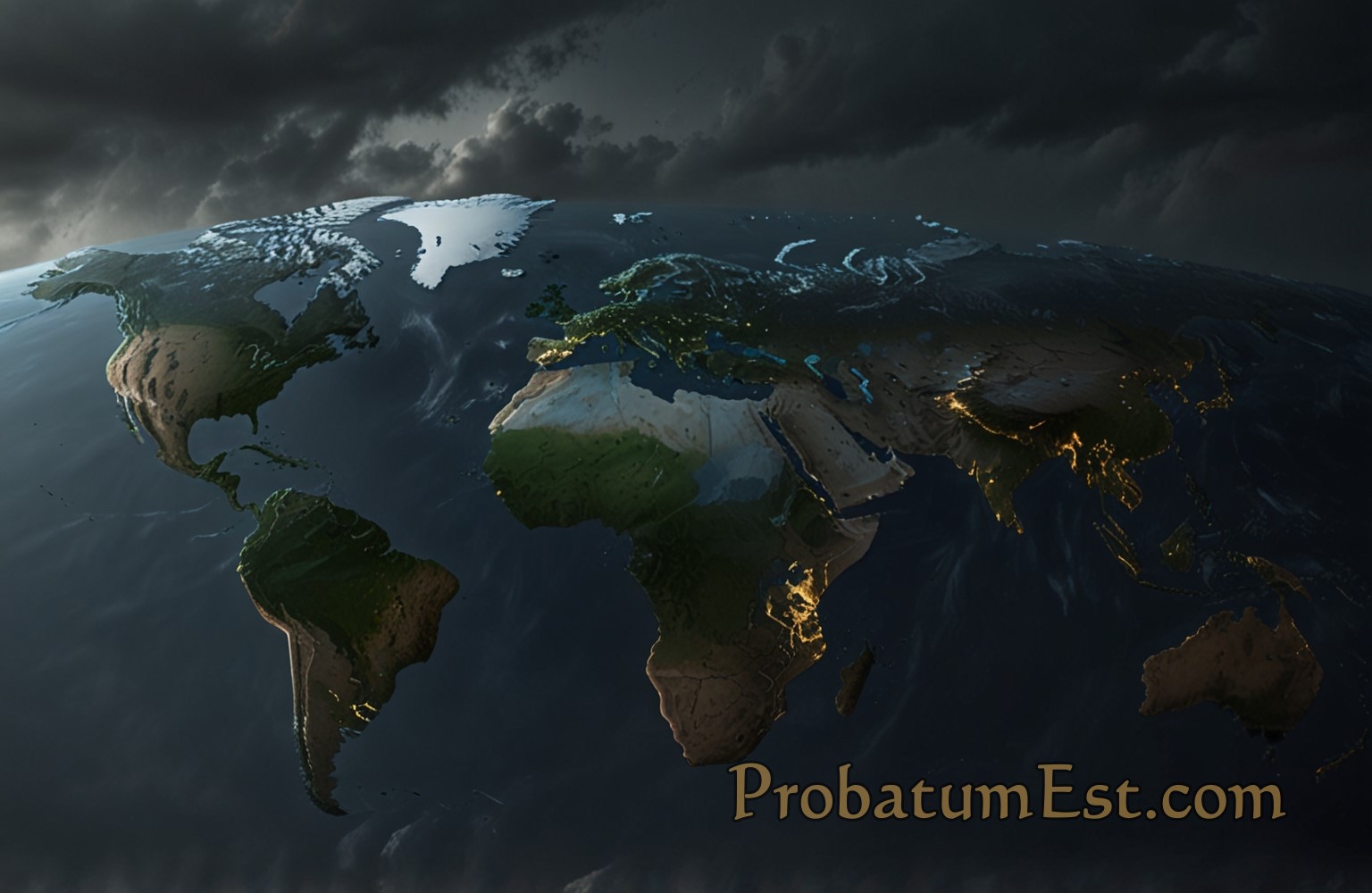
Earth’s Climate is a complex and dynamic system, intricately woven together by a multitude of factors that influence patterns of weather and climatic conditions worldwide. Although discussions on climate frequently encounter the mainstream narrative emphasizing the climate change dogma, this article aims to focus on the foundational aspects and intricate mechanics of Earth‘s climate without diving into the contentious debates surrounding these narratives. Through an exploration of climate systems, key elements, and interactions that govern Earth’s climate, we aim to provide a comprehensive understanding of this fascinating subject.
1. Defining Climate
Before delving into the complexities of Earth’s climate, it is essential to differentiate between weather and climate. Weather denotes short-term atmospheric conditions such as temperature, humidity, precipitation, and winds at a specific place and time. In contrast, climate represents the long-term average of these conditions, usually over a period of 30 years or more, in a particular region.
2. Components of the Climate System
Earth’s climate system is composed of five primary components, each playing a crucial role in how climate is modulated across the globe:
2.1 Atmosphere
The atmosphere, a mixture of gases surrounding Earth, is essential for life and climate regulation. Comprising major gases like nitrogen, oxygen, and trace gases like carbon dioxide and methane, the atmosphere functions as a dynamic layer transporting heat, moisture, and air masses around the planet. Phenomena such as the greenhouse effect, driven by certain atmospheric gases, play a crucial part in maintaining Earth’s temperature balance.
2.2 Hydrosphere
The hydrosphere encompasses all water on Earth, including oceans, rivers, lakes, and glaciers. Oceans, covering about 71% of Earth’s surface, have immense thermal storage capacity, absorbing and redistributing solar energy through ocean currents like the Gulf Stream. These currents substantially impact regional climates by transferring heat around the planet.
2.3 Cryosphere
The cryosphere includes all frozen water parts, such as ice caps, glaciers, and sea ice. Ice and snow reflect a significant portion of solar radiation, affecting Earth’s energy balance and regulating seasonal changes through processes like albedo. Variations in the cryosphere can influence sea levels, ocean circulation, and global temperature patterns.
2.4 Lithosphere
The lithosphere, Earth’s rigid outer shell comprising the crust and upper mantle, affects climate through aspects like volcanic activity and tectonic movements. Volcanic eruptions can release aerosols and gases into the atmosphere, influencing climate by impacting atmospheric temperatures and circulation patterns.
2.5 Biosphere
The biosphere includes all living organisms and their interactions with the other climate system components. Vegetation, for example, influences the carbon cycle by absorbing carbon dioxide during photosynthesis, affecting atmospheric compositions and climate. Moreover, ecosystems affect surface albedo and humidity levels through transpiration and other biological processes.
3. Climate Regulation Mechanisms
The following mechanisms underscore the complexity of how Earth’s climate is regulated:
3.1 Solar Radiation
The sun serves as the primary energy source driving Earth’s climate system. Solar radiation heats the Earth’s surface, influencing atmospheric temperature and circulation. The tilt of Earth’s axis leads to seasonal variations, while solar cycles can induce subtle long-term changes in climate.
3.2 Atmospheric Circulation
Atmospheric circulation, governed by pressure and temperature differences, redistributes heat and moisture around the planet. Key patterns include the Hadley cell, Ferrel cell, and Polar cell, along with trade winds and jet streams that significantly influence weather and climate at various latitudes.
3.3 Ocean Circulation
Ocean currents play a pivotal role in climate regulation by transporting heat across vast distances. Surface currents, driven by winds, and deep-water currents, driven by density differences, form a global conveyor belt known as thermohaline circulation. These currents influence regional climates and can induce phenomena like El Niño and La Niña.
3.4 Feedback Loops
Feedback loops are processes that can either amplify or dampen climatic changes. For instance, the ice-albedo feedback loop involves snow and ice melt reducing surface reflectivity, leading to increased absorption of solar radiation and further warming. Understanding these loops is vital for comprehending the intricacies of Earth’s climate system.
4. Conclusion
Earth’s climate is an astonishingly intricate and interconnected network of systems and processes. While mainstream narratives may focus on specific aspects of climate change, a comprehensive understanding of climate requires delving into the fundamental components and interactions that sustain climatic balance. By exploring the atmosphere, hydrosphere, cryosphere, lithosphere, and biosphere, and examining mechanisms like solar radiation, circulation patterns, and feedback loops, we gain profound insights into a phenomenon that shapes our planet on every level.
In our ever-evolving quest for knowledge and truth, it remains imperative to explore Earth’s climate with curiosity and scientific rigor, appreciating its complexities and marveling at the delicate balance that sustains life on Earth.




Leave a Reply