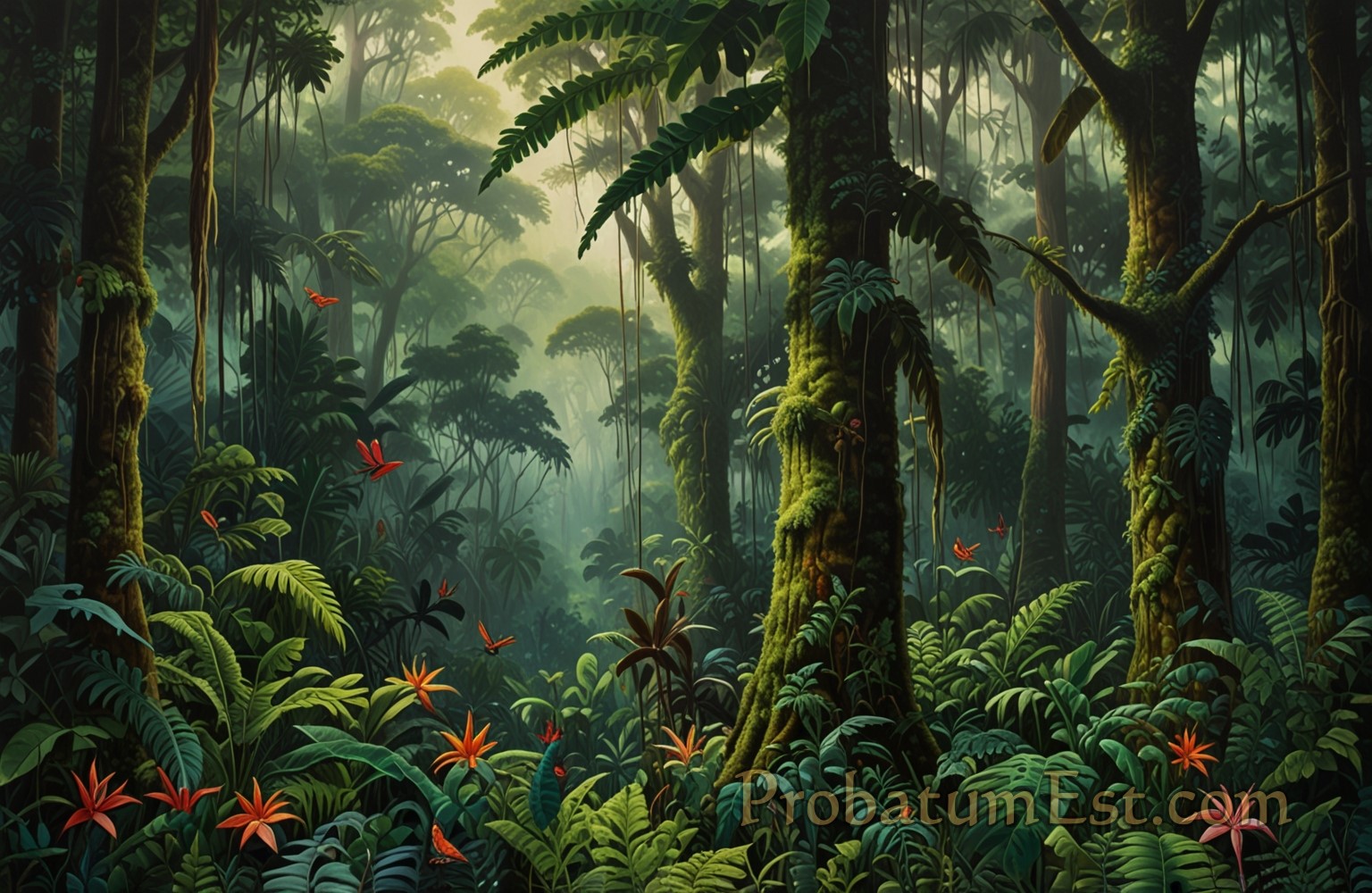
Biodiversity, the variety of life on Earth, forms the backbone of ecosystem stability and resilience, providing countless ecological services, from carbon sequestration to nutrient cycling. Among the various biomes that adorn our planet, one stands out for its staggering wealth of species: the tropical rainforest. This verdant biome is often celebrated as the cradle of life, boasting an unmatched level of biodiversity. But what exactly makes the tropical rainforest so biologically rich, and how does it compare with other biomes? This article delves deep into the facets of Earth’s biodiversity, revealing the exceptional traits and factors that contribute to the supremacy of the tropical rainforest in terms of biodiversity.
Defining Biodiversity and Biomes
Before exploring the interconnections between biomes and biodiversity, it’s crucial to understand what these terms entail. Biodiversity refers to the variety of life forms within a given ecosystem, region, or the entire planet. It is typically measured in terms of species variety, genetic variance, and ecosystem diversity. A biome, on the other hand, is a vast ecological region distinguished by its climate, soil, flora, and fauna. Each biome, such as deserts, tundras, grasslands, and forests, showcases unique evolutionary adaptations and ecological processes.
The Tropical Rainforest: A Biodiversity Hotspot
The tropical rainforest, situated around the Earth’s equator, emerges as the definitive leader in biodiversity. These lush forests, characterized by high annual rainfall (often exceeding 2000mm), consistent warm temperatures, and towering tree canopies, provide the perfect conditions for a wide range of life forms. Let’s explore the reasons behind their biodiversity dominance:
- Climate and Structural Complexity: The stable, warm temperatures and high humidity of tropical rainforests create an environment where life can thrive year-round. The structural complexity of these forests, with layers spanning from forest floor to canopy, offers a plethora of niches for species to exploit. Each layer can support different communities of organisms, increasing overall species richness.
- Geological Age: Many tropical rainforests are ancient ecosystems that have remained relatively untouched by glaciations that reshaped northern biomes during the ice ages. This lengthy, uninterrupted history has allowed for continuous speciation and evolutionary diversification.
- Sunlight and Productivity: The equatorial position of tropical rainforests ensures they receive more direct sunlight, contributing to high primary productivity. This abundance of energy supports diverse plant life, which in turn sustains a vast array of herbivores, predators, and decomposers.
- Specialization and Symbiosis: The dense competition for resources has fostered specialization and symbiotic relationships. Many rainforest species exhibit mutualistic partnerships, such as those between pollinators and specific plants or fungi and trees, enhancing the complexity and interdependency of these ecosystems.
- Rainforest Fragmentation and Microhabitats: Within the broader tropical rainforest landscape, microhabitats exist due to variations in soil fertility, water availability, and light penetration. Such diversity in habitat conditions allows for high levels of endemism, where species evolve to thrive in particular niches found nowhere else.
Comparative Biodiversity in Other Biomes
While the tropical rainforest reigns supreme, other biomes also possess unique biodiversity:
- Coral Reefs: Known as the “rainforests of the sea,” coral reefs boast tremendous marine biodiversity. They cover less than 1% of the ocean floor but support around 25% of all marine species. The structure provided by coral formations creates numerous niches for marine life.
- Temperate Forests: These forests feature a moderate level of biodiversity, posited by seasonal variations and diverse plant life. While not as dense in species variety as their tropical counterparts, they support rich communities of mammals, birds, and insects.
- Savannas and Grasslands: Known for their large herbivores and predator species, these biomes showcase biodiversity in terms of both plant and animal life. The periodic burning of grasslands and seasonal rainfall patterns play crucial roles in maintaining ecosystem dynamics.
- Deserts and Tundras: These extreme environments support lower biodiversity due to harsh conditions. However, species here exhibit remarkable adaptations, showcasing ecological resilience and evolutionary ingenuity.
Global Significance and Conservation
The colossal biodiversity of tropical rainforests contributes significantly to global ecological health, as these ecosystems are central to carbon storage, oxygen production, and climate regulation. Despite their importance, tropical rainforests face relentless threats from deforestation, climate change, and human activities. Their protection is vital for maintaining planetary biodiversity and the ecological services they offer.
In conclusion, the tropical rainforest stands unequaled in its biodiversity, owing to its ancient lineage, optimal climatic conditions, complex structure, and high productivity levels. While each biome presents unique attributes and species, the tropical rainforest remains the quintessential biodiversity hotspot, with preservation efforts pivotal to safeguarding Earth’s rich tapestry of life. As stewards of the planet, understanding and valuing this diversity is paramount to fostering ecological harmony and resilience.




Leave a Reply