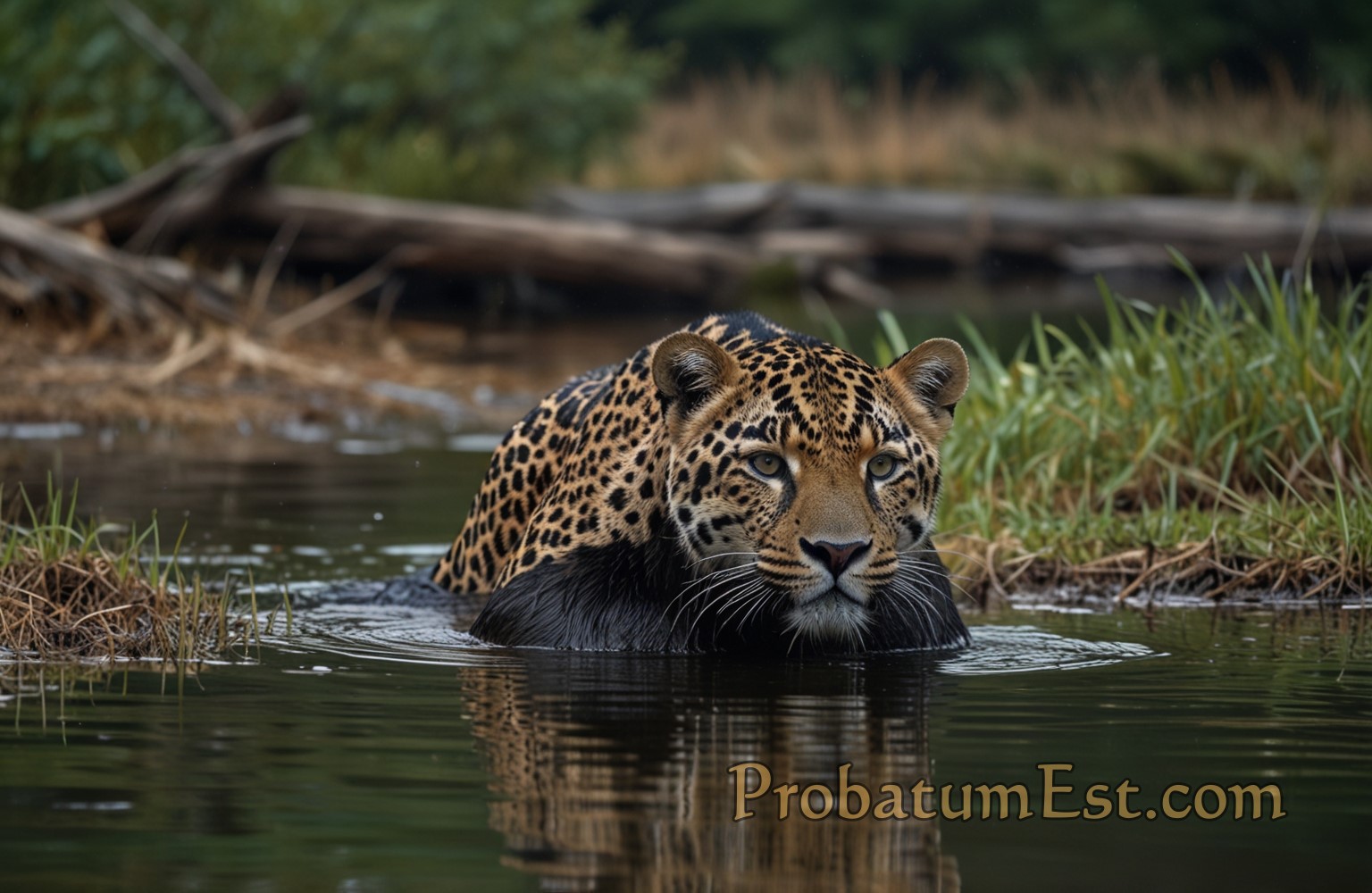
Natural Habitat is a fundamental concept in ecology, referring to the environment in which a particular species or group of organisms live, thrive, and adapt. This intricate tapestry of life is composed of various interconnected elements that contribute to the survival and prosperity of myriad species, from the tiniest microorganisms to the vast forests and oceans that cover our planet. Understanding natural habitat is crucial for maintaining biodiversity, ensuring ecosystem health, and fostering sustainable coexistence with the natural world.
The Components of Natural Habitat
At its core, a natural habitat encompasses several critical components that define its structure and function:
- Abiotic Factors: These are the non-living physical and chemical elements of the environment, such as temperature, light, water, air, and soil. Abiotic factors shape the habitat’s landscape and influence the types of organisms that can survive there.
- Biotic Factors: These involve the living components of a habitat, including plants, animals, fungi, and microorganisms. The interactions among these organisms, such as predation, competition, and symbiosis, form complex food webs and ecological networks.
- Climate and Weather Patterns: Climate plays a pivotal role in determining the distribution and types of natural habitats across the globe. Weather patterns, seasonal changes, and long-term climate variations all contribute to habitat dynamics.
- Geography and Topography: The geographical location and physical features of a habitat, including mountains, rivers, and valleys, significantly impact the types of ecosystems that can thrive in a particular area.
Types of Natural Habitats
Natural habitats are incredibly diverse, each supporting unique ecosystems and species. Some of the major types include:
- Forests: From tropical rainforests to temperate deciduous forests and boreal taigas, forests are rich in biodiversity and vital for carbon sequestration.
- Grasslands: These include savannas, prairies, and steppes, which are characterized by vast open spaces with grasses and few trees. They support large herbivores and are crucial for grazing animals.
- Deserts: Known for their arid conditions and extreme temperature fluctuations, deserts host specially adapted organisms capable of surviving in harsh conditions.
- Wetlands: These areas, including marshes, swamps, and bogs, are saturated with water and are critical for water filtration, flood control, and providing habitat for many aquatic species.
- Aquatic Habitats: Oceans, rivers, lakes, and estuaries make up the world’s aquatic habitats. They support an incredible diversity of life and are crucial for global climate regulation.
The Importance of Natural Habitats
Maintaining natural habitats is crucial for several reasons:
- Biodiversity Conservation: Natural habitats are home to countless species, many of which are endemic, meaning they are found nowhere else. Protecting these habitats is essential for preserving global biodiversity.
- Ecosystem Services: Natural habitats provide invaluable services such as pollination, water purification, soil fertility, climate regulation, and carbon storage. These services are vital for human well-being and the health of the planet.
- Cultural and Economic Values: Many cultures around the world have deep-rooted connections to natural habitats, relying on them for food, medicine, and spiritual practices. Additionally, habitats contribute to economies through ecotourism and resource provision.
- Climate Resilience: Healthy natural habitats enhance ecosystem resilience to climate change by reducing the impacts of extreme weather events, stabilizing ecosystems, and supporting species adaptation.
Threats to Natural Habitats
Despite their importance, natural habitats face numerous threats, primarily driven by human activities:
- Deforestation: The clearing of forests for agriculture, logging, and urban expansion leads to habitat loss and fragmentation.
- Pollution: Air, water, and soil pollution adversely affect habitats and the organisms that inhabit them, often leading to biodiversity decline.
- Climate Change: Altered precipitation patterns, and extreme weather events disrupt habitats and species distributions.
- Invasive Species: Non-native species introduction can outcompete and displace native species, altering habitat dynamics.
- Overexploitation: Unsustainable hunting, fishing, and harvesting practices deplete resources and degrade habitats.
Conservation and Restoration of Natural Habitats
Efforts to conserve and restore natural habitats are vital for mitigating threats and ensuring ecological sustainability:
- Protected Areas: Establishing national parks, wildlife reserves, and marine protected areas are fundamental to conserving habitats and biodiversity.
- Habitat Restoration: Rehabilitating degraded habitats through reforestation, wetland regeneration, and invasive species management enhances ecosystem health.
- Sustainable Practices: Promoting sustainable agriculture, forestry, and fishing practices can reduce habitat destruction and resource depletion.
- Community Engagement: Involving local communities in conservation initiatives fosters stewardship and helps safeguard habitat integrity.
- Policy and Legislation: Implementing and enforcing environmental laws and international agreements are critical for habitat protection and sustainable resource management.
Conclusion
The natural habitat is a cornerstone of our planet’s biodiversity and ecological balance. Understanding and protecting these habitats is not only crucial for the myriad species that call them home but also for the future of humanity. As stewards of the Earth, it is our responsibility to ensure that natural habitats are preserved, restored, and sustainably managed to maintain the intricate web of life that sustains us all.




Leave a Reply