Tag: Genetics
-
Bacteria – Small in Size, Big in Numbers
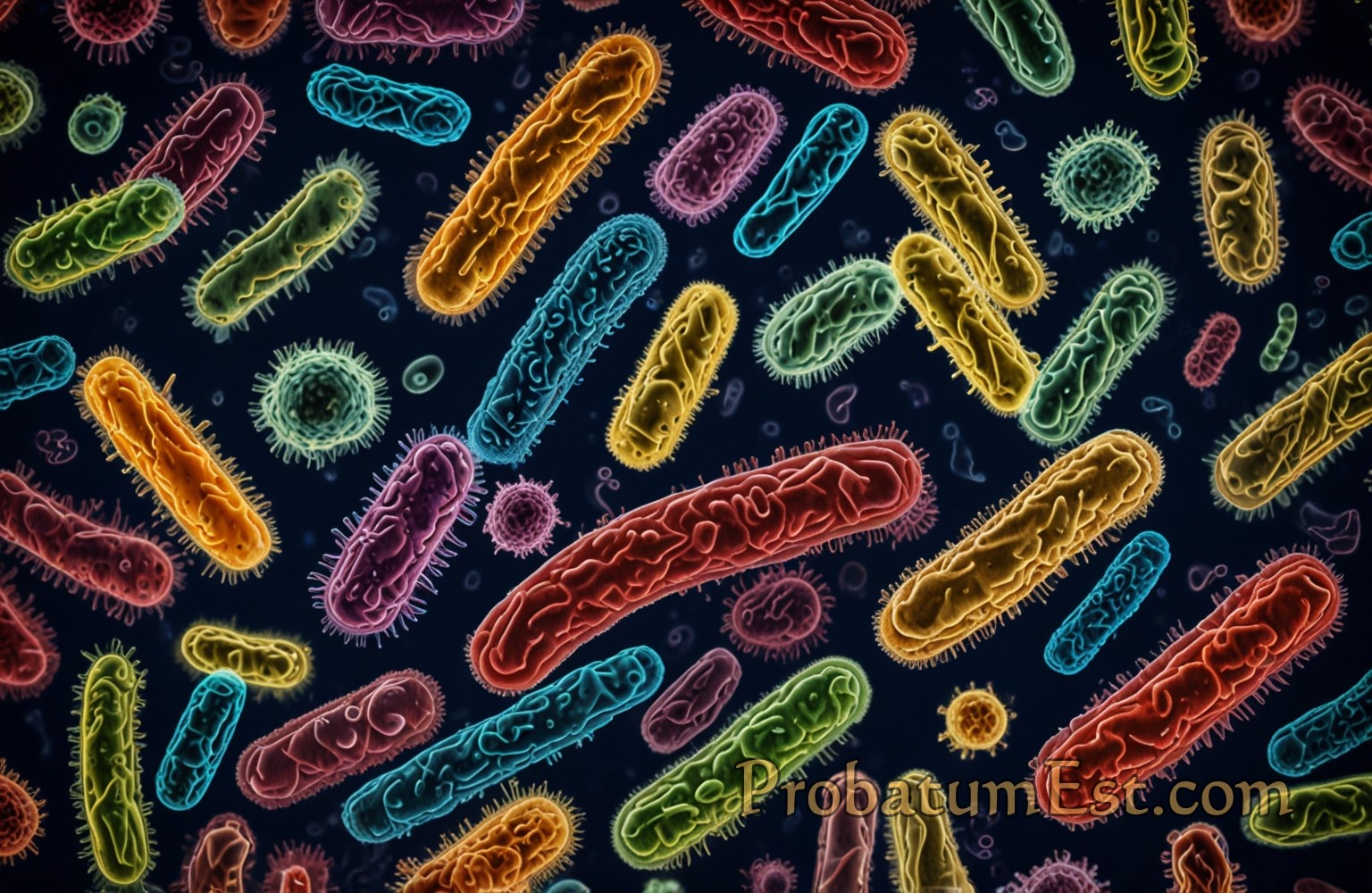
Bacteria are among the most diverse, abundant, and resilient organisms on Earth. They inhabit nearly every environment, ranging from soil and freshwater habitats to the depths of the ocean, as well as living within and on other organisms. Even though they are microscopic, bacteria play indispensable roles in ecosystems, industry, and human health. Below is… …read more

-
Fungi – More Than Just Mushrooms
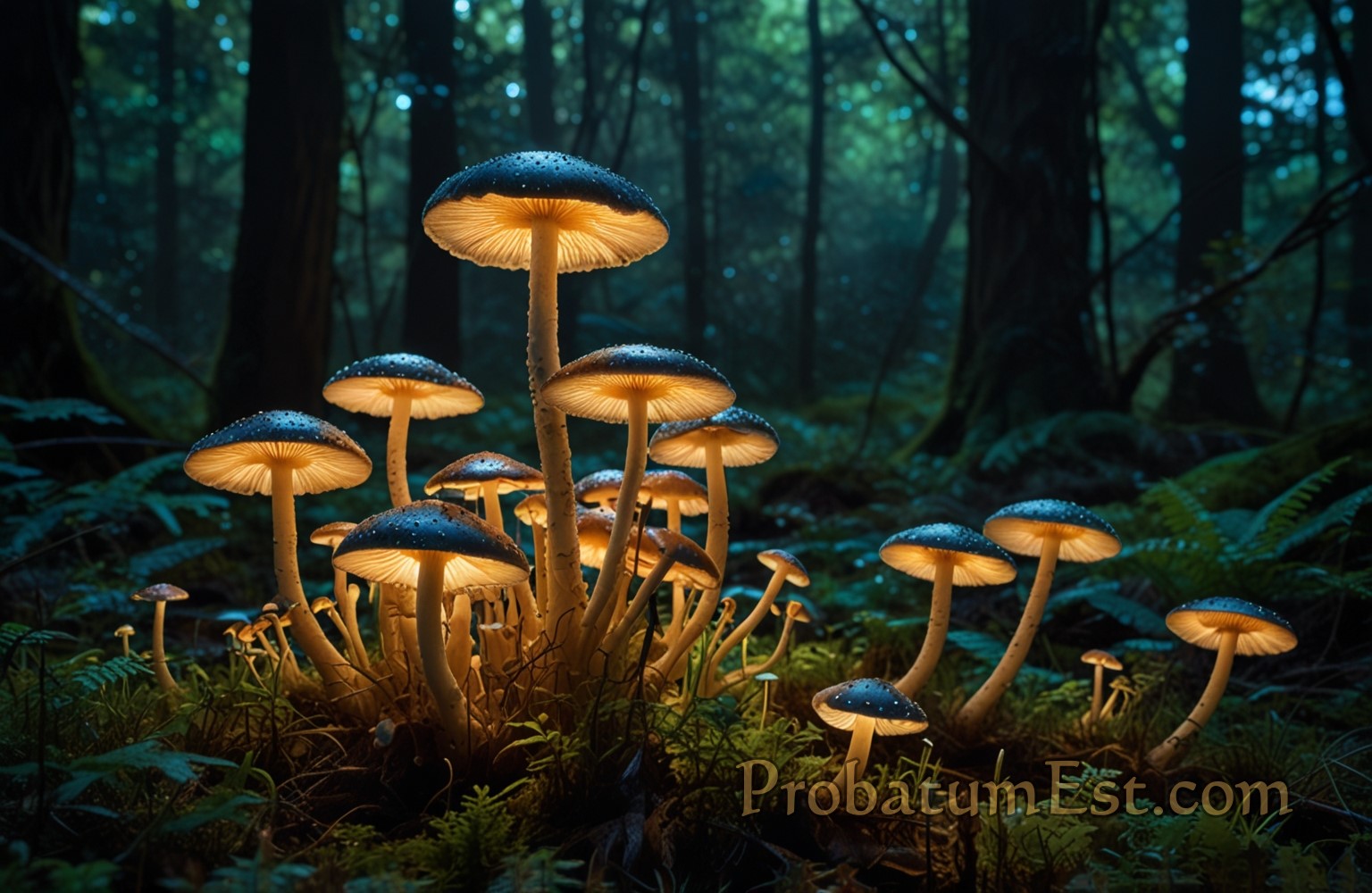
Fungi form a vast and fascinating group of organisms that occupy nearly every habitat on Earth. Long recognized primarily as molds and mushrooms, fungi include an enormous range of forms, from microscopic single-celled yeasts to complex networks of filaments that span large areas of soil or rotting logs. Below is a comprehensive examination of fungi… …read more
-
Plants – Introduction to the Wonders of Botany
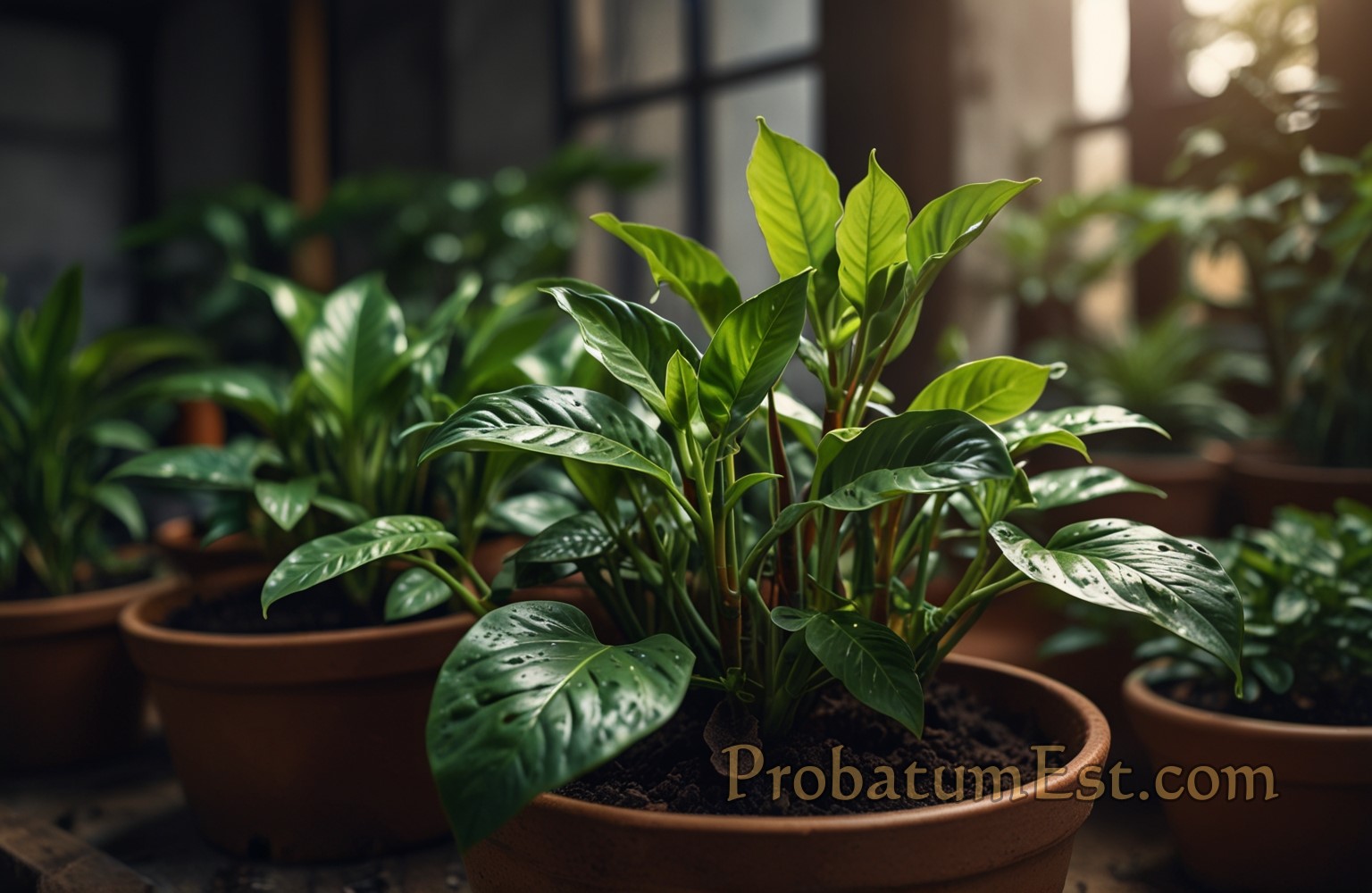
Plants are an incredibly diverse group of organisms that form the foundation of most terrestrial ecosystems. They play vital roles in food webs, produce oxygen through photosynthesis, and provide countless resources for other living beings. This comprehensive overview explores the biology of plants — encompassing their structure, physiology, life cycles, classification, and ecological value. The… …read more
-
Pathogens – Small but with Big Impact on Our Lives
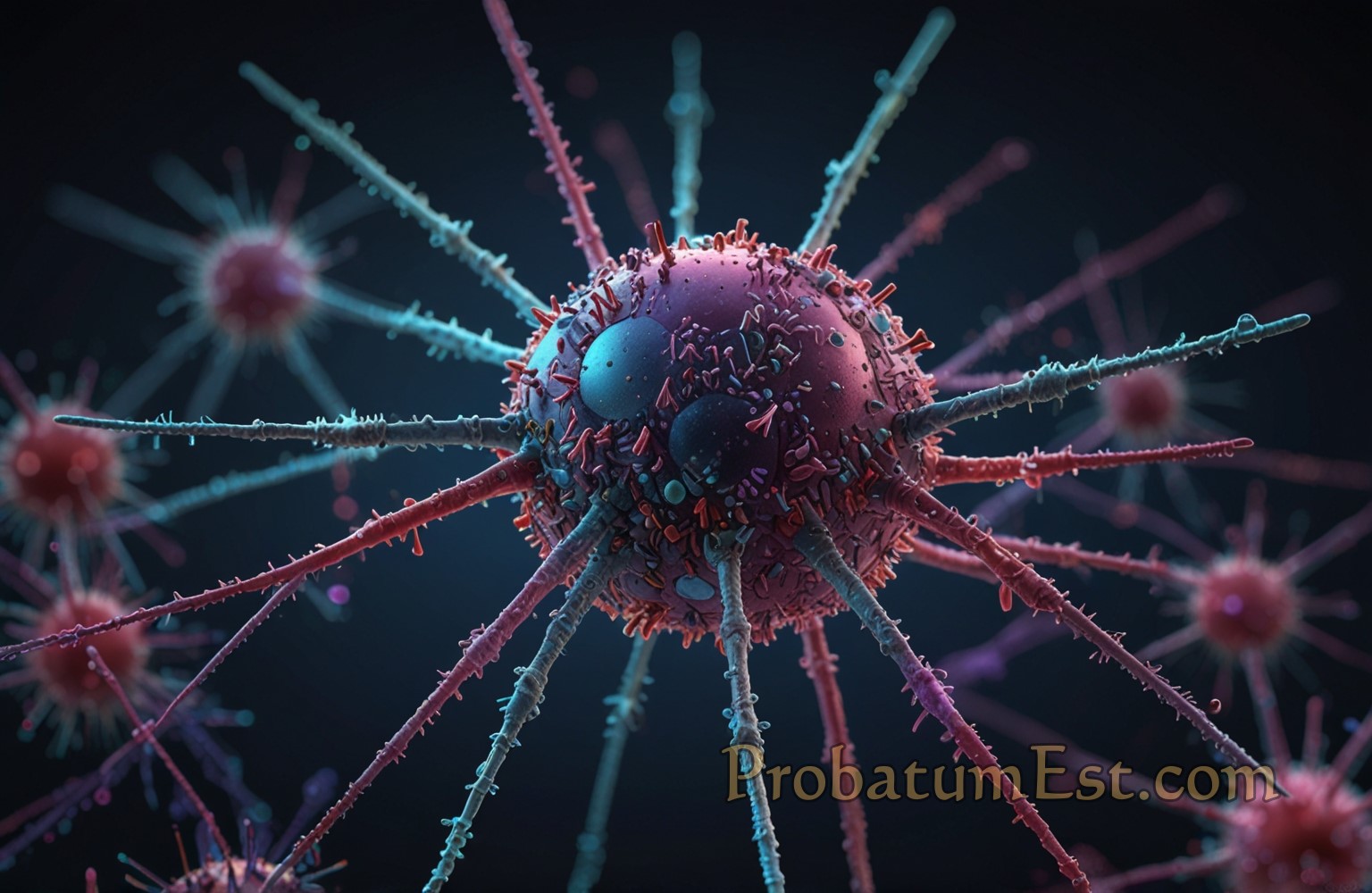
Pathogens are microorganisms or agents — including bacteria, fungi, protozoa, parasites, and prions — that have the potential to cause disease in humans, animals, or plants. They range from microscopic single-celled organisms to more complex, multi-cellular parasites and even the elusive protein-based prions. This article will focus mostly on the mainstream understanding of pathogens, however… …read more
-
Nature – A Closer Look
Nature, in the most fundamental biological sense, encompasses the vast tapestry of living organisms and the environments in which they thrive. It spans from the microscopic building blocks of life to the grand and intricate ecosystems that cover the planet. This article provides an in-depth view of nature – a closer look, discussing the essential… …read more
-
Biodiversity – Vast and Vital World of Life
Biodiversity, a term derived from “biological diversity,” encompasses the variety of life forms on Earth. It represents the vast array of species, genetic differences within those species, and the complex ecosystems they form. Biodiversity is not just about a collection of different species; it’s about the balance and interdependence between these species and their environments.… …read more
-
Flora – Backbone of Ecological Systems
Flora, a term derived from the Latin word for “flower,” refers to the collective plant life occurring in a particular region or time, or a detailed catalog of such plant life. Within the context of ecology, flora encompasses not just the conspicuous vegetation like trees, shrubs, herbs, and flowers, but also includes a myriad of… …read more
-
Zoology – Scientific Study of Animal Life
Zoology, the branch of biology that focuses on the study of animals, encompasses a grand spectrum of topics ranging from the minute cellular structure of organisms to their complex behaviors in diverse ecosystems. This multifaceted field is integral to understanding the natural world and the myriad forms of life that inhabit it. By exploring zoology,… …read more
-
Microorganisms – Hidden Backbone of Life on Earth
Microorganisms are the unsung heroes of our ecosystem, playing a profound role in shaping the environment, maintaining the health of higher organisms, and driving biogeochemical cycles. Comprising a vast diversity of life forms, microorganisms are characterized by their microscopic size and include bacteria, archaea, fungi, algae, and protozoa. This article delves deep into their fascinating… …read more
-
Microbiology
Microbiology is the scientific study of microorganisms, a diverse group of microscopic entities that include bacteria, fungi, algae, protozoa, and archaea. Despite their minute size, microorganisms play a significant role in the biological processes essential for life on Earth. From their crucial function in ecosystem sustainability and biotechnology to their role in human health and… …read more