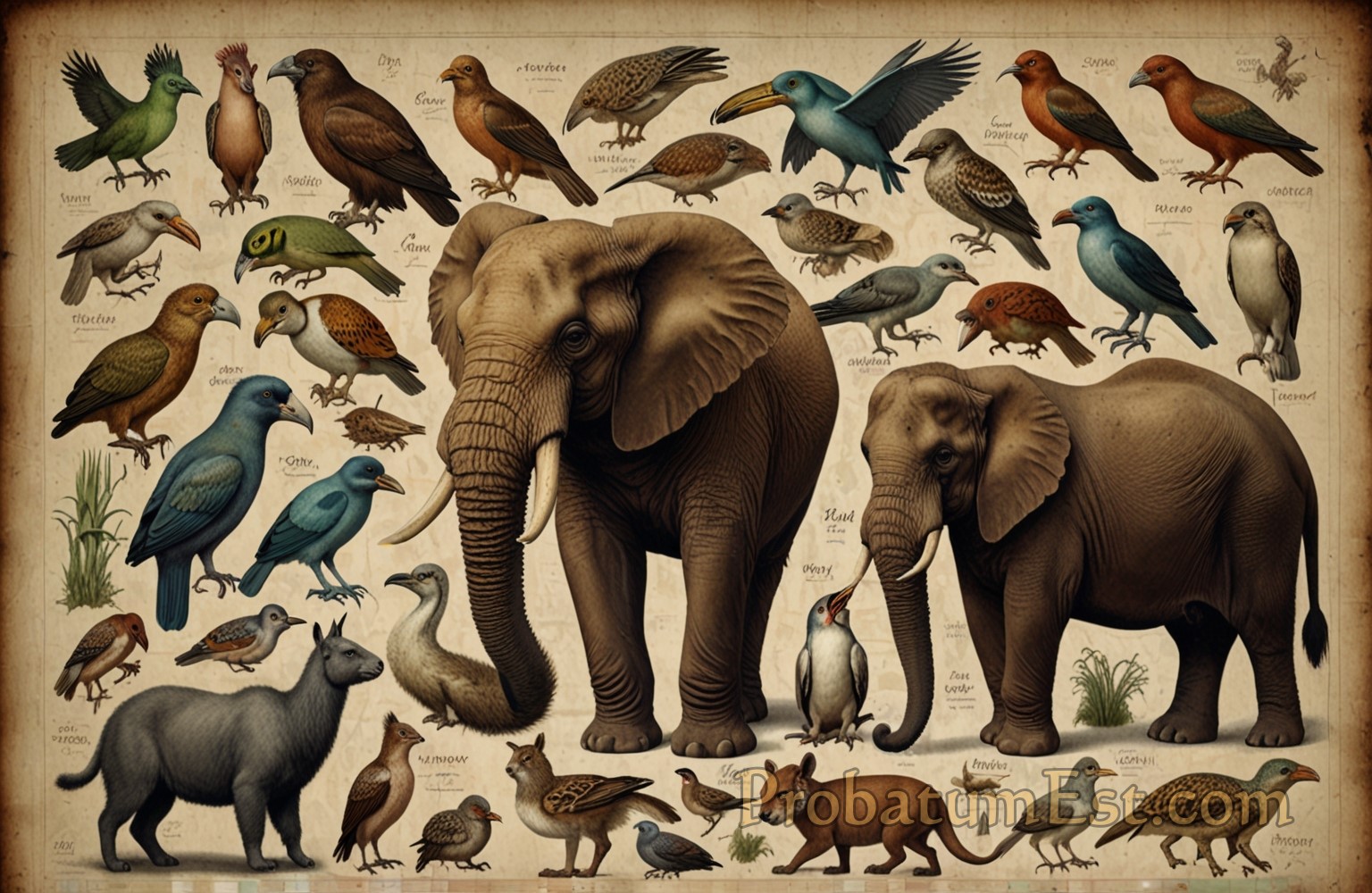
Zoology, the branch of biology that focuses on the study of animals, encompasses a grand spectrum of topics ranging from the minute cellular structure of organisms to their complex behaviors in diverse ecosystems. This multifaceted field is integral to understanding the natural world and the myriad forms of life that inhabit it. By exploring zoology, we grasp the intricacies of animal biology and address pressing issues such as conservation, biodiversity, and the ecological balance essential for sustaining life on Earth.
Historical Context
The roots of zoology can be traced back to ancient civilizations, where early naturalists and philosophers like Aristotle laid the groundwork with their observations and classifications of animal life. Over time, theoretical advancements during the Renaissance and the Enlightenment led to the formation of the modern scientific analysis seen today. Charles Darwin’s seminal work on evolution by natural selection in the 19th century further propelled zoological studies by providing a unifying theory that connected the diversity of life.
Major Disciplines in Zoology
Zoology is divided into numerous sub-disciplines, each focusing on specific aspects of animal life:
- Anatomy and Physiology: These fields study the structure and function of animals. Comparative anatomy examines similarities and differences among species, while physiology explores how animals’ organ systems work.
- Animal Behavior (Ethology): This area investigates how animals interact with each other and their environments, considering both genetic and environmental influences on behavior.
- Ecology: Zoologists in this domain study animals’ roles in their ecosystems, their interactions with other organisms, and their responses to environmental changes.
- Evolutionary Biology: By focusing on how animals have evolved over time, this field provides insights into the adaptive strategies and speciation processes.
- Taxonomy and Systematics: These branches address the classification and naming of animals, striving to understand relationships among species and reconstruct their evolutionary histories.
- Wildlife Biology and Conservation: This area is crucial for preserving biodiversity and involves managing wildlife populations and habitats, often emphasizing endangered species protection.
- Entomology: A specialized field focusing on the study of insects, which play vital roles in ecosystems as pollinators, decomposers, and food sources.
- Marine Biology: Concerned with life in oceans and seas, this specialization tackles the challenges of understanding marine ecosystems and the species that inhabit them.
Research Methods in Zoology
Research in zoology employs a wide array of methods, from field studies observing animal behavior in natural habitats to laboratory techniques analyzing genetic material:
- Field Studies: Involve direct observation and data collection in natural settings to study animals in their ecological contexts.
- Molecular Techniques: Utilize DNA sequencing and genetic markers to explore evolutionary connections and variations among species.
- Remote Sensing and GIS: Geographic Information Systems help map and monitor habitats, track migration patterns, and assess environmental impacts on wildlife.
- Laboratory Experiments: Controlled settings that allow for the manipulation of variables to understand physiological or behavioral responses.
The Significance of Zoology
Zoology’s importance extends far beyond academic curiosity. It provides critical knowledge that aids in addressing environmental and societal challenges:
- Biodiversity Conservation: Understanding species interactions and ecosystem dynamics is crucial for developing effective conservation strategies.
- Climate Change: Zoological insights inform predictions about how climate change affects animal populations and distributions.
- Human-Wildlife Conflicts: Knowledge of animal behavior and ecology informs policies to mitigate negative interactions between humans and wildlife.
- Medical Research: Animal studies contribute to biomedical discoveries, leading to advancements in health and disease treatment.
Ethical Considerations
Zoological research must continually address ethical concerns, especially regarding animal welfare. Humane treatment and ethical research methodologies are paramount, with guidelines ensuring that the scientific benefits justify any potential impact on animal subjects.
Conclusion
Zoology is a dynamic and vital field that not only enhances our understanding of the animal kingdom but also enriches our appreciation for the complexities of life. By delving into the nuances of animal biology and their intricate relationships with ecosystems, zoologists contribute significantly to science, conservation, and our global heritage. As human impact on the planet continues to grow, the role of zoology in safeguarding our natural environment becomes ever more crucial, guiding efforts to foster a sustainable coexistence with the incredible diversity of life on Earth.




Leave a Reply