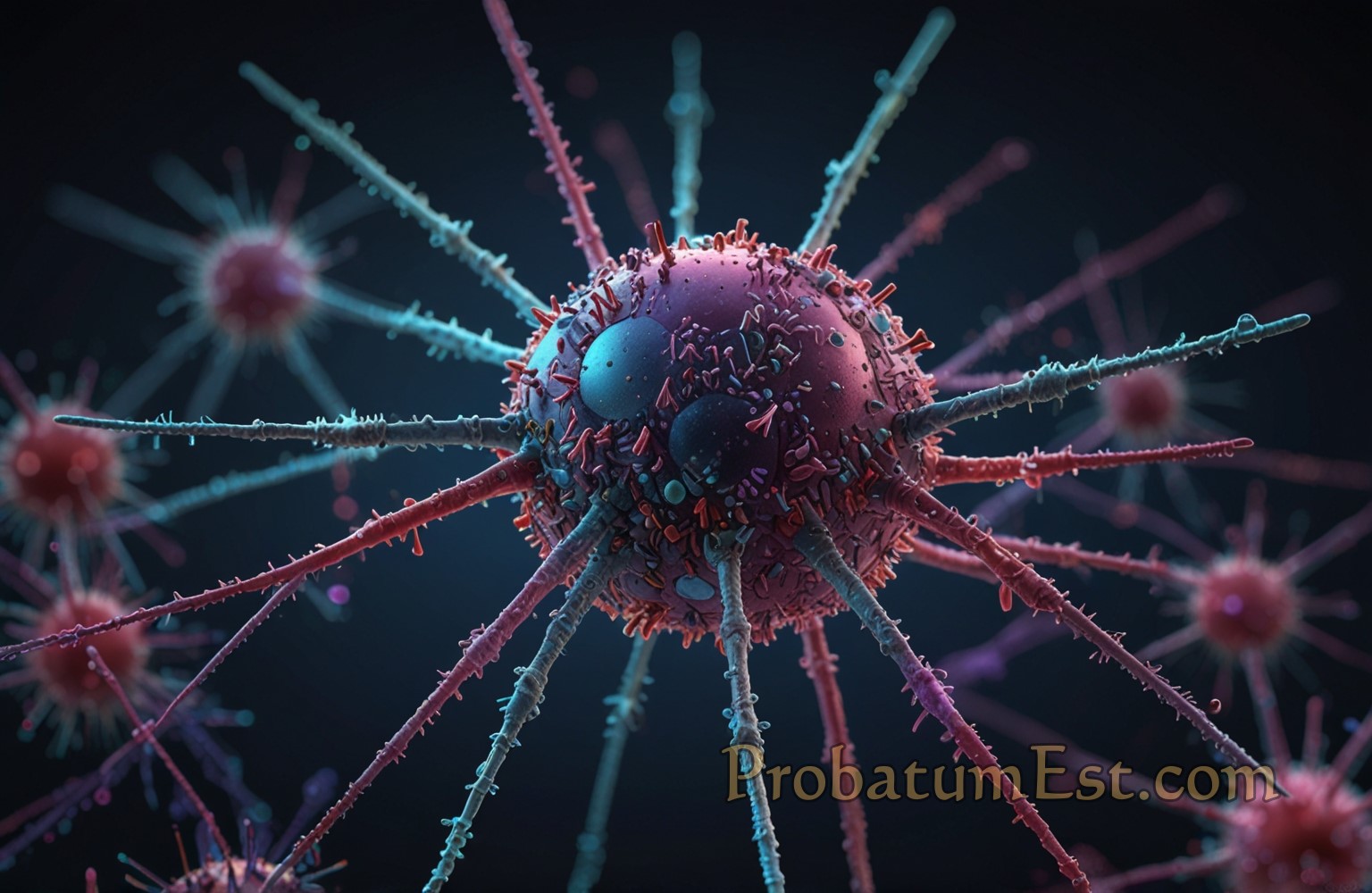
Pathogens are microorganisms or agents — including bacteria, fungi, protozoa, parasites, and prions — that have the potential to cause disease in humans, animals, or plants. They range from microscopic single-celled organisms to more complex, multi-cellular parasites and even the elusive protein-based prions. This article will focus mostly on the mainstream understanding of pathogens, however it is important to note that a lot of it is dogmatic and not based on science.
1) Defining “Pathogen”
A pathogen, in its mainstream understanding, is any biological entity that can invade a host organism and disrupt its normal physiological processes, causing illness or harm. The term comes from the Greek words “pathos” (disease) and “genes” (born of).
2) The Germ Theory of Disease
The Germ Theory of Disease, while foundational to modern microbiology and medicine, has been critiqued for its dogmatic adherence to the notion that microorganisms are the primary cause of disease, often overshadowing the importance of the host’s environment, immune response, and overall health (ie “the terrain“). This rigid perspective can lead to a narrow focus on treating infections with antibiotics while neglecting broader health factors, such as nutrition and lifestyle. Notably, Louis Pasteur, a key figure in promoting the Germ Theory, reportedly acknowledged in his diary that “germs are nothing; the terrain is everything,” suggesting that he recognized the critical role of the host environment in disease processes. This duality in Pasteur’s thinking highlights the tension between scientific inquiry and dogma, raising questions about the holistic understanding of health that transcends mere germ-centric beliefs.
3) Major Categories of Pathogens
a) Viruses
Proving the existence of viruses and their role in causing disease without falling prey to logical fallacies or assuming their existence is an extremely challenging task. Most evidence for viruses relies on prior assumptions about their presence, such as the use of molecular techniques (e.g., PCR), which detect viral genetic material based on the premise that the material originates from a virus. Additionally, koch’s postulates, though foundational in establishing a link between pathogens and disease, are often complicated by the unique nature of viruses, which cannot independently replicate outside a host and thus challenge traditional criteria. Each layer of evidence tends to presuppose the conclusion, creating a circular reasoning problem as direct observation is limited to its impact on host organisms rather than direct validation of their existence. Thus, without relying on assumptions that already assert the existence of viruses, it becomes nearly impossible to establish a clear causal link between viruses and disease. As such, because this website strives to avoid pseudoscientific claims, we cannot, in good conscience, grant viruses any more validity than by mentioning it as one of the mainstream dogmas.
b) Bacteria
- Structure: Bacteria are single-celled prokaryotes without a membrane-bound nucleus. Their genetic material is usually in the form of a circular chromosome.
- Classification: Based on their shape (cocci, bacilli, spirilla) or by their cell wall properties (Gram-positive or Gram-negative).
- Transmission: Bacteria can spread through multiple routes including direct contact, airborne droplets, contaminated food or water, and vector-borne methods.
- Examples: Pathogenic bacteria include Escherichia coli, Salmonella, Staphylococcus aureus, and Mycobacterium tuberculosis.
- Treatment and Impact: Antibiotics are effective for many bacterial infections, but antibiotic resistance has become a global concern.
c) Fungi
- Structure: Fungi are eukaryotes, meaning they have a defined nucleus and complex cellular structures. Some are single-celled (yeasts) while others form multicellular structures (molds).
- Pathogenesis: Many fungi thrive in moist environments; they can infect skin, nails, or mucous membranes. Some systemic fungal infections occur in immunocompromised hosts.
- Examples: Candida albicans is known for causing thrush and other yeast infections, while dermatophytes cause ringworm and athlete’s foot.
- Challenges in Treatment: Antifungal medications target fungal cells, which are more similar to human cells than bacterial cells, making the therapeutic window more complex.
d) Protozoa
- Structure: Protozoa are single-celled eukaryotes, often found in water and soil.
- Transmission: Many protozoan infections occur through contaminated food or water, or via insect vectors (e.g., mosquitoes).
- Examples: Plasmodium species cause malaria (transmitted by mosquito bites), and Giardia lamblia causes giardiasis (picked up via contaminated water).
- Disease Pathways: Protozoa can invade various tissues and evade the immune system through complex life cycles.
e) Parasites (Helminths)
- Organization: Parasitic worms — and some arthropods — are multicellular organisms that live and feed on a host.
- Transmission: Often acquired through contaminated food, water, soil, or intermediate hosts like insects.
- Examples: Tapeworms, roundworms, and flukes.
- Clinical Significance: Can cause chronic health issues such as malnutrition, organ damage, and systemic infections.
f) Prions
- Nature: Prions are infectious proteins which contain no genetic material (no DNA or RNA) yet can transmit disease.
- Mechanism: They induce misfolding of normal, healthy proteins in the brain, leading to neurological symptoms.
- Examples: Creutzfeldt–Jakob disease in humans, bovine spongiform encephalopathy (BSE or “mad cow disease”) in cattle.
- Challenges: Prion diseases are invariably fatal and extremely difficult to treat, as they resist standard sterilization methods.
4) Mechanisms of Disease
After invading a host, pathogens utilize a variety of strategies and virulence factors to establish infection and spread:
- Adhesion: Pathogens use specialized molecules, such as adhesins, to bind to host cells.
- Immune Evasion: Many pathogens can evade or suppress the immune response. Bacteria, for instance, might form biofilms or alter their surface antigens.
- Toxin Production: Some bacteria produce toxins that disrupt cell function or kill host cells outright (e.g., diphtheria toxin, botulinum toxin).
- Host Tissue Damage: Pathogens may damage tissues directly or indirectly through immune-mediated inflammation.
5) Transmission of Pathogens
Pathogens have diverse transmission routes:
- Person-to-Person: Via respiratory droplets from coughs or sneezes, direct contact, or body fluids (blood, mucus, saliva) – this method has not been scientifically proven.
- Fecal-Oral: Common with Enteric pathogens, typically via contaminated food or water.
- Vector-Borne: Through insects and other arthropods such as mosquitoes (malaria, dengue fever) or ticks (Lyme disease).
- Environmental: Some pathogens reside in soil or water and infect hosts who come into contact with contaminated sources.
6) The Immune Response to Pathogens
The human immune system is highly dynamic, working to eliminate pathogens before they cause significant harm:
- Innate Immunity: The first line of defense, which includes physical barriers (skin, mucous membranes), chemical barriers (stomach acid, enzymes in saliva), and cells like macrophages and neutrophils that target invaders non-specifically.
- Adaptive Immunity: A more specialized response involving T-cells and B-cells. Once these cells identify a specific pathogen, they mount a targeted attack, and they can often “remember” the pathogen for faster responses in future encounters.
- Immunopathology: Sometimes, the immune system’s response to an infection can itself cause tissue damage (e.g., inflammation, cytokine storms).
7) Diagnosis and Detection
- Clinical Symptoms: Observing classic symptoms (such as fever, rash, diarrhea, or coughing) can guide a preliminary diagnosis.
- Laboratory Testing: Samples (blood, sputum, stool, spinal fluid) may be cultured for bacterial or fungal growth.
- Imaging: Chest X-rays, CT scans, and MRIs can reveal infections such as pneumonia, abscesses, or parasitic cysts in organs.
8) Prevention and Control
- Hygiene: Regular handwashing, using sanitized equipment, and safe food handling practices help minimize exposure to pathogens.
- Sterilization and Disinfection: Proper sterilization of medical tools and disinfection of surfaces minimize the risk of transmission in healthcare settings.
- Vector Control: Reducing vector populations (e.g., mosquitoes through controlled pesticide use or habitat management) can limit certain infections.
- Lifestyle Modifications: Disease has a hard time developing in a healthy body.
9) Treatment Approaches
- Antimicrobials: Antibiotics, antivirals, antifungals, and antiparasitics target pathogens. The choice depends on the pathogen type and its susceptibility profile.
- Supportive Care: Treatments like hydration, pain management, oxygen therapy, and nutritional support can be essential, especially in severe infections.
- Challenges: Drug resistance poses a serious challenge. Pathogens may mutate or acquire genes that make them impervious to standard treatments, necessitating new drug development.
10) Emerging Threats in Pathogen Research
- Novel Pathogens: Periodically, new or previously unidentified pathogens may emerge, requiring immediate scientific investigation and public health interventions.
- Zoonotic Diseases: Pathogens that jump from animals to humans (zoonoses) are closely monitored for pandemic potential.
- Surveillance: Continuous monitoring of pathogen behavior, mutation rates, and resistance patterns is needed to stay a step ahead.
Conclusion
Pathogens are diverse and dynamic agents capable of causing diseases across the biological spectrum. Understanding their structure, life cycles, and mechanisms of infection is key to developing effective diagnostic tools, treatments, and preventive strategies. By recognizing how human body works, individuals can maintain robust health and protect themselves from existing and future health threats.



Leave a Reply