Tag: Mammal
-
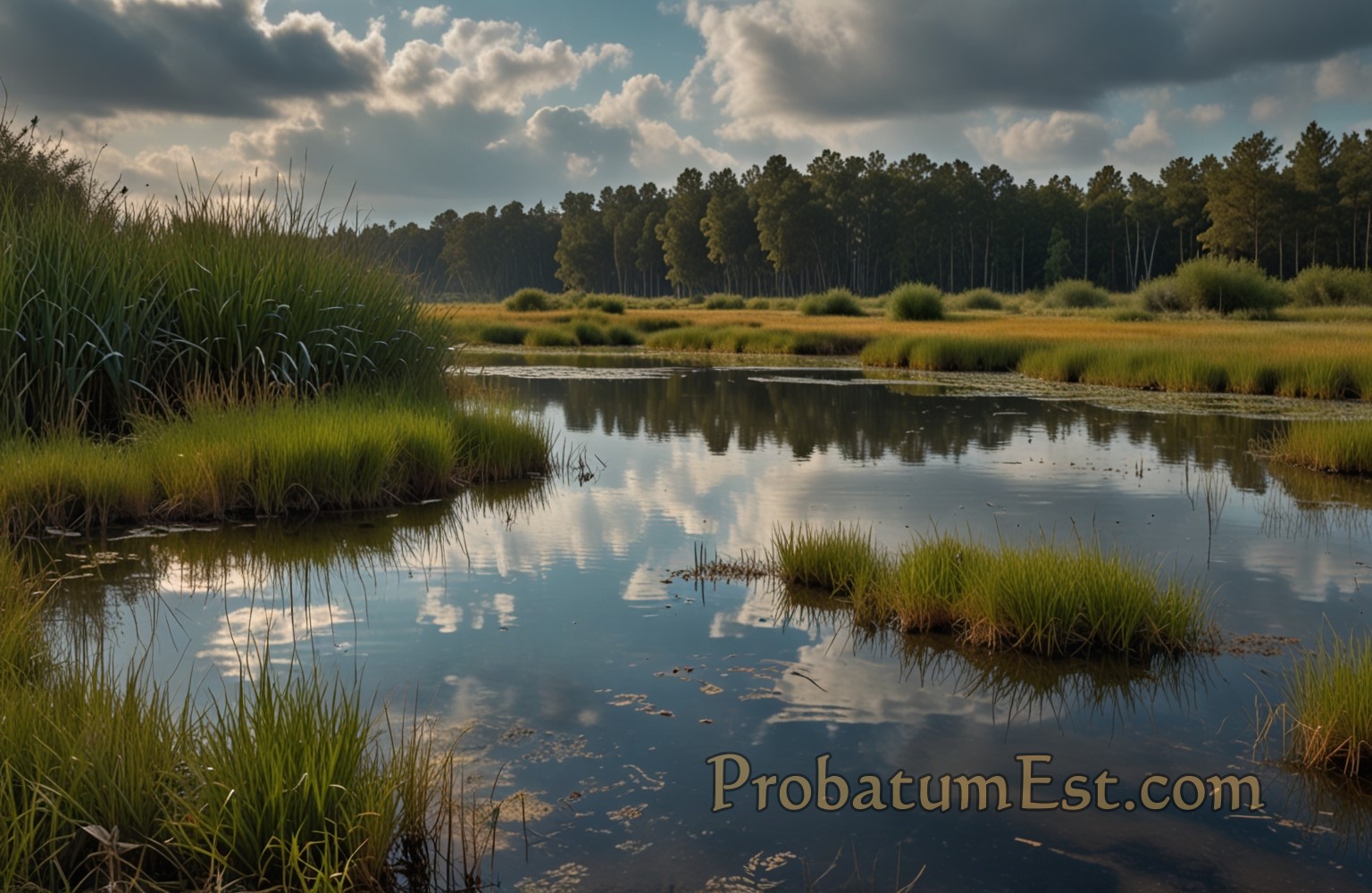
Wetlands – Environmental Guardians of Our Earth
Wetlands are vital natural environments characterized by waterlogged soils or standing water for at least part of the year. They serve as transitional zones between terrestrial and aquatic habitats and support an extraordinary diversity of plants and animals. Below is an in-depth exploration of the defining features of wetlands, their types, ecological functions, key benefits,… …read more

-
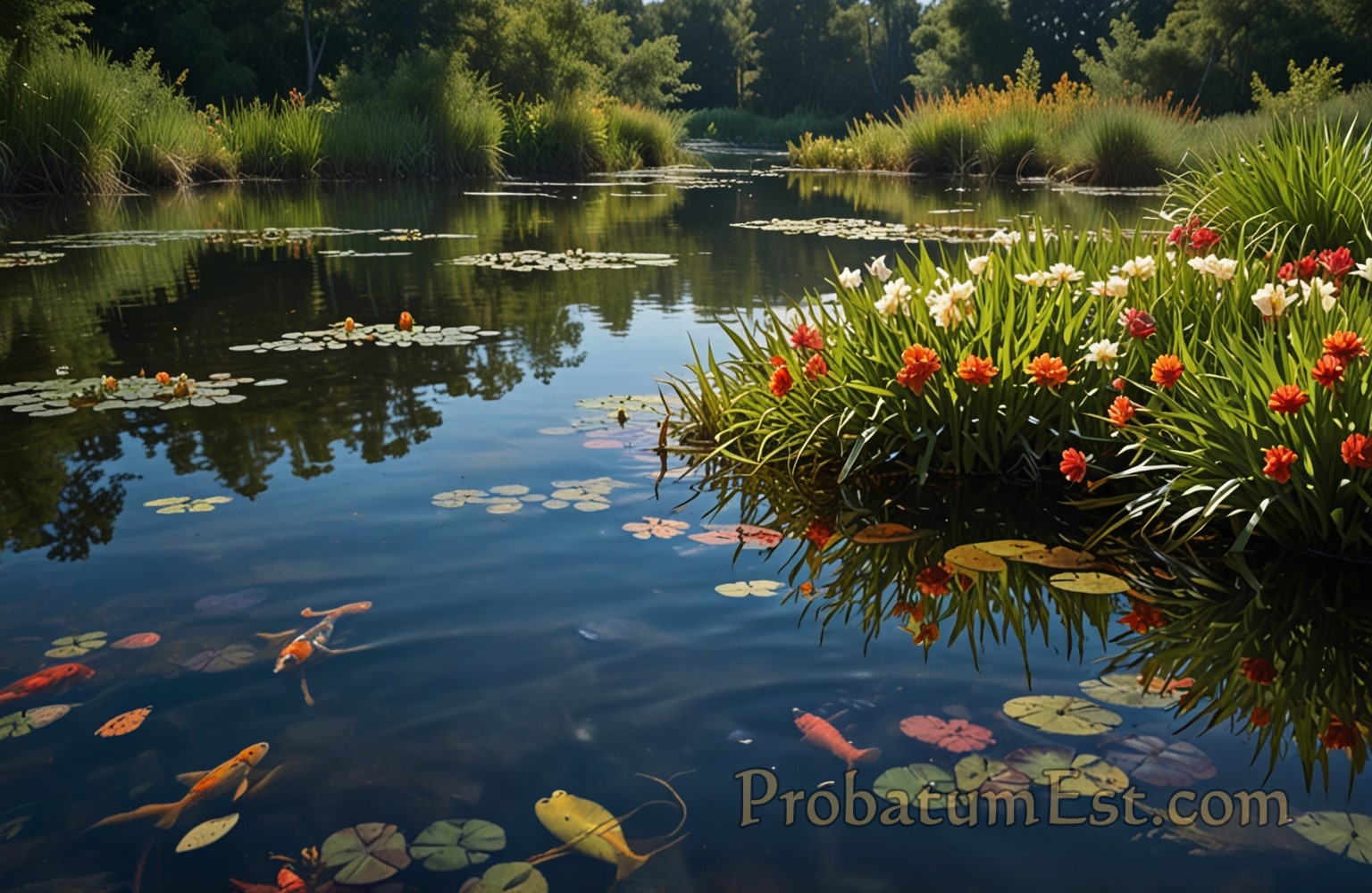
Freshwater Biome
The Freshwater Biome is an indispensable component of the Earth’s ecosystem. Despite covering a mere 2.5% of the global water supply and less than 1% of Earth’s surface, freshwater biomes are vital for sustaining biodiversity, providing water resources, and supporting countless human activities. From lush rivers and serene lakes to mysterious wetlands and invigorating streams,… …read more
-
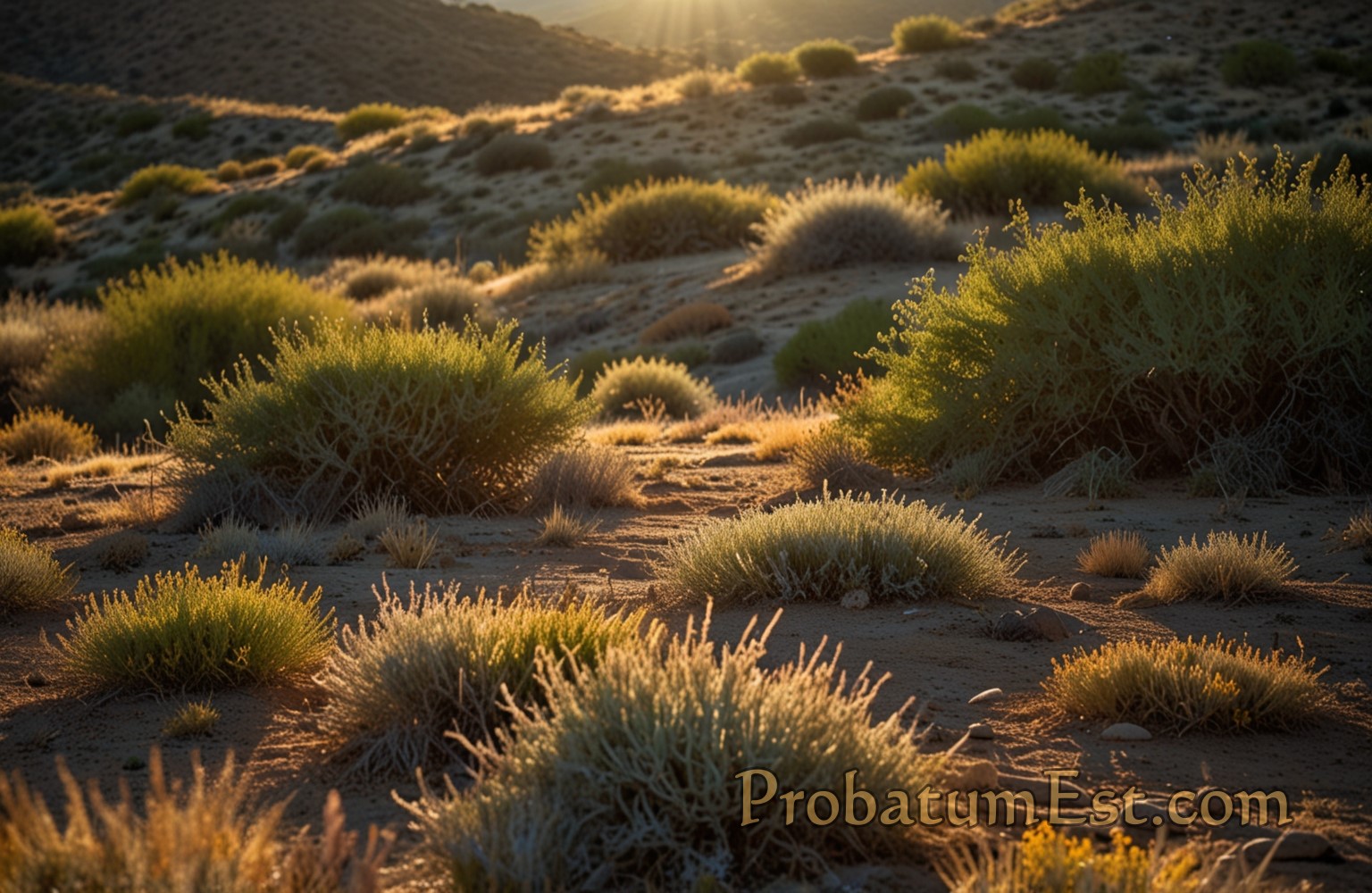
Chaparral
The Chaparral is a distinctive ecosystem that represents a unique interaction between climatic conditions, flora, and fauna. Known for its dense, spiny shrubs and dominance in California, chaparrals are vital ecological zones that contribute significantly to biodiversity and environmental balance. This article delves into the intricate dynamics of the chaparral, exploring its environmental significance, flora… …read more
-
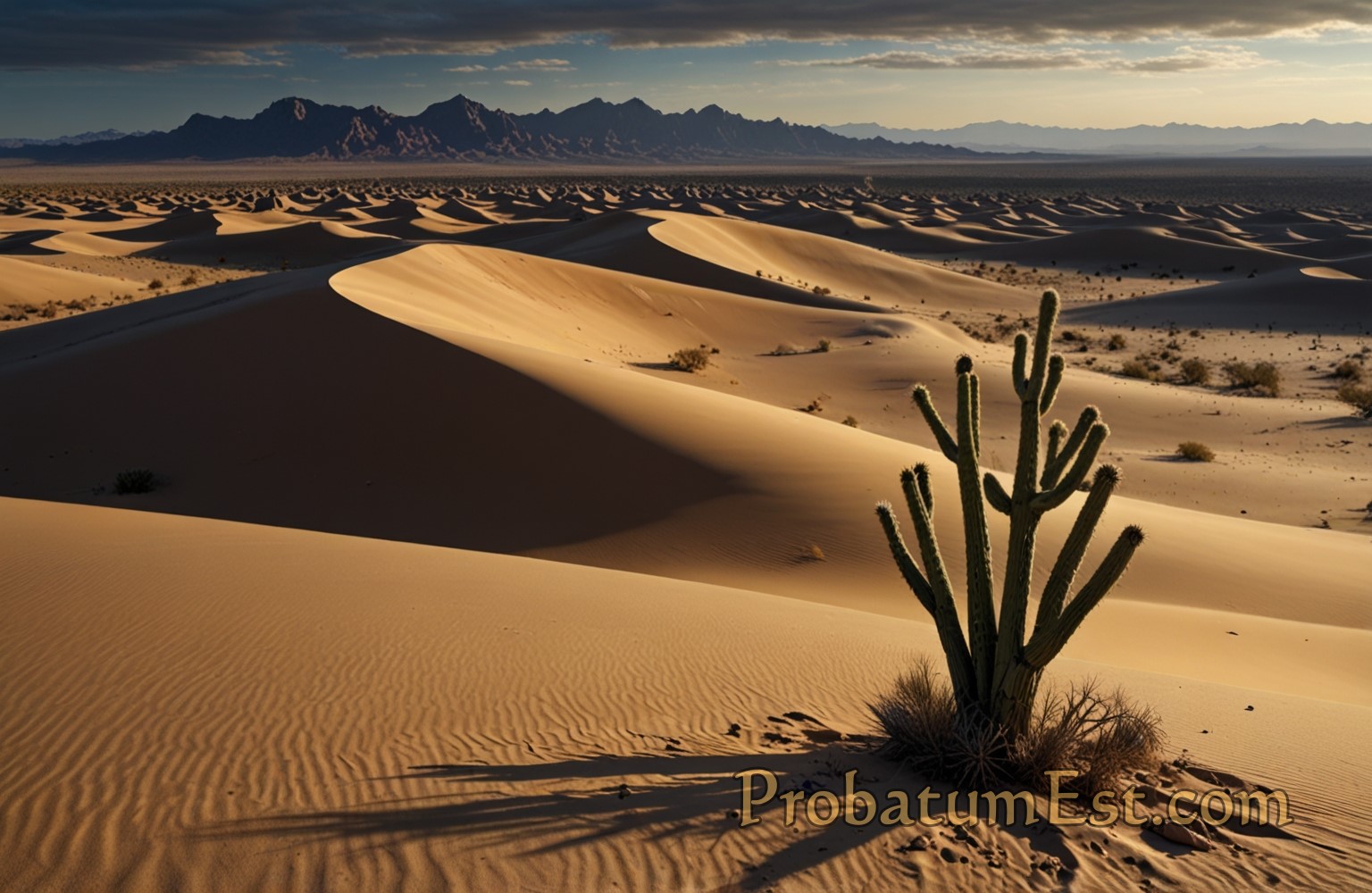
Deserts
Deserts are among the Earth‘s most intriguing and varied biomes. These arid landscapes cover about one-third of the Earth’s surface and are characterized by their limited precipitation, extreme temperatures, and unique ecosystems. Despite their harsh conditions, deserts are teeming with life and possess a wealth of natural beauty and ecological intricacy. 1. Characteristics of Deserts… …read more