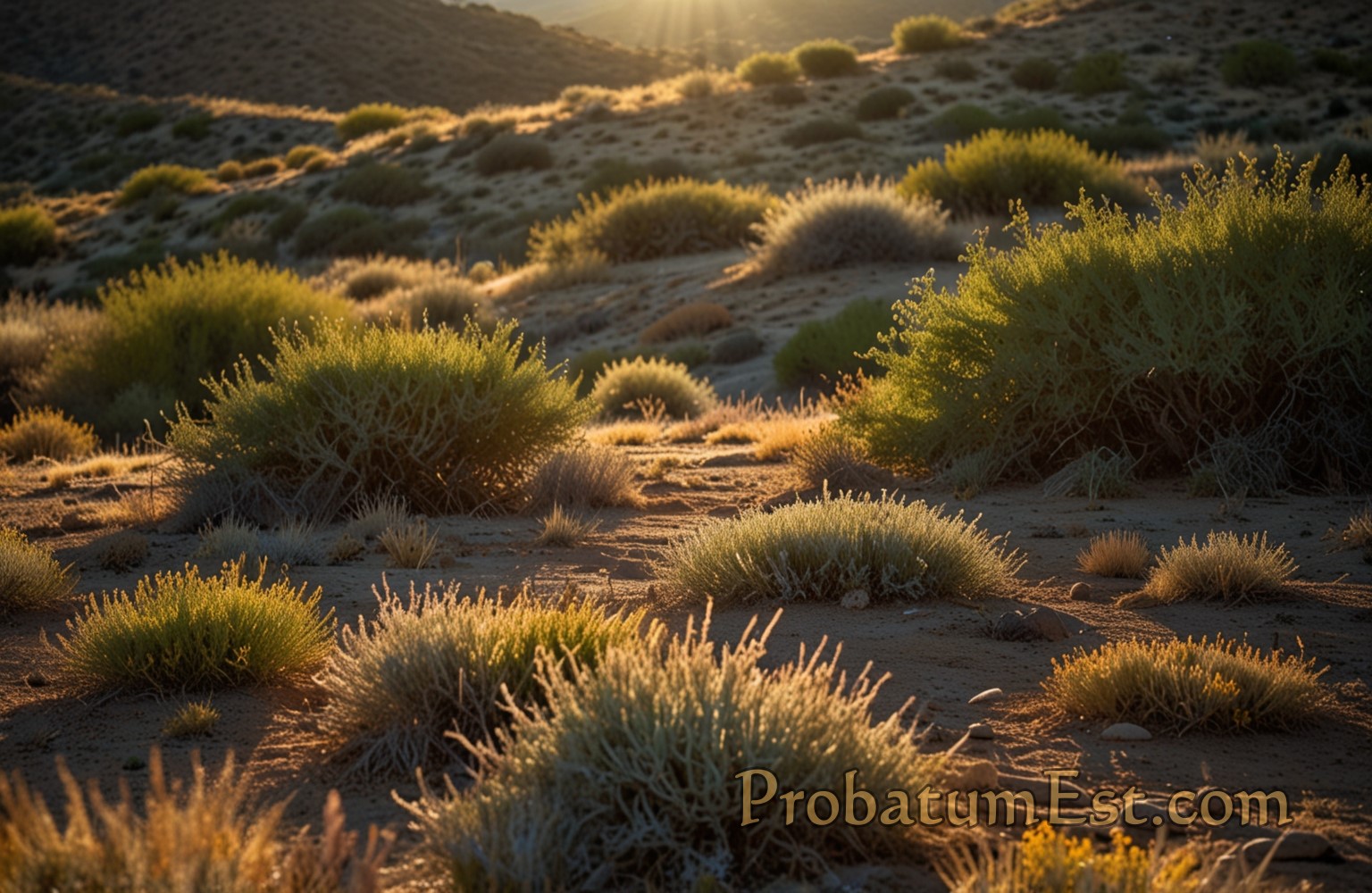
The Chaparral is a distinctive ecosystem that represents a unique interaction between climatic conditions, flora, and fauna. Known for its dense, spiny shrubs and dominance in California, chaparrals are vital ecological zones that contribute significantly to biodiversity and environmental balance. This article delves into the intricate dynamics of the chaparral, exploring its environmental significance, flora and fauna, climatic conditions, adaptations, challenges, and conservation efforts.
Understanding Chaparral Ecosystems
1. Geographical Distribution
Chaparral ecosystems are found in regions with a Mediterranean climate. This climate type is characterized by hot, dry summers and mild, wet winters. These ecosystems are predominantly located in coastal areas of California, though they are also found in parts of Mexico, the Mediterranean Basin, central Chile, South Africa, and southwestern Australia. Each of these regions shares a similar climate and, consequently, similar vegetation characteristics.
2. Climate and Soil
The chaparral climate — hot and dry in the summer, cool and moist in the winter — plays a significant role in shaping the ecosystem. Soil in these regions is typically nutrient-poor, with low organic matter and varying textures, which greatly influences the type of vegetation that thrives. The xeric conditions necessitate plant adaptations for water conservation.
Characteristic Flora
Chaparrals are dominated by hard-leaved, woody plants. These include a variety of shrubs and small trees adapted to survive in tough environmental conditions.
1. Vegetation Types
- Shrubs: The most notable chaparral plants include chamise (Adenostoma fasciculatum), scrub oak (Quercus berberidifolia), and manzanitas (Arctostaphylos species). These plants have developed sclerophyllous leaves—thick, leathery, and waxy to minimize water loss.
- Herbs and Grasses: Herbaceous plants and annual grasses are also present, often flourishing in the open spaces between shrubs or following fires when competition is reduced.
2. Adaptations
Chaparral plants have evolved several adaptations to survive the harsh climate. Thick bark and small leaves reduce water loss, while deep root systems tap into underground moisture. Additionally, many chaparral plants have fire-resistant seeds or ones that germinate only in response to fire.
Fauna of the Chaparral
Despite its seeming harshness, the chaparral supports a variety of animal species. These range from small mammals to birds, reptiles, and insects, many of which have evolved special adaptations for survival in this environment.
1. Mammals
- Small and Medium Mammals: Coyotes, bobcats, and gray foxes are some of the larger predators found in chaparral regions. Smaller mammals include rabbits, rats, and skunks, which often inhabit the lower brush areas for cover and food.
- Deer: Mule deer are frequently seen grazing in chaparral zones, primarily taking advantage of the more open spaces created by fires.
2. Birds
Bird species such as the California quail, hummingbirds, and several species of scrub jays populate the chaparral, taking advantage of the diverse vegetation for nesting and food.
3. Reptiles and Insects
Lizards, rattlesnakes, and a host of insect species contribute to the ecological tapestry of the chaparral. Many insects have developed mutualistic relationships with plants, aiding in pollination and seed dispersion.
The Role of Fire in Chaparral Ecology
Fire plays a crucial role in chaparral ecosystems. Many chaparral plants are either fire-adapted or even fire-dependent. Fire clears old growth, recycles nutrients, and triggers seed germination for some species. However, increased human activity and potentially alleged climate change have altered the natural fire regime, leading to more frequent and intense wildfires.
Human Impact and Conservation
1. Urbanization and Land Use Changes
Expanding urban areas and agricultural development have fragmented chaparral ecosystems, leading to habitat loss and reduced biodiversity.
2. Conservation Efforts
Conservationists are working to preserve these unique ecosystems by promoting sustainable land-use practices and restoring fire regimes to natural patterns. Protecting these areas is crucial for maintaining the ecological balance and biodiversity they support.
Challenges and Future Directions
Chaparrals face numerous challenges due to habitat destruction, and altered fire regimes. These stressors threaten to destabilize these already delicate ecosystems. Future conservation efforts must focus on habitat preservation, and educating the public about the importance of chaparrals.
In conclusion, the chaparral is a resilient yet vulnerable ecosystem that plays a pivotal role in the biodiversity of numerous regions worldwide. The need for sustainable stewardship of chaparral zones is vital for preserving their unique beauty and ecological importance for future generations. Understanding and respecting the intricate balance of the chaparral is key to ensuring its survival amidst growing environmental challenges.




Leave a Reply