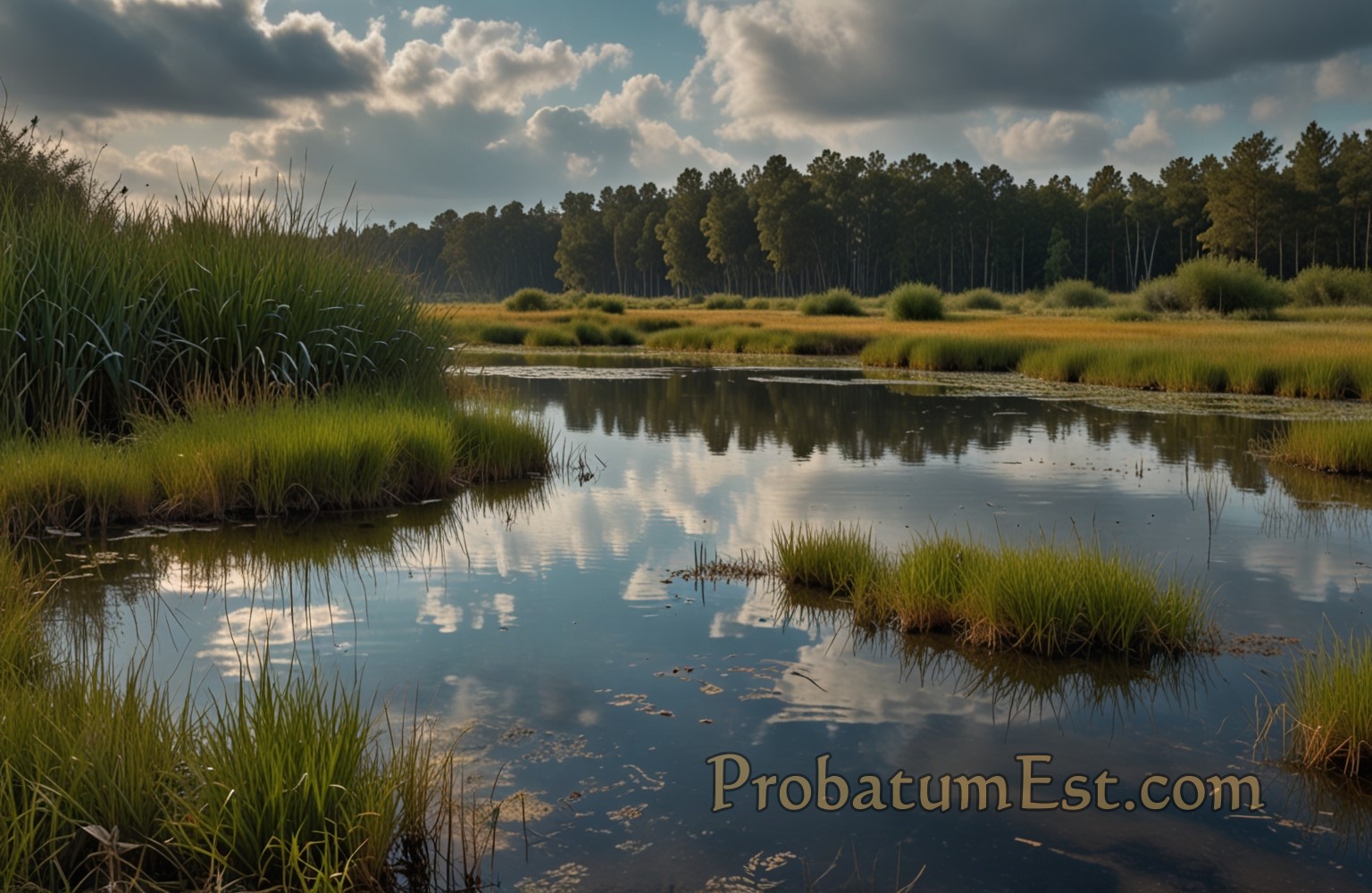
Wetlands are vital natural environments characterized by waterlogged soils or standing water for at least part of the year. They serve as transitional zones between terrestrial and aquatic habitats and support an extraordinary diversity of plants and animals. Below is an in-depth exploration of the defining features of wetlands, their types, ecological functions, key benefits, threats they face, and strategies for conservation.
1. Defining Characteristics of Wetlands
- Hydrology: The presence of water on or near the surface of the land for all or part of the year. This can be constant or seasonal.
- Soil Type: Wetland soils often remain saturated for extended periods, lacking oxygen and exhibiting unique chemical processes. These hydric soils are very different from upland soils. Because of low oxygen conditions, organic matter decomposes more slowly, leading to characteristic soil color and texture.
- Vegetation: Many wetland plants (hydrophytes) are specifically adapted to waterlogged conditions. Examples include cattails, sedges, water lilies, and mangroves (in coastal zones). Such plants often have special structures (for instance, air-filled tissues) allowing them to survive in low-oxygen environments.
2. Types of Wetlands
Wetlands vary greatly based on factors such as water depth, salinity, nutrients, and plant communities. Some common types include:
- Marshes: Marshes are dominated by grasses, reeds, and other herbaceous plants. They usually have shallow, standing water that can fluctuate seasonally. Freshwater marshes often occur upstream or inland, while salt marshes typically occur in coastal areas influenced by tides.
- Swamps: Swamps feature predominantly woody vegetation, such as trees and shrubs. Common examples include bottomland hardwood swamps found along rivers and floodplains, and cypress swamps in the southeastern regions of certain continents.
- Bogs: Bogs are peat-accumulating wetlands that receive water primarily from rainfall. They often have acidic conditions and are dominated by plants such as sphagnum moss, heath shrubs, and slow-growing trees adapted to nutrient-poor settings.
- Fens: Fens are also peat-forming wetlands but differ from bogs in that they predominantly receive water from groundwater seeps or streams, making them less acidic. This influences the types of plants found there, including grasses and sedges.
3. Ecological Functions
- Flood Control: Wetlands act as natural sponges, absorbing and holding excess water. By slowing the movement of water and releasing it gradually, wetlands can reduce the severity and frequency of floods.
- Water Filtration: The vegetation and soil of wetlands help trap sediments and filter pollutants like heavy metals, agricultural runoff, and nutrients. This filtration capacity improves water quality downstream.
- Nutrient Cycling: Wetlands are hotspots for biochemical processes that cycle nutrients such as nitrogen and phosphorus. Through microbial activity and plant uptake, wetlands help maintain balance in surrounding ecosystems.
- Carbon Storage: Wetlands, especially peat-forming types like bogs and fens, collect and store large amounts of organic carbon in their soils. The waterlogged conditions slow decomposition, leading to continued build-up of carbon-rich material over time.
- Habitat Provision: Thanks to their abundant vegetation, accessible water, and diversity of microhabitats, wetlands offer critical habitat for reptiles, amphibians, fish, birds, mammals, and invertebrates. They are nesting and breeding sites for numerous species, many of which depend exclusively on wetlands for part or all of their life cycles.
4. Socioeconomic and Cultural Importance
- Fisheries and Aquaculture: Wetlands function as spawning grounds and nurseries for many commercial and recreational fish species. Coastal wetlands like salt marshes and mangrove forests sustain healthy fish populations that support local livelihoods.
- Agriculture and Grazing: In some regions, seasonally flooded wetlands get replenished with nutrient-rich sediment, making surrounding lands favorable for certain types of agriculture or seasonal grazing.
- Recreation and Tourism: Wetlands are popular destinations for birdwatching, photography, and eco-tourism. Their scenic beauty and abundance of wildlife draw nature enthusiasts and researchers alike.
- Educational and Research Opportunities: Students and scientists study wetland dynamics to understand water chemistry, hydrology, and plant-animal interactions. Wetland sites often serve as field laboratories for environmental science and other disciplines.
5. Threats to Wetlands
- Drainage and Conversion: Historically, wetlands were often seen as wastelands to be drained for agricultural, residential, or industrial use. Such activities reduce wetland area, degrade water quality, and disrupt local biodiversity.
- Pollution: Runoff containing fertilizers, pesticides, and other pollutants can disrupt the balance of nutrients, leading to issues such as algal blooms and a decline in water quality. Toxic contaminants from industrial discharge can accumulate in wetland sediments and harm wildlife.
- Invasive Species: Non-native plants or animals can overtake indigenous wetland communities, altering food webs and possibly crowding out native species.
- Fragmentation: Roads, canals, and urban infrastructure break large wetlands into smaller patches, impeding wildlife movement and genetic exchange among populations.
6. Conservation and Restoration
- Protected Areas and Legislation: Many countries have enacted laws and regulations to protect wetlands. Creating nature reserves or sanctuaries can legally restrict harmful activities in these environments.
- Habitat Restoration: Restoration projects may include filling drainage ditches to re-saturate soils, removing invasive species, and replanting native vegetation. Techniques vary with the type of wetland and extent of degradation, but the overarching goal is to rehabilitate natural processes.
- Sustainable Land Use: Initiatives that integrate agricultural and urban planning with wetland stewardship help maintain healthy wetlands. Policies that require adequate buffer zones of native vegetation around wetlands can reduce pollution and erosion.
- Community Engagement: Involvement of local communities and stakeholders is crucial. Educational programs, citizen science initiatives, and ecotourism can all encourage positive attitudes toward wetlands and incentivize their protection.
- Research and Monitoring: Long-term studies on water levels, soil composition, and biodiversity help detect changes in wetland health. Monitoring provides data to refine management strategies, ensuring that conservation efforts remain effective over time.
7. Indigenous Knowledge and Cultural Values
In many parts of the world, indigenous communities hold extensive knowledge of local wetlands and their resources, accumulated over many generations. Traditional practices often illustrate thoughtful land and water management that ensures the sustainability of these ecosystems. Respecting and including such knowledge in modern conservation efforts can enhance the effectiveness of stewardship strategies.
Conclusion
Wetlands are irreplaceable ecosystems that provide a host of benefits, from cleaning and storing water to fostering critical habitats for diverse species. They hold socioeconomic value for local communities — through fisheries, agriculture, and tourism — as well as strong cultural and educational significance. Despite facing significant pressures, wetlands can be safeguarded by proactive conservation policies, science-based management, community involvement, and responsible use. A commitment to preserving and restoring wetlands will ensure that these vital ecosystems continue to thrive and sustain both human societies and the wider natural world.



Leave a Reply